
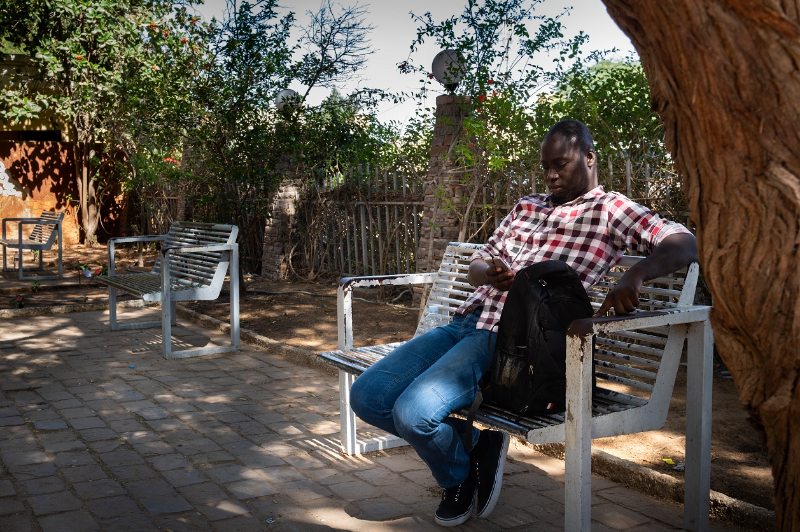
A project at the University of Johannesburg (UJ) to provide tablets to first year students is discussed in some detail. The aim of the project is to help in bridging the digital divide. The challenges that arose from the implementation of this initiative make it apparent that factors such as psychology and managerial efficiencies also contribute in no small measure to a perpetuation of the divide. A multi-disciplinary approach to the eventual bridging of the divide is proposed.
Impact / Outcome
Some 1900 students underserved students were identified to apply. Students unable to afford a device still had access to the computers available to them in the so-called “computer laboratories” on each of the campuses.
However, the distribution of the tablets to the qualifying students generated a degree of apathy from many of the beneficiaries. While one would have expected such underprivileged students to grab the opportunity to possess a tablet that opened up so many avenues for them, educational and social, at no or minimal cost, this was not universally the case. Some 15%-20% of the students failed to collect their tablets at the appointed time and place, despite ample communication in this regard.
Funding sources
Public
Key Metrics
Devices (tablets) distributed to first year students
Operating model
Fully publicYear published
01 January 2019