mobile image

Cash and the city: Digital COVID-19 social response in Kinshasa

SDGs Impacted

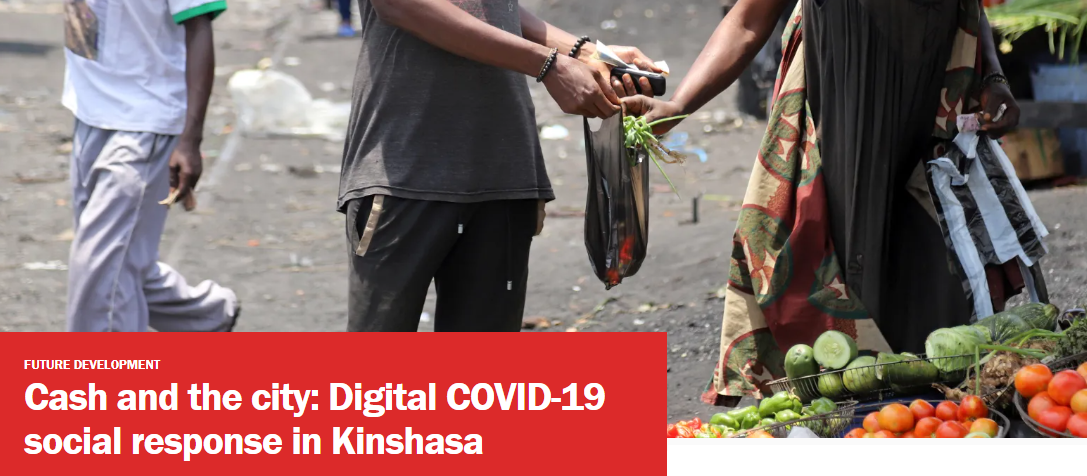
Kinshasa, the capital of the Democratic Republic of the Congo (DRC), is a case in point. The social and economic effects of the Covid’19 crisis have been devastating in this megacity of 15 million people, two-thirds of whom were poor pre-pandemic. Job losses, price increases, and a drop in remittances quickly increased the financial vulnerability of most households. The situation called for a large-scale emergency cash transfer program, even if none of the prerequisites were in place: no program administration to build on, no social registry or fiscal records to target beneficiaries, and a weak financial ecosystem to make payments. In short, the program had to be built from scratch, remotely, and fast. This case study reviews the challenge that the DRC Social Fund took up with the Solidarité par Transferts Economiques contre la Pauvreté à Kinshasa (STEP-KIN) program to boost digital cash transfers.

Impact / Outcome
In three months, STEP-KIN identified, registered, and paid more than 100,000 individuals in 50 poor neighborhoods, becoming the largest cash-based operation in Kinshasa. The program is now expanding to 250,000 recipients for a total of $37.5 million to be transferred in monthly payments of $25. The first 6,500 randomized post-distribution surveys show that the targeting worked, i.e. beneficiaries are poor and vulnerable, with 40 percent unemployed and the remaining 60 percent earning less than $100 per month on average.
Funding sources
Public/Private
Key Metrics
Implement a digital cash transfer program for financial vulnerable households of poorest areas
Locations
Africa, Democratic Republic of the Congo
Sector
Financial services
Intervention lever
Policy
Operating model
Public-private partnership
Target populations
Women & girls, Rural
Year published
01 January 2021
Organization involved
Avatar Image
Brookings Institution

The EDISON Alliance

A World Economic Forum Initiative