
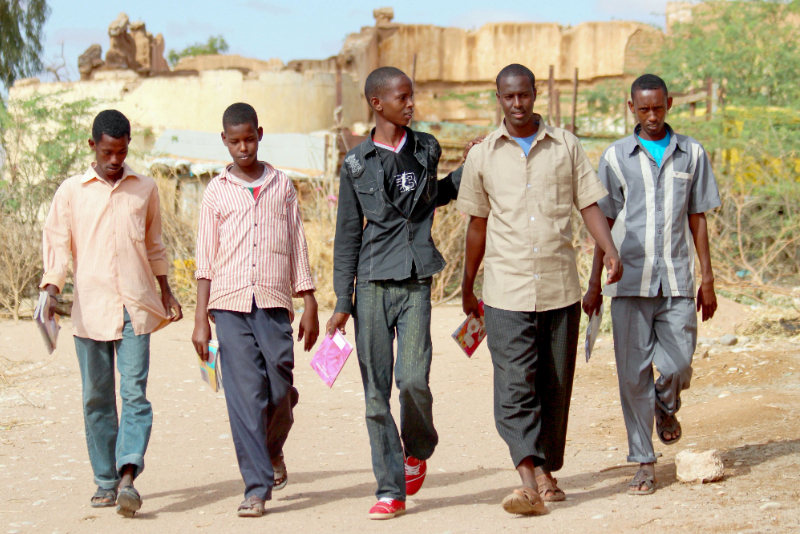
This case study critically analyzed the relevance, efficiency, effectiveness, impact and sustainablity of open distance learning (ODL) solutions during the pandemic anad looked into the sustainability of ODL solutions as a post-COVID recovery plan. Taking the case of Mauritius, it attempted to understand the barriers impeding their successful implementation in both COVID and non-COVID environments.
Impact / Outcome
Within the scope of the unprecedented crisis caused by the pandemic, and limited access to resources, various ODL solutions were initiated at different levels, namely: MoETEST, MIE, NGOs, DPOs, and DPI, and at a personal level by teachers to provide adequate and timely support to learners with disabilities. These efforts from different quarters, and at different levels, culminated in innovations in technology identified as unique, meaningful, impactful, relevant, efficient, effective, and potentially sustainable in post-COVID environments.
Funding sources
Public/Private
Key Metrics
Open and Distance Learnings (ODL) solutions were initiated at different levels
Operating model
Fully publicYear published
01 January 2021 
UNESCO (United Nations Educational, Scientific and Cultural Organization)