mobile image

Zimbabwe's Learning Passport Case Study

SDGs Impacted

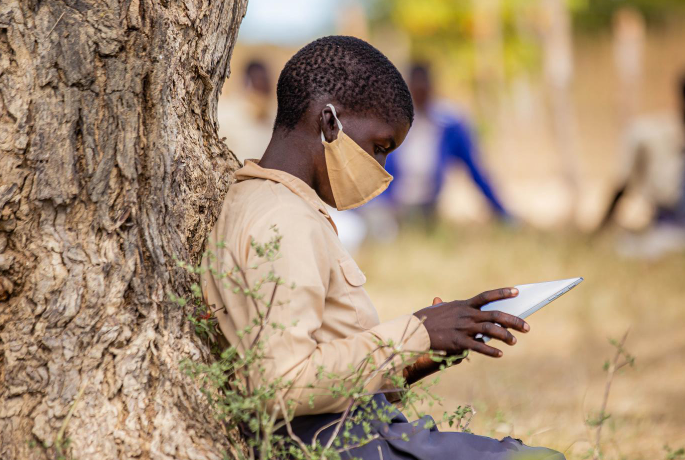
Since the onset of the COVID-19 , the school closure in March 2020 affected over 5 million learners in Zimbabwe. Since then, schools were partially opened, closed, and then fully opened throughout 2020-2021. The Ministry of Education ensured continuity of learning by following a blended approach where students continue learning via Radio, online lessons, and face-to-face learning where schools are open for face-to-face learning. But the radio lessons do not have the capability for learners to have an online service where they could access the radio lessons later and play them again if they needed to. To overcome these challenges , a new and free digital learning platform called Zimbabwe Learning Passport is designed and launched on March 11, 2021. This article discusses Zimbabwe's learning passport

Impact / Outcome
The Learning Passport Platform can be accessed online or via an Android mobile application and it hosts over 1000 Radio Lessons, Syllabuses, Teacher Guides, Learning Modules, and Teacher Resources. UNICEF, with its advocacy efforts to promote the increased use of the Zimbabwe Learning Passport, reached 2000 learners and 104 teachers in two schools and has registered 71,296 users (25% of the 300,000 targets for the year 2021 registered in the first week of the launch).
Funding sources
Public/Private
Key Metrics
Provides learners, in both formal and non-formal education, access to learning resources though ICT
Locations
Africa, Zimbabwe
Sector
Education
Intervention lever
Direct government
Operating model
Fully public
Target populations
Children, Youth
Year published
01 January 2021

The EDISON Alliance

A World Economic Forum Initiative