
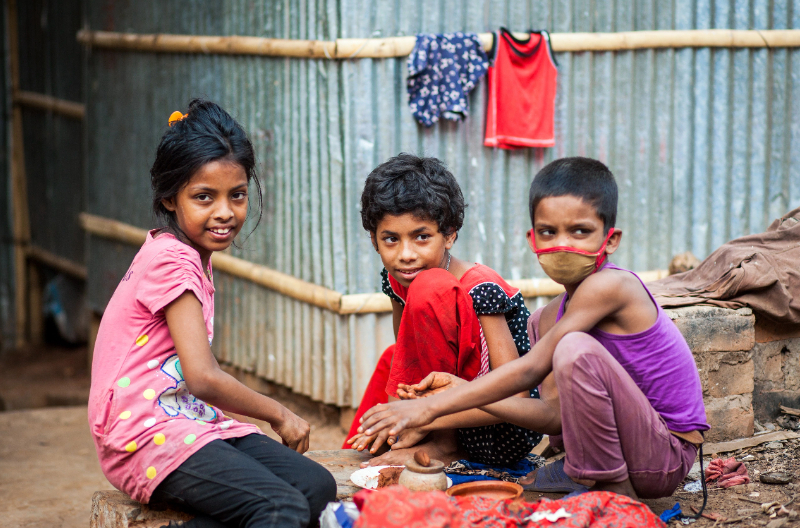
This study sheds light on Bangladesh’s initiatives in the area of disability-inclusive education. The particular focus is on the role of its Accessible Reading Materials (ARM) initiative and how this has contributed to ensuring disability-inclusive and accessible education during the COVID-19 pandemic in Bangladesh. ARM is aimed at satisfying the educational needs of all students including students with print and learning disabilities. This study’s focus is on the ARM initiative and its effectiveness during the pandemic.
Impact / Outcome
In Bangladesh, a large number of visually impaired students are now studying at many levels within various educational institutions. According to the Department of Social Services (DSS), three-quarters passed the Higher Secondary Exam across the country in the last year (with 3.54 per cent achieving GPA-5, the highest score achievable). Thanks to the ARM initiative, visual impairment did not stop these students from competing with their peers and succeeding in their studies.
Funding sources
Public
Key Metrics
Students with disabilities insured with inclusive and accessible education during COVID-19
Operating model
Fully publicYear published
01 January 2021 
UNESCO (United Nations Educational, Scientific and Cultural Organization)