mobile image

HearScreen: case study by UNESCO-Pearson Initiative for Literacy

SDGs Impacted

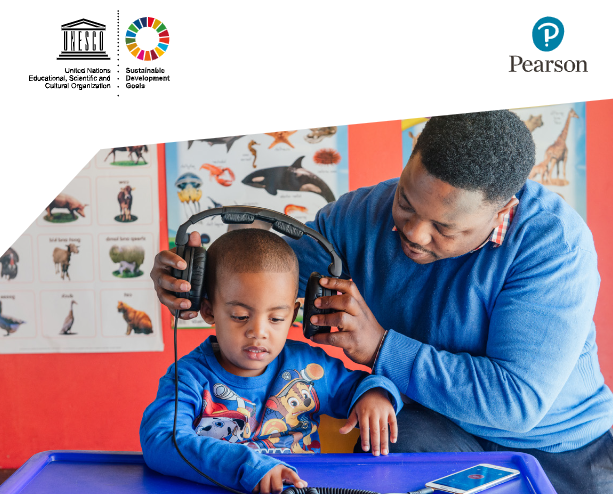
Globally, 360 million people, or more than 5 per cent of the world’s population, suffer from disabling hearing loss, with the greatest prevalence in the Asia Pacific and sub-Saharan Africa regions. However, many developing countries have very little awareness of hearing impairment and limited resources to implement screening campaigns. This private initiative aims to improve hearing screening and early detection services among children and adults, especially for underserved communities. The solution was developed as an inexpensive alternative to conventional screening methods, with specific applications to school-based administration. The initiative has been shown to cut traditional screening costs by 50–70 per cent and can be administered by non-specialists and screeners with even basic literacy and low digital skills.

Impact / Outcome
The project was first implemented in Mamelodi, Gauteng (South Africa) in partnership with Innovation Edge and the NEA foundation. This solution have now been used in twenty-one countries around the world. To date, over 35,000 screenings have been conducted for hearing loss. Of these, 88 per cent were of children, and almost one in five detected a need for further professional investigation. It is clear that many more problems are being detected than had been identified previously, and that as a result many fewer people will struggle with undetected and untreated hearing problems.
Funding sources
Private
Key Metrics
Improve detection of hearing loss among underserved communities
Locations
Africa, South Africa
Sector
Health
Operating model
Fully private
Target populations
Children, Disabled
Year published
01 January 2017

The EDISON Alliance

A World Economic Forum Initiative