
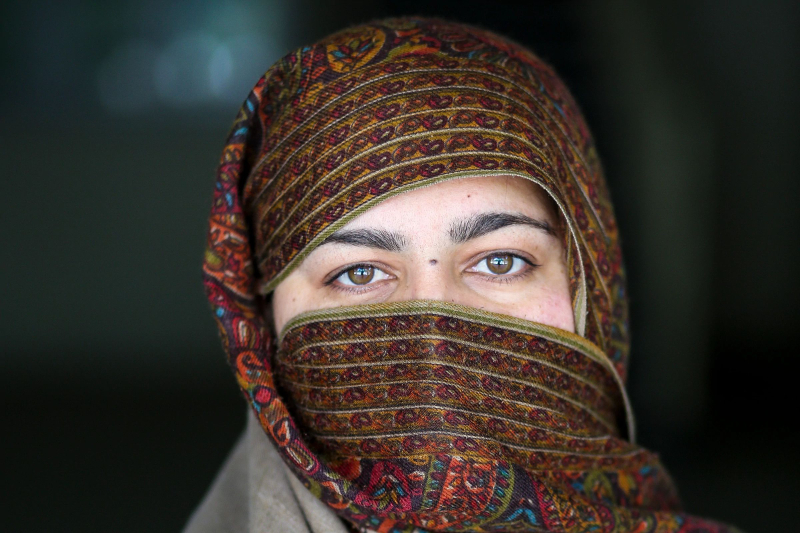
Through an interpretive case study of the Benazir Income Support Programme (BISP) in Pakistan, this paper applies Orlikowski’s Duality of Technology that critically examines mobile banking usage by women beneficiaries and technology’s effects on the institutional properties of their households. Qualitative data were collected through semi-structured interviews from participants located in Pakistan. The findings highlighted that mobile banking enabled women to receive the full amount of grants, securely and conveniently, from agents.
Impact / Outcome
In this study, the social construction of m-banking was driven by management’s objectives to achieve transparency in the delivery of G2P payments, while financial inclusion was a secondary agenda for BISP managers. Whilst m-banking provided opportunities to achieve financial inclusion of unbanked households, the DoT framework also illuminated how digital technologies embedded certain human, socio-economic and technological constraints that ‘limited financial inclusion’ in BISP households. The paper concludes that m-banking practices were ‘palliative’ to reduce poverty in households. However, technology was inept to ‘structurally transform’ the economic properties for eliminating poverty through ‘full financial inclusion.’ This is important because financial inclusion is perceived as an intermediary stage for poverty graduation in households.
Funding sources
Public/Private
Key Metrics
Implement digital government-to-person (G2P) payments to promote women’s’ financial inclusion
Operating model
Public-private partnershipYear published
01 January 2018