
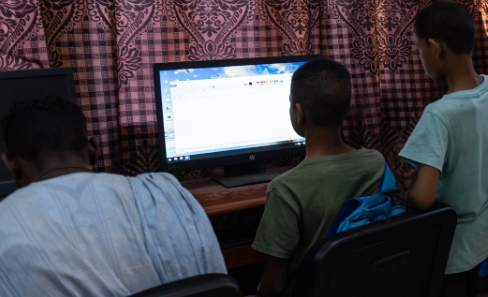
This study examines the perspectives and lived experiences of 10 urban secondary mathematics teachers from two epicenters of COVID-19 in the United States regarding their transition to digital learning during the 2019–2020 academic year. We use case study methodology with phenomenological interviews to gather insights into the teachers’ efforts to modify their mathematics instruction and curriculum while navigating observed digital inequities and new digital tools for mathematics teaching. We also report on the teachers’ targeted attempts to bridge home and school while problematizing the threatened humanistic aspect of remote teaching and learning.
Impact / Outcome
Navigating the digital divide barriers makes it a struggle to implement equity-oriented technology integration. Looking forward, educators must rethink what resources are needed to bridge fluid transitions between in-person and digital instruction. Doing so will encourage educational responsibility and research that (a) advocates for student-centered and engaged remote learning, (b) problematizes the digital divide to ensure achievement gaps are not widened, (c) initiates critical conversations relevant to current reform efforts in mathematics education, and (d) opens doors for other stakeholders in the field to discuss the logistics and implications of digital education for the purposes of enhancing new ways of teaching and learning.
Funding sources
Public
Key Metrics
Examine digital education in the urban context
Operating model
Fully publicYear published
01 January 2021