
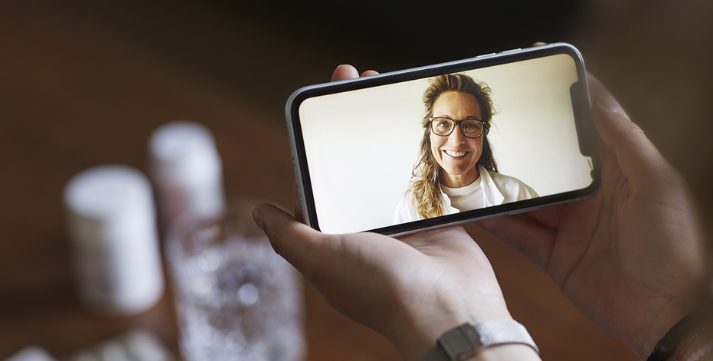
This case study discusses how Unity Health Care, Inc., a Federally Qualified Health Center (FQHC) in Washington D.C, used telehelath to provide quality healthcare to patients, especially of those coming from ethnic minorieits who were more susceptible to the pandemic, during COVID-19. The launch of telehealth during the COVID-19 pandemic has been a lifesaver for the organization and its patients, however, there have been both organizational and patient challenges during the deployment. This paper discusses them.
Impact / Outcome
Telehealth visits have allowed the organization to continue some very critical, but not always urgent visits with patients during COVID-19. Before telehealth, the choices would have been limited to having the patients risk returning to the health center for care or having the patient foregoing services until a later date. With vulnerable patient populations both of these options were significant risks. Telehealth has allowed for a middle ground. It has allowed Unity to continue to care for and connect with these patients in an effort to keep them as safe and healthy as possible during this time.
Funding sources
Private
Key Metrics
Use of telehealth to protect patients and staff from unnecessary exposure to infection in the community
Operating model
Public-private partnershipYear published
01 January 2020 
Healthcare Information and Management Systems Society