
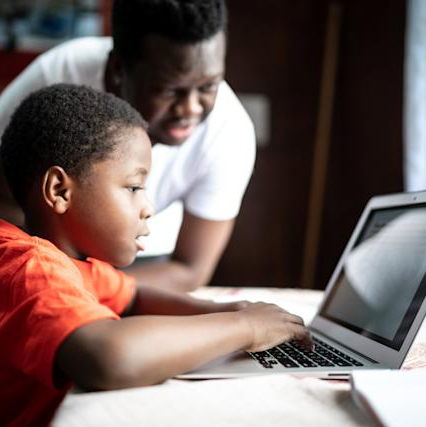
New research by Common Sense Media indicates that Black and Hispanic/Latino youth have been disproportionately affected by the disruptions of COVID-19. Disparities in digital access have been stark, and Black and Hispanic/Latino students have experienced more tech-related educational disruptions as a result. The Common Sense Census Presents: Remote Learning and Digital Equity During the Pandemic explores the way kids age 8 to 18 in the U.S. attended classes during the crisis, what access they had to computers and broadband while learning from home, and how frequently they experienced technical issues that disrupted their education. This report highlights the effects of the COVID-19 pandemic on the K-12 students in the United States.
Impact / Outcome
Children of color and those from lower-income households have been far more
likely to attend school remotely during the pandemic than White children or
those from wealthier households.
About one in four (24%) children from lower-income households still do not have a
computer at home.
Nearly one in five (19%) 8-to 18-year-olds still don’t have residential broadband.
Three out of four (75%) children going to school remotely during the pandemic
experienced technical issues or a lack of digital access that made it hard for them
to attend class or do their schoolwork
Young people without home broadband have experienced more frequent
disruptions in their schooling than those with broadband.
Key Metrics
Distance Learning Digital Divide
Year published
01 January 2020