
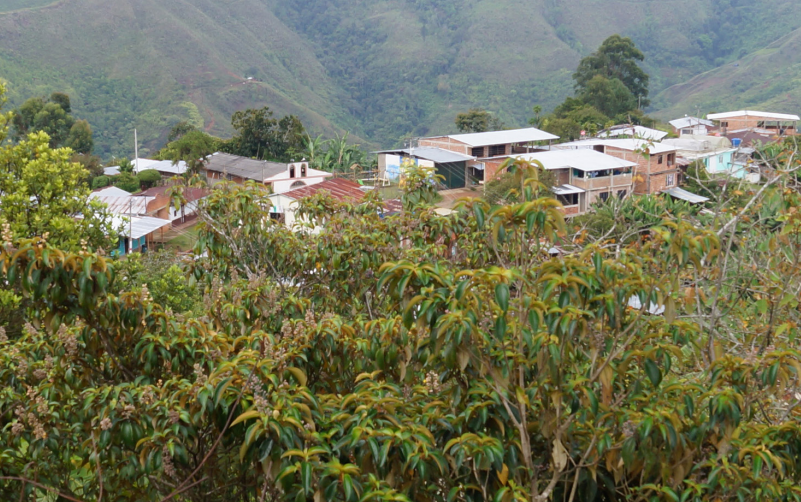
To overcome decades of conflict and isolation in Buenos Aires, a Colombian community builds their own network. Years ago, some residents go neighbor-to-neighbor to issue alerts. Cut off from the Internet and wireless services, they use a megaphone to announce community meetings. This case study tells how, in 2019, the community had a glimmer of hope: a pilot project that created a cellular network. It was made possible by an agreement with the Ministry of Information Technologies and Communications (MinTIC).
Impact / Outcome
The Colombian case shows one of the main problems faced by community networks in Latin America: access to the radioelectric spectrum. There are almost no policies that include them in frequency assignment processes. These networks could be more widely deployed if there were more flexible regulations, with access to shared infrastructure, or through the implementation of public policies that facilitate financing methods. These initiatives complement existing networks, they don’t compete with them.
Regulatory changes are needed so that these communities can take initiative to reduce the digital divide. Governments have to recognize this as a need and an opportunity. In the case of Buenos Aires, “If the neighbors themselves hadn’t built the network, no one else was going to do it” said a local.
Funding sources
Public/Private
Key Metrics
Develop a community network to overcome decades of conflict and isolation
Operating model
Public-private partnershipYear published
01 January 2021