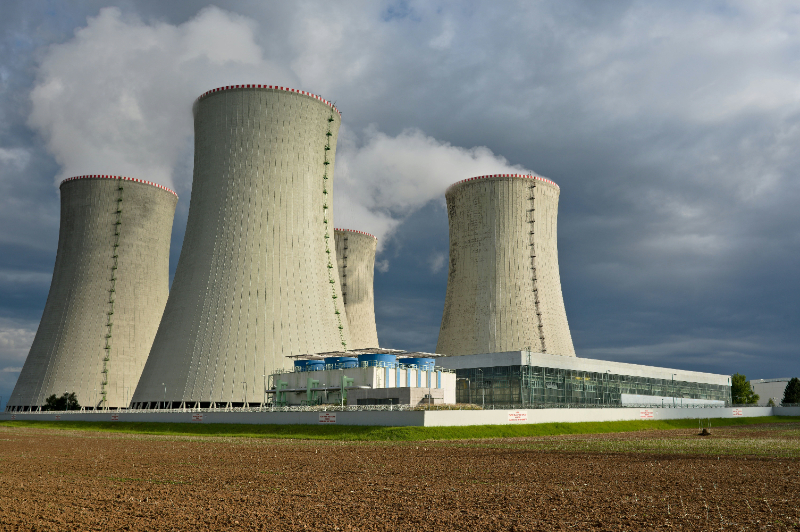
AI-enabled nuclear overhaul management
AI-enabled nuclear overhaul management uses generative artificial intelligence, industrial knowledge graphs, multi-agent coordination and integrated operational data to manage the full overhaul lifecycle of a nuclear power unit, including planned maintenance shutdowns, inspections and equipment replacement activities. The solution converts fragmented planning, work order, resource, safety and performance data into a coordinated digital workflow covering overhaul planning, preparation, execution and post-overhaul review. These systems can generate optimized schedules, identify work order risks through multi-modal models, forecast workforce and material needs, correct progress deviations during execution and produce post-overhaul analysis reports.
Nuclear overhaul performance directly affects unit availability, safety assurance, maintenance cost and power generation output. By turning overhaul management into a data-driven and continuously adaptive process, the solution improves coordination, reduces schedule risk, strengthens operational learning and creates a scalable model for future nuclear maintenance cycles.
Main outcomes of the solution
- Reliability & Flexibility: Improves nuclear unit availability by using AI to optimize overhaul schedules, identify work order risks, forecast resources and correct execution deviations in real time. This supports stable power supply by reducing overhaul uncertainty and improving coordination across maintenance, operations, safety, engineering and procurement teams.
- System Resilience: Strengthens resilience by turning overhaul management into a continuously monitored, data-driven process. Integrated data lakes, knowledge graphs, secure connectivity and cloud-edge infrastructure help operators detect risks earlier, coordinate responses faster and preserve safety controls during complex maintenance periods.
- Business Value: Reduces operational risk and improves asset productivity by shortening overhaul cycles, lowering avoidable delay costs and standardizing post-overhaul learning. This creates a repeatable digital management model that can be scaled across nuclear units and future maintenance cycles.
Key deployment and scaling factors
- Build a unified industrial data lake that connects overhaul schedules, work orders, safety records, materials, workforce plans, equipment status and historical maintenance data across departments.
- Validate generative AI and multi-modal models for accuracy, traceability, explainability, human oversight and alignment with nuclear safety requirements before they support operational decision-making.
- Use industrial knowledge graphs to standardize relationships between assets, work packages, risks, materials and expert rules, allowing the model to be reused across overhaul scenarios and nuclear units.
- Ensure secure connectivity, cloud-edge infrastructure and mobile field interfaces so progress deviations, resource gaps and safety risks can be detected and corrected during the overhaul rather than after completion.
- Integrate the system with existing plant maintenance, enterprise asset management, safety, procurement and operational technology systems.
- Establish cybersecurity, data governance, access control and model governance arrangements appropriate for safety-critical infrastructure.
- Support adoption across maintenance, operations, safety, engineering, procurement and management teams through clear workflows, training and accountability for AI-assisted decisions.
Case study
Qinshan Nuclear Power Plant Co; China National Nuclear Research Institute (2023), China
In 2023, Qinshan Nuclear Power Plant Co. deployed an intelligent overhaul management system to improve major overhaul performance across planning, preparation, execution and post-overhaul review. The deployment built on a maintenance digitalization program that began in 2017, during which Qinshan developed a standardized and replicable digital management method for nuclear maintenance.
The system integrates generative AI, industrial knowledge graphs, multi-agent collaboration, an industrial data lake, 5G connectivity and cloud-edge-end computing. It uses 18 specialized virtual digital managers across more than 50 maintenance control scenarios, including schedule optimization, work order risk identification, workforce and materials forecasting, deviation correction during execution and automatic generation of post-overhaul reports.
The implementation followed a staged digitalization method covering benchmarking, problem diagnosis, integration of management, supervision and execution, business data governance, digital scenario development and iterative innovation. This approach helped replace fragmented, department-based coordination with a closed-loop operating model connecting management oversight, supervisory control and field execution.
According to Qinshan’s own estimates, the system reduced overhaul duration by 51.1%, decreased cost by 43% and reduced risk by 82.2%. These figures should be treated as company-reported rather than independently verified. The case illustrates how AI-assisted planning, risk review, deviation correction and post-overhaul analysis can support more coordinated maintenance management in high-complexity nuclear operations.
References:
- Considerations for Deploying Artificial Intelligence Applications in the Nuclear Power Industry | IAEA
- Executive Summary – The Path to a New Era for Nuclear Energy – Analysis - IEA
- Information provided to World Economic Forum by Qinshan Nuclear Power Plant Co (May 2026)