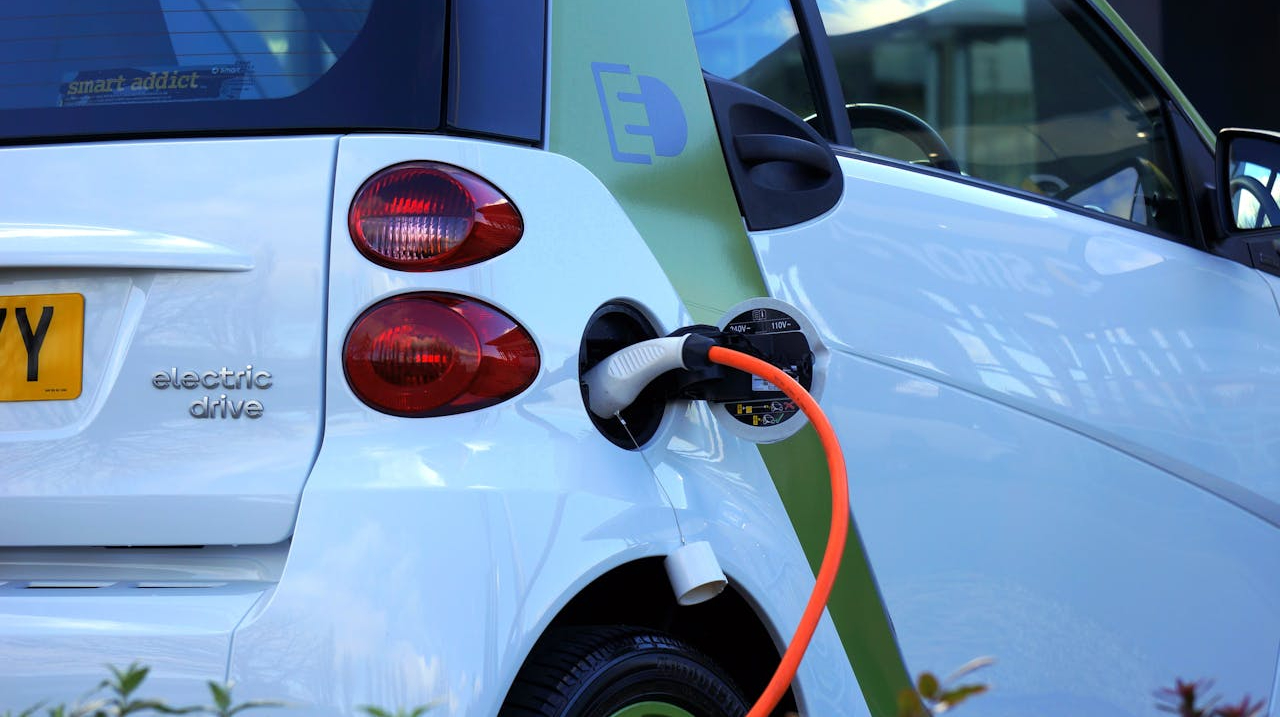
All-in-one vehicle-to-grid (V2G) bundles
All-in-one V2G bundles integrate electric vehicle leasing, bidirectional charging, smart tariffs and digital optimization into a single turnkey offer. As the global electric vehicle fleet is expected to grow twelve-fold by 2035 under stated policies according to the International Energy Agency (IEA), the aggregate storage potential of vehicle batteries represents a significant source of short-duration flexibility for power systems.[1] These bundled models coordinate charging and discharging to reduce peak demand, absorb surplus renewable generation and, in suitable regulatory contexts, defer local network upgrades.
Historically, EVs, charging equipment, tariffs and flexibility services were procured separately, limiting customer uptake and reducing the system value of electrified transport. Charging was often unmanaged, and most consumers were not rewarded for contributing flexibility. All-in-one V2G bundles streamline this landscape by combining vehicle access, interoperable hardware, digital control and optional market participation in a single offer. Bidirectional EVs operate as controllable distributed assets that can modulate charging or export electricity according to price signals, network conditions and customer preferences. Customers receive a simplified service model and the potential for financial benefits, while providers gain a scalable platform for orchestrating flexible demand.
Main outcomes of the solution
- Affordability: Lowers system and consumer costs by shifting charging away from peak periods, reducing local grid stress and deferring reinforcement. Using existing EV batteries as flexible capacity avoids investment in separate storage assets and can reduce household charging expenses through optimized tariffs.
- Reliability & Flexibility: Improves system balancing by coordinating aggregated bidirectional charging to respond to local constraints, renewable variability and short-term operational needs. When permitted by grid and market rules, V2G fleets can support voltage and frequency management and enhance flexibility provision.
- Sustainability: Increases renewable utilization by aligning charging with renewable-rich periods and discharging during fossil-intensive peaks, reducing curtailment and supporting lower-carbon system operation.
Key deployment and scaling factors
- Design integrated bundles that combine vehicle access, bidirectional hardware, tariffs and optimization into a single customer offer to reduce adoption barriers.
- Establish smart tariff and market integration frameworks to monetize flexibility where regulation allows and provide transparent, predictable value to participants.
- Deploy digital orchestration platforms capable of coordinating large EV fleets, optimizing charge-discharge cycles and integrating with grid-operator or aggregator systems.
- Secure OEM–utility–installer partnerships to ensure availability of V2G-capable vehicles, interoperable chargers and reliable installation and maintenance workflows.
- Target deployment to priority network areas where dwell times, congestion patterns and flexibility needs deliver the strongest system and economic benefits.
- Ensure compliance with grid codes and metering requirements, including export authorization, smart-meter capabilities and bidirectional-charger certification.
Case Study
Octopus Energy (2024), United Kingdom
In 2024, Octopus launched the Power Pack, a V2G offer that consists of a bidirectional tariff, compatible charging hardware and an optional EV lease. The model automates charge and discharge cycles through the Kraken platform, aligning vehicle operation with low-cost, low-carbon periods or high-demand hours.
Participation requires a V2G-capable vehicle, a smart meter, an approved bidirectional charge, and export authorization from the distribution network operator. A bundled option combines a BYD Dolphin lease, a Zaptec Pro bidirectional charger and access to the tariff under a single monthly payment, reducing the need for customers to assemble compatible components. Kraken schedules charging and export based on wholesale-price signals and local network conditions, with potential savings reflecting avoided peak charging and export revenues where applicable.[2]
References:
