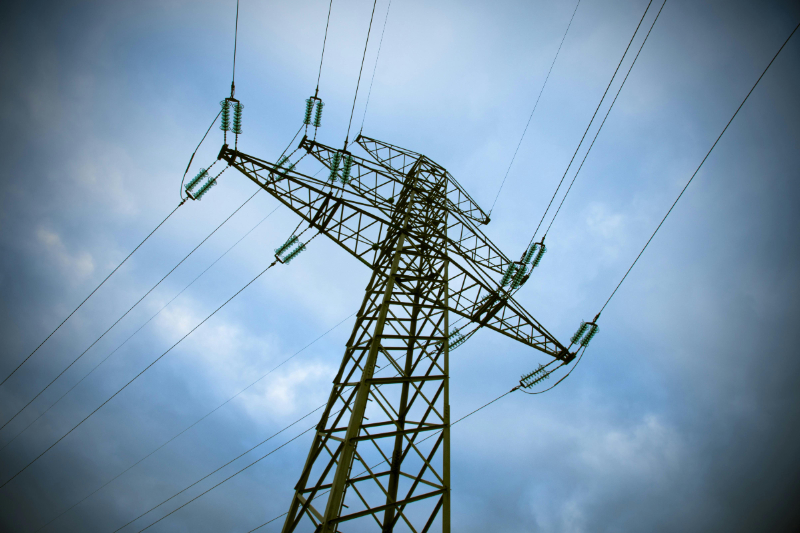
Cable-pooling
Cable-pooling enables multiple renewable generation assets, such as solar and wind, to share a single grid connection point rather than each constructing a separate one. Through digital controls and metering, participating plants coordinate their output to make better use of existing capacity. This smooths the combined generation profile and reduces the need for costly grid reinforcements or delays caused by connection constraints.
As power systems face rapid electrification and renewable expansion, grid bottlenecks have become a major barrier. The International Energy Agency highlights that nearly 80 million kilometers of new or upgraded power lines will be needed globally by 2040 if traditional connection models persist, even though much existing capacity remains underused.[1] Cable-pooling directly addresses this inefficiency by maximizing the use of current infrastructure. It allows developers to co-locate complementary resources – for example, daytime solar and nighttime wind – to deliver more stable output and support system flexibility.
Main outcomes of the solution
- Sustainability: Co-locating renewables assets and sharing infrastructure enables higher renewable penetration without expanding the grid, while reducing emissions and land use intensity.
- Affordability: Shared access to transmission or distribution capacity lowers capital cost by avoiding duplicate lines and reduces pressure on network upgrades, improving project- and system-level affordability.
- System Resilience: With diversified generation profiles and coordinated digital control, system operators gain enhanced ability to manage variable conditions and maintain operational stability.
Key deployment and scaling factors
- Complementary asset design: co-location of renewable assets (e.g., wind and solar) to achieve balanced generation profiles and maximize shared connection utilization.
- Standardized technical and metering requirements with consistent rules for measurement, data-sharing and cost allocation to enable transparency among participating assets.
- Clear operational governance and protocols for dispatch coordination, maintenance responsibilities and compliance with grid-code requirements.
- Regulatory frameworks with explicit provisions for shared grid connections to remove regulatory barriers to multi-asset interconnection.
- Digital grid management tools (e.g. real-time monitoring, forecasting and predictive analytics) to coordinate pooled assets and maintain system stability.
- Incentive and tariff mechanisms that reward shared-infrastructure use and help reduce project connection queues.
Case Study
Polish Government and Energy Regulatory Office (2023), Poland
In Poland, an amendment to the Renewable Energy Sources (RES) Act came into force on 1 October 2023, establishing a legal basis for cable-pooling.[2] The legislation enables multiple renewable installations to share a single grid connection point and related infrastructure, including use of pre-existing secured transmission capacity – for example, a photovoltaic plant operating via the connection of a previously developed wind farm, even if owned by different investors[3]. The reform was introduced in response to growing connection queues and capacity bottlenecks.
Under the new provisions, developers can pool connections for co-located solar and wind plants, subject to metering, balancing, and operational agreements approved by the Energy Regulatory Office. Participants must sign a joint rights/obligations agreement, appoint a single entity to represent them to the grid-operator/regulator, and designate a balancing entity.
Early implementation shows strong investor interest, as the analysis suggests that cable-pooling could enable up to 25 GW of additional renewable capacity in Poland without the need for new grid infrastructure, representing savings of approximately PLN 40 billion (≈USD 10 billion).[4]
Poland’s initiative aligns with broader European efforts to accelerate renewable deployment through smarter grid access, positioning cable-pooling as a replicable approach for integrated and flexible energy systems.
References: