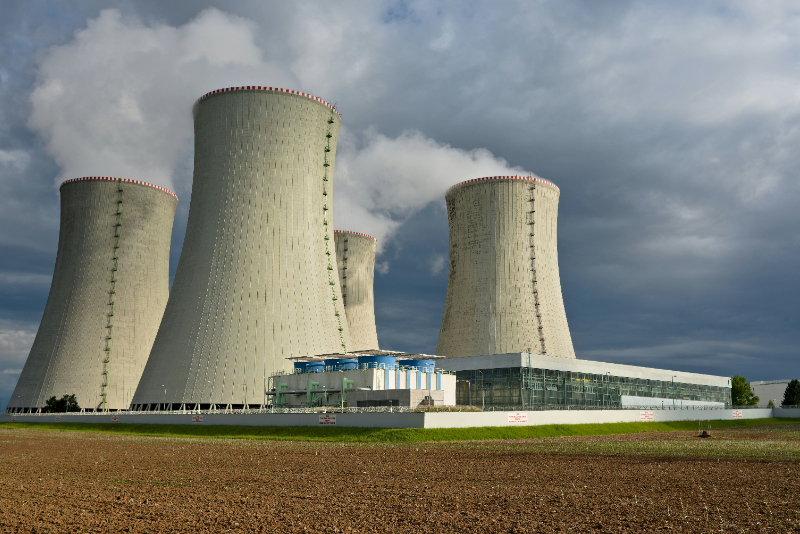
Nuclear-powered data center
A nuclear-powered data center combines stable nuclear electricity, high-efficiency computing infrastructure, and recovered thermal energy to support artificial intelligence workloads with lower carbon intensity and higher power reliability. The model connects a data center to nearby nuclear generation so that servers can run on continuous low-emissions power rather than relying only on grid electricity exposed to fossil fuel mix, congestion, or renewable intermittency. It also uses surplus heat or steam from nuclear operations to drive absorption cooling, district cooling, or other thermal systems that reduce the electricity normally consumed by conventional chillers. This matters because artificial intelligence training, cloud computing, and large-scale data storage require dense, uninterrupted power and significant cooling capacity. By pairing nuclear power with intelligent energy management, waste-heat utilization, advanced cooling, and digital operations control, the solution can lower power usage effectiveness, reduce grid stress, improve uptime, and create a scalable pathway for clean, resilient digital infrastructure in regions with existing or planned nuclear assets.
Main outcomes of the solution
- Reliability & Flexibility: The solution gives power systems a stable anchor load supplied by dispatchable, low-emissions nuclear generation. This reduces exposure to intermittent supply, grid congestion, and power quality fluctuations while supporting the continuous electricity profile required by artificial intelligence computing.
- System Resilience: By locating high-demand computing capacity close to firm generation and using integrated cooling systems, the solution reduces dependence on long-distance grid delivery and backup diesel generation. It strengthens continuity for critical digital infrastructure while easing pressure on transmission and distribution networks.
- Sustainability: The solution cuts power system emissions by shifting data center demand toward low-emissions electricity and reducing cooling-related electricity consumption through recovered heat or steam. It improves resource efficiency by turning surplus thermal energy into a useful input for data center temperature control.
Key deployment and scaling factors
- Site the data center close to nuclear generation with sufficient grid interconnection capacity and land-use approvals to reduce transmission constraints and improve supply continuity.
- Design cooling systems around recovered heat, steam-driven cooling, liquid cooling, or hybrid approaches from the start rather than retrofitting conventional electric chillers after construction.
- Align nuclear safety, cybersecurity, data protection, emergency planning, and critical infrastructure rules before scaling operations.
- Use long-term power and heat offtake contracts between the nuclear operator, data center owner, cloud customers, and grid operator to reduce investment risk.
- Phase new computing capacity with available power, cooling capacity, and local grid reinforcement to avoid creating new system bottlenecks.
Case study
Qinshan Nuclear Power Plant Co, China National Nuclear Research Institute and China National Nuclear Corporation (2023), China
The Qinshan Nuclear Industry Data Center in Haiyan County, Zhejiang Province, was developed by China National Nuclear Corporation and Qinshan Nuclear Power as a nuclear-powered digital infrastructure platform for China’s nuclear sector. Located inside the Qinshan nuclear power base, the project links high-reliability computing demand with one of China’s established nuclear generation sites, using the operating characteristics of nuclear power - stable output, high availability, and low operational carbon emissions - to support cloud services, artificial intelligence, big data, and nuclear production management systems. The facility was built to national Class A data center standards and planned as a secure, centralized platform for sector-wide digital operations.
Public project information states that the center occupies 15,000 square meters of land and follows a one-off planning and phased commissioning model. Its first phase brought four information technology module rooms and 506 standard cabinets into operation, with rapid expansion capacity for 300 additional cabinets and long-term reserved space for 1,200 more. The project demonstrates how nuclear operators can extend the value of nuclear assets beyond electricity generation by using firm clean power to host energy-intensive intelligent computing close to the source. Project-reported outcomes indicate annual clean electricity consumption of more than 175 million kilowatt-hours, annual carbon emissions reduction of 10,675 tonnes, and annual power cost savings of more than USD 3 million. The case shows how nuclear power can underpin resilient, low-carbon data center operations while supporting digital modernization across safety-critical industrial systems.
References:
- The Path to a New Era for Nuclear Energy – Analysis - IEA
- Energy supply for AI – Energy and AI – Analysis - IEA
- Executive summary – Nuclear Power and Secure Energy Transitions – Analysis - IEA
- Information provided to World Economic Forum by Qinshan Nuclear Power Plant Co (May 2026)
