Smart EV charging platform
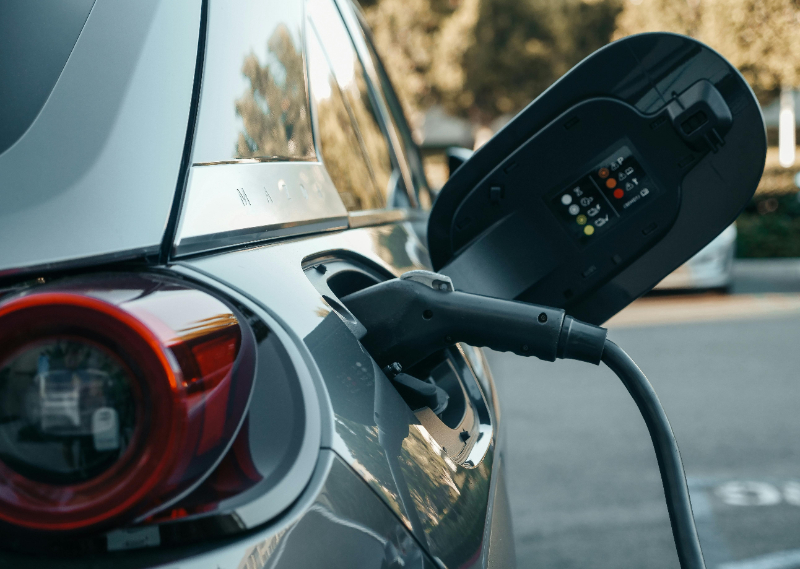
Smart electric vehicle (EV) charging platforms use software to schedule when EVs charge based on factors such as grid conditions, electricity prices and the availability of renewable energy. The goal of these systems is to reduce charging costs for drivers, shift charging to periods when electricity is cheaper or cleaner and help balance overall electricity demand on the grid. By adjusting charging times to align with low-cost or low-carbon periods, smart charging platforms can support the integration of variable renewable generation and ease pressure on the grid during peak hours. Smart charging not only saves money for participating EV drivers but also creates a cost-avoidance opportunity for the grid. Utilities can pass these savings on to all ratepayers/customers, including non-EV drivers.
These platforms typically link connected vehicles or home charging equipment with optimization algorithms that determine suitable charging windows, using information from utilities, grid operators and tariff structures. In most implementations, charging control is triggered at plug-in and adjusts charging start times rather than continuously modulating power, relying on vehicle connectivity or smart chargers rather than direct grid control. Smart charging is being tested and deployed through pilot programs and broader rollouts where drivers can benefit from lower energy costs and reduced emissions associated with charging.
Main outcomes of the solution
- Affordability: Reduces charging costs for EV drivers by scheduling charging during periods when electricity prices are lower, subject to tariff design and user participation.
- Reliability & Flexibility: Improves alignment of EV charging demand with grid conditions, helping to balance load and reduce strain during peak periods.
- Business Value: Provides utilities, automakers and service providers with operational levers to manage EV charging demand through software-based scheduling, reducing exposure to peak demand costs, improving load visibility and enabling customer-facing services that support retention and demand management.
Key deployment and scaling factors
- Enable connected vehicle or smart charger integration to allow automated scheduling of charging at plug-in.
- Provide access to grid and tariff signals, including price information, demand conditions and renewable availability.
- Deploy optimisation software platforms that coordinate charging schedules while respecting user preferences and constraints.
- Design customer incentive mechanisms that reward participation through lower-cost or lower-carbon charging periods.
Case Study
Jaguar Land Rover and ev.energy (2025), United Kingdom
In July 2025, Jaguar Land Rover (JLR), with support from its corporate venture arm InMotion Ventures, launched a pilot program with the smart charging software provider ev.energy in the United Kingdom. The pilot involved 10 Jaguar I-PACE electric vehicles using ev.energy’s platform to schedule charging based on electricity prices, grid conditions and renewable generation availability. The pilot focused on testing vehicle integration, user experience and the feasibility of automated smart charging within JLR’s ecosystem.
Separately, ev.energy reported that its managed charging service in the UK delivered average savings of £166 per participating driver and 489 tonnes of avoided carbon emissions over a 12-month period, by shifting charging to off-peak and high-renewable periods across its broader user base. These results provide contextual evidence of the potential consumer and system benefits of smart charging at scale.
Following the pilot phase, JLR and ev.energy indicated plans to expand smart charging functionality to additional drivers in the United Kingdom, the United States and the European Union.[1,2]
References: