At the core of all our actions are humans making imperfect, biased decisions. Due to their complexity, scale and time horizon, decisions on how to act to protect nature and climate are particularly prone to such biases which lead to suboptimal decision making and action.
How can we ensure that we apply our best scientific understanding of human behaviours and decision making to support action for the environment?

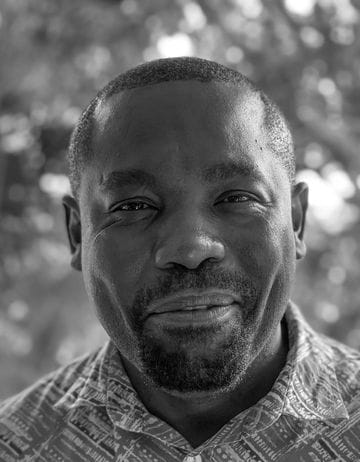
Chief Executive Officer, Busara Center for Behavioral Economics

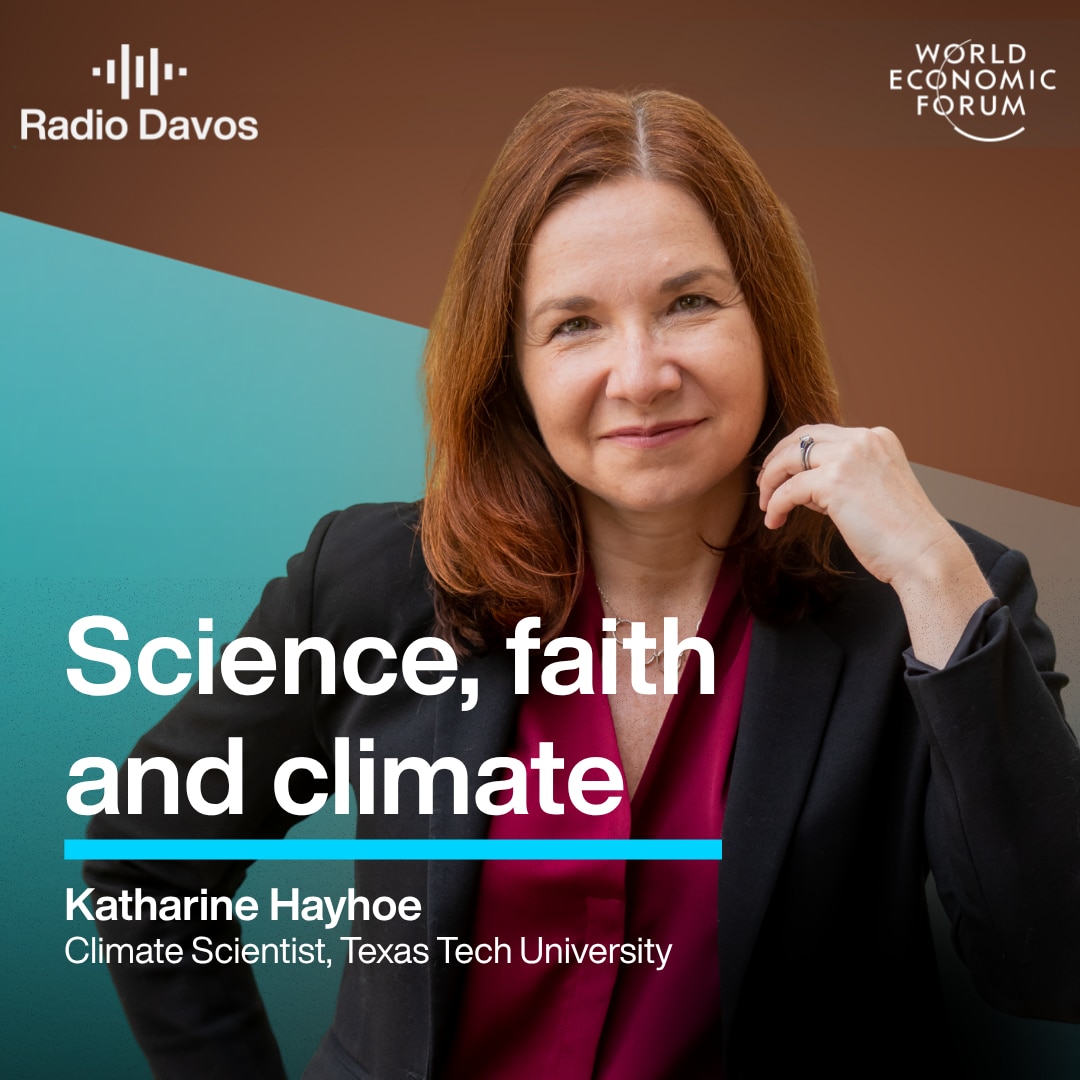
Paul Whitfield Horn Distinguished Professor and Endowed Chair in Public Policy, Texas Tech University

Centre for Nature and Climate, World Economic Forum
The network convenes over 700 experts from academia, business, government, civil society and international organizations, operating as a time-bound think-tank, grouped in expertise-based thematic councils, to identify and disseminate transformative ideas with the potential for positive global impact.