Hoffmann Fellowship
The Hoffmann Leaders for Planetary Futures programme builds on the legacy of the Hoffmann Fellowship, which connected academic research to public-private collaboration.
Meaningful Outcomes Determine the Winners of the Health AI Race
Robin van Kessel, Hoffmann Fellow on the Future of Health Systems
Global investment in healthcare AI exceeded $18 billion in 2025, yet health systems still lack a shared understanding of the outcomes that investment should deliver.
This white paper – developed in collaboration with LSE Health – argues that success in the health AI race will be determined not by technological sophistication but by which systems first identify and pursue the outcomes that matter most to patients, professionals and health systems.
Water-BOOST: Enabling Innovation for Future-Ready Cities
Pepe Puchol Salort, Hoffmann Fellow on Water Innovation
Cities face growing pressures from climate change, urbanization and increasing water insecurity. Yet many promising solutions remain fragmented, underfunded or unable to scale due to weak systemic conditions.
This insight report – developed in collaboration with Imperial College London – presents the Water-BOOST framework, a systems-based approach that helps governments, regulators, entrepreneurs and funders strengthen the enabling environments that allow innovation to scale and create lasting impact.
Governing Marine Biodiversity Beyond National Jurisdiction: Roles and Opportunities for the Private Sector
Katherine Crosman, Hoffmann Fellow on Big Ocean Data
The entry into force of the “Agreement under the United Nations Convention on the Law of the Sea on the Conservation and Sustainable Use of Marine Biological Diversity of Areas beyond National Jurisdiction” (BBNJ Agreement) marks a historic moment. This white paper – in partnership with the Norwegian University of Science and Technology – presents practical insights into the agreement’s implications from companies operating in these areas.
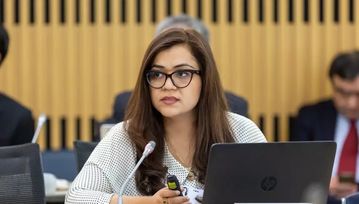
Hina Aslam
Circular Economy Policy
Australian National University, Australia
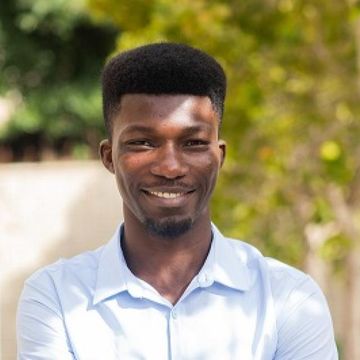
Elkanah Babatunde
Social Innovation in Climate Adaptation
University of Cape Town, South Africa
Annie Brett
Ocean
Stanford University, USA
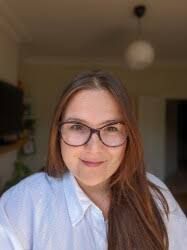
Nicole Cowell
Clean Air
Imperial College London, United Kingdom
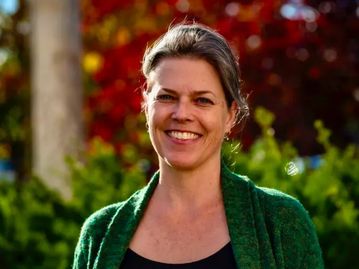
Kate Crosman
Big Ocean Data
Norwegian University of Science and Technology
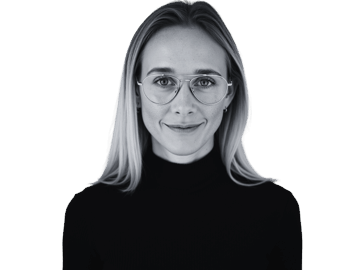
Jessica Crow
Assessing Business Risk from Climate Change
University of Cambridge, United Kingdom

Kevin Doxzen
Precision Medicine
Arizona State University, USA
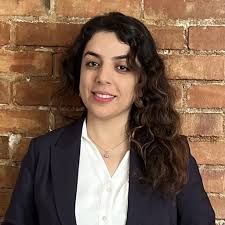
Elaheh Ghasemi
Forest Economy
University of British Columbia, Canada
Alfredo Giron
Ocean
Stanford University, USA
Jasmina Holst
Future-Ready Manufacturing
ETH Zurich, Switzerland

Mel Hua
Circular Economy
INSEAD, France
Emily Kelly
Ocean
Stanford University, USA
Michael Kent
Partnerships for Nature & Climate
Singapore University of Social Sciences, Singapore
Robin van Kessel
Future of Health Systems
London School of Economics, United Kingdom

Shinnosuke Komiya
Visual Technologies
University of Tokyo, Japan

Chaoqiong Li
Natural Capital Accounting
Chinese Academy of Sciences, China
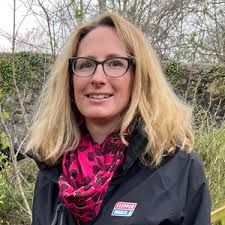
Helen Millman
The Poles
University of Exeter, United Kingdom

Josheena Naggea
Small Scale Fisheries and Aquaculture
Stanford University, USA
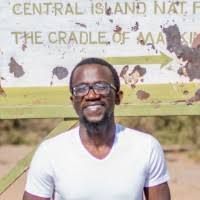
Levi Orero
Data & Digital, Food & Water
LUISS Guido Carli, Italy
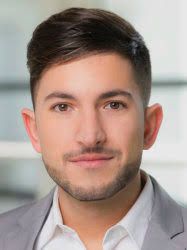
Pepe Puchol-Salort
Water Innovation
Imperial College London, United Kingdom
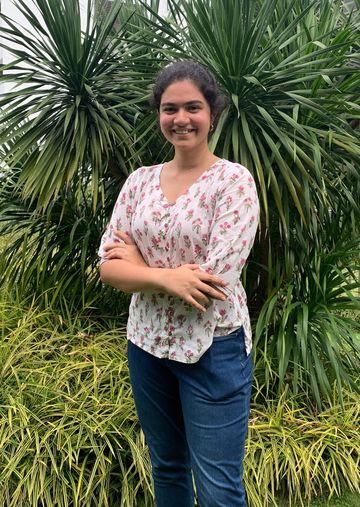
Anushka Rege
Nature Action Agenda
National University of Singapore
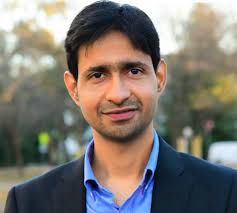
Chitresh Saraswat
Innovation in Climate Adaptation
Australian National University, USA
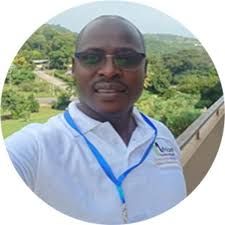
Darlington Sibanda
Social Innovation in Climate Adaptation
University of Cape Town, South Africa
Steve Smith
Positive Tipping Points
University of Exeter, United Kingdom
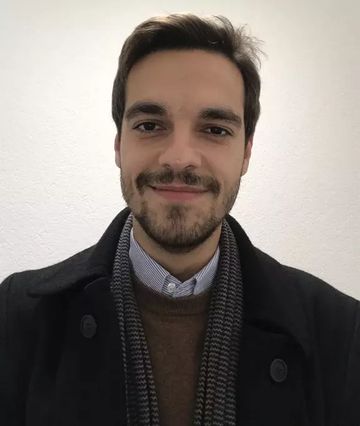
Felipe Vizzoto
Food Systems and Data
INSEAD, France
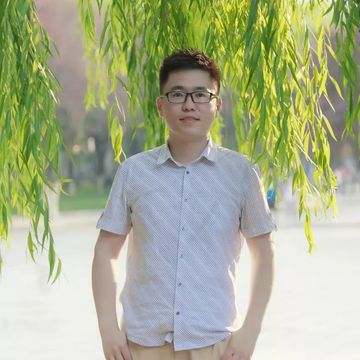
Daoping Wang
Assessing Business Risk from Climate Change
University of Cambridge, United Kingdom
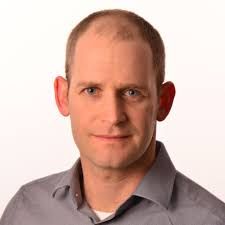
Hatzav Yoffe
Buildings & Climate Change
Tel Aviv University, Israel
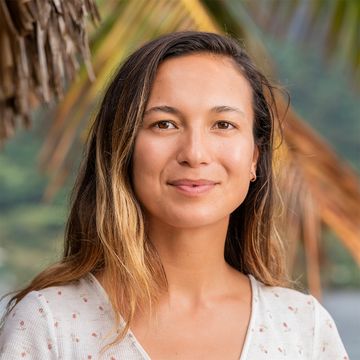
Lily Zhao
Ocean Equity and Just Transition
Smithsonian Tropical Research Institute, Panama
I have learnt a lot about how to work independently and how to come up with a project. I am particularly proud of the white paper I produced with Arizona State University and many experts on how we can accelerate global access to gene therapies in low and middle-income countries."

Kevin Doxzen
Arizona State University, Precision Medicine Fellow (2021-2023)
The Fellowship was a bridge for me from my academic career into a career in conservation strategy. I can't imagine a more powerful launch pad for this than the Forum, nor a more seamless transition between having a two-year hybrid position to allow me to get my feet wet."
Emily Kelly
Stanford University, Ocean Innovation Fellow (2019-2021)
"I had an amazing experience during the two years of the Fellowship! This programme allowed me to initially work as Programme Lead on the Ocean Action Agenda before transitioning to Head of Ocean at the Forum, allowing me to grow and drive impactful change."
Alfredo Giron
Stanford University, Ocean Innovation Fellow (2020-2022)