Call to Action - Commitments

Discover all the commitments made to date by our Call to Action partners. Progress on these commitments is tracked and updated annually using a methodology developed in partnership with the Boston Consulting Group. 

The next Call to Action progress update, featuring the endorsing organizations, will take place during the World Economic Forum's Annual Meeting of 2027 in Davos-Klosters, Switzerland. It will create a powerful opportunity to shine a global spotlight on endorsers’ contributions, elevate best practices, and reinforce momentum for collective impact.

Featured commitments

2024 Investments in frontier markets 

Proparco

In 2024, Proparco reaffirmed its commitment to investing in frontier markets with a renewed dedicated strategy approved in April 2024 and additional commitments totaling more than 474 million EUR in frontier markets (LDCs and/or FCS countries), including approx. 282 million EUR in Fragile and Conflict Affected States in 2024. 

Notable investments included €19.5 million for the first independent solar power plant in Chad, contributing to the country’s renewable energy transition, and a partnership with Grameen Credit Agricole Foundation to support two microfinance institutions in Uganda. This initiative aims in particular to enhance financial services for refugees and host communities.

HRI Roadmap for Africa 

African Development Bank

The African Development Bank (AfDB)  partnered with the HRI initiative to develop the HRI Roadmap for Africa, a collaborative framework to mobilize investments in Africa’s frontier markets. It seeks to address the persistent challenges of underinvestment and vulnerability in fragile regions by fostering partnerships between local ecosystem in support of investment opportunities in these markets.

Between 2025 and 2026 the AfDB and HRI Initiative teams will focus on establishing the internal coordination mechanisms to launch up to five Country Alliances and refine the approach based on lessons learned. Between 2027 and 2030 the refined Roadmap will be implemented through up to ten Country Alliances.

Sharia-compliant credit fund

One Earth Future

One Earth Future (OEF) provides growth capital and technical assistance to SMEs in fragile and conflict-affected settings, utilizing a sharia-compliant private credit fund structure. Between now and 2030, OEF intends to place $200 million with 220 SMEs in fragile and conflict-affected settings.

The investments will focus on East Africa, in sectors including Agribusiness, education, health, light industry, renewables, re-greening, waste management, water and sanitation. OEF believes that, with the right support, SMEs can be a driving force for peace and prosperity in their countries.
Commitments

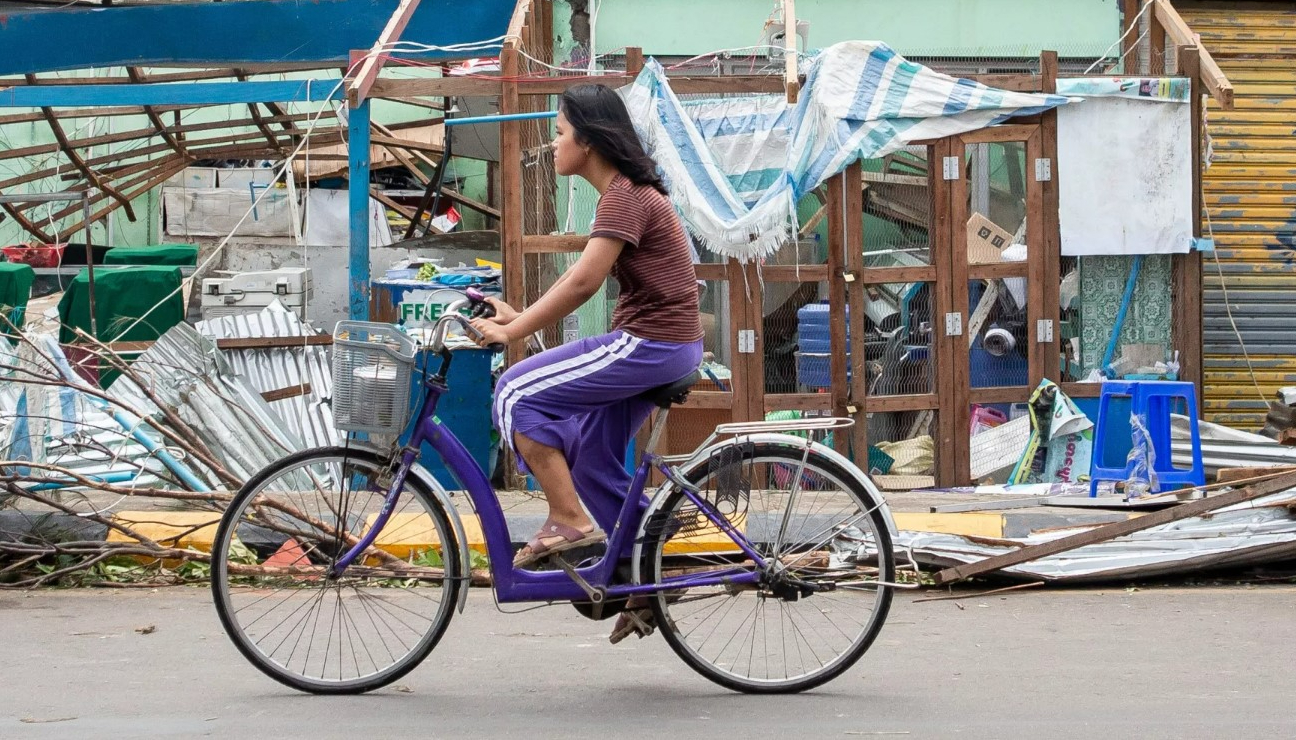
2024 update:Investments made: 3Capital budgeted to be invested: $4 millionCapital disbursed: $925,000Impact to date: Access to farming training and essential goods (farming inputs) provided to 1,800 smallholder farmers in refugee hosting districts.Impact expected:  Over 16,000 refugees and host communities to be reached across access to key goods & services (farming inputs) and access to decent livelihoods (joining agribusiness supply chain).Commitment:The Refugee Investment Facility is a collaboration between the Danish Refugee Council and iGravity created to channel capital and technical assistance to private enterprises in refugee hosting areas to support and incentivize their positive impact on job creation, skills development, and access to products and services for refugees and their host communities. The Refugee Investment Facility will invest in a minimum of 10 refugee supporting business across Uganda and Jordan (and potentially other countries affected by forced displacement) by 2027, reaching a minimum of 27,000 refugees and host community members through the business activities of its investees.Partners: iGravity, IKEA Foundation, the Conrad N. Hilton Foundation, the Novo Nordisk Foundation, ECHO – EU Humanitarian Aid, The Danish Ministry of Foreign Affairs (Danida) and Cabrini World - Missionary Sisters of the Sacred Heart of Jesus.
Jordan, Uganda | Financial services
Refugee Investment Facility
Danish Refugee Council, Danish International Development Agency (DANIDA), Directorate-General for European Civil Protection and Humanitarian Aid Operations (DG ECHO), Novo Nordisk Foundation, Conrad N. Hilton Foundation, IKEA Foundation, IGravity
2024 update:In January 2023, UNICEF launched the Today and Tomorrow Initiative (TTI), which has received since its launch three industry awards for innovation. The ultimate goal of the TTI is to reduce the number of children directly impacted by climate-related disasters and to build the resilience of children, households, and communities to multiple hazards. The Initiative delivers financial and technical assistance to reduce children’s exposure and vulnerability to climate change and disasters, engages children and young people in solutions, and strengthens essential social systems and services for children. The Initiative is designed to help narrow the climate and disaster protection gap for vulnerable children and communities and to increase the speed, quantity, and quality of climate and disaster risk finance (DRF) targeted for children. As of the end of Year 1, much progress has been achieved, including the following highlights: Placing TTI’s parametric insurance: To place the bespoke parametric insurance for the 3-year pilot, UNICEF undertook an open and inclusive due diligence and brokering process under its Rules and Regulations during Year 1. This resulted in a in highly efficient pricing at the lowest possible end of a competitive global reinsurance market. With the help of leading firm WTW, participating insurers XL Insurance Company SE, Allianz Risk Transfer, Lloyd’s Syndicate 033 (Hiscox), Lloyd’s Syndicate 1458 (Renaissance Re), and Liberty Mutual Insurance Europe SE are providing a combined cover of US$ 99,613,645 as of the end of Year 1, to cover up to an estimated 13.5 million children and families in TTI’s current 8 target countries. Institutionalization: The TTI is a flagship initiative under UNICEF’s Sustainability & Climate Change Action Plan (SCAP) 2023-2030, launched in November 2023. As exemplified by TTI, sustainable and innovative financing is pivotal to realizing SCAP’s ambitious goals, which include directly supporting 30 million children across 100 countries by 2030 through integrated climate change adaptation and disaster risk reduction solutions. Speed of TTI payouts for use in the field: Through developing and refining TTI’s operating procedures and processes agency-wide, by the end of Year 1 UNICEF was able to accelerate the release of TTI payout funds to the field to within 36-72 hours from an event payout notification. This improvement highlights the substantial reduction in time needed to release funds to country offices, enabling more immediate funding for responses after a cyclone. This strategic achievement was made possible through strong collaboration with our private sector partners, marking the first time that UNICEF and the insurance industry have worked together in this way. Global recognition: The TTI has gained significant global recognition, winning three major awards with its partner WTW: the AXCO Global Insurance Award: Excellence in Global Programmes, the Sustainable Insurance Initiative of the Year Award at Insurance ERM’s inaugural Climate Risk & Sustainability Awards 2023 and the Systemic Risk Solution of the Year Award at the European Risk Management Awards. The TTI was also featured at COP28 in Dubai, the 2024 World Economic Forum in Davos, and highlighted in a UNFCCC submission supporting the Loss and Damage Fund. Impact:UNICEF has paired the insurance payouts with US$ 6.9 million in resources for DRR, CCA, and anticipatory action interventions in the 8 pilot countries. This achievement was made possible by embedding the TTI as a flagship under UNICEF’s SCAP (2023-2030), ensuring that funds are effectively utilized to meet our target to directly support 30 million children in 100 countries with integrated climate change adaptation and disaster risk reduction solutions by 2030. These investments have enabled UNICEF to reduce disaster risks for children and build multi-sectoral resilience across the pilot countries by working closely with line ministries to strengthen government systems, including the shock responsiveness of key social services. Vulnerable children and communities in 8 countries were directly supported with climate resilience measures, including: - Climate-resilient, low-carbon healthcare facilities and healthcare services - Climate-resilient WASH facilities and services - Climate-resilient schools and education services - Climate-adaptive and/or shock-responsive social protection systems for vulnerable children and households in areas affected by cyclones and other climate hazards - Climate-information systems including subnational children’s climate risk data - Child-responsive preparedness and early warning - Capacity development and participatory mechanisms for children and young people to engage in DRR and green economy solutions - Child sensitive climate and DRR policies  Through the tomorrow component UNICEF provides protection to children, women, and families through its climate risk insurance instrument for up to 13.5 million people in 8 countries across East and Southern Africa, Latin America, Asia, and the Pacific. In 6 of the 8 pilot countries, the cyclone policy triggered over US$ 4 million in insurance payouts during the 2023 period. 327,266 children, women, and vulnerable people directly benefitted from multisectoral disaster response and recovery. Interventions included: WASH, Nutrition, Education, Health, Humanitarian Cash Assistance, Transport/logistics, contingency supplies.   Commitment:Today and Tomorrow Initiative (TTI) is the world’s first integrated climate and disaster risk finance instrument specifically targeted and designed for children. This climate financing solution uniquely combines climate resilience and risk prevention programmes “today” with an untraditional, innovative use of disaster risk transfer provided by the insurance market, which, in turn, invests in extra protection for children against the impact of cyclone events “tomorrow.” With partners, UNICEF will take this holistic risk financing solution to scale, reaching additional geographies and providing protection for children from other climate change driven hazards, building TTI into a Global Child-focused Climate and Disaster Finance Platform.Already, the TTI pilot provides up to US$100M in insurance coverage against cyclones for 8 countries over 3 years. Over US$3.9M in insurance payouts has already been generated for 6 of the 8 pilot countries1 affected by nine cyclones in 2023. These payout funds are being utilized to supplement immediate disaster response, recovery and building back better efforts in partnership with governments to protect children/communities from future shocks. The Global Child-focused Climate and Disaster Finance Platform's expansion will address other natural hazards, including floods, drought, and heatwaves across at-risk countries, where
Financial services
Today and tomorrow Initiative (TTI)
United Nations Children's Fund (UNICEF)
2024 Update:To further the adoption of the Child-lens Investing Framework (CLIF) in development context, UNICEF has signed a Memorandum of Understanding with Finnfund - the Finnish Development Finance Institution (DFI) to explore pathways to implement the CLIF and foster positive outcomes for children, particularly in the areas of digitalization and education. Moreover, UNICEF has initiated discussions with several other DFIs and impact investors to explore adoption of child-lens investing. UNICEF (Innovative Finance Hub together with UNICEF USA) aims to continue to build this new field of investing and a Community of Practice of anchor investors/adopters of child-lens investing. In October 2024, child-lens investing which was developed was internationally recognized and was selected as one of TIME Best Inventions 2024. Commitment:Enhancing the CLIF involves tailoring sector-specific and thematic directives to address children's challenges in frontier markets, protracted crisis, and fragile states. Investment criteria with focus on children to attract private capital are not necessarily useful in fragile and humanitarian context. This initiative bridges the gap between key investment strategies and areas affecting children, such as agriculture's impact on stunting, malnutrition, and food diversity, relevant facets of WASH for child welfare, digital infrastructure's influence on learning outcomes, and identified gaps. While familiar to UNICEF and experts, translating this knowledge into investor guidance is ground-breaking. It highlights varying impacts of business types within industries and identifies optimal products and solutions for child-centric investment, previously unexplored in the humanitarian and protracted crisis context.Creating user-friendly, aligned investor guidance tailored for children in humanitarian setting will amplify resources for impact investment. Through comprehensive market studies and engagement in global forums, it's evident that investments targeting child-focused impact are appealing to many investors. To ensure sustainability in frontier markets, CLIF and risk mitigation tools which are relevant and applicable in fragile and humanitarian context is essential for a consistent investment pipeline.
Financial services
Child-Lens Investing Framework (CLIF)
United Nations Children's Fund (UNICEF)
2024 Update:Innovative collaboration with the private sector is needed to achieve SDG 6. In line with the commitment to catalyze additional private funding in low income countries the Swiss Agency for Development and Cooperation (SDC) invested in 2024, EUR 5 million in the Water Access Acceleration Fund (W2AF). The W2AF is the first “impact first” private equity fund aiming at enhancing access to safe and affordable drinking water by investing in innovative water companies in developing countries primarily in Asia and Sub-Saharan Africa. By providing an exchange rate currency risk absorption mechanism, Switzerland supports investments in least developed countries (LDCs) where the investment gap is the biggest and fosters its role as a provider of innovative finance in support of the SDGs including in frontier markets. This investment complements two other investments in structured funds, all of them with a particular focus on least development countries. Commitment:The SDC Investment Credit will invest 4.9 million CHF of catalytic funds into 1-2 ventures in 2024, as a key instrument of SDC’s strategy to scale up private sector engagement and unlock additional return-seeking capital. The Investment Credit serves as a catalyst for innovation and skill development by encouraging fresh approaches fostered by the private sector. It targets LDCs and neglected sectors, aiming to draw in private capital for achieving the SDGs, thereby supporting sustainable progress and societal benefits. This initiative is a central element of SDC's strategy to increase private sector investment in particular in local SMEs in alignment with the SDGs. Commitment to leveraging private funds and innovative projects ensures impactful results in these focus areas, guided by stringent investment criteria and rigorous impact assessments.
Financial services
Investment Credit
Swiss Agency for Development and Cooperation (SDC)
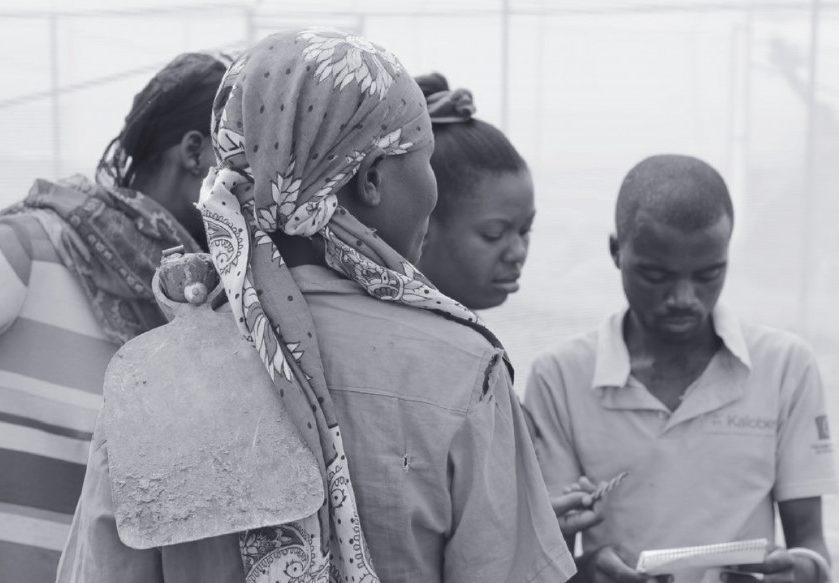
Resilient Investment in Southern Africa (RISA) will be a combined technical assistance facility (10M) and investment facility (80M) managed by: • UNIDO, a specialized UN agency with 55+ years experience in delivering technical assistance and a pipeline of +30M projects in the region, and • Camco, an SSA-focused, market leading climate impact fund manager with USD +120M AUM. RISA will increase food security and the climate resilience of agricultural value chains in the highly climate vulnerable SADC region by providing early-stage and growth capital (convertible note, equity and debt) to climate adaptation SMEs, and technical assistance to de-risk the investments and support SMEs articulate & measure their impact.Partners: Camco
Africa | Food & agriculture, Financial services
Resilient Investment in Southern Africa (RISA)
United Nations Industrial Development Organization (UNIDO)
2024 update:The African Development Bank (AfDB) partnered with the HRI initiative to develop the HRI Roadmap for Africa, a collaborative framework to mobilize investments in Africa’s frontier markets. It seeks to address the persistent challenges of underinvestment and vulnerability in fragile regions by fostering partnerships between local ecosystem in support of investment opportunities in these markets.Between 2025 and 2026 the AfDB and HRI Initiative teams will focus on establishing the internal coordination mechanisms to launch up to five Country Alliances and refine the approach based on lessons learned. Between 2027 and 2030 the refined Roadmap will be implemented through up to ten Country Alliances.CommitmentThe Bank, leveraging its deep understanding of the African continent, will work with WEF and other partners to conduct a study that provides a roadmap to advance the HRI initiative in Africa.The study aims to define the HRI's frontier market definition more concretely in the context of Africa and recommending priority frontier markets and sectors based on objective criteria and match these with stakeholder interests and areas of focus. It will also focus on establishing mechanisms to track progress on the Call to Action. This includes defining key impact or outcome indicators to track actions from partners, determining the logistical aspects of this tracking, and establishing the frequency at which progress will be monitored. Additionally, the study will identify milestones and outputs to effectively communicate this progress and capture success stories, thereby contributing to the broader ecosystem's understanding of the initiative's impact.A significant aspect of the study involves defining an approach to bring partners together across the investment continuum in selected markets. This is essential for unlocking investment opportunities both in the short and long term.In summary, the objective of this study is to provide a strategic roadmap for advancing the HRI initiative in Africa and to harness the collaborative efforts of the AfDB and WEF. The study’s outcomes will play a crucial role in shaping the implementation plan for HRI initiatives in Africa, identifying priority markets, tracking progress, and fostering collaborative investment opportunities, ultimately contributing to the welfare and resilience of vulnerable communities across the continent.Partners: World Economic Forum
Africa
HRI Roadmap for Africa
African Development Bank Group
The AfDB is actively engaged with Enterprise Support Organizations (ESOs) and investment funds that possess a repository of viable projects and enterprises. This collaborative effort aims to identify strong investment pipelines, enhance their investment readiness, and provide essential technical support to these enterprises. The Bank, especially through the Entrepreneurship Lab, works very closely with ESOs that work directly with enterprises and train them in business development and essential skills. The Bank occupies a unique position to align investor expectations with enterprise pipeline development through this. Given the Bank's unique position, bridging both the demand and supply sides of the market, it can effectively introduce compelling investment opportunities to prospective investors in the context of HRI. Expected outcomes: 1.	The Entrepreneurship Lab will leverage its network of ESOs and the ecosystem in HRI countries. The multiplier effect of training ESOs that directly interact with enterprises will increase the capacity of entrepreneurs in critical business skills and meeting the requirements of HRI investors. This will eventually increase access to finance for entrepreneurs working in this area within the continent.2.	The Bank through these collaborative efforts will be able to contribute to develop a strong pipeline of bankable HRI investment opportunities and match them with HRI investors in its network.
Africa
Collaboration with ESOs and Investment partners
African Development Bank Group
The World Bank's Refugee Employment Advancement Program (REAP) is an outcome based funding model designed to foster the establishment of robust private sector-driven employment and entrepreneurship opportunities for both refugee and host communities within the Horn of Africa (HoA). Designed by a consortium of the Refugee Investment Network, Village Enterprise, and Global Development Incubator, the model integrates various financial instruments, including impact investing, results-based financing, public-private partnerships, and contributions from both the private sector and aid organizations. The overarching goal is to generate high-quality, market-oriented employment and entrepreneurship prospects for refugee and host communities in the HoA. REAP's objective is to empower refugees and host communities by elevating employment quality and localizing job creation, thereby building resilience and long-term self sufficiency. It pioneers a shift from traditional development assistance to private sector-driven financing and transfers financial risk away from scarce public resources. Simultaneously, by tying funding to outcomes, outcome based funding incentivizes performance and innovation by service providers. By actively de-risking opportunities, REAP will also attract impact investors, encouraging the infusion of vital capital that generates transformative opportunities for refugee and host communities.Partners: World Bank, Village Enteprise, Global Development Incubator
Kenya, Ethiopia | Financial services
Refugee Employment Advancement Program (REAP) Outcomes Fund
Refugee Investment Network, World Bank Group, Global Development Incubator
2024 update:The white paper published in January 2024 established IRC as a leader on the topic, and informed subsequent papers from the World Bank, as well as enabled engagement with key government donors to educate and support the use of this transaction to address social outcomes.Impact: Policy shift, greater awareness and recognition of this transaction as a tool to address rising sovereign debt and underfunded social outcomes.Commitment:IRC is aiming to replicate an innovative transaction to refinance sovereign debt in fragile contexts, resulting in new funding streams for communities at the frontlines of conflict and the climate crisis. Based on recent examples of sovereign ‘debt for nature’ restructuring, we propose a ‘humanitarian debt swap’ that will help targeted countries restructure outstanding below investment-grade commercial sovereign debt, freeing up hundreds of millions of dollars for conflict-affected, refugee-hosting, climate-prone communities. Adopting this proposal for wide use could infuse millions of dollars of private capital into the humanitarian system. Using the ‘blue bonds’ Ecuador example, depending on a country’s debt profile, each transaction could buy back over 1B USD of sovereign debt in exchange for an estimated 300M USD towards new aid to be disbursed over a ten-year period, or longer. The IRC is looking for partners to further develop this initiative in 2024 — please feel free to forward to those that would be interested.
Financial services
Humanitarian Debt Swap
International Rescue Committee
PROPARCO is drafting a new roadmap on “Investing in Frontier Markets 2024-27” in line PROPARCO’s 2023-27 strategy, asserting our ambition to invest in Fragile Countries and to collaborate with humanitarian agencies. The renewed strategy will:1.	Anchor the role of partners from the humanitarian world (HRI, ICRC, international NGOs) in addition to existing DFI partnerships on fragile countries2.	Mobilizing specific funds to be used on a multi-sector basis.
Financial services
Roadmap for investing in frontier markets
Proparco
AFD has allocated 10m EUR to support entrepreneurial initiatives led by women and supports the Iraqi ecosystem that accompanies them,through: - Support to the CSOs and to the ecosystem supporting women entrepreneurship - Support to the creation and development of businesses
Iraq | Financial services
Women Economic Empowerment
Agence Française de Développement (French Development Agency) - AFD
AFD has allocated 12m EUR to support entrepreneurial initiatives led by women and supports the Congolese public-private ecosystem that accompanies them, through:- Support Congolese public-private actors involved in women's entrepreneurship, including ministries, agencies, business incubators, and women's business networks, in order to improve the services they offer to women- Technical and financial support to women entrepreneurs - Promotion of success stories around women's entrepreneurship in order to raise awareness and promote models of women entrepreneurs.
Democratic Republic of the Congo | Financial services
Pour Elles: Support to Women Entrepreneurs
Agence Française de Développement (French Development Agency) - AFD
2024 Update:With the support of country partners and the Kenyan government, the initiative consolidated existing market and needs assessments, convened local investors and market development actors active in the region, and identified a USD 400 million investment pipeline.In 2025, we plan to start tackling identified investment challenges, and connect identified investment opportunities with relevant capital providers, with the support of country partners.Commitment:Spearheaded by the Kenyan Government and the United States Government, top organisations including The African Development Bank (AFDB), Bamboo Capital Partners, CrossBoundary, IKEA Foundation, ODI, and the World Bank Group are coming together to support favorable market conditions to pilot a new approach to help scale a pipeline of businesses in Northern Kenya. The HRI initiative together with its Call to Action partners plan to implement this approach in nine additional frontier markets by 2030. 
Kenya
Northen Kenya Joint Initiative
Kenya Government, US Agency for International Development (USAID), ODI Global, Bamboo Capital Partners, IKEA Foundation, African Development Bank Group, World Bank Group, International Finance Corporation
AfricInvest has forged a strategic collaboration with Bridgespan, supported by DEG Impact, to develop an innovative Impact Measurement and Management (IMM) methodology, known as the Multiple of Impact (MOI), which quantifies the value created by social and environmental initiatives. The MOI approach represents an advancement and customization of the monetization method that Bridgespan and TPG Rise co-developed and published on in Harvard Business Review back in 2017. Functioning much like an Internal Rate of Return, MOI assesses the environmental and social value generated per dollar invested. It captures both the beneficial and adverse impacts, essential in navigating the realities of a Just Net Zero transition. The MOI initiative supports three key capabilities: 1.	Comprehensive Measurement: It yields a singular figure that encompass both positive and negative social and environmental impacts generated by an investment. 2.	Impact Drivers: It identifies which products, services, or activities drive the greatest impact, offering valuable insights into optimizing strategies. 3.	Streamlined Reporting: The MOI enables rigorous, apples-to-apples reporting, allowing investors like AfricInvest to measure and compare the impact of investments in a streamlined manner. It aggregates data without compromising essential details that inform decision-making. AfricInvest and Bridgespan are convening a working group to further advance the methodology and promote broader implementation of MOI in the African market. This working group, comprising stakeholders, has two primary objectives: 1) Enhancing the technical approach of the MOI, and 2) Strategizing on how to broadly translate the MOI concept to the field, with a specific focus on adapting it to the African continent.Supporting partners include: Bridgespan, DEG Impact 
Monetizing and Measuring Impact
AfricInvest, Bridgespan Group
By 2030, elea aims to triple its impact by collaborating with 100 impact entrepreneurs to reach more than 100m people. elea will continue investing in inspiring entrepreneurs working across topics and regions to bring transformational change in people’s life trajectories. Key levers to triple elea’s impact include growing regional hubs in South Africa and Mexico, reinvesting capital from exits, and fostering an ecosystem of sharing and learning in the elea Entrepreneurs’ Community.Picture copyright David Brazier & Bio Innovation Zimbabwe
ASEAN, Africa, Latin America | Food & agriculture, Health, Energy, Food & Retail, Retail, Supply Chain & Transportation, Technology
Impact through entrepreneurship
elea Foundation for Ethics in Globalization
Building on its proven track record of leveraging its convening power to establish innovative networks, address market barriers, and share actionable insights, Lightrock aims to bring together high-potential frontier market companies and broader ecosystem participants in 2024, with a specific focus on Africa. The primary objective is to educate founders and operators on sustainable business scaling while maintaining profitability. This knowledge-sharing effort seeks to tap into Lightrock's extensive experience in scaling purpose-driven companies, with a particular emphasis on the unique challenges and opportunities present in the African market. Insights from its portfolio company founders, many of whom are leaders in their respective markets, will play a crucial role. These founders have successfully closed some of the largest funding rounds for growth-stage companies in their specific frontier markets across the continent. The initiative is designed to offer clear and actionable guidance for African companies developing growth and talent retention strategies. Additionally, it will provide insights into the critical factors for successful fundraising and navigating M&A opportunities within the African business landscape. The support and assistance for these companies will be delivered through a program of in-person and virtual engagements.
Africa
Lightrock Africa Ecosystem Convening 2024
Lightrock
Finance for Peace works with partners to catalyse a market for peace-positive investment. Peace-positive investment can de-risk investments in emerging markets and fragile settings for both investors and communities. An initiative of Interpeace, Finance for Peace works collectively with partners to create standards, market intelligence and partnerships across sectors to build trust in the market, share knowledge and establish networks. In 2024, as part of its commitment to WEF’s Humanitarian Resilience Initiative, Finance for Peace and Interpeace will work with the African Development Bank to implement and operationalise a MOU including the following commitments: •	Launch a pioneering Peace Financing Vehicle in 2024 that mobilizes resources at scale from the capital markets in line with the Security-Indexed Investment Bonds Initiative. •	Working with partners such as the UN Capital Development Fund, Finance for Peace will provide technical support toward the launch of Peace-Positive Investment Fund. By jointly creating a pipeline of peace positive sovereign and non-sovereign operations and jointly engaging in resource mobilization and advocacy, Finance for Peace seeks to grow wider investment in emerging and fragile markets. Design work for peace positive investment will be piloted in Mozambique in 2024.Supporting partners include: African Development Bank (AFDB), United Nations Capital Development Fund (UNCDF)
Mozambique
Catalysing a Market for Peace Finance
Interpeace, African Development Bank Group, United Nations Capital Development Fund (UNCDF)
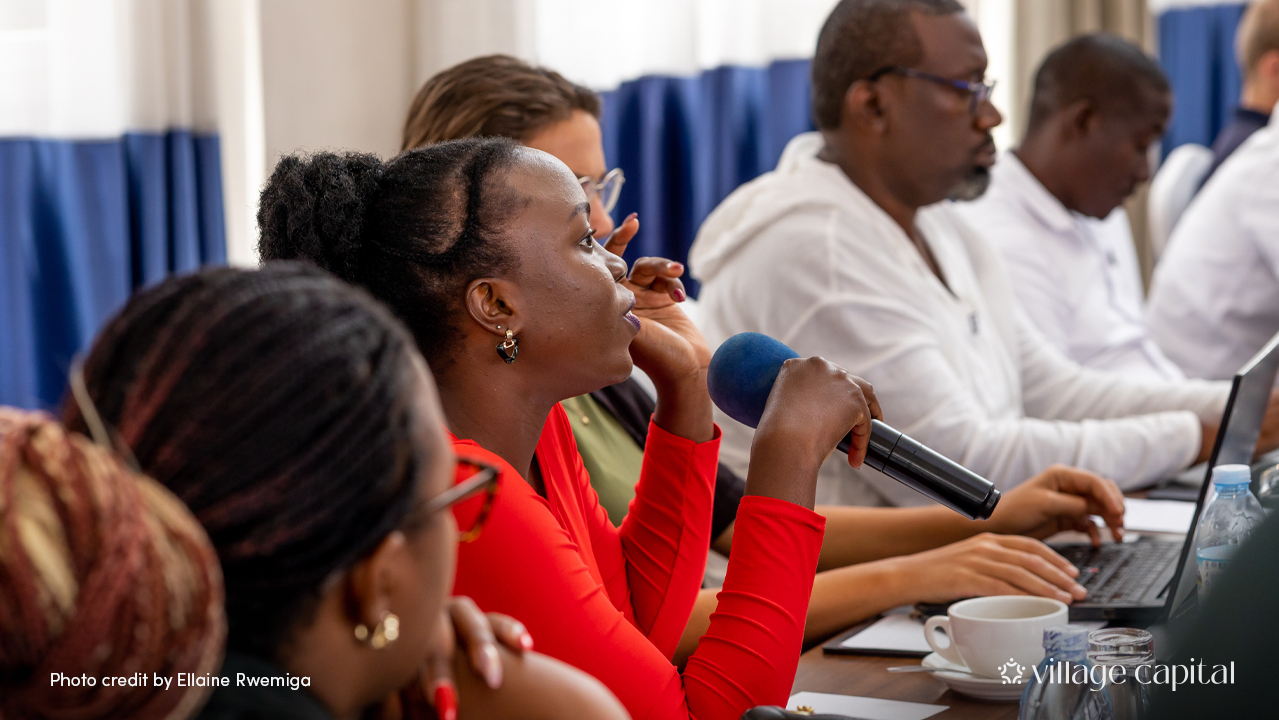
2024 update:In 2024, we completed Phase One of the initiative to identify 14 high-performing community-led entrepreneur support organizations. These 14 ESOs from Ghana, Kenya, Malawi, Mozambique and Tanzania worked collaboratively on ecosystem-specific problem statements and strategies to best identify and support high-potential startups in their ecosystems. In addition, these organizations benefited from Village Capital’s strategic support and deep dives with world-class Thematic Experts in blue economy, renewable energy, climate adaptation and food security. We have just completed the selection of one ESO partner per market to co-lead Venture Programs in 2025-26. Each of the five selected ESO Partners will receive up to US$260,000.00 in funding to contribute towards their team time, workshops for ventures and startup grants in their market. Two nominated members of each ESO Partner will effectively come on secondment with Village Capital (up to 70% of their time) as part of the program teams. They’ll get deep exposure to our way of supporting startups, in addition to contributions to leadership team time to participate in key activities such as venture selection, program design and facilitation.Commitment:In 2024, Village Capital will launch a three-year initiative focused on building capacity for more than a dozen Entrepreneur Support Organisations (ESOs) in Kenya, Ghana, Malawi, Mozambique, and Tanzania focused on leadership development, technical climate-focused training, and organizational management. The initiative will result in direct entrepreneurship support training for 500 high-growth potential, climate-focused startups and is intended to catalyze and mobilize $100M in follow-on capital for climate-focused startups, including via an innovative Venture Partner Model.
Kenya, Tanzania, Mozambique, Malawi, Ghana | Food & agriculture, Energy
Capacity Building for Entrepreneur Support Organisations
Village Capital
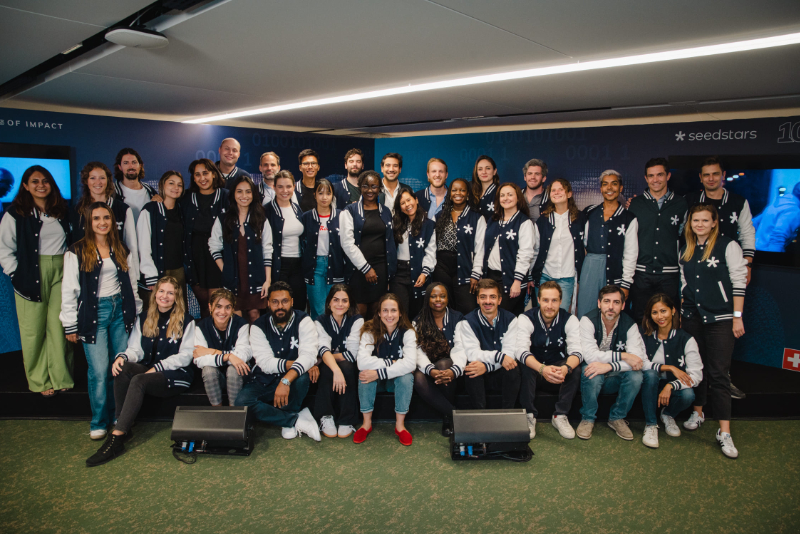
To bridge the gap between project potential and investment readiness, ensuring a higher rate of successful investments in frontier markets, Seedstars commits to work to improve the bankability of projects in frontier markets by facilitating collaboration between investors, investment facilitators, donors, and foundations, enhancing their ability to attract and absorb return-seeking capital. Key activities will include: Organize workshops and roundtable discussions between DFIs, investment facilitators, donors, and foundations to identify challenges and opportunities in improving project bankability. Develop and implement training programs for local enterprises to meet investment readiness criteria. Establish a framework for assessing and enhancing the bankability of projects, including risk mitigation strategies. Through this work, Seedstars aims to improve project readiness for investment in frontier markets, increase investment in projects that were previously considered non-bankable, and establish stronger partnerships and understanding between diverse financial stakeholders.Supporting partners include: Deutsche Gesellschaft für Internationale Zusammenarbeit (GIZ), Visa Foundation, European Bank for Reconstruction and Development (EBRD), International Finance Corporation (IFC), Millenium Challenge Corporation (MCC), CAF - Development Bank of Latin America and the Caribbean, Corfo, Tetra Pak, Krealo
Collaborative Enhancement of Project Bankability in Frontier Markets
International Finance Corporation, Seedstars, German Agency for International Cooperation (GIZ), Tetra Pak, Corporacion de Fomento de la Producion (CORFO), Development Bank of Latin America (CAF), Millennium Challenge Corporation (MCC), European Bank for Reconstruction and Development (EBRD), Visa Foundation
Seedstars commits to supporting the alignment of investment instruments of investors, creating partnerships that de-risk investments and facilitate the flow of capital into smaller, high-impact deals in frontier markets. Key activities will include: Establish a forum for investors to discuss and align their investment strategies. Develop standardized risk assessment frameworks to simplify and accelerate the investment process. Create co-investment funds or mechanisms that specifically target smaller deals, offering shared risk and diversified portfolios. Through this work, Seedstars aims to contribute to increased number of smaller deals receiving funding, enhanced understanding and collaboration between investors, and more efficient deployment of capital towards impactful ventures in frontier markets.Supporting partners include: Deutsche Gesellschaft für Internationale Zusammenarbeit (GIZ), Visa Foundation, European Bank for Reconstruction and Development (EBRD), International Finance Corporation (IFC), Millenium Challenge Corporation (MCC), CAF - Development Bank of Latin America and the Caribbean, Corfo, Tetra Pak, Krealo
Strengthening Investor Partnerships for Smaller Deal Engagement
European Bank for Reconstruction and Development (EBRD), Seedstars, Millennium Challenge Corporation (MCC), Tetra Pak, German Agency for International Cooperation (GIZ), Corporacion de Fomento de la Producion (CORFO), Development Bank of Latin America (CAF), International Finance Corporation, Visa Foundation