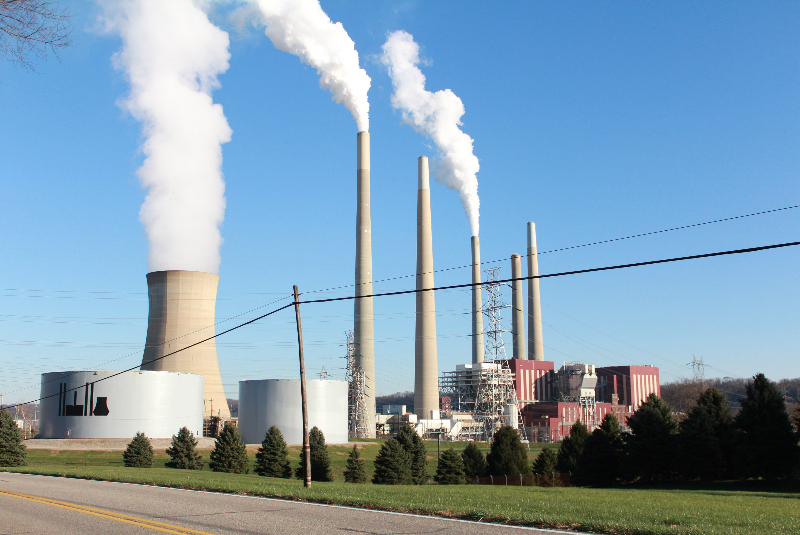
Asset refinancing occurs when an energy company borrows money to pay remaining debt on an existing coal-fired asset, allowing to reduce interest expense and fund the retirement of coal-fired capacity along with the development of renewables. The concept of refinancing applied to coal-power assets is further detailed in this publication from the Rocky Mountain Institute.
Case study
Vistra Energy Corp.
Key elements
• Vistra Energy Corp. has refinanced over $8 billion of debt to fund the retirement of 7,500MW of coal-fired generation capacity (in eight plants) and the development of 6,000MW of renewables and large-scale battery storage by 2030.
• Net coal-fired capacity will be reduced by 65% (from 11,115MW in 2020 to 3,850MW by 2027) and decline from 29% of overall generation capacity in 2021 to 10% by 2030. This reduction is the key driver of the company’s strategy to reduce overall carbon emissions by 60% by 2030 (from 2010) and achieve net zero by 2050.
• Existing power purchase agreements are to be reassigned from coal-fired to clean-generation capacity.
Benefits of this structure
• Refinancing offers coal asset owners the ability to unlock lower-cost capital to fund the phaseout and replacement of coal assets by clean energy capacity. As tariffs incorporate financing costs, savings can be passed on directly to the end-customer.
• By retiring assets instead of selling them, Vistra can ensure that coal-fired emissions are eliminated. This provides investors and stakeholders with more confidence in the ability of the company to achieve ESG goals.
• Since it maintains control over coal-fired plant retirements along with the development of renewable replacement capacity, Vistra can also take responsibility for ensuring a Just Transition for affected employees and communities.
Enabling conditions
• Issuer has a strong balance sheet and solid financial performance.
• Company has the ability to develop renewables and large-scale storage.
• Issuer operates in a jurisdiction with well-developed capital markets.