Coal to Clean Toolkit

Developed by the World Economic Forum, in collaboration with Accenture, this Toolkit compiles best practices on coal to clean repurposing. 

Explore the below case studies to discover re-powering technologies, financing mechanisms and just-transition best practices. 

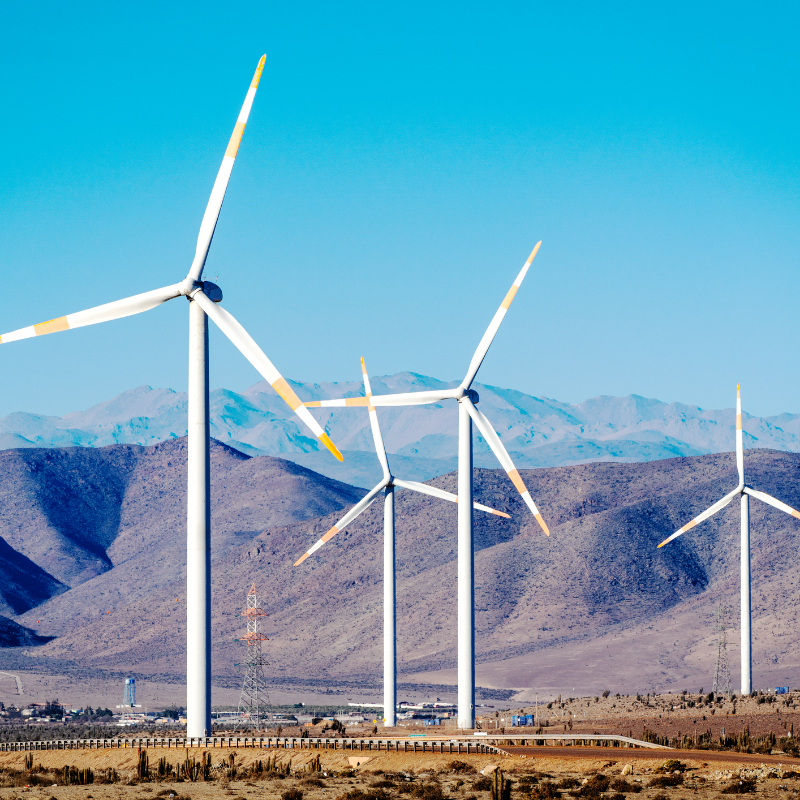
Two wind turbines on rolling green hills under a dramatic cloudy sky, representing clean energy repowering and just transition practices.
Technology

Discover re-powering technologies that enable the transformation of coal-fired power plants into clean energy hubs, driving innovation in the global energy transition

Finance

Explore innovative financing mechanisms that unlock capital for coal-to-clean projects, addressing key investment challenges and risks

Just Transition

Learn best practices for ensuring a fair and equitable transition, prioritizing social and economic outcomes for communities impacted by coal phase-out.
Discover all our case-studies and best practices

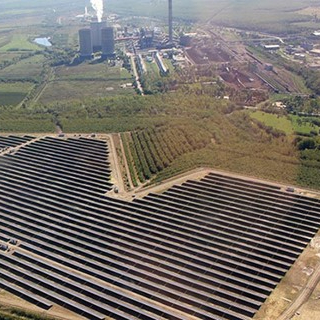
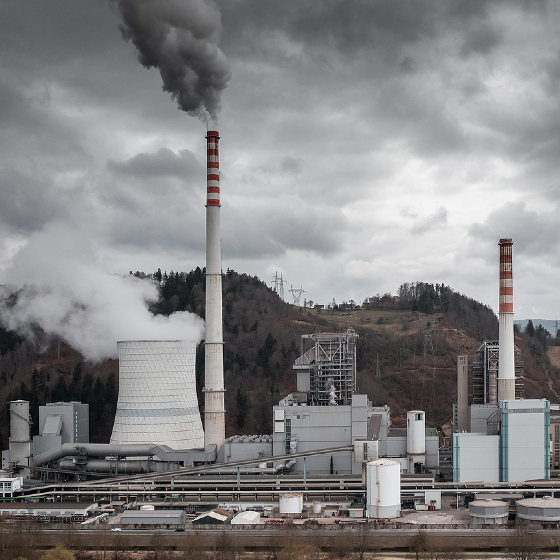
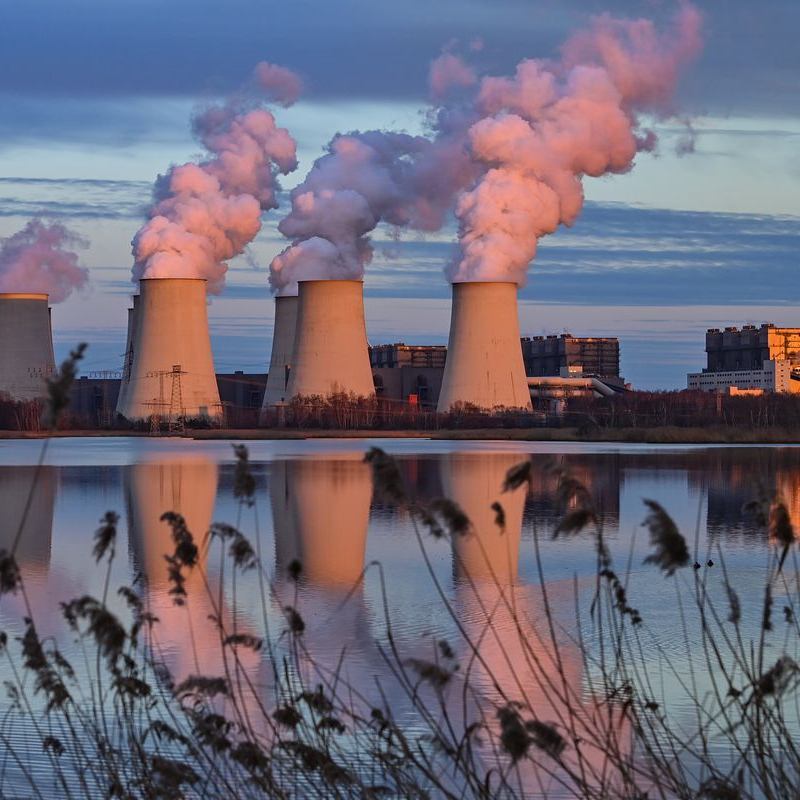
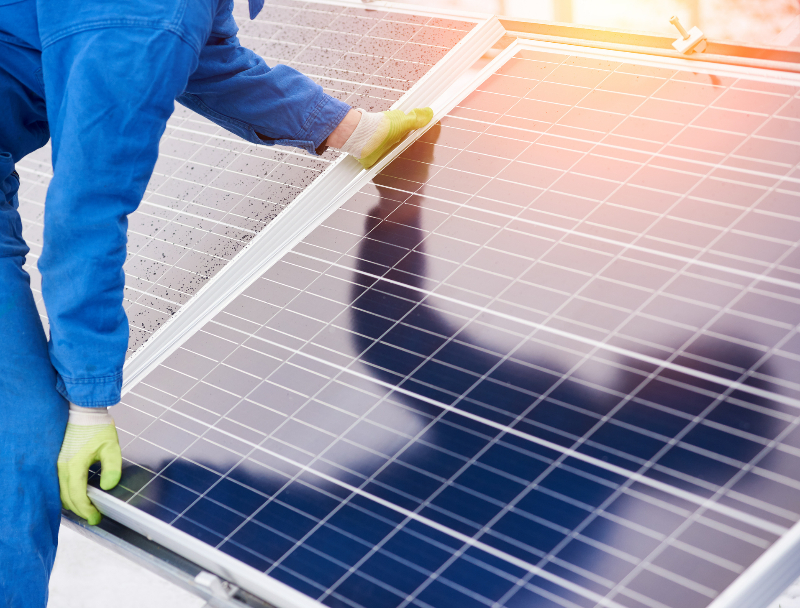
MVM Mátra Energy Ltd. (formerly Mátra Power Plant Corp.) is exploiting the potential of decommissioned mine sites for energy supply, using them primarily for solar power plants and the production of biomass.Visonta, in Northern Hungary, accounts for nearly one-fifth of Hungary’s electricity generation. In 2004, the Mátra power plant located in the region started utilizing biomass as a first step towards the use of more renewable energy sources in power production, but also to start a new long-term strategy. In 2015, a 16 MW photovoltaic power plant – at the time the largest in the country – was installed on the old ash deposit heap within the former Mátra mining site. Since then, the solar portfolio has been further extended with the installation of a 20 MW plant in another former mining site located in the vicinity. In the future, the expansion of the existing solar capacity is planned to reach up to 200 MW.With the support of the European Union, and with the co-financing of the European Regional Development Fund (ERDF) (~ 1.5 million EUR), an industrial park was created to attract companies that could use surplus heat (e.g., from steam) from the power plant. Other participating organizations include the Hungarian Economic Development Center Zrt. (MAG) as well as the Ministry of National Development and Economy (NFGM).The industrial park, Geosol Kft., is now exploring new business opportunities to further diversify its portfolio and accelerate the decarbonization of the site. Different concepts – all at different maturity stages – are being proposed such as a Refuse Derived Fuel (RDF) fired combined heat and power unit, a 450 MW gas-fired combined cycle power unit, a 100 MW biomass plant, 600 MW of pumped storage, 50 MW of battery storage. A solar panel factory is also being envisaged as a possible future development for the industrial park.Due to the reassessment of energy security and electricity supply issues, the possibility and necessity of extending the lifetime of existing lignite-fired generation units until the end of 2029 and the conditions for their continued operation are under examination, in accordance with Government Decision 1452/2022.Technology • The Mátra Power Plant leveraged the decommissioned mine sites for energy supply, using them primarily for biomass production and photovoltaic power plants. • 16 MW photovoltaic power plant was installed as a re-cultivation measure on an ash deposit heap within the former mining site. • Biomass utilisation, made up predominantly of agricultural and forestry organic waste, is partly supplied by alternative resources such as Solid Recovered Fuel (SRF) and Refuse Derived Fuel (RDF), as well as resources from energy forests owned by the power plant. Approach• Multi finance products and schemes; the project was financed by the Mátra Power Plant with 50% of investment covered by tax allowances. • National support schemes for renewables assisted the shift towards biomass and solar PV (feed-in tariff schemes and tax exemptions for PV). • ERDF funding for companies in industry cluster.Benefits• Clean electricity supply for 20,000 households• 90,000 t/a CO2 emission reduction • National demonstration of Hungary’s renewable energy potential • Securing employment of existing workers and generating ~250 new jobs Just Transition The gradual conversion of the Mátra power plant has preserved jobs while laying the foundation for a shift towards more sustainable industries. The power plant and industrial park combined are estimated to support between 6,800 jobs (2,100 direct and 4,700 indirect) and 10,000 jobs. While the coal workforce is aging and is likely to mainly benefit from retirement plans, the industrial park has created a broader range of employment opportunities for local residents. The organization engages in the LIFE-IP North-HU-Trans project, a retraining and corporate mobilization programme with a total budget of HUF 5.2 billion/13.56 million EUR, over 9 years, much of it to be covered by EU subsidies and the EU Modernization Fund.
Technology
Coal to Renewable Energy Cluster, Mátra Power Plant
MVM Mátra Energia Ltd.
ACEN, the energy platform of the Ayala Group, based in Philippines, has a commitment to 100% renewables generation by 2025 and 20 GW renewables capacity by 2030. In November 2022, ACEN, announced the full divestment of the South Luzon Thermal Energy Corporation (SLTEC) coal plant leveraging ADB’s Energy Transition Mechanism (ETM). This transaction will enable the early retirement of 246 MW coal plant in Batangas, Philippines. The coal plant’s operating life of up to 50 years will be cut in half, as ACEN commits to retire and transition the plant to a cleaner technology by 2040. The scheme should avoid up to 50 million metric tons of carbon emissions.Case studyWorld's first Energy Transition Mechanism (ETM) transaction, South Luzon Thermal Energy CorporationKey elements The process involved $245 million debt financing provided by the Bank of the Philippine Islands and Rizal Commercial Banking Corporation, and $66 million in equity investments from the Philippine Government Service Insurance System (GSIS), The Insular Life Assurance Company, Ltd. (InLife), as well as coming from a newly established Special Purpose Vehicle called ETM Philippines Holdings, Inc., for a total deal value of $312 million. The establishment of this Special Purpose Vehicle was instrumental in that it allowed ACEN to sell all its shares in the coal power plant to ETM Philippines Holdings Inc., while the latter acted as a vehicle facilitating investors engagement in this transition project. In exchange for its divestment, ACEN received $129 million from the transaction for reinvestment in the company’s renewable energy projects. The balance of proceeds was used for refinancing debt and transaction fees. To enable the ETM, SLTEC’s capital structure was optimized through the refinancing of its project finance loan. The debt was upsized and lengthened to optimize capitalization, and this allowed partial return of capital to ACEN. The remainder was then taken up by equity investors, which ensured a competitive cost of capital for SLTEC. Benefits of this structure ACEN’s ETM follows principles from the Council for Inclusive Capitalism’s Just Energy Transition Framework:•	Universal Net Zero Energy - ACEN can transition SLTEC to cleaner technology. Replacing SLTEC with renewables requires ~1 GW of new solar and wind; ACEN expects over 10x this when SLTEC is retired.•	Workforce evolution - To be achieved through continuous plant hiring from the local community, training and reskilling, and rotations to ACEN renewable energy facilities.•	Community and resilience - Since SLTEC is one of Calaca, Batangas’ largest taxpayers, ACEN will assess and mitigate the ETM’s impact alongside local stakeholders, part of which is the prospective transition of SLTEC to newer and cleaner technology.•	Collaboration and Transparency - A Just Transition plan will be shared with key stakeholders to ensure adequate output to replace foregone coal capacity, in cooperation with the Philippine Department of Energy (DOE). Key learnings will be shared with industry peers and other organizations.Enabling conditions •	Alignment with strategic priorities of home entity (Ayala Corporation) which had a legacy of investments in clean energy in the region.•	The two lenders (Bank of the Philippine Islands and Rizal Commercial Banking Corporation) had to carve out special policies surrounding the ETM structure given that both were previously operating under a model restricting investment in the coal industry.•	Financial infrastructure maturity and agility to support SPV’s, coupled with domestic and international financing channels. •	Localized insurance support via Government Service Insurance System (GSIS) and the ability to acquire sufficient insurance coverage for the duration of the repurposing execution. •	Equity investors from financial services / insurance industry were instrumental in getting the structure off the ground.•	ACEN remained the offtaker of the power which helped ensuring the financial structure would be viable in the eyes of debt and equity providers.•	An operating and maintenance agreement was put in place to ensure that the plant is run safely, reliably, and efficiently throughout the duration of the retirement journey.
Financial services
World’s first Energy Transition Mechanism (ETM) transaction for early retirement of a Coal Plant
ACEN
In the United States, a whole-of-government effort of more than $14 billion was put together by the Interagency Working Group on Coal and Power Plant Communities and Economic Revitalization (Energy Communities IWG) to deliver new economic opportunities to communities hit hardest by the country’s evolving energy landscape, as well as to transform coal assets – from mining sites to power plants – into new clean energy infrastructure. This funding is seen as key to accelerate the deployment of clean energy projects in mining communities across the nation, strengthening rural economies and creating new, good-paying jobs, while also reducing greenhouse gas (GHG) emissions that affect public health and pollute local ecosystems.Key elements •	The Energy Infrastructure Reinvestment Programme provides $250 billion in loan authority to replace aging energy infrastructure with environmentally cleaner alternatives, with the administration enacting 30-year direct loans to support the transition of coal assets. Funding mandates include an obligation for borrowers to present a transition plan for communities impacted by the changes. A Coal Power Plant Redevelopment Visualization Tool was developed to enable local officials, project developers, and power plant owners to identify opportunities for plant redevelopment and community reinvestment. Additionally, in the United States, there are approximately 300 retired or operational coal plant sites that would be eligible for a coal-to-nuclear conversion with small modular reactors (“Coal to X”). The administration has allocated funding to research and development (R&D), with National Labs having identified which plants have the most potential for a “Coal to X” transformation.•	As part of President Biden’s Investing in America agenda, the U.S. Department of Energy (DOE) also announced up to $450 million from the Bipartisan Infrastructure Law (BIL), the Chips and Science Act, and the Inflation Reduction Act to advance clean energy demonstration projects on current and former coal mine sites in the United States. This follows a 2021 study showing that approximately 17,750 mine land sites are located across 1.5 million acres in the United States, exposing local populations to harmful pollutants and contaminating the air, land, and water quality in the surrounding areas. Eligible clean energy technologies include solar, microgrids, geothermal, direct air capture, energy storage, advanced nuclear technologies, and fossil-fuelled electricity generation with carbon capture, utilization, and storage. In total, up to five clean energy projects will be carried out in diverse geographical regions, at least two of which must be solar projects. Projects may be on current or former mine land and includes clean energy projects that can aggregate multiple solar projects/sites. •	The U.S. Department of the Interior will deliver $10.9 billion in grant funding over 15 years to eligible states and Tribes to help communities eliminate dangerous environmental hazards and pollution caused by past coal mining while creating good-paying jobs and new economic opportunities in coal communities.•	The administration has developed a one-stop-shop platform for communities most likely to benefit from the various programmes to find the support and technical assistance required to navigate the various funding options. •	A rapid response programme was also put together to support communities on the ground, develop analysis of the diverse communities, assess their needs, and develop a long-term plan to help them navigate the transition. The long-term needs of communities vary on a case-by-case basis and each coal repurposing project should be approached from an “Economic Strategy Development” lens. These teams bring together 11 federal agencies to be coordinated and prioritize energy communities while making it simpler for communities and workers to access the resources they need.•	Interested applicants to those programmes are required to submit a Community Benefits Plan to outline how proposed projects will support community and workforce engagement; invest in the American workforce; advance energy and environmental justice; promote diversity, equity, inclusion, and accessibility; encourage collective bargaining and free and fair opportunities for workers to organize; and deliver benefits to disadvantaged communities as part of the Justice40 Initiative.Benefits•	Repurposing extensive areas of land for clean energy projects is estimated to generate up to 90 gigawatts (GW) of clean energy - enough to power nearly 30 million American homes. Developing clean energy projects on mine land will also provide an attractive economic alternative to using undisturbed natural and agricultural land. Mine land is often located near critical infrastructure that makes it suitable for clean energy development, including electric substations, transmission lines, and access roads or railroad lines.•	Clean energy demonstration projects will be prioritized based on potential for technological innovation and commercial deployment, lowest levelized cost of generated or stored energy, lowest rate of GHG emissions per unit of electricity generated or stored, as well as timeline from permitting to completion. Priority will also be given to projects in locations where the greatest number of jobs can be created, especially in economically distressed areas, or where the number of dislocated workers is highest. •	25 energy communities immediately impacted by coal plant and mine closures have been identified to prioritize stakeholder engagement.•	More than 9,000 stakeholders engaged as part of this community-driven approach.•	Created a one stop shop for funding, technical assistance, data, visualization tools, and information on energy transition.•	Deployed Rapid Response Teams to priority areas experiencing large transition impacts and lacking capacity to access federal resources.•	Delivering over $14 billion in federal funding and catalyzing private sector investments in energy communities which are building capacity, remediating land, creating infrastructure, and supporting economic growth that provides new job opportunities and offsets potential loss in tax revenue.Enabling conditions •	Strong involvement of unions and civil society organizations to drive open dialogue beneficial to each unique community.•	Tools and resources to support the initiatives pipeline: the U.S. Department of Treasury and Internal Revenue Service (IRS) have partnered with the Energy Communities IWG to provide a searchable mapping tool that helps to identify areas that may be eligible for the energy communities tax bonus. •	Technical assistance to inform decision making on topics related to developing clean energy projects on mine lands, with the technical assistance intending to support project development, including concept development, planning, design, or execution (DOE’s Office of Clean Energy Demonstrations [OCED]). •	A whole-of-government approach allowing multiple agencies to coordinate action and increase programmes’ reach.•	“Stackability” of funding programmes, to allow for flexibility and the ability to combine funding sources for beneficiaries.
Just Transition
Coal Communities of the Future, US Department of Energy
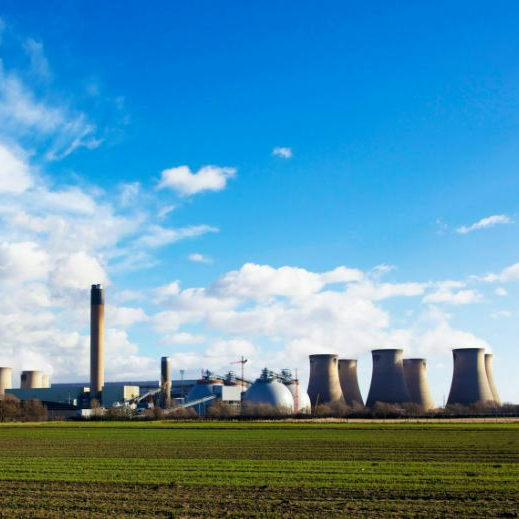
Drax Power Station, commissioned in 1971 in the North of England, was one of the biggest coal-fired power stations in Western Europe. Since 2012, Drax has cut its net fossil-based carbon emissions from power generation by 90%, compared to when it combusted coal, by converting to sustainable biomass and radically transforming the company.Four out of six of the boilers at the North Yorkshire site have now been converted to biomass, with its two remaining coal units ceasing commercial operations in March 2021. Using sustainable biomass, the renewable capacity is now 2,595MW.  Drax Power Station provides the most renewable power of any single location in the UK and is planning to deliver the world’s largest carbon removal project at the site, using Bioenergy with Carbon Capture and Storage (BECCS). BECCS is the process of capturing and permanently storing carbon dioxide (CO2) from biomass energy generation, a technology which Drax has trialed several times at the power station since 2019. Upon completion, the Drax BECCS project will enable Carbon Capture and Storage (CCS), delivering CO2 into a shared pipeline for permanent storage under the seabed of the Southern North Sea. Once operational, the BECCS project at Drax will capture at least 8 million tonnes of CO2 per year.With the right engagement from the UK Government around its Energy Security Plan and with swift decision making, Drax stands ready to progress this £2bn investment programme and deliver this critical project for the UK by 2030. Recent estimates indicate that deploying BECCS at Drax by 2027 will save the UK £26bn on costs to get the UK to net-zero.Technology•	Drax Power Station provides ~11% of the UK’s renewable power. The site provides the most renewable power of any single location in the UK, some 14 terawatt-hours or enough electricity to power the equivalent of five million homes.  •	Drax plays a critical role in supporting UK energy security, providing more renewable power by output than any other company. •	The biomass units are fully flexible, consistently generate power in periods of peak demand, and have operated at the highest load factor of all technologies during peak periods over the last 3 years.•	In order to identify the fundamentally different physical and chemical characteristics of biomass versus coal, Drax chose to follow a combined approach of global technology best-practice scanning and a programme of full-scale testing at Drax power station. •	This led to confirmation of a conversion work-scope that would provide the necessary biomass generating capability and would aim to repurpose existing equipment wherever possible. •	While no significant changes were required for the steam turbine, generator or associated auxiliary systems, the repurposing project entailed the construction of a state-of-the-art fuel reception, handling and storage plant, fitted with systems to ensure that biomass can be handled safely. Modifications were also made to the pulverising mills (to break up the pellets), pneumatic fuel conveying systems and the burners in the boilers. A number of other systems were modified to control combustion and emissions.•	Further upstream in the supply chain, Drax designed and built bespoke rail wagons that could maximise the capability of the existing transport system to improve efficiency and reduce transport costs.Approach•	2003: Start of co-firing biomass across six units using a mix of 5% biomass and 95% coal.•	2005: A direct injection facility was added which involved blowing crushed wood pellets into coal fuel lines from two of the power station’s 60 mills. •	2008: Launched biomass sustainability programme.•	2010: Completion of 400MW co-firing facility•	2012: Extensive trials confirm unit conversion. Final investment decision on 3 unit conversion c.£350m•	2013: First biomass unit converted. •	2014: Second biomass unit converted.•	2015: Third biomass unit enhanced co-firing- fully converted in 2016. •	2018: Fourth biomass unit converted.•	2019: Drax BECCS pilot (with C-Capture) started capturing CO2 in world first with 100% biomass feedstock.•	2020: Second Drax pilot (with MHI) to capture CO2 from biomass feedstock installed in the autumn.•	2021: Front end engineering design (FEED) study for BECCS at Drax Power Station began.•	2023: Decision expected from UK Government on development consent order2024: Final investment decision made and construction of first two BECCS units begin at Drax Power Station.•	2027: BECCS operating on at least one biomass generating unit at Drax, permanently removing 4 MtCO2/yr•	2030: BECCS operating on two biomass units, permanently removing 8 MtCO2/yr and Drax Group becomes a carbon negative company.•	2035: Great Britain’s power system reaches net zero emissions.•	2040: Humber industrial cluster achieves zero carbon status.•	2050: The UK economy reaches net zero emissions.•	2050 and beyond: BECCS, carbon removal technology and techniques such as reforestation, remove enough greenhouse gases to go beyond net zero and begin reversing the impacts of climate change.Just TransitionDrax Power Station currently employs ~900 people and supports a wider 4,200 jobs in the Yorkshire and Humber region of the UK. Scaling up BECCS at Drax will support 10,000 jobs at peak construction, which could start as soon as 2024.Through the Drax Foundation, launched in February 2023, Drax is also investing in STEM education and skills development programmes, with a particular focus on under-served communities and the skills and education needed to support ‘green’ jobs for the future. The Drax Foundation launches in February 2023. 
Technology
Coal to Bioenergy with Carbon Capture and Storage, Drax Power Station
Drax Group
The Andorra thermal power plant, built between 1974 and 1979, was in operation for more than four decades until its closure in 2020. During this period it burned 142 tonnes of coal to produce 224,000 GWh. ENEL Endesa´s project to repurpose the Andorra Thermal Power Plant is as benchmark in the energy transition.TechnologyMore than 1,487 billion euros will be invested to replace the initial 1,050 MW-capacity coal plant with 1,725 MW of renewable power, of which, 1,585 MW solar (coming from one of the largest plant under construction in Europe), and 139 MW will come from wind power. The project will also be fitted with a large-scale energy storage system of up to 160 MW.The new installation incorporates a dimension of agrivoltaic, a technique that allows to maximize land use by using the surface beneath solar panels for agricultural cultivation. ApproachThe repurposing of the plant will be performed in a phased-approach:1.	Plant phase out (March 2021)2.	Dismantling / construction of initial new renewable infrastructure (March 2022-June 2023)•	Construction of 50 MW solar photovoltaic facility, built on-site as well as a 49.4 MW wind farm, installed in near-by town of Ejulve. •	Installation of 235 MW of solar PV and 54.3 MW of battery storage (within the perimeter of current plant).3. Development of renewable capacity (May 2023-early 2026)•	1,300 MW of photovoltaic power, 90 MW of wind power and 105 MW of battery storage will be built in Andorra, Alcorisa, Alcañiz, Calanda and Híjar. Just TransitionThe project integrates a strong programme to mitigate the social implications of the transition, thus acting as a model to create shared value for all stakeholders. 100% of workers from the power plant are to benefit from either:•	Reskilling/up-skilling•	Relocation plan promoting the return to the site of origin •	Voluntary departure agreements •	Early retirement 
Technology
Coal to Solar, Wind and Storage, Andorra Thermal Power Station
Enel
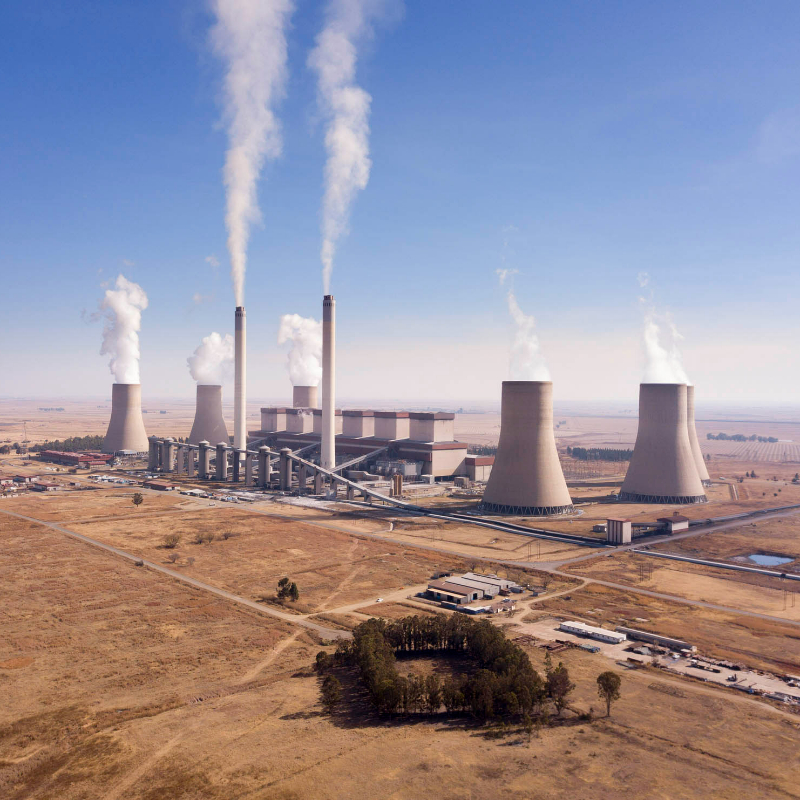
The Just Transition Transaction (JTT) is a multilateral coal retirement mechanism designed to enable an accelerated, affordable and just energy transition of South Africa’s power sector. The core component of the JTT is a concessional debt instrument backed by a consortium of developed country governments. The degree to which the instrument is concessional is contingent on the implementation of policy reforms and the achievement of pre-defined emissions reduction. The JTT was conceptualised and proposed by South African think tank Meridian Economics. It partly inspired the South Africa Just Energy Transition Partnership which was later announced at COP26 and is the result of broad-based efforts.Case studyJust Transition Transaction (JTT) application for South AfricaKey elements •	The JTT would entail the South African government to receive an ~$16 billion concessional, debt-financing package which would be incrementally drawn down in tranches of ~five years. •	The funding from the JTT would support the accelerated retirement of coal power plants by providing fiscal support to the government (the national utility’s shareholder and debt guarantor), to recapitalise the power sector, unlocking investment in renewable energy to replace the coal.•	The JTT would also provide initial capitalization for a government-established just transition fund.•	The concessional element of the loan is conditional on the adoption of regulatory and policy reforms, including the establishment of an Independent Transmission and System Operator (ITSMO) to enable a level playing field for cost-competitive renewables investment, and a large grid expansion and upgrade programme. •	The value of the loan’s concessional element would be determined by a) the number of emissions reductions delivered by the national utility relative to a baseline emissions trajectory; and b) the agreed value per tonne of reduced emissions (“deal price”).Benefits of this structure •	Successful implementation has the potential to stabilize the national utility’s financial situation, de-risk the power sector financing environment and “crowd in” other investors across the value chain (generation, transmission, distribution) to build out the country’s green power infrastructure. •	The concessional element of the loan is tied to the actual delivery of emissions reductions, with the implementation of policy and regulatory reform likely to be necessary for loan disbursement.•	A portion of the concessional element is earmarked for just transition annually. This creates the potential for long-term, recurring funding for the just transition – substantially improving the likelihood of a more equitable outcome. Enabling conditions •	Willingness of developed country governments to fund the concessional element of the initiative in return for highly cost competitive emission reductions.•	Political will from national government to implement necessary policy, regulatory and market reforms to accelerate power sector decarbonisation.•	Emissions reductions can be accurately measured and verified.
Financial services
Just Transition Transaction
Meridian Economics
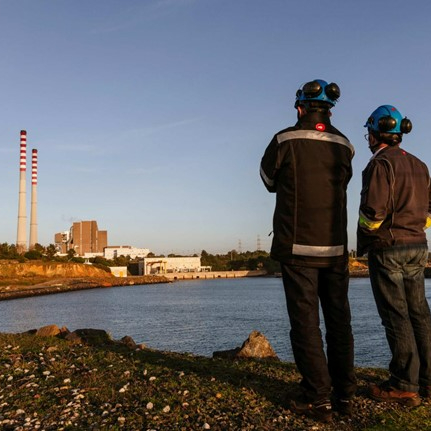
Sines was one of the largest coal power plants in Portugal, operating with a 1,256 MW capacity, from 1985 till 2021. EDP aims to repurpose the decommissioned plant into a green hydrogen hub including a collaborative lab to promote hydrogen know-how, a 100MW green hydrogen production facility and a green ammonia pilot project. To mitigate the impact of those changes for its workers and the workforce of its suppliers, EDP designed an innovative just transition programme called Futuro Ativo Sines.Key elements •	100% of EDP workers benefited from individualized plan including reskilling/upskilling, retirement or internal mobility.•	Individualized interviews for suppliers’ workers impacted by plant closure to plan future work possibilities including reskilling/upskilling. Solar systems training was provided to 22 for these workers.•	Social investment programme with dedicated entrepreneurship programme to incubate new projects with capacity building and 2-year follow-up.•	Study conducted with two Portuguese universities to identify the main dynamics of future development in the region as well as highest opportunity employment segments. •	Creation of a local office for social action in partnership with the municipality and state employment and training services, providing psychological, employment, training and social support for workers, their families and the local community. •	Dedicated programme to strengthen local NGOs social actions and foster a more robust local community. Benefits•	Inclusion of suppliers in the impact mapping and solution designing following the powerplant closure.•	360° approach mitigating impacts on workers, suppliers, and communities while looking out for new development opportunities.•	Fast tracked reskilling and job placements along with continuous contact and follow-up via the local office for social action.•	Close monitoring of the local context and continuous readjustments according to ongoing results.Enabling conditions •	National system of unemployment allowance•	Strong anchor in and participation of the local community, beyond plant workers•	Aggregate local critical mass in different domains (employment, training, social, psychological) through partnerships with main local agents.•	Existing strong relations with the local communities through social investment programmes.•	Deep knowledge of the local context in the universities involved and the European Business Innovation Centre.
Just Transition
Futuro Ativo Sines Programme, Portugal
EDP
A carbon reduction bonus refers to a financial incentive to reward the reduction of carbon emissions; for example, by accelerating the retirement of a coal-fired power plant. The incentive can be provided via a discount on the interest rate of a loan, or through a credit that can be sold on a carbon market.Case studyENGIE Energia Chile loanIDB Invest structured a $125 financial package to Engie Energía Chile with the aim of accelerating the decarbonization of the country´s electricity matrix. The innovation in the deal comes from the structuring of a pilot financial instrument by monetizing the displacement of greenhouse gas emissions when closing thermoelectric coal plants early and replacing them with clean technology projects. Key elements Size of issue: $125 million package including $74 million senior loan from IDB Invest, a $15 million concessional loan from CIF's Clean Technology Fund (CTF), and $36 million from funds managed by IDB Group.Use of proceeds: To build, operate and maintain a 162MW wind farm in Calama, Chile, which will create additional renewable capacity to enable the two ENGIE coal power units in Tocopilla (~135MW each) to be retired 2 years earlier than planned.The structure places a monetary value on the emissions eliminated via early retirement of the coal-fired units. This value is monetized through a reduction in the interest rate on the $15 million CTF loan:To value the reduction in emissions (in the absence of a carbon market), a synthetic CO2e sale-purchase mechanism is embedded in the design of the CTF loan. The methodology is consistent with the Clean Development Mechanisms (CDM) standards that may eventually be used by future carbon market operators to measure, verify and report the emissions reduced by this type of intervention.In the event that a regulated carbon market is created during the term of the loan, the CTF and ENGIE would share any increase in the value of the eliminated carbon above this minimum value. Benefits of this structure •	Blended finance structure reduces the financing cost.•	Combines financing for renewables with the monetization of emissions reductions. This effectively creates a “carbon reduction bonus” which further reduces the cost of financing. •	Creates potential for financial upside in the event that a carbon market is established during the tenor of the loan and results in a higher value for the emissions reduction.Enabling conditions •	Supportive government policies – prior to this transaction, the Government of Chile created a binding decommissioning schedule of coal-fired power plants and started a public-private dialogue with coal-fired plants owners to co-develop a coal phase-out schedule based on voluntary commitments by 2040.•	Ability to measure carbon emissions accurately and reliably.•	Note that a carbon market is not required to create a monetary value for the emissions reduction in this structure. However, if such a market is developed at a later date, market forces may drive an increase in this value (creating financial upside for the issuer).
Financial services
Carbon Reduction Bonus
IDB Invest
In reverse auctions, a government establishes a fund to compensate energy companies for the early retirement of coal-fired power plants. Asset owners submit bids for the amount of compensation they require to retire their coal power plant early. As this is a reverse auction, there are many sellers and only one “buyer” (typically the government); in general, the winning bidders are those that submit the lowest bids. Case studyGermany's Coal Reverse AuctionKey elements •	A series of tenders held from 2020 through 2027. (Plants remaining in 2027 are subject to forced closure without compensation).•	Each tender includes a maximum bid price (e.g.;€165,000 per MW for the first tender, €155,000 for the second tender). This maximum price tends to decline with each successive tender, thus incentivizing early participation in the programme. •	Bid prices are adjusted by an emissions factor to encourage the sale and retirement of higher-emitting plants.•	Through February 2022, four tenders have been completed, securing the early retirement of nearly 9 gigawatts of coal-fired power capacity.•	Transmission grid operators are required to check whether the plant is needed for the stability of the power system before it can be permitted to retire entirely.Benefits of this programme•	Government funding eliminates financing risk, while the reverse auction structure helps minimize the cost to taxpayers.•	Published prices for tender results provide coal plant owners with clear market signals about the value of “early retirement”.•	Because the auctions are run on a fixed schedule, the government maintains control over the timing of plant retirements. Enabling conditions •	Government has the fiscal capacity to acquire the asset for early retirement.•	Clear policy and regulatory framework are needed to motivate asset owners to participate in the auctions, creating a competitive pricing dynamic, which dampens prices paid and limits the cost to taxpayers.
Financial services
Reverse Auctions
Germany Government
The Energy Transition Mechanism (ETM) is an innovative programme being developed by the Asian Development Bank (ADB) to accelerate the retirement and repurposing of existing coal power plants and fund the development of clean energy replacement capacity across Asia, with an initial focus on Southeast Asia. Its goal is to provide a suite of financial models flexible enough to be scalable, not just to the wider Asia Pacific region, but also beyond.The idea for the ETM was proposed in 2020 by Don Kanak, Chairman of Prudential Insurance Growth Markets and Co-Chair of the Steering Group of the SDIP ASEAN Hub. The ADB subsequently led an informal working group of financial institutions established by SDIP, and announced, at COP26, a partnership with the governments of Indonesia and the Philippines to launch a feasibility study and develop a series of ETM pilot transactions to accelerate the retirement and repurposing of 5-7 coal-fired power plants in those countries over the next 2-3 years.Case studyEnergy Transition Mechanism in Southeast AsiaKey elements •	The ADB-led ETM Southeast Asia programme is initially focused on Indonesia, Philippines and Viet Nam. Activities include identifying coal-fired power plants (CFPPs) for early retirement and repurposing under the pilot, and designing relevant transaction models to suit diverse assets and country contexts.•	Once asset-level technical/financial analysis, and just transition plans for affected communities are established, an ETM Fund would bring together public and private finance, such as: multilateral bank (including concessional lending and/or first-loss guarantees), other investors with low cost of funds, such as developed country governments and national development finance institutions; and domestic and international private sector institutional investors.•	ETM Fund will comprise the following two facilities:1. The Carbon Reduction Facility (“CRF”) to fund the early retirement or repurposing of the CFPPs on an accelerated basis while keeping in mind replacement capacity from clean energy projects.Three transaction models are being developed:Acquisition Model: Under which the ETM shall acquire the share capital in the CFPP and assume the role of the owner and operator of the acquired plant. The funds will be available at a concessional rate under the ETM framework, thereby allowing the ETM to utilize the concessional financing for early retirement of the acquired coal plants. The ETM shall agree on an early retirement date with the country’s utility and shall operate the plant until such decided date. Upon reaching the said date, the CFPP shall be shut down or repurposed.Synthetic Model: Under this model, the ETM shall invest senior/junior debt and/or other mezzanine capital into the CFPP, while the equity ownership and operational responsibility of the plant is retained by the current CFPP owner. The investment from the ETM may be used to replace/pay off the existing lenders in the project or infused as mezzanine debt which would be junior to existing senior debt in the project. The funds will be available at a concessional rate under the ETM framework, thereby allowing the ETM to utilize the concessional financing for early retirement of the acquired coal plants. Under this mechanism, the ETM shall agree on an early retirement date with the country’s utility and existing CFPP operator. Upon reaching the said date, the CFPP shall be shut down or repurposed.Portfolio Model: Under the Portfolio Model, the ETM shall provide funding to the corporate entity which owns the CFPPs. The funds are intended for the scale up of renewable energy infrastructure and related grid upgrades that will replace CFPPs that are to be retired on an accelerated timeline. The corporate sponsor shall guarantee that the greenfield clean energy projects will be built, and coal plants retired ahead of schedule.2. The Clean Energy Facility (“CEF”) to develop and fund the new renewable energy generation projects, energy storage infrastructure, and requisite grid upgrades. The CEF will provide finance, technical assistance and know-how to the host country to accelerate renewables, build storage, and upgrade power grids. To ensure power supply certainty, the CFPP in the CRF will be retired. Benefits of this structure •	The ETM is a scalable, collaborative mechanism developed in partnership with developing countries that will leverage a market-based approach to accelerate the transition from fossil fuels to clean energy while leveraging public, private, and concessional capital.•	Multilateral bank involvement ensures appropriate governance and legal structure to ensure monitoring and follow-through.•	As an independent investment facility with various types of donors and stakeholders, the ETM is not tied to the debt limits or credit worthiness of any particular government or corporate entity.•	The dual-facility structure (CRF & CEF) helps ensure energy security by linking the retirement date of the carbon-intensive power asset to the development timeline of clean energy replacement capacity. This also gives stakeholders time to facilitate a just transition for affected workers and communities.Enabling conditions •	Host country has ambitious but realistic national climate commitments and national energy strategy.•	ETM plans must include moratorium/freeze on construction of new coal power plants.•	ETM has access to low cost of funds, so role of developed countries, MDBs, DFIs, etc. is critical (e.g., low cost finance).
Financial services
Energy Transition Mechanism
Asian Development Bank
The Moorburg power station was a 1,600 MW-capacity coal-fired power plant which ceased generation in July 2021, following only 6 years of operation. It closed down as a result of the reverse auction bid, which took place in Germany last year. Vattenfall, the power station's operator, was successful in the auction, and received funding to shut down the coal plant early. The plant will now be repurposed into a green hydrogen facility. TechnologyIn 2021, Vattenfall signed a letter of intent with Shell and Mitsubishi to use the site from the coal power plant to establish a green hydrogen facility, consisting of the construction of an electrolyzer for 100MW capacity. The green hydrogen will be produced from solar and wind power, and will be used in the surrounding area.Approach•	2015: Moorburg coal power station was built. •	2020: German government held a reverse auction to accelerate phase out of coal power plants. •	2020: Moorburg coal power plant was one of the auction winners, and Vattenfall planned its closure.•	January 2021: Vattenfall, Mitsubishi and Shell signed a letter of intent to develop the new green hydrogen facility. •	July 2021: Moorburg coal power plant was closed down.•	2025: expected operation of the green hydrogen facility, following decommissioning of the power plant.
Technology
Coal to Green Hydrogen, Moorburg Power Station
Vattenfall
Sustainability-linked bonds include financial incentives (e.g., interest rate rebate/penalty scheme) linked to the achievement of pre-specified sustainability targets. In the context of coal transition financing, the targets typically would include a reduction of carbon emissions or an increase in renewable generation capacity.Case studyTauron Polska Energía bondKey elements Size of issue: Five-year bond of PLN 1 billion ($250 million).Use of proceeds: To increase renewable energy capacity and undertake grid upgrades allowing for the integration of higher volumes of intermittent renewable energy sources. Proceeds cannot be used for new or existing coal-fired power plants.•	Santander Bank Polska is coordinator, lead arranger and bookrunner of this bond, while the EBRD subscribed for 24% of the bond (PLN 240 million).•	Two key sustainability targets (interest rate is increased if these indicators are not met):Annual reduction of CO2 emissions per MWh of at least 2%.Annual increase of renewable generation capacity of at least 8%.Benefits of this structure•	Provides a clear financial incentive to reduce emissions and increase renewables capacity.•	Maintains flexibility on how the sustainability targets can be achieved. •	Funds are raised from a diversified pool of investors, including a development bank cornerstone investor, which helps spread risk and lower the cost of financing.Enabling conditions •	Ability to measure emissions accurately and reliably.•	Ability to verify that company has not spent funds on new or existing coal plants.•	The issuer developed a programme to address the impact of its intended business transformation on its workforce; for example, identifying opportunities for reskilling, and implementing certified retraining.
Financial services
Sustainability-Linked Bond
Banco Santander, European Bank for Reconstruction and Development (EBRD)
Asset refinancing occurs when an energy company borrows money to pay remaining debt on an existing coal-fired asset, allowing to reduce interest expense and fund the retirement of coal-fired capacity along with the development of renewables. The concept of refinancing applied to coal-power assets is further detailed in this publication from the Rocky Mountain Institute. Case studyVistra Energy Corp.Key elements •	Vistra Energy Corp. has refinanced over $8 billion of debt to fund the retirement of 7,500MW of coal-fired generation capacity (in eight plants) and the development of 6,000MW of renewables and large-scale battery storage by 2030.•	Net coal-fired capacity will be reduced by 65% (from 11,115MW in 2020 to 3,850MW by 2027) and decline from 29% of overall generation capacity in 2021 to 10% by 2030. This reduction is the key driver of the company’s strategy to reduce overall carbon emissions by 60% by 2030 (from 2010) and achieve net zero by 2050. •	Existing power purchase agreements are to be reassigned from coal-fired to clean-generation capacity.Benefits of this structure•	Refinancing offers coal asset owners the ability to unlock lower-cost capital to fund the phaseout and replacement of coal assets by clean energy capacity. As tariffs incorporate financing costs, savings can be passed on directly to the end-customer. •	By retiring assets instead of selling them, Vistra can ensure that coal-fired emissions are eliminated. This provides investors and stakeholders with more confidence in the ability of the company to achieve ESG goals.•	Since it maintains control over coal-fired plant retirements along with the development of renewable replacement capacity, Vistra can also take responsibility for ensuring a Just Transition for affected employees and communities.Enabling conditions•	Issuer has a strong balance sheet and solid financial performance. •	Company has the ability to develop renewables and large-scale storage.•	Issuer operates in a jurisdiction with well-developed capital markets.
Financial services
Asset Refinancing
Vistra
On 14 August 2020, the Coal Phase-Out Act entered into force in Germany. The law sets out a roadmap for shutting down all coal-powered plants by 2038. The Coal Phase-Out Act includes compensatory measures for workers impacted by plant closure and is further complemented by the Germany Structural Development Act supporting structural change in coal-mining regions of the country, with the aim to open up new opportunities for sustainable economic activities and high-quality jobs.Key elements •	Early retirement: The Coal Phase-Out Act sets that coal-plant workers (age 58+) will receive a monetary compensation for a maximum of five years until they are eligible for their pension.•	Pensions and benefits: Pension reductions due to early retirement immediately following the end of the compensation payment can be made up for by direct payments to the statutory pension insurance. •	Economic diversification and infrastructure development package: €41.09 billion until 2038 spread across hard-coal mining regions (to meet challenges of structural change and employment security), and lignite coal regions (to invest in economic and digital infrastructure and environmental protection.) Further support measures include highway and rail infrastructure improvement, or the creation of up to 5,000 additional jobs in federal agencies in the coal regions. Benefits•	Focus on creating new jobs in historic coal regions through general infrastructure development benefitting to all citizens.•	Multistakeholder approach: the programme is directly inherited from the creation by the German Government of a “Coal Commission” (Commission for Growth, Structural Transformation, and Employment) which was characterized by the multitude of stakeholders represented (scientists, politicians, labour unions, environmental-protection organizations…).Enabling conditions •	Early buy-in from coal states was sought by the Federal Government which was a crucial condition for the passing of the laws.•	Clear timelines for the coal phase-out create legitimate expectations for coal companies and regions tasked with structural transformations.•	Targeted education and training programmes are highly recommended to accompany any structural development measures in order to that former coal workers will be able to transfer their skills or become eligible for newly-created positions.Further reading accessible here.
Just Transition
Coal Phase-Out and Structural Development Act, Germany
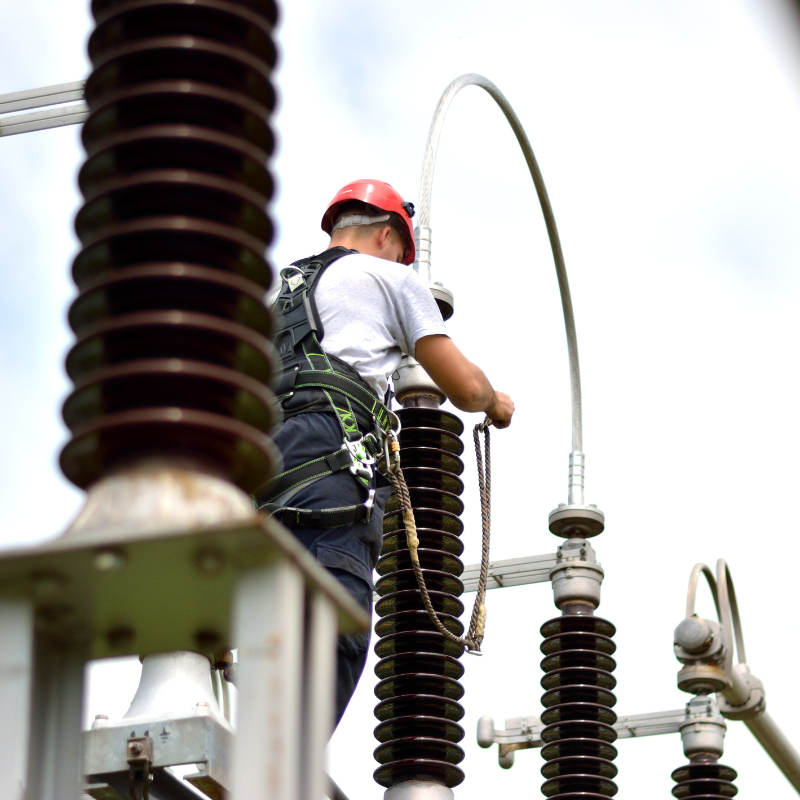
Germany Government
At the end of 2019, the EU announced the Just Transition Mechanism (JTM) as part of its historic European Green Deal. The JTM is expected to mobilize around €55 billion from 2021 to 2027 in order to alleviate the socio-economic impacts of the transition towards a climate-neutral economy. The JTM is structured around 3 pillars: (i) a Just Transition Fund; (ii) InvestEU “Just Transition Scheme” and (iii) a new public sector loan facility.Key elements •	The Just Transition Fund is a fundamental pillar of the JTM. Initially equipped with €17.5 billion financed out of the EU’s 2021-2027 budget, the European Recovery Instrument, or via national country allocations, the fund is expected to mobilize between €25-30 billion in investments towards the transformation of existing carbon-intensive installations, up- and reskilling for workers impacted by the transition, environmental rehabilitation, R&D activities or the creation of new firms.•	The InvestEU "Just Transition" scheme will provide a budgetary guarantee to project promoters located in just transition territories with an approved Territorial Just Transition Plan. It is expected to mobilise €10-15 billion in mostly private sector investments.•	A new Public Sector Loan Facility will combine €1.5 billion of grants financed from the EU budget with €10 billion of loans from the European Investment Bank, to mobilise €18.5 billion of public investment. This instrument will exclusively target public entities, providing support to projects that do not generate a sufficient stream of own resources to be financed commercially. Benefits•	The programme addresses 3 absolute critical elements in the transition towards a climate-neutral economy: securing the professional transition of people likely to lose their jobs, revitalising and diversifying local economies, as well as restoring land. •	To ensure intentional and impactful use of funding, countries/regions first have to submit a Territorial Just Transition Plan, before they can be eligible for funding. The Plan must set out the social, economic, and environmental challenges stemming from the phasing out of fossil fuel-related activities and include an outline of the transition process until 2030, including development, reskilling and environmental rehabilitation needs.Enabling conditions •	The EU established a Just Transition Platform providing technical assistance and support to draft Territorial Just Transition Plans. •	An allocation key prioritizing countries most affected by the transition and with the least resources, will ensure resources are concentrated in regions facing the biggest challenges.
Just Transition
EU Just Transition Mechanism
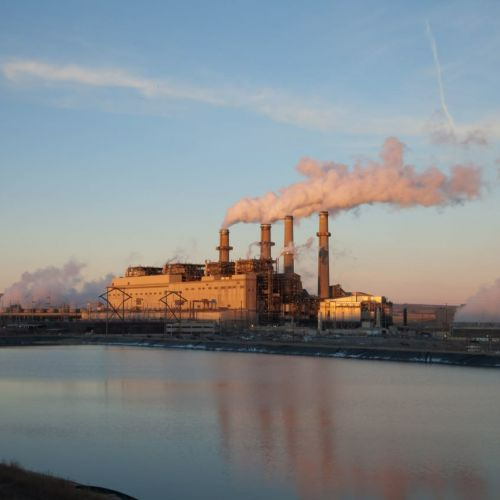
European Commission
An asset owner raises low-cost debt to retire legacy coal-based assets and develop renewable replacement capacity and, in some cases, fund a Just Transition. The debt is repaid via a surcharge on ratepayers (i.e., customers), who are contractually obligated to pay a fair return on the utility’s capital. Following securitization, ratepayers typically see lower utility bills because higher-cost utility capital (equity and debt) is replaced with lower-cost capital (i.e., ratepayer-backed debt) and because operating costs of renewable energy are generally lower than those of a coal-fired power plant. Case studyNew Mexico's San Juan Generating StationKey elements Size of issue: Electric utility Public Service of New Mexico (PNM) received government approval to issue $360 million in ratepayer-backed bonds to fund the early retirement of the coal-fired San Juan Generating Station (SJGS). Use of proceeds:$283 million for coal plant cost recovery (i.e., compensate PNM for the anticipated write-down of the coal power plant). $30 million for plant decommissioning and coal mine reclamation. ~$40 million planned for a just transition fund, including $20 million for severance and job training (administered by PNM) and $20 million for worker assistance and economic development (to be administered by the state).•	The retired capacity will be replaced with 650MW of solar, 300MW of storage and 24MW of demand response. Note that renewables capacity will not be funded entirely using this ratepayer-backed bond.Benefits of this structure •	The utility is effectively “made whole” for the write-down taken due to the early retirement of the coal power plant.•	Ratepayers receive two key benefits: meaningful reductions in their electricity bills, and reduced levels of local pollution. •	Funds can be made available for a Just Transition programme. Enabling conditions •	State legislature grants the utility approval to employ this type of financing.•	Ratepayers are obligated to pay a fair return on the invested capital of the utility.•	Well-developed local debt markets.
Financial services
Ratepayer-Backed Securitization
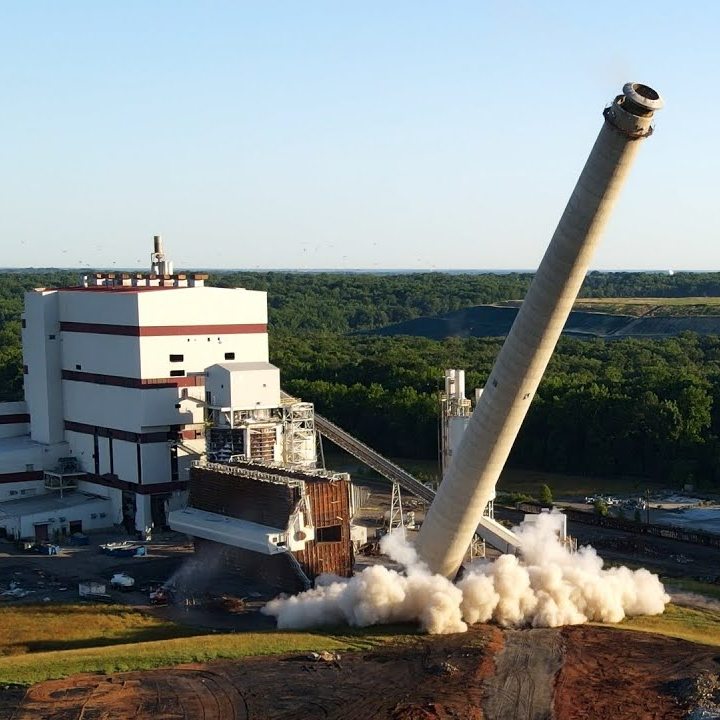
The Birchwood Power Station was a 242 MW coal-fired power plant which ceased generation in 2021. The plant, owned by J-POWER, had started operation in 1996, and will be converted to a solar generation and energy storage facility.TechnologyThe new project will be comprised of 50 MWac of solar generation and 190 MWac of energy storage. Construction will start in 2022 with commercial operations slated for 2023, The project will be jointly developed by J-POWER USA and funds managed by affiliates of Fortress Investment Group.The new project will connect to existing transmission infrastructure, allowing J-POWER to continue to supply electricity to the local community.Approach•	1996: Birchwood Power Station started operations.•	2021: Power Plant was retired following end of 25-year Power Purchase Agreement.•	Mid/End 2021: Start of demolition and decommissioning work.•	2022: New site construction start.•	2023: Expected commercial operations of new solar and storage facility.
Technology
Coal to Solar and Storage, Birchwood Power Station
J Power
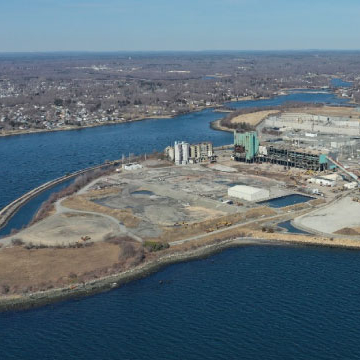
The Brayton Point power station was a 1,600 MW-capacity coal-fired power plant which ceased generation in 2017. It’s now being transformed into a renewable energy hub and international seaport.Image source: CDCTechnologyIn 2018, the site was purchased by Commercial Development Company (CDC) who has started to repurpose the site into a logistical port, manufacturing hub and support center for offshore wind. The new project will leverage access to the national grid’s substation and transmission grid.In 2021, Mayflower Wind and Anbaric Development Partners signed an agreement for Mayflower Wind to use transmission assets developed by Anbaric to supply up to 2,000 MW of offshore wind power to the area. To that end, the site will be equipped with a 1,200MW HBDC converter, as well as 400MW of battery storage.Image source: CDCApproach•	2017: The Brayton Point power station ceased production.•	January 2018: Commercial Development Company (CDC) acquired the retired plant.•	September 2018: Demolition began.•	March 2019: Demolition of three smokestacks.•	April 2019: Implosion of 500-ft cooling towers.•	2020: Site grading and preparation work for new development.
Technology
Coal to Wind, Brayton Point Power Station
MAYFLOWER GROUP INC, Commercial Development Company (CDC)
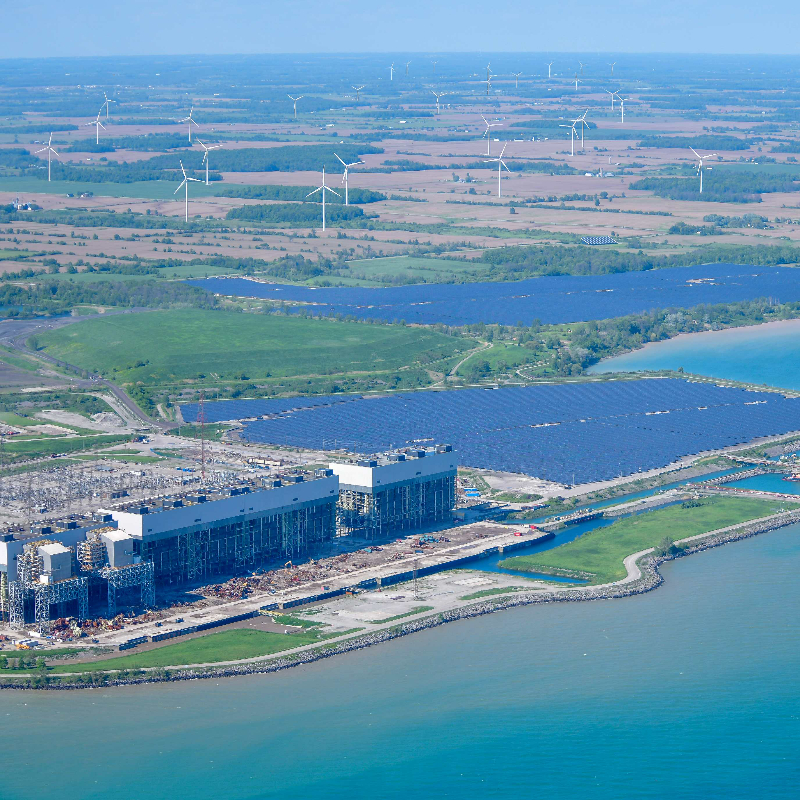
The Nanticoke power plant was built in 1972, and decommissioned in 2013, following Ontario’s commitment to become the first North American government to eliminate coal-fired electricity generation. Once the largest coal power station in North America Station, its eight generating units could provide 3,964 MW of power into the southern Ontario power grid.TechnologyOntario Power Generation (OPG) partnered with Six Nations Development Corporation and Mississaugas of the Credit First Nation to repurpose the Nanticoke power plant into a 44 MW solar facility. In total, 192,431 solar panels were installed over 158 hectares of land, both on a repurposed coal storage area beside the plant as well as a neighboring field of land east of the former coal yard site.The new Nanticoke Solar Generating Station was able to leverage the existing transmission switch yard to connect to the transmission grid. The local transmission company was also able to re-use a number of their existing towers, buses and switchyard auxiliary equipment (capacitors, electrical protections, etc.). The solar generation station itself needed a new transformer / substation for the new generating capacity.Approach•	2014: Provincial Government initiated the Large Renewable Procurement 1 (LRP1) competitive procurement process, in alignment with Government's desire to transition to a greener energy sector.•	2015: OPG submitted a proposal to LRP1 to develop the Nanticoke Solar Generating Station.•	2016: Solar Generating Station won the LRP1 bid.•	2017: Detailed engineering began.•	Early 2018: Construction of the new Solar Generating Station began with the creation of access roads and fencing.•	February 2018: Demolition of the old coal plant began with the two smoke stacks.•	August 2018: Demolition of the coal plant powerhouse. Materials were then sorted for sale and re-use by local businesses, and the site was cleaned up.•	March 2019: Solar Generating Station is put in-service.•	2021-2022: Site remediation work.
Technology
Coal to Solar, Nanticoke Power Station
Ontario Power Generation
In 2015, the Government of Alberta announced its commitment to end coal-fired generation of electricity by 2030. Following extensive consultations with labour groups, substantial investments and support were given to coal-dependent workers and communities. A CAD 40 million Coal Workforce Transition Fund provides financial assistance for re-employment, retirement, relocation and education for impacted workers; while the Coal Community Transition Fund and the Community and Regional Economic Support (CARES) Program support the economic development and diversification of the region.Key elements •	A bridge to re-employment programme providing workers with up to 75% of their previous earnings for 45 weeks or until full-time employment, whichever happens first.•	A bridge to retirement programme providing up to 75% of their previous earnings to workers aged 53 and above, who are close to retirement, but not yet eligible to receive their pension, for 72 weeks or until pension is received.•	A relocation assistance programme reimbursing coal workers for moving-related expenses in case their new job require them to move (at least 40km).•	A tuition voucher of up to CAD 12,000 to pursue secondary education.•	Career counselling provided at affected worksite to help workers determine best options for future employment.•	Employment transition services heling workers identify existing skills and ways they can be transferred to new jobs.•	Training programmes where employers and government share the cost of training new and existing employees to increase their knowledge and skills.•	A Coal Community Transition Fund to support economic development initiatives that will help to transition away from reliance on coal-fired electricity generation.•	The Community and Regional Economic Support (CARES) programme support the economic development of the region by supporting projects focused on innovation, tourism and economic diversification.Benefits•	Workers prospects are maximized thanks to a comprehensive approach to re-employment and re-skilling.•	The economic development and diversification of the region is thought by means of innovative programmes.Enabling conditions•	The programme was informed by multi-stakeholder engagement and social dialogue in the form of the Alberta's Climate Change Advisory Panel as well as the formation of a Coal Transition Coalition defending the interest of coal workers and communities.
Just Transition
Coal Transition Programme, Alberta
Government of Alberta

Coal to Clean

A World Economic Forum Initiative