Governance decisions fundamentally shape deliberative mini-publics by determining their remit, expert selection, deliberation processes, and validation of outcomes. The rapid proliferation of mini-publics has led to diverse designs tailored to various political contexts, but challenges persist, such as the gap between their democratic ideals and actual practice—especially regarding the inclusion of marginalized voices and risks of manipulation by commissioning bodies. Understanding governance reveals how power influences participatory processes, highlighting when inclusive participation may mask a lack of real power redistribution. Assessing governance integrity is crucial to ensure accountability and genuine democratic engagement in these forums.
Gatekeepers or Guardians? How Governance Upholds Deliberative Integrity in Mini-Publics
The article compares the historical trajectories of democratic innovations in the UK, focusing on collaborative governance, participatory budgeting, referendums, and mini-publics from the 1970s to the present. The UK is examined as a case of democratic innovation despite being considered inhospitable, experiencing asymmetrical decentralization, and facing democratic backsliding. The authors note that, following a period of limited innovation, there has been rapid but uneven progress. They argue for the necessity of a constitutional convention to further advance democratic innovations in the UK.
Education
Democratic innovations in the UK: Reflections on historical trajectories across space and time
Alexander Liteplo has launched RentAHuman.ai, a platform enabling AI agents to hire humans for physical tasks. The site, which quickly gained over 130 users and later boasted 73,000 listings, allows individuals to create profiles, showcase their skills, and set hourly rates. AI agents contract these humans for various tasks, such as package pickups and event attendance, while payments are made in crypto. The platform aims to establish a gig economy driven by AI demand for human assistance.
New Site Lets AI Rent Human Bodies
Data plays a central role in climate law and governance by informing decision-making and emerging from mechanisms like reporting and disclosure. Beyond support, data actively governs by shaping relationships among actors, establishing authority, challenging legitimacy, and facilitating climate governability. Four key functions of data—meaning-making, orchestration, engagement, and transparency—intersect with policy, institutional structure, and political processes. Data is not neutral but fundamentally influences what is governed, how governance occurs, and for whose benefit in the climate context.
Health
The functions and politics of data in climate law and governance

The International Olympic Committee (IOC) is considering rescheduling future Winter Olympics to earlier dates, potentially January for the Olympics and February for the Paralympics, due to climate change effects. This adjustment may disrupt current sports calendars, including World Cup events, and could clash with NFL and NBA schedules. IOC member Karl Stoss expressed concerns about warmer March conditions affecting snow quality. The organization is reviewing these issues under new president Kirsty Coventry, with further discussions planned for June regarding upcoming events, including the 2030 and 2034 Winter Games.
IOC open to earlier dates for future Winter Olympics and Paralympics because of warmer temperatures
Civic institutions, including the rule of law, universities, and a free press, are essential for democratic life, fostering cooperation and stability. They thrive on evolution, transparency, cooperation, and accountability, enabling individuals to challenge norms and broaden perspectives. However, current AI systems threaten these institutions by eroding expertise, disrupting decision-making, and fostering isolation. The design of AI technologies undermines the principles that sustain civic institutions, posing a significant risk to their existence.
Education
How AI Destroys Institutions
Content moderators in outsourcing hubs like Nairobi, Manila, and Hyderabad endure severe psychological harm from reviewing traumatic materials, including violence and abuse, while working for companies like Facebook and OpenAI. Reports indicate instances of depression, anxiety, and suicide attempts among these workers due to low wages and inadequate mental health support. This situation highlights how the digital economy prioritizes profit over worker well-being, necessitating a shift towards a more equitable system that protects those who sustain technological advancements.
ICT, Education
Building a Solidarity Ecosystem for AI
The Last Human Job by Allison Pugh examines the impact of artificial intelligence and automation on the workforce, specifically addressing the future of jobs that require human interaction. Pugh introduces the concept of "connective labor," which emphasizes the importance of empathy and personal connections in various professions, such as healthcare and education. She argues that profit-driven practices threaten this type of work by prioritizing metrics over human interaction. The book includes examples of organizations where connective labor flourishes and offers strategies to enhance human connections amidst growing automation.
The Last Human Job: Seeing Each Other in an Age of Automation
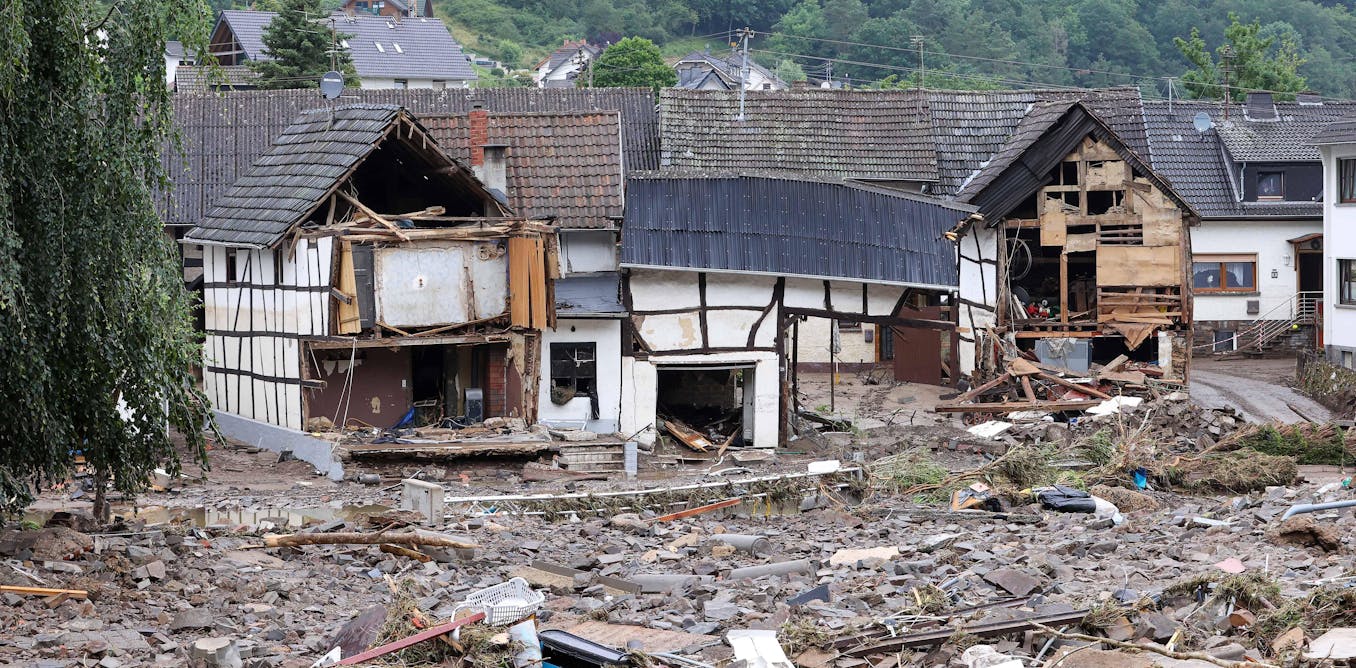
Disasters often occur despite advance warnings due to the design of warning systems that prioritize certainty over probabilistic forecasting. In July 2021, severe floods in Luxembourg highlighted this issue, where forecasts indicated a high risk of extreme weather well in advance, yet early actions were not taken due to procedural thresholds that triggered responses only after specific criteria were met. This approach delays necessary action, leading to more significant damage and indicating a need for institutional changes that allow for timely responses to uncertainties in risk assessment.
Education, Financial services
Why do disasters still happen, despite early warnings? Because systems are built to wait for certainty

Young people possess significant knowledge about the climate crisis but often feel marginalized in discussions about it. The project "With One Breath" engaged youth in Coventry and Uganda through arts-based methods like photography and theatre to enable them to express their concerns and visions for the future. Participants explored themes of power, globalization, and environmental justice, revealing feelings of inadequacy and tokenization in climate narratives. Transnational collaborations highlighted the diverse experiences of youth and the complexities of climate action, aiming to amplify voices typically overlooked in these conversations.
Climate storytelling often ignores young people – arts-based research can change that

Rising tariffs and trade policy uncertainty are expected to stifle global economic growth, according to warnings from institutions like the WTO and UNCTAD. Despite current resilience in global trade, adjustments to supply chains mask long-term damage that will affect households through rising costs and declining living standards. Regions with heavy manufacturing are particularly vulnerable, facing job losses and economic pressures from tariffs. Effective policy must focus on building tailored resilience in these areas, anticipating disruptions, and providing support to mitigate costs, rather than relying on short-term fixes.
Latin America | Financial services
Tariffs might seem manageable now – but they’ll quietly squeeze households later

Diverse voices are playing a crucial role in reshaping the UN's climate reports, particularly as the Intergovernmental Panel on Climate Change (IPCC) prepares for its seventh assessment report (AR7) set for 2028. Workshops in the UK focus on integrating artificial intelligence in analyzing climate data and incorporating Indigenous and local knowledge alongside traditional scientific methods. This shift aims to enhance inclusivity and ensure comprehensive insights in climate science, particularly in light of the US's recent withdrawal from the IPCC process. Diverse perspectives are critical for producing credible and effective climate assessments.
Africa | Education, Health
How diverse voices are transforming the UN’s climate science
Incorporating AI into weapons systems encounters challenges similar to those in self-driving cars, such as hallucinations, uncertainty mishandling, latent failures, and planning errors. Generative and agentic AI introduce uncontrolled non-determinism and lack reliable reasoning, spatial awareness, and self-verification, rendering them unsuitable for precision-critical weapons. Given the high safety and unpredictability risks, rigorous governance and testing are essential rather than bans. Lessons from self-driving cars emphasize the necessity of real-world testing to detect hidden failures, as relying solely on simulations risks catastrophic oversights. Mitigating AI risks requires investing in physical test ranges and establishing standardized, transparent evaluation protocols through international cooperation.
What Self-driving Car Operations Can Teach Us about Incorporating AI into Weapons Systems

Crown Prince Muhammad Bin Salman has initiated profound political, social, and economic reforms in Saudi Arabia since 2015, aiming to consolidate his long-term rule. His centralization of power marks a shift to a more radical authoritarianism compared to pre-2015 Saudi Arabia. The reforms focus on fostering Saudi nationalism and liberalizing social norms, particularly concerning women's rights, to support economic diversification away from oil dependency. Despite limited success and ongoing reliance on oil revenues, these changes signify a transformation that some observers describe as the emergence of a "fourth Saudi state."
Bahrain, Jordan, Oman, Qatar, Saudi Arabia, United Arab Emirates
A Fourth Saudi State
Emmanuel Macron aimed to modernize France and bridge its left-right political divide, but the failure of his policies is leading to instability in France and Europe. France’s economic vulnerabilities—marked by high external and total debt ratios, significant foreign ownership of government bonds, and a rising budget deficit—underscore this crisis. Unlike nations with monetary sovereignty, France cannot rely on currency control for debt relief due to eurozone membership. Consequently, its deteriorating fiscal conditions and lack of political cohesion raise critical questions about its long-term economic stability and its role in the eurozone.
France | Financial services
The illusion of leadership – how Macronism has destabilised France and Europe

The global economy has long depended on a financial system that enabled the United States to borrow cheaply and absorb surplus output from around the world. This arrangement resembles the Gulf Stream, allowing financial flows to sustain US demand. Currently, this system is facing challenges due to escalating geopolitical tensions and concerns over the stability of US policies.
Financial services
The Financial Gulf Stream Is Nearing a Tipping Point

India's 2026 budget highlights significant climate and energy priorities amid international geopolitical challenges. Key announcements include $2.2 billion for carbon capture, utilization, and storage (CCUS) aimed at decarbonizing high-emission industries, alongside support for mining critical minerals and rare earths. The budget proposes establishing dedicated rare-earth corridors in coastal states to boost mining and processing. Additionally, it offers import duty exemptions for nuclear power equipment and emphasizes renewables, especially rooftop solar. However, it lacks specific climate adaptation measures compared to previous budgets.
India
Five key climate and energy announcements in India’s budget for 2026
Owkin launched its agentic AI infrastructure to enhance healthcare through curated multimodal patient data from over 800 hospitals. Its AI agents identify biomarkers, guide clinical trials, and improve drug discovery while maintaining patient privacy. Agentic AI independently executes complex tasks, optimizing hospital resource management and predicting patient risks, leading to better care outcomes. Owkin's initiatives, including the Biology Super Intelligence (BASI) and K Pro platform, leverage extensive biomedical data and partnerships to advance AI in biopharma, positioning Europe as a leader in biological AI.
How Agentic AI Is Changing Healthcare
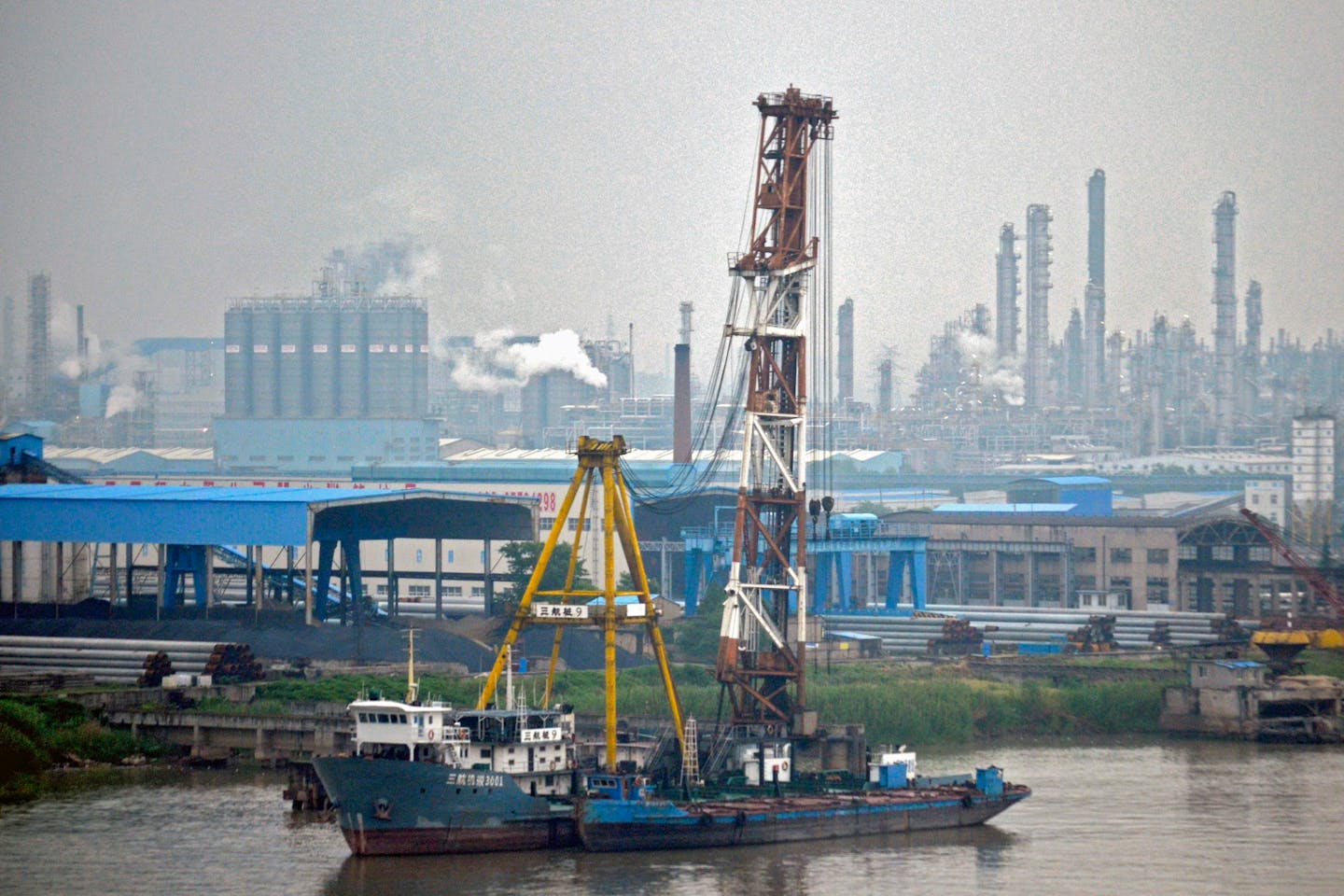
In 2025, China recorded a peak of 161 gigawatts (GW) in new coal-fired power proposals, despite declining coal generation due to renewable energy growth. While China’s power sector emissions have stabilized or decreased, the surge in coal projects may hinder climate goals by locking in fossil fuel investments and reducing incentives for clean energy reforms. New coal capacity additions have declined, with construction starting on 83GW in 2025 and permitting at a four-year low. Coal plants are operating at about 51% capacity, which could lead to long-term overcapacity issues and increase reliance on existing coal infrastructure.
‘Rush’ for new coal in China hits record high in 2025 as climate deadline looms

The 2026 Winter Olympics will empower athletes by allowing them access to competition footage for personal branding, a first for Olympians. Athletes can use 60 seconds of their performances from the Beijing 2022 Games. Historically, the International Olympic Committee (IOC) tightly controlled video distribution to protect broadcasting rights, limiting athletes' promotional opportunities. However, the shift towards digital and social media consumption has led to more flexible sharing policies. The IOC recognizes the importance of athletes' social media presence in leveraging their marketability and adapting to changing audience habits.
Education
Why athletes at the 2026 Winter Olympics are finally being given more power to monetise their performances