
In 2026, chief sustainability officers (CSOs) face heightened fragility in their roles amid market volatility, geopolitical issues, and budget constraints. Many companies are folding sustainability into other departments, raising concerns that the function may become compliance-focused rather than strategic. CSOs are pressured to demonstrate business value and ensure sustainability principles are integrated organization-wide, even as they encounter policy delays and increased scrutiny. The challenge lies in transferring responsibility for sustainability without losing direction or integrity, particularly as traditional ownership of these initiatives shifts to other business units.
Singapore
What chief sustainability officers fear in 2026

This white paper addresses board-level governance related to climate and nature, highlighting their significant impact on business performance, resilience, and long-term value creation. Climate and nature pose risks and opportunities, redefining markets and influencing stakeholder expectations. Ignoring these factors can jeopardize organizational strategy and viability, whereas proactive integration into governance can enhance competitiveness and foster trust. The report offers a governance framework for boards, outlining roles and responsibilities necessary for effective oversight, and presents four principles and three foundations to help directors incorporate climate and nature into governance for resilient and sustainable organizations.
Health
Board Leadership for Growth and Resilience: Guiding Principles for Climate and Nature Governance

Board-level governance of climate and nature is critical for enhancing business performance, resilience, and long-term value. These environmental factors pose risks but also present significant opportunities for organizations. Properly addressing climate and nature can reinforce competitiveness and unlock growth, while neglect can jeopardize strategy and revenue. The report sets out a governance framework with four principles and three foundations to aid boards in effective oversight, translating awareness into actionable strategies in risk management and disclosure, fostering sustainable and innovative organizations.
Health
Board Leadership for Growth and Resilience: Guiding Principles for Climate and Nature Governance

Global supply chains are characterized by persistent volatility and structural disruptions. Leaders must design resilient, competitive, and investable supply chains amid this uncertainty. A collaboration between the World Economic Forum and Kearney, informed by over 100 expert consultations and insights from 300 global executives, provides a practical playbook for navigating this shift. For industries, it emphasizes redesigning supply chains through orchestration, distributed scale, and optionality to enhance agility and growth. For governments, it presents a policy blueprint to improve industrial readiness and attract investment in advanced manufacturing, along with the Manufacturing and Supply Chain Readiness Navigator as a decision-support tool.
Chile, Denmark, Ethiopia, Finland, Germany, Ghana, Indonesia, Japan, Jordan, Kenya, Kyrgyz Republic, Luxembourg, New Zealand, Paraguay, Peru, Philippines, Poland, Republic of Korea, Russian Federation, Saudi Arabia, Senegal, Singapore, Sweden, Switzerland, Tanzania, Uganda, Ukraine, United Arab Emirates, United Kingdom | Financial services, ICT, Health, Education
Global Value Chains Outlook 2026: Orchestrating Corporate and National Agility

Global supply chains are increasingly defined by persistent volatility and disruptions, presenting challenges for leaders in maintaining resilience and competitiveness. A collaborative report from the World Economic Forum and Kearney outlines strategies for redesigning supply chains to enhance structural agility, focusing on orchestration, distributed scale, and optionality. It provides a policy framework for governments to bolster industrial readiness and attract investment, alongside a data-driven tool, the Manufacturing and Supply Chain Readiness Navigator, to assist in decision-making and policy implementation.
Cambodia, Chile, Colombia, Costa Rica, Egypt, Ethiopia, Finland, Georgia, Germany, Ghana, Indonesia, Japan, Jordan, Kenya, Kyrgyz Republic, Luxembourg, Mozambique, New Zealand, Norway, Oman, Paraguay, Peru, Philippines, Poland, Republic of Korea, Russian Federation, Senegal, Singapore, Sweden, Switzerland, Taiwan, China, Tanzania, Uganda, Ukraine, United Arab Emirates, United Kingdom, Uruguay, Venezuela | Financial services, ICT, Health, Education
Global Value Chains Outlook 2026: Orchestrating Corporate and National Agility

The blue foods sector represents a significant opportunity for economic growth, improved nutrition, and climate resilience. In Africa, blue foods contribute 18% of total animal protein and could generate an additional $17 billion in GDP if production doubles, while also reducing the protein gap by 25% and creating millions of sustainable jobs. The World Economic Forum's Food Innovation Hubs Initiative supports this by identifying opportunities, energizing local ecosystems, and mobilizing investment, fostering collaboration to develop a robust blue food sector that benefits people and economies.
Ethiopia, Senegal | Health
Investing in Blue Foods: Innovation and Partnerships for Impact
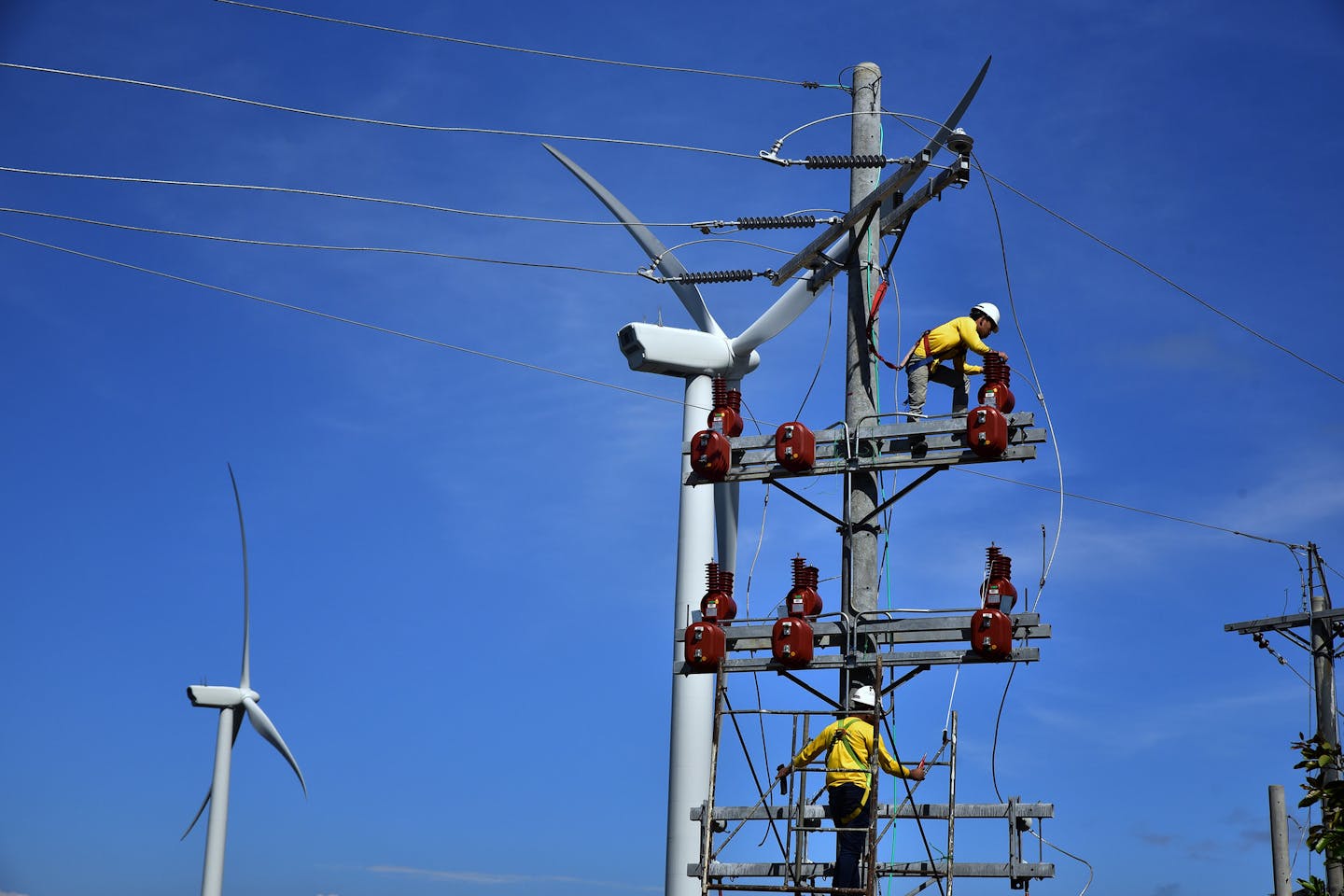
The Philippines' Asean chairmanship in 2026 presents an opportunity to advance regional climate goals. Key actions include finalizing ambitious nationally determined contributions (NDCs) and enhancing reliance on domestic funding for climate initiatives due to reduced external support. The Philippines aims to lead by example with robust climate targets and plans, emphasizing the need for strong trade and investment ties to promote sustainable growth. Collaboration on projects like the Asean Power Grid will further support regional adaptation and mitigation efforts in response to emerging global challenges.
Cambodia, Ghana, Indonesia, Malaysia, Philippines, Senegal, Singapore, Thailand | Financial services
How the Philippines can leverage its Asean chairship to meet climate goals
The Brunei Darussalam–Indonesia–Malaysia–Philippines East ASEAN Growth Area (BIMP-EAGA) illustrates that infrastructure alone cannot ensure sustained development. To foster growth, it is essential to integrate transport links with aligned policies, local investments, skills training, and environmental protection. While initial efforts focused on enhancing connectivity, trade within the subregion remained minimal, prompting a shift towards creating economic corridors that support local communities and reduce disparities. Effective development requires collaboration among governments, businesses, and local authorities, as well as sustainable resource management practices to ensure long-term success and equitable growth.
Bangladesh, Barbados, Benin, Bulgaria, Burkina Faso, Cambodia, Ethiopia, Germany, Ghana, Indonesia, Jordan, Kenya, Malawi, Malaysia, Mozambique, Pakistan, Philippines, Portugal, Republic of Korea, Saudi Arabia, Senegal, Singapore, South Africa, Tanzania, Thailand, Uganda, United Arab Emirates
Five Ways Roads, Ports, and Smart Policies Can Drive Broad-Based Growth
The IESE Uncertainty Index is a daily tool that measures economic uncertainty across 22 major economies, representing approximately 80% of the global economy. It utilizes data on domestic stocks, government bonds, exchange rates, and oil prices to identify trends and spikes in uncertainty linked to global events. Unlike other indexes that focus on specific sectors or textual analysis, this index offers a broader perspective by integrating various economic indicators. Decision-makers can leverage the index to adapt strategies during volatile periods, ensuring more informed investments and hiring decisions.
Egypt, Estonia, Hungary, Iceland, Spain, Sweden, Ukraine, United Arab Emirates, United Kingdom
IESE Uncertainty Index, a decision tool to track daily economic uncertainty
In July 2025, a nature education center in rural Beijing effectively managed a flood crisis by forming an emergency team and utilizing local resources, showcasing community self-organization in climate adaptation. China’s national climate action plan aims for a “climate-adapted society” by 2035, acknowledging the need for public involvement in adaptation strategies. The Local Leaders’ Message Board, a government-run petition platform, has seen increased citizen engagement post-disasters, as people advocate for local climate-related improvements. Researchers emphasize the importance of structured public participation in shaping effective adaptation policies beyond online feedback.
How is the Chinese public engaging in climate adaptation?
The Normandy Index 2025 reveals that threats to peace, security, and democracy are at their highest level since the index's inception in 2019. The findings, based on data from 2024 and 2025, indicate significant declines in global security due to conflict, geopolitical rivalry, militarization, and hybrid threats. The index compares country performance against predetermined threats and includes 63 individual country case studies to illustrate the current state of global peace. This research is produced by the European Parliamentary Research Service in partnership with the Institute for Economics and Peace and the Region of Normandy.
Algeria, Belgium, Chad, Denmark, Egypt, Estonia, Georgia, Guinea, Hungary, Iceland, Ireland, Israel, Latvia, Lithuania, Luxembourg, Mali, Moldova, Mongolia, Namibia, Netherlands, Norway, Poland, Russian Federation, Sweden, Thailand, Ukraine, United Kingdom
Mapping threats to peace and democracy worldwide: Normandy Index 2025

Advancements in neuroscience, materials science, and AI are poised to revolutionize brain-computer interfaces (BCIs), addressing neurological disorders that affect over one in three people globally. To achieve responsible BCI development, key ethical considerations must be prioritized, including purposeful design to meet medical needs, data privacy safeguards, and equitable access for all. Collaborations across multiple stakeholders—scientists, engineers, clinicians, and policymakers—are vital to ensure that BCIs are effective, accessible, and ethically governed. The convergence of AI with neurotechnology aims to create personalized therapeutic solutions, marking a shift from reactive management to proactive interventions in neurology.
ICT, Education
How we can achieve the responsible development of brain-computer interfaces
Effective leadership in today's rapidly changing environment requires a dual-horizon strategy that balances current operational needs with future workforce preparation. Leaders must cultivate organizational resilience through human-centered principles, fostering trust, clarity, and engagement. As AI adoption grows, employees express uncertainty about their roles and the future of work. Successful leaders act with empathy, curiosity, and adaptability, creating clarity and stability amid change. This approach not only enhances individual confidence but also ensures a smoother transition into an AI-enabled workspace, ultimately emphasizing the importance of bringing people along in the journey of transformation.
Education
What leadership looks like now and in the future

Physical AI, particularly in the form of autonomous vehicles, is emerging as a significant presence in public spaces, necessitating the establishment of trust between humans and these intelligent systems. Self-driving cars are among the earliest large-scale applications of physical AI, designed to address issues like road safety, congestion, and accessibility. 

Building trust involves two key dialogues: between humans, which ensures alignment with social norms through engagement among stakeholders, and between people and AI, where systems can explain their actions, enhancing transparency. Effective communication and demonstration of real-world benefits are essential for fostering this trust, which is crucial for the advance of physical AI across various domains.
Education
Physical AI: Lessons in building trust from self-driving cars
Europe's AI landscape is largely dominated by proprietary systems controlled by a few non-European entities, leading to concentrated power and diminished European sovereignty in a transformative technology. While the European Union has initiated ambitious strategies, these may inadvertently reinforce dependencies without establishing a clear sovereign framework for AI development. Public AI is proposed as an alternative, emphasizing transparent governance, public accountability, equitable access to essential components, and a focus on public-purpose functions.
Education
European Public AI
Planetary intelligence integrates large-scale AI models with satellite sensing capabilities to enhance real-time understanding of the Earth. This approach aims to address critical global challenges such as climate adaptation and security by enabling AI systems to interpret data directly from space. The development of Planetary Intelligence Models (PIM) allows for continuous monitoring and predictive analysis of environmental changes, improving applications in disaster response, agriculture, and urban planning. By processing data in orbit, this model advances AI from mere observation to active, informed decision-making about the physical world.
What is planetary intelligence and how could it move AI from the internet to the real world?
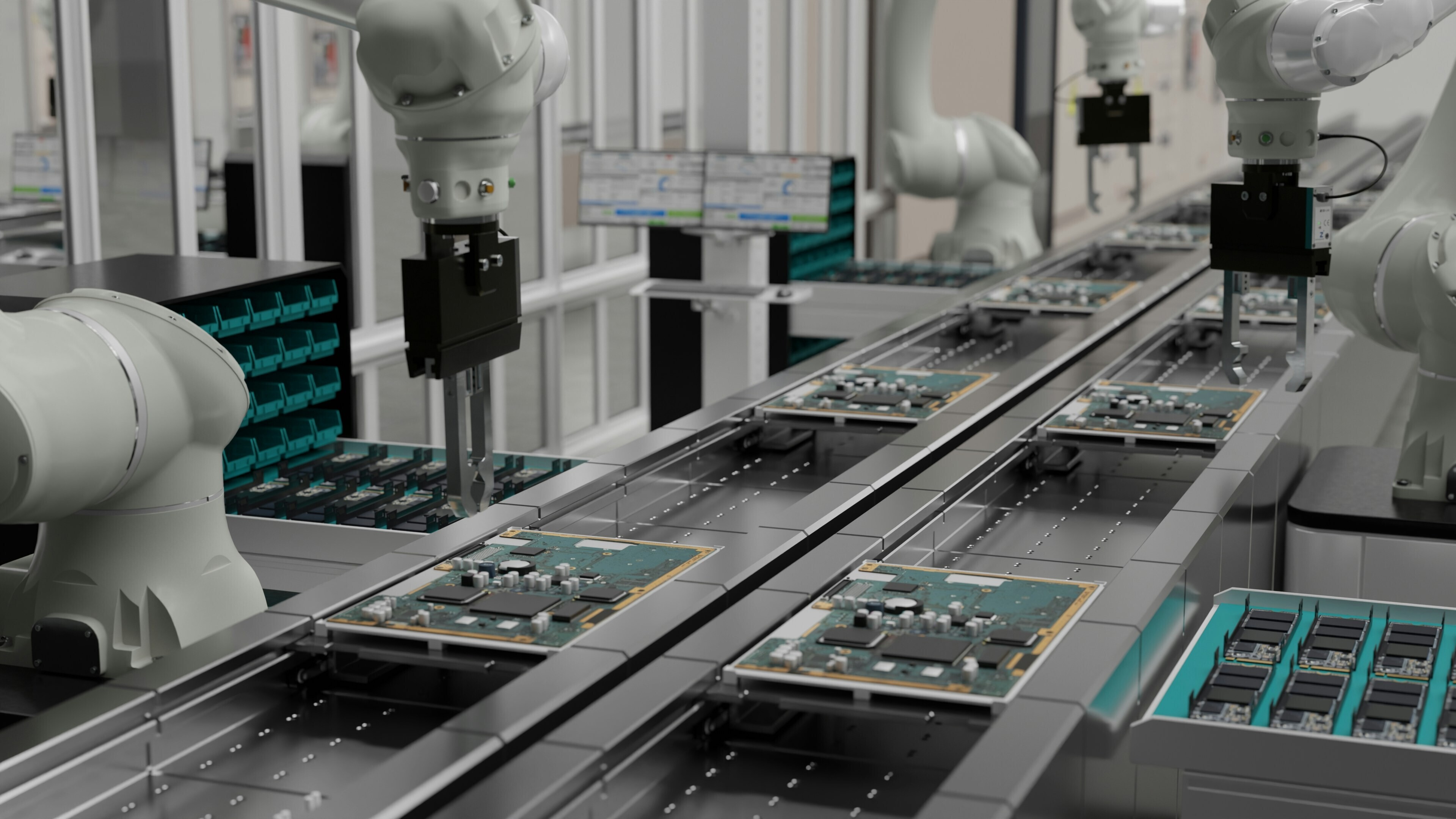
Physical AI integrates AI into machines, enabling them to adapt to their environments, revolutionizing supply chains by enhancing automation in warehouses. Current advancements allow for automated systems to learn from human inputs and operate cohesively, turning warehouses into intelligent hubs. Key benefits include optimizing storage space with automated systems, predictive analytics for inventory management, increased worker safety and efficiency, and streamlined communication throughout the supply chain. Transitioning to this advanced infrastructure is feasible through modular implementations without disrupting ongoing operations.
Physical AI in the supply chain: How its promise can be realized
The value derived from AI is fundamentally linked to human adoption and workforce readiness, rather than solely on technical capabilities. Organizations need to embrace modular, skills-based structures and foster continuous learning to enhance productivity. The ongoing demographic shifts, including an aging workforce and slower population growth, necessitate technological advancements to sustain economic productivity. As work becomes increasingly modular, organizations must adapt their models to prioritize flexibility, internal mobility, and reskilling. Data indicates that while AI usage is rising, confidence in its application is declining, highlighting that organizational readiness and employee support are critical for successful AI integration.
ICT, Education
Why human behaviour and workforce adoption will determine the value we derive from AI

The evolution toward a distributed, hybrid architecture in AI is essential for balancing economic competitiveness and digital sovereignty. Current market trends show a concentration of AI development among a few large providers, leading to potential sovereign vulnerability. By processing data closer to its source and utilizing “agentic AI,” organizations can safeguard proprietary information while enhancing operational efficiency. This model allows for improved latency and energy sustainability, facilitating a localized approach to AI that supports diversity in regional capabilities. Thus, countries and businesses can align competitiveness with sovereignty, fostering a more resilient AI ecosystem.
Barbados, Colombia, Costa Rica, Denmark, Egypt, Estonia, Ethiopia, Finland, Georgia, Germany, Ghana, India, Indonesia, Ireland, Israel, Jamaica, Japan, Jordan, Kenya, Luxembourg, Malaysia, Mozambique, New Zealand, Paraguay, Peru, Philippines, Republic of Korea, Russian Federation, Senegal, Singapore, Sweden, Switzerland, Taiwan, China, Tanzania, Tunisia, Uganda, Ukraine, United Arab Emirates, United Kingdom, Uruguay, Zimbabwe | Financial services, ICT, Health, Education
AI’s future: Plotting a path to competitiveness and digital sovereignty
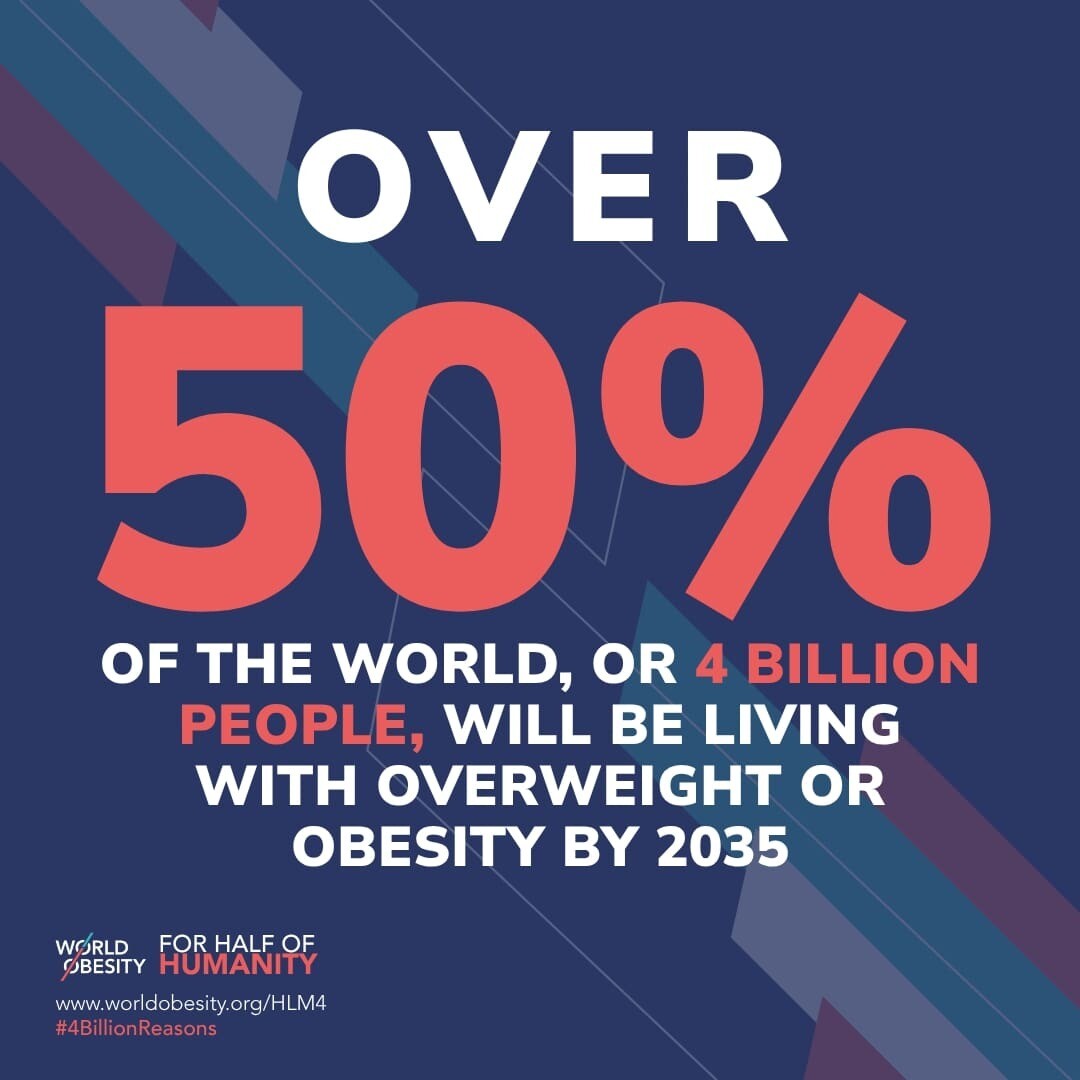
Chronic diseases like obesity and diabetes significantly impact productivity and economic resilience, making them a pressing concern for governments, employers, and insurers. As these conditions strain health systems and contribute to absenteeism, strategies addressing obesity can enhance workforce participation and economic growth. Investment in health initiatives could potentially add $11 trillion to the global economy by 2050. The rise of digital health platforms offers scalable solutions for obesity prevention and management but requires modernized policies for effective implementation. Ultimately, prioritizing health is crucial for fostering a productive and stable labor force.
Health
For healthier employees and productivity, it's time to act on chronic diseases