
In the AI era, human skills are becoming the key differentiator in the workforce, prompting a reevaluation of educational approaches. Traditional liberal arts education faces declines due to perceptions of irrelevance, yet it continues to cultivate essential noncognitive skills like creativity and critical thinking. As AI automates analysis and intellectual tasks, it threatens human agency by potentially replacing traditional learning methods. To adapt, education must shift towards experiential learning—utilizing internships, community engagement, and research—that fosters these skills through practice rather than theoretical study.
Education
In the age of AI, human skills are the new advantage

Artificial intelligence (AI) is becoming integral to business operations, significantly enhancing efficiency while also presenting risks. Human judgment remains essential in complex situations despite AI's advancements. A comprehensive framework is crucial for managing AI's role in decision-making, with responsibilities clearly defined for business leaders who are accountable for AI outcomes. AI can advise, augment, or automate decisions, but certain fundamental rights should never be delegated to it. Organizations are encouraged to establish clear governance models and regularly review their AI systems to ensure effective human-machine interactions and maintain trust and fairness in the workplace.
Education
An AI playbook for working with non-human minds
The rise of AI necessitates greater human creativity in the creative industry. Professionals must guide AI to avoid brand sameness and foster cultural relevance. While AI enhances efficiency, it risks creating uniformity, prompting an urgent need for deeper creativity. As reported, 79% of CMOs recognize the dangers of algorithm-driven sameness, emphasizing the importance of human qualities. Future creatives must master AI while exploring human culture, balancing commercial success with emotional connection. Successful brands will embody uniqueness and purpose, employing technology not merely for efficiency but for societal impact. Human-centered creativity will distinguish brands in an AI-driven landscape.
Education
As AI rises, so does the need for more human creativity

Students increasingly use generative AI like ChatGPT for homework, prompting educators to adapt AI as a teaching tool rather than a crutch. Robert Bray and Sébastien Martin developed a customized AI tutor for an MBA data-analytics course, which interacted with students to encourage problem-solving rather than providing answers. A study showed that students preferred the AI tutor over standard ChatGPT, with 47% reporting a very positive experience compared to 26% for ChatGPT. Although the AI tutor didn’t affect homework completion time or quiz scores, it significantly improved student engagement, illustrating potential uses for AI in training across various fields.
Education
Say Hello to Your New AI Study Buddy
Uzzi's experiment reveals that AI does not surpass human creativity, as both students and a chatbot produced similar average scores on a word association task. While AI tends to generate average responses from a limited vocabulary, humans can provide more original ideas by leveraging their broader linguistic knowledge. The study highlights the risks of relying on AI for quick answers, which can stifle creative thinking. Instead, Uzzi suggests using AI as a collaborator for developing problem-solving processes rather than seeking direct answers. This approach can enhance creative outcomes by encouraging differentiation and deeper exploration of ideas.
Education
When It Comes to Creativity, AI Doesn’t Always Have the Answer
Companies can drive system change by collaborating with various stakeholders, including automakers, battery manufacturers, utility companies, and governments, to address social and environmental challenges effectively. The electric vehicle market exemplifies this, as its rapid growth resulted from coordinated efforts that improved infrastructure, production, and consumer acceptance. Successful innovation requires understanding both centralized stakeholders, who control significant resources and policy direction, and diffused stakeholders, like end users, whose collective influence is crucial for adoption. Companies must leverage their unique power dynamics—legitimate, coercive, and referent—to engage these groups and reshape industry norms for sustainable impact.
Financial services, Health, Education
How companies can use power and partnerships to drive system change
Demographic changes are leading to slower population growth and rapid aging, posing significant challenges to healthcare, pensions, and labor markets in advanced economies. Fertility rates are below replacement levels, while life expectancy is rising. This demographic shift calls for urgent reforms, as existing systems may not sustain economic growth. Migration could alleviate labor shortages but requires careful management. Transforming healthcare to improve efficiency and extending active lives are essential strategies. For pensions, raising retirement ages and linking benefits to contributions are crucial. Addressing these challenges can turn demographic trends into opportunities for growth.
Latin America | Education, Health
The Demographic Challenge
Businesses across various sectors, including cinemas and retail, can leverage data insights to enhance customer understanding, drive value, and improve performance. Data analytics facilitates a shift from traditional top-down business models to customer-centered approaches, exemplified by companies like Netflix. By utilizing customer demographics and transaction data, businesses can create tailored offers and improve service quality. Additionally, data helps manage capacity issues through forecasting and effective scheduling, as seen in cinemas adopting VIP screenings and promotional strategies to optimize attendance. Overall, effective data usage is crucial for competitiveness.
Education
Using data to drive better business decisions
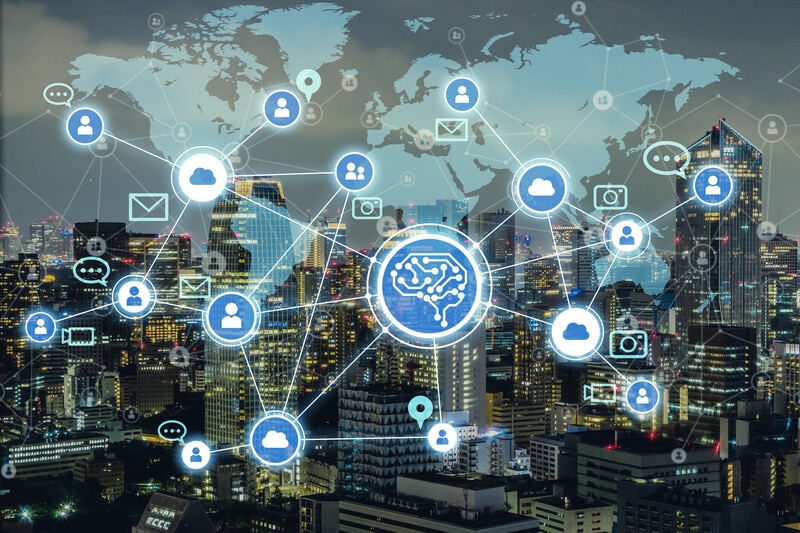
Neurosymbolic AI (NSAI) combines statistical and symbolic AI, enabling actionable decision-making grounded in real-world outcomes without the hallucinations common in generative AI. It integrates logic and causal structures, facilitating complex analyses that reveal insights across various sectors, such as finance, consumer products, and drug development. NSAI generates transparent, auditable outputs and adheres to ethical guidelines, making it suitable for understanding complex data relationships. Its capability to uncover deep causal links enhances growth opportunities and elevates efficiency, ultimately contributing to personalized experiences and accelerated medical treatments.
No hallucinations, auditable workings, real-world outcomes: the power of neurosymbolic AI
The book "Citizen Sensing for Risk Response" by Anna Berti Suman examines how 'sensing citizens' can impact risk governance by addressing informational gaps in official sources. It highlights grassroots environmental monitoring through personal observations or sensor technology, emphasizing citizen sensing as a proactive approach to crises. This method allows individuals to visualize and report environmental health risks, thereby enriching institutional governance. It reveals concerns about perceived legitimacy in current risk governance, suggesting citizen sensing promotes a more inclusive and transparent governmental response to local challenges.
Health
Citizen Sensing for Risk Response

Davos 2026 will focus on five defining questions: 

1. How can global cooperation be enhanced in a contested world?
2. What are new sources of economic growth?
3. How can investment in people be improved?
4. How can innovation be scaled and used responsibly?
5. How can prosperity be achieved within planetary limits?

Discussions will address humanitarian aid, regional alliances, emerging economic trends, skill development for the new economy, technology in healthcare, and strategies for climate finance.
Financial services, Health
5 defining questions for 2026
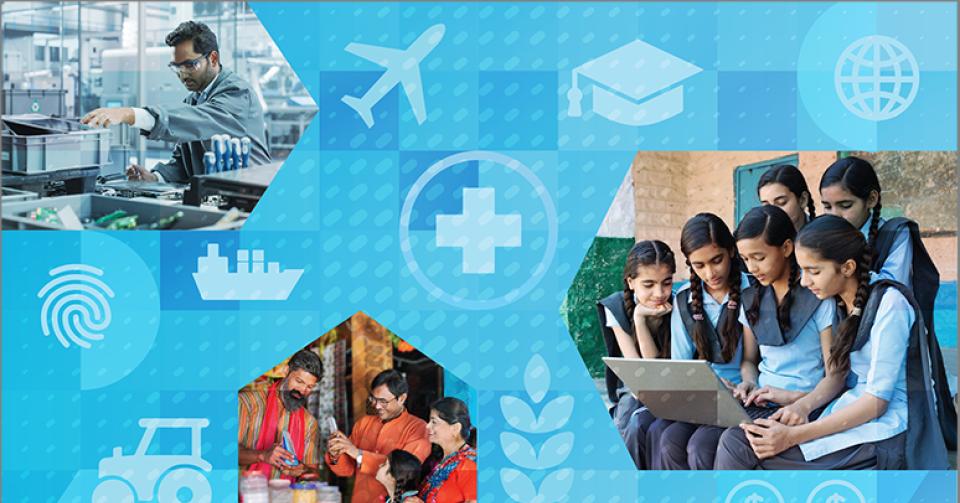
Digital Public Infrastructure (DPI) is vital for secure digital identity, interoperable payment systems, and data exchange. It serves as the foundation for digital economies, being adopted in various sectors including health, education, and agriculture across South Asia. The examination covers six countries: Bangladesh, Bhutan, India, Maldives, Nepal, and Sri Lanka, identifying gaps, challenges, and opportunities. It also includes lessons from global DPI implementations and provides insights on enhancing development outcomes through effective DPI utilization.
Bangladesh | ICT
Digital Public Infrastructure: Landscape and Opportunities in South Asia
AI's future is uncertain and marked by contradictions. While it promises benefits in sectors like healthcare and manufacturing, challenges such as job displacement, rising energy demands, and social inequality remain pressing. Experts predict the creation of 78 million new jobs by 2030, despite 92 million being displaced, highlighting a need for skills unique to humans. The "productivity paradox" suggests that AI adoption can initially hurt productivity before long-term gains manifest. As AI continues to evolve, balancing its implementation with human oversight and adaptation will be crucial for future success.
Education
AI paradoxes: 5 contradictions to watch in 2026 and why AI's future isn't straightforward
The LSE Business Review highlights the ten most read posts of 2025, with a prominent focus on artificial intelligence. Key articles include an interview with Suzanne Heywood about her unique childhood, discussions on cultural influences in health decisions, and the emergence of drones in modern warfare. Other topics explored are America’s decline, the philosophies behind the US-China tech war, and the social benefits versus academic advantages of elite universities. Notably, the articles address the implications of AI in decision-making, the concept of universal basic income, UK economic challenges, and the global race for sovereign AI.
What readers of LSE Business Review read most in 2025
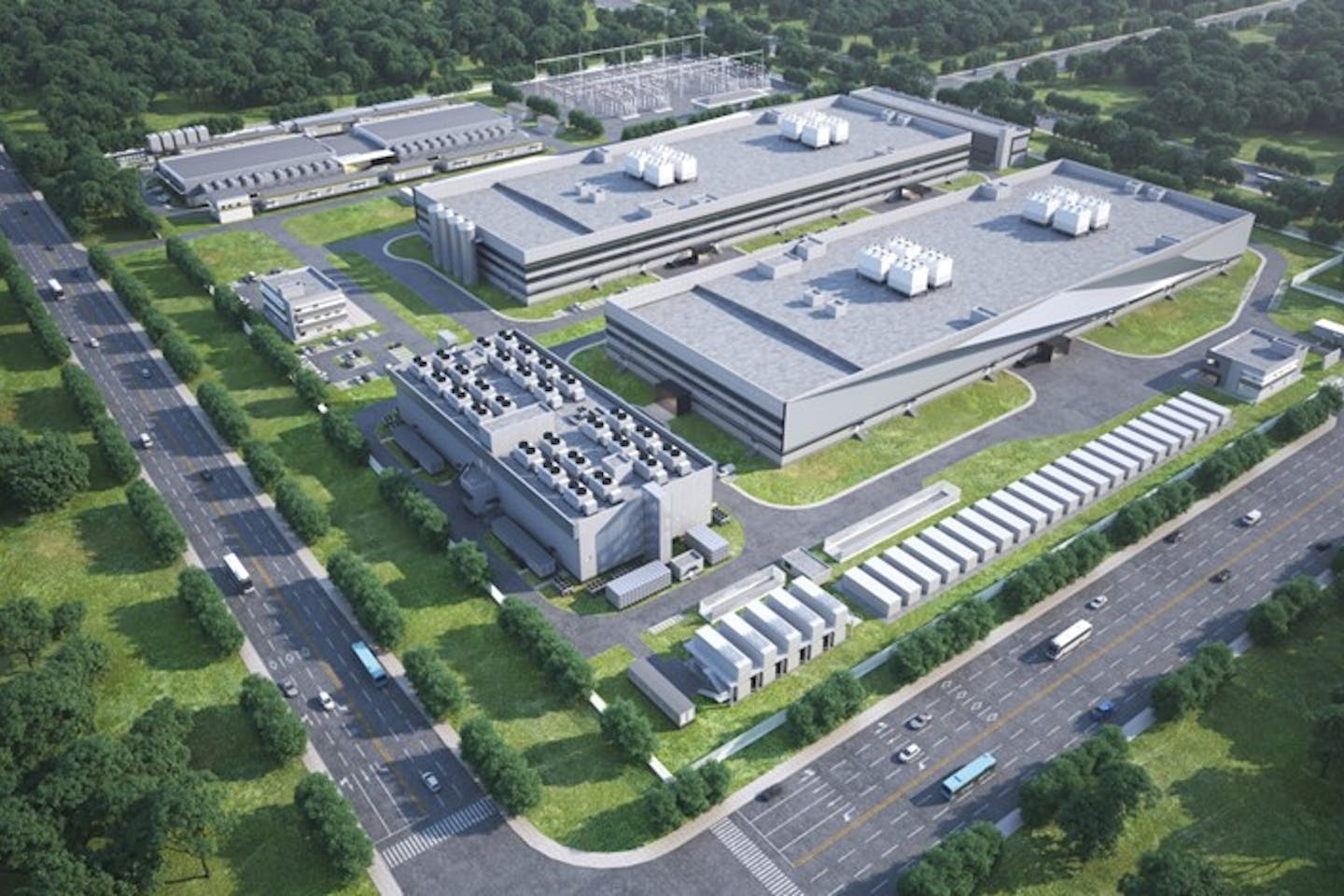
The Asia Pacific is set for significant sustainability advancements by 2026, driven by a surge in renewable energy and technological integration. The region's renewable capacity is projected to nearly double by the decade's end, supporting the long-awaited ASEAN Power Grid (APG) for cross-border electricity trade, primarily through solar power and offshore wind initiatives. However, the region's reliance on fossil fuels necessitates investment in battery storage solutions to ensure grid reliability. Geothermal energy also shows potential, particularly in Indonesia and the Philippines, with new financial mechanisms to accelerate development. Stricter environmental regulations may emerge as AI adoption grows.
India, Indonesia, Philippines, Singapore, Taiwan, China, Thailand | Financial services
Five trends that will shape sustainability in Asia Pacific in 2026
The world is projected to face a 56% freshwater deficit by 2030, driven by increasing populations and resource demands. This scarcity presents a unique opportunity for businesses to lead through sustainable water management. AI technology's growth will heighten pressure on water resources, as it requires significant water for cooling in data centers and manufacturing. Circular water solutions, which focus on reusing and recycling water, can enhance operational efficiency and sustainability. Case studies from companies like Nestlé and Digital Realty illustrate the potential cost savings and environmental benefits of adopting these practices. Addressing water challenges is crucial for unlocking growth and maintaining trust with consumers.
Education
How water can unleash growth in the era of AI

Taiwan faces a growing shortage of nearly 30,000 green-collar workers as demand surges due to net zero and sustainability goals, a marked increase from eight years ago. The Ministry of Environment reports that software, engineering, biotechnology, and medical research roles are most affected. The semiconductor and ICT sectors alone account for 21% of the unmet demand. With green technology contributing NT$512.3 billion to the economy in 2024, the government is working to enhance training programs and certification to meet this need. Globally, green skill vacancies are expected to rise sharply, underscoring a significant skills gap that threatens climate objectives.
Singapore, Taiwan, China | Education
Taiwan’s green jobs gap nears 30,000 as net zero drive lifts demand
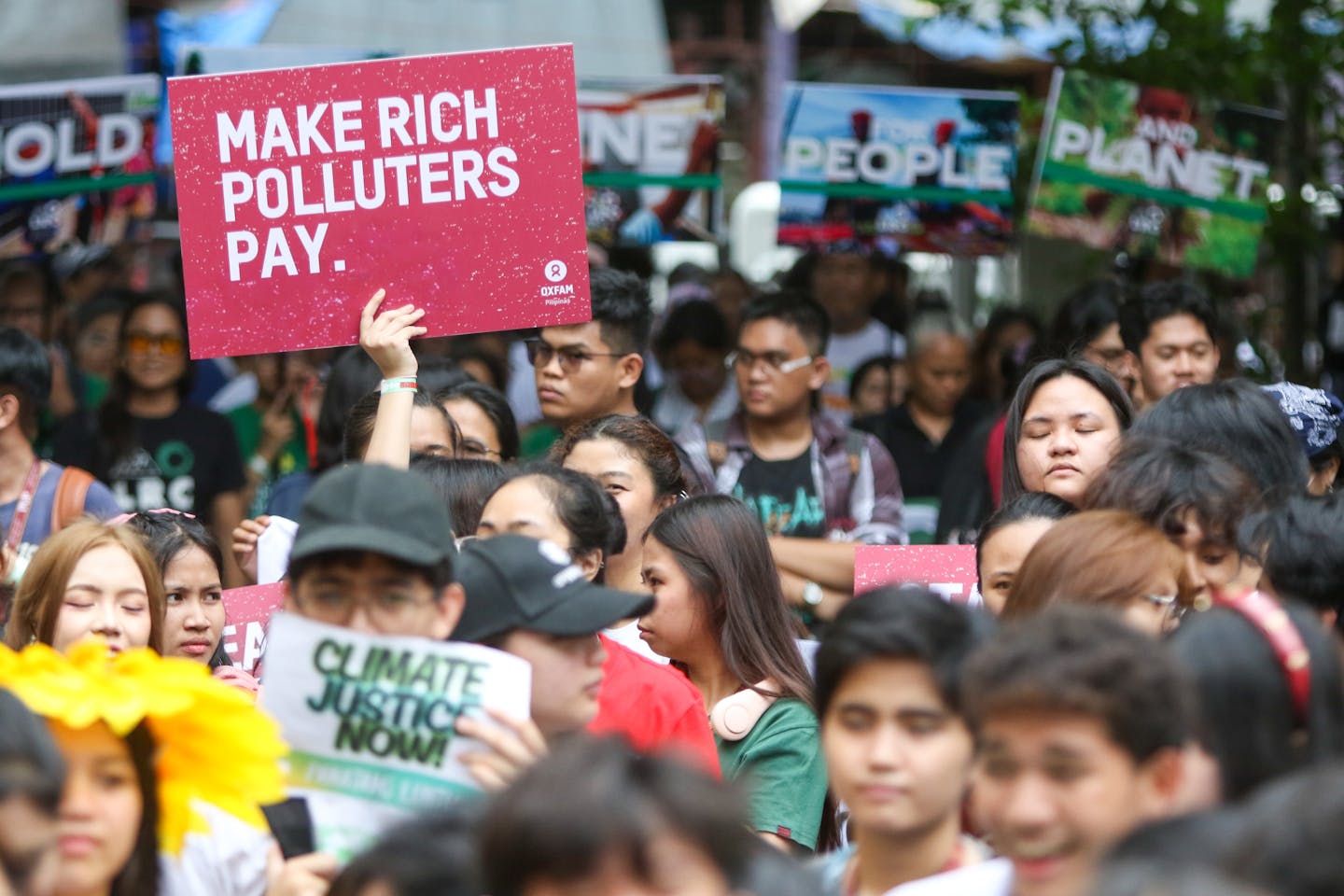
In 2025, major climate, nature, and development stories in Asia highlighted urgent issues like weak governance and extreme weather impacts. Key events included Philippine President Ferdinand Marcos Jr. addressing corruption in flood control projects following devastating typhoons, and the challenges faced by Southeast Asian philanthropies due to cuts in U.S. foreign aid. The Gates Foundation committed US$100 million to enhance health outcomes in the region. A decline in corporate use of the term "ESG" indicated a shift in sustainability discourse, reflecting concerns over greenwashing and regulatory uncertainty. Overall, these narratives underscored a complex landscape for climate action in Asia.
Eswatini, Indonesia, Malaysia, Nigeria, Philippines, Senegal, Singapore, Thailand | Financial services, Health
Eco-Business’ 10 most read stories of 2025

Agroforestry plays a significant role in building climate resilience by restoring degraded landscapes and creating sustainable systems that connect nature, livelihoods, and communities. Case studies in Bangladesh, Cambodia, and the Philippines identify barriers to adopting agroforestry practices and highlight opportunities for enhanced public and private sector participation, emphasizing the need for an enabling environment to guide investments and support evidence-based decisions in agroforestry.
Investing in Agroforestry: A Strategy for Building Climate Resilience
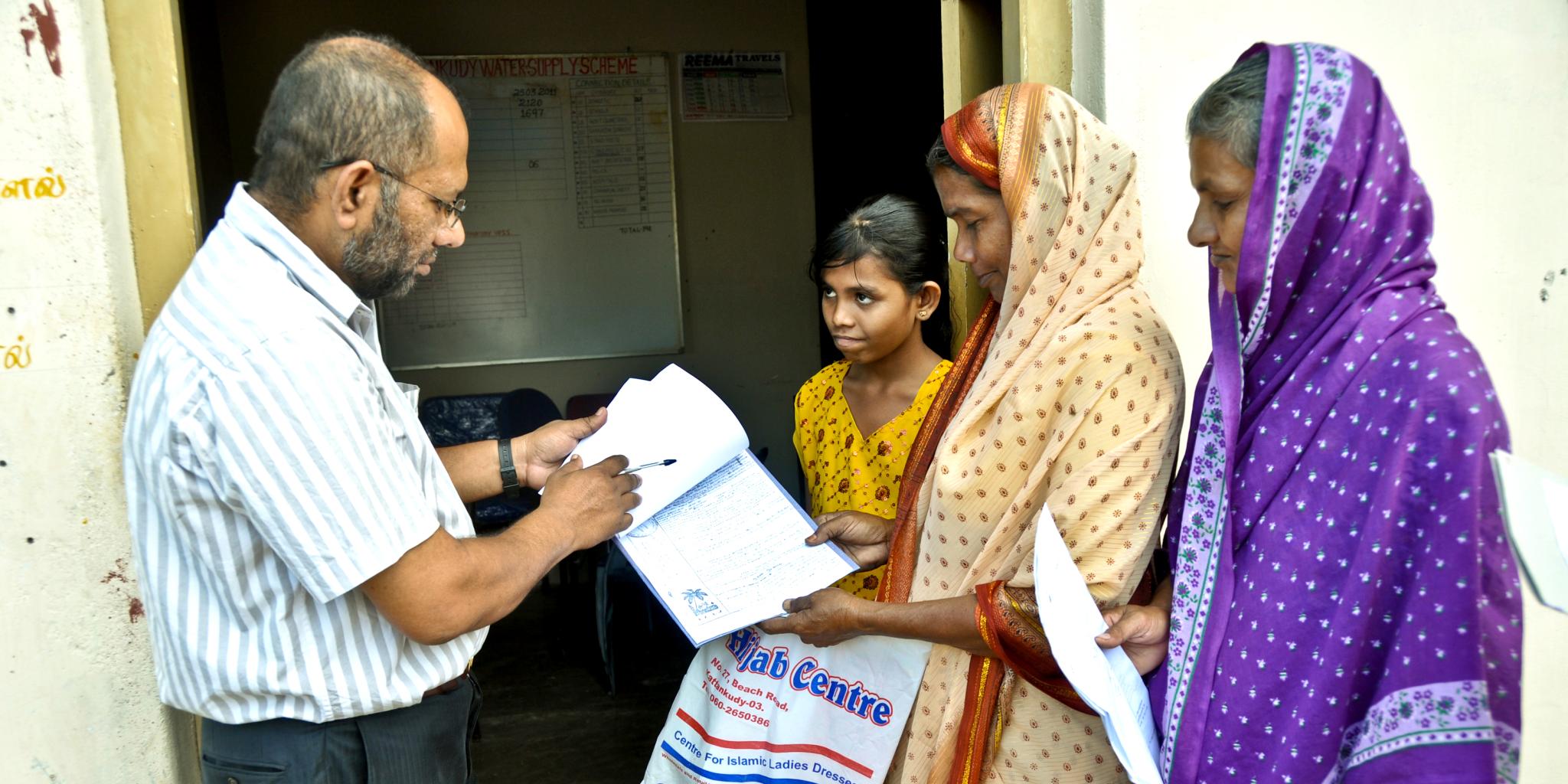
Adaptive Social Protection (ASP) systems are designed to enhance resilience and provide timely support to vulnerable households during crises like natural disasters and economic shocks. Traditional social protection often fails to address large-scale emergencies effectively; thus, ASP extends existing programs to swiftly identify affected populations and deliver aid through vertical (increased benefits) and horizontal (expanded beneficiary base) strategies. Sri Lanka's experience during the COVID-19 pandemic highlighted successful implementations of ASP, integrating social registries and early warning systems to coordinate targeted assistance. This proactive approach aims to mitigate the impact of climate change and minimize poverty among at-risk populations.
Bangladesh | Financial services, Health
Adaptive Social Protection Against Climate and Economic Shocks in Sri Lanka