
The publication explores transition finance frameworks, initiatives, and risks associated with climate transition due to policy changes, technological advancements, and shifting investor preferences. It highlights the finance sector's potential to expand the investor base and contribute to global decarbonization through collective action. Key topics include the financing of hard-to-abate sectors, challenges related to green bonds, and the need for improved climate risk management and information disclosure in banks.
Health, Financial services
Transition Finance Trends, Challenges, and Finance Sector Implications

Indigenous protests at COP30 highlighted critical demands for secure territorial rights, forest protection, and an end to extractive industries, emphasizing the link between the climate crisis and underlying social injustices. These themes resonated at the Nyéléni Global Forum on Food Sovereignty in Sri Lanka, where over a thousand grassroots activists gathered to advocate for agroecology, people-centered land rights, and sustainable practices amid increasing vulnerabilities faced by marginalized communities. The Kandy Declaration emerged from the forum, condemning corporate-driven exploitation and calling for the full implementation of international rights frameworks for Indigenous peoples and rural workers.
Sri Lanka
Indigenous voices shape fight for climate, food sovereignty from COP30 to Sri Lanka
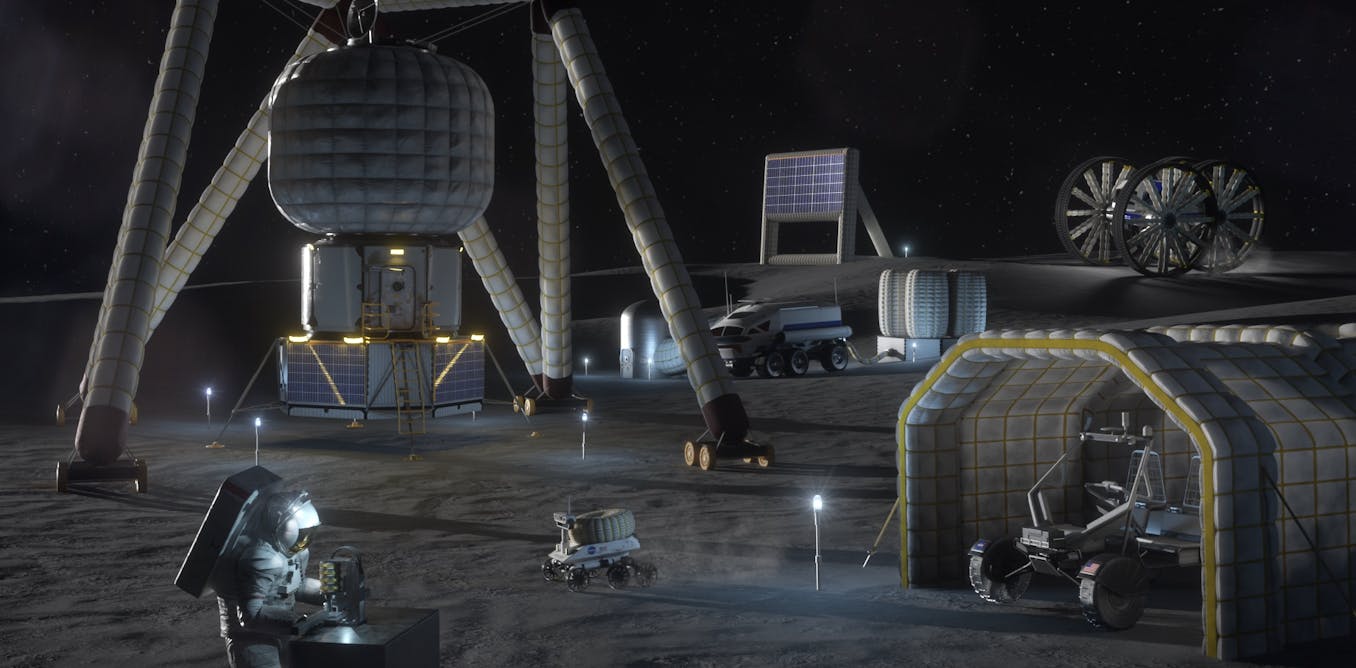
The Moon's abundant resources, including helium-3, platinum group metals, and water ice, are attracting companies and nations to initiate mining operations. Seattle's Interlune, for example, is developing a lunar excavator targeting helium-3 extraction by 2029, while NASA and other countries are conducting various exploratory missions. However, current international laws governing lunar resource exploitation, established in the 1967 Outer Space Treaty, are outdated and vague, particularly regarding private entity rights. There is a pressing need for clear international regulations to address property rights and ensure equitable benefit-sharing, amid concerns over environmental impacts and scientific disruption from mining activities.
The race to mine the Moon is on – and it urgently needs some clear international rules

European leaders need to formulate a coherent response to the U.S. accusation of "civilizational erasure," described in a recent national security strategy. The strategy implies concerns about declining European values and rising immigration, contrasting with the U.S.’s own issues of happiness and health outcomes. Despite this perceived threat, Europe is not facing actual erasure but must address its lack of strategy. Europe should seize the opportunity to fill the void left by U.S. retrenchment, focus on human rights, and lead a reform of multilateralism to enhance the effectiveness of international organizations. A unified European approach is essential for addressing these challenges.
Africa
Europe must reject Trump’s nonsense accusations of ‘civilizational erasure’ – but it urgently needs a strategy of its own
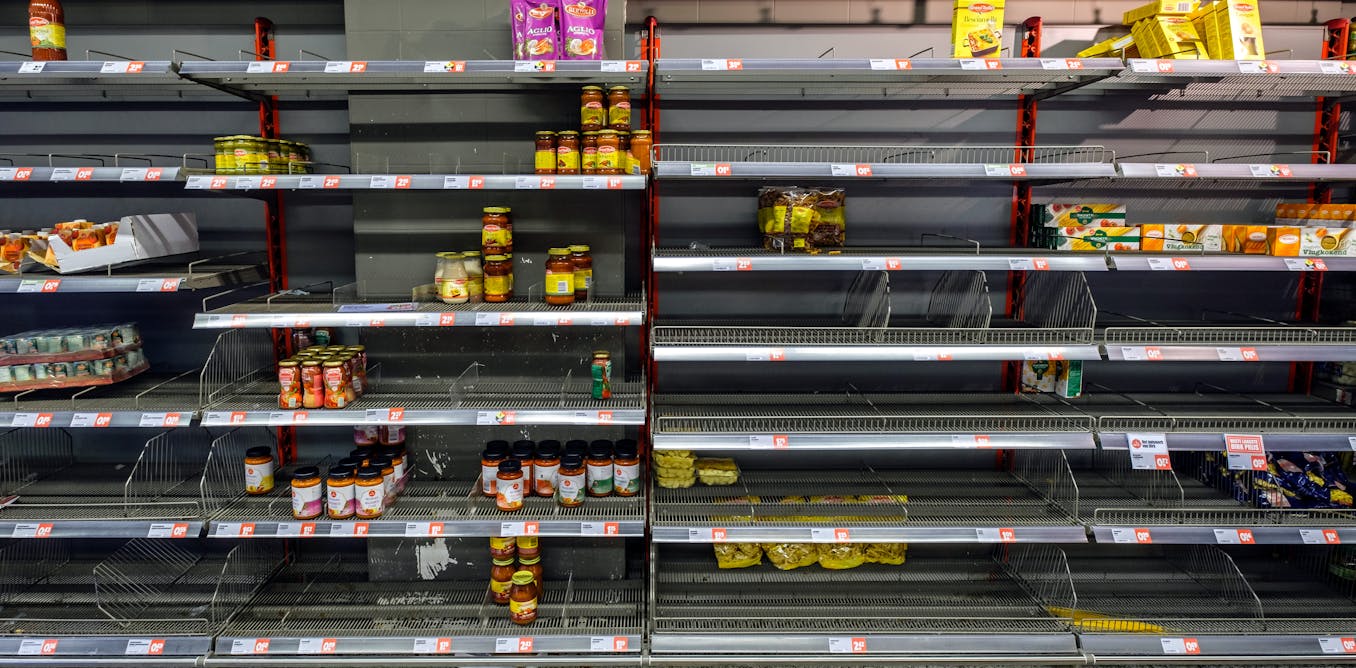
Extreme weather events, such as Storm Amy, significantly disrupt UK farming, affecting productivity and transportation. A survey indicated that 87% of farmers experienced lower yields due to adverse weather conditions, while supermarkets face higher food prices linked to these disruptions. The lack of clear, connected information among farmers, retailers, and public agencies hampers timely decision-making and exacerbates food supply issues. A proposed shared early-warning system could enhance coordination across the food supply chain, helping to mitigate the impacts of extreme weather. Current initiatives aim to develop consistent data standards, but urgent improvements in real-time information sharing are needed.
Farmers and supermarkets worry that extreme weather will stop food getting to consumers – here’s what needs to change
In 2025, significant challenges and advancements emerged in nature and climate issues. Seven of the nine planetary boundaries have been breached, with ocean acidity reaching critical levels. Extreme weather is projected to incur $145 billion in insured losses, while early warning systems have been implemented in 60% of countries, though gaps remain in small island states. Negotiations for a global plastics treaty failed, but efforts continue, particularly in Vietnam. Notably, renewable energy surpassed coal in electricity production for the first time, primarily driven by a surge in solar energy generation.
Africa | Health
The top nature and climate stories of 2025

Trump's approach to Venezuela appears inconsistent and lacks a clear rationale, with escalating military actions and rhetoric about drug trafficking. Despite his administration's claims that targeting Venezuela is essential for homeland security, criticisms arise due to Trump’s prior leniency towards drug-related figures. Additionally, while the U.S. condemned Nicolás Maduro’s regime, Trump's admiration for authoritarian leaders raises questions about his motives. Ultimately, there is no coherent justification provided for the military buildup, leaving observers uncertain about the true reasons behind Trump’s aggression toward Venezuela.
What Explains Trump’s Aggression Toward Venezuela? Who Knows.
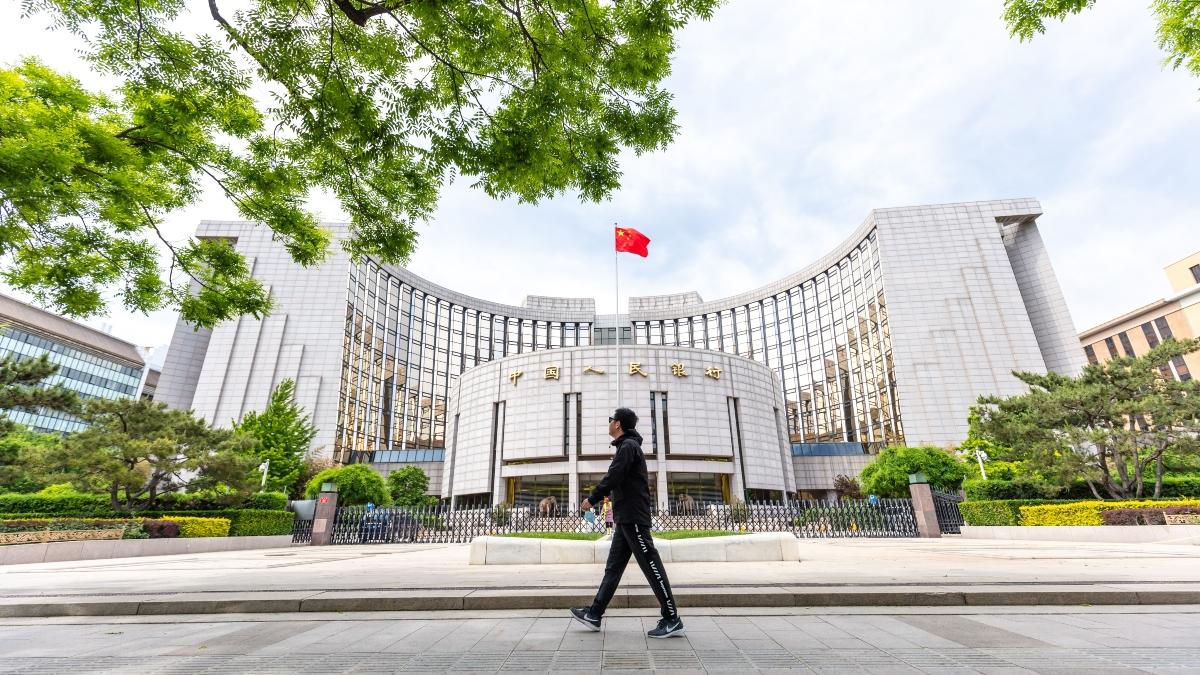
Three of the four largest central banks— the Federal Reserve, European Central Bank (ECB), and Bank of England (BoE)—have failed to translate climate-related rhetoric into decisive action, focusing instead on risk management and maintaining existing financial frameworks. The Federal Reserve abstained from participating in climate networks and has not adjusted policies to mitigate climate risks. While the ECB has pursued some initiatives, like climate stress tests, its actions remain limited and risk-focused. The BoE similarly acknowledges climate risks but limits its interventions. In contrast, the People's Bank of China actively engages in direct measures to integrate climate considerations into its monetary policy.
Financial services
While Western central banks hesitate on climate, China’s acts

Japan's Hiroshima AI Process promotes a flexible framework for harmonizing global AI governance amid diverse national approaches. As countries adopt varying models—ranging from Europe's risk-based EU AI Act to China's directive oversight—the need for cooperation is vital, particularly for the Global South, which risks external imposition of standards that could exacerbate digital inequalities. The Hiroshima AI Process introduces guiding principles and a voluntary reporting framework, encouraging transparency and accountability in AI practices. This initiative aims to foster collaboration, ensuring that AI governance reflects a diverse array of voices and priorities globally.
The Hiroshima AI Process: a third way towards common ground on AI governance
Rising global demand for critical minerals essential to the green transition presents significant economic opportunities for Southern Africa. To unlock the region's mineral potential, coordinated strategies across mining value chains are vital, emphasizing responsible exploration, processing, and in-country manufacturing. Key priorities include value chain integration, competitive commodity focus, geographic coordination, and strategic partnerships. The Industrial Development Corporation (IDC) is actively facilitating this growth by supporting bankable projects, funding mechanisms, and fostering collaborations, particularly in battery-grade mineral projects. Addressing funding challenges will be crucial for solidifying the region's position as a global supplier in critical minerals.
Democratic Republic of the Congo, South Africa, Zambia, Zimbabwe
How coordinated strategies for critical mineral mining can drive Southern Africa’s industrial growth

Robots excel in visual and spatial tasks but struggle to replicate the sophisticated human sense of touch. Human touch involves complex interactions with mechanoreceptors that respond to various stimuli and require active engagement. Research into soft robotics highlights the need for robots to develop “local intelligence” within their bodies to enhance interaction and learning through touch. An example is a robotic simulator, Mona, designed to train occupational therapists by providing realistic tactile feedback. As society ages, robots with advanced sensory capabilities could significantly impact healthcare and social care by offering compassionate assistance.
The science of human touch – and why it’s so hard to replicate in robots
Danish climate activism emphasizes joy, creativity, and community engagement over traditional protest methods. Grassroots movements in Denmark, such as Arternes Ambassadører and Den Grønne Ungdomsbevægelse, focus on imaginative actions like repair cafes, community gardens, and storytelling to promote sustainable living. This approach fosters local resilience and combats burnout among activists, reshaping perceptions of ecological living as fulfilling rather than sacrificial. Historical cooperative traditions influence these movements, suggesting that collaborative efforts can facilitate meaningful change, which may serve as a model for activism worldwide.
Denmark
What these Danish activists can teach the rest of the world about fighting climate crisis

Corporate art museums in Japan are integral to fostering cultural connections and social cohesion. They lead in technological innovation, utilizing AI and AR to enhance artistic engagement. While primarily operated by companies, these museums share art collections to contribute to cultural well-being rather than business interests. Their existence promotes social inclusion and trust between corporations and communities, recognized as part of corporate responsibility. Additionally, they enrich regional culture, support community resilience, and adapt to evolving visitor experiences through technology, reinforcing their significance in Japan’s cultural landscape.
Japan | Education
The role of corporate art museums in fostering cultural connection in Japan
Data centres are increasingly reliant on critical metals and minerals, particularly as AI technologies drive higher material demands. By 2030, data centre capacity is projected to nearly double, with significant quantities of metals such as copper and steel essential for power and cooling systems. Challenges include unpredictable access to minerals, long equipment lead times due to supply chain bottlenecks, and a systemic concentration of demand for a limited set of metals. Building resilience requires coordinated efforts across the value chain, emphasizing enhanced transparency, planning, and collaboration among all stakeholders.
United Kingdom | Financial services, Education, ICT
Metals at scale for AI at scale: securing the data centre materials backbone
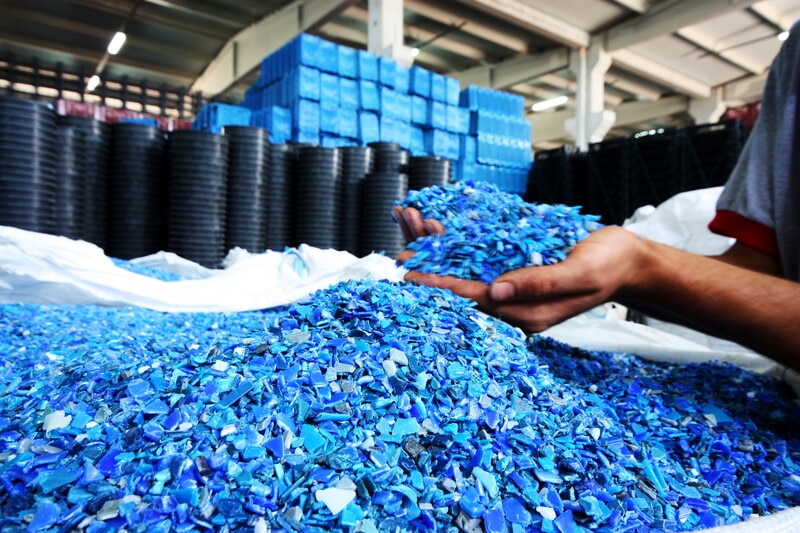
Global environmental efforts are shifting focus from stalled treaty negotiations to enhancing infrastructure for a circular economy. Despite the setbacks at the Global Plastics Treaty talks, there is increasing recognition of the need for harmonized data systems to connect various regulations and facilitate material flow across regions. The divide between the Global North, focused on data integration, and the Global South, facing infrastructure and inclusion challenges, highlights the necessity for a unified approach. Overcoming systemic hurdles such as data deficits, capital gaps, and informal sector participation is crucial for realizing circularity, with emphasis on interoperable frameworks and inclusive financing strategies.
Latin America | Financial services, Education
Building the circular economy after global negotiations stall
The accelerating electrification and digitalization have increased demand for minerals and metals essential for electric vehicles, data centers, and power grids, outpacing mining and refining capacity. Refining is concentrated regionally, and new trade policies introduce further uncertainty. Many companies lack clear visibility into their mineral dependencies and shared risks. Drawing on market data and insights from over 65 industry leaders, the report maps interconnections across mining, refining, components, and end products, identifies vulnerabilities, and highlights early-warning signals. It recommends collaborative strategies to build resilience, including diversifying supply, improving efficiency, adopting substitutes, and enhancing circularity, while stressing the need for improved data, common standards, and coordinated action.
Venezuela | Financial services
From Minerals to Megawatts: Building Resilience for EVs, Data Centres and Power Grids
AI shopping agents are transforming retail by enhancing how consumers discover and purchase products. Two main types are emerging: customer-facing agents, like ChatGPT, aiding individual shoppers, and retailer-owned agents that optimize product discovery within retail ecosystems. These agents facilitate personalized, conversational searches, leading to a shift from traditional search engines to interactive, tailored exchanges. Recent advancements enable AI agents to perform actions like auto-carting and purchasing, significantly increasing traffic to retail sites.

However, retailers must adapt to ensure accurate product data or risk losing visibility and relevance. The rapid evolution of AI in retail speeds up transaction processes, suggesting a pressing need for retailers to embrace these technologies to maintain growth and competitiveness.
What AI shopping agents will mean for customers and retailers

Current global development trends could lead to catastrophic climate change, biodiversity loss, and significant economic losses, according to a UNEP report. Investments in key areas—climate change, biodiversity, pollution, and land degradation—could generate trillions for the global economy while alleviating hunger and poverty. An estimated annual investment of $8 trillion is necessary to achieve net-zero emissions by 2050, contrasting with potential losses from ecosystem degradation which could reach $44 trillion annually. The report also calls for moving beyond GDP as a measure of economic health to incorporate other metrics reflecting environmental sustainability.
Nigeria, United Kingdom | Financial services, Health
The world is closer than ever to climate tipping points, but better investments can change that: UNEP

Next-generation medicines require evolved healthcare systems to ensure equitable access for patients. Despite significant advances in medical science and technology, many healthcare systems lag behind, hindering rapid treatment availability. Investment is essential for developing robust frameworks that accommodate complex therapies based on genetic data and digital tools. Recommendations include adopting a 'single dossier' approach for expedited regulatory approvals and evolving pricing models to reflect comprehensive value, encompassing long-term benefits. Integrating patient insights into healthcare processes is crucial for ensuring better outcomes and a more patient-centered system.
Africa | Financial services, ICT, Education, Health
Why next-generation medicines need more evolved healthcare systems to reach patients

China's overseas clean energy investments have surged to over $180 billion since early 2023, marking an 80% increase within a year. This growth is reshaping global power dynamics as developing nations seek energy security and alternatives to U.S. influence. Countries worldwide are implementing green industrial policies to attract Chinese capital, resulting in joint ventures and significant infrastructure projects across various regions. While these partnerships promise cheaper power and technology upgrades, there are concerns over dependence on China and the need to balance foreign investment with local industry protection.
Canada, India, Malaysia, Taiwan, China, United Kingdom | Financial services
China’s $180bn cleantech push shifts global alliances as nations hedge against US uncertainty: report