
AI companies and the creative industries are engaged in numerous copyright lawsuits. A significant case involves Getty Images suing Stability AI in the UK, alleging unauthorized use of its images to train Stable Diffusion. The UK court ruled that training occurred outside the UK, leading to a focus on "secondary infringement." The judge decided that while the model was not a physical "article," it did not contain infringing copies, resulting in Getty losing the case.

In contrast, GEMA sued OpenAI in Germany over song lyrics used in ChatGPT, resulting in a win for GEMA. The German court held that the model embodies the content, affirming that AI developers are liable for infringements. Both cases highlight differing interpretations of copyright application to AI training, with calls for future agreements benefiting creators and AI innovations.
Education
Two AI copyright cases, two very different outcomes – here’s why
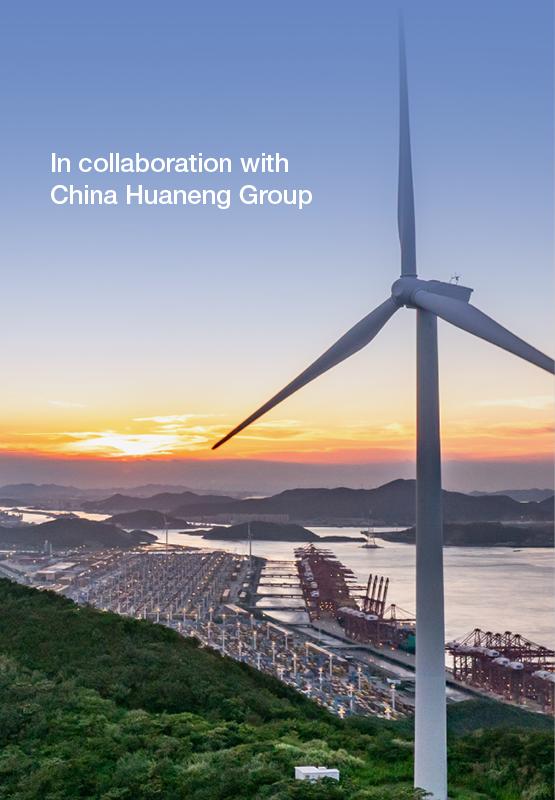
Extreme weather events necessitate a strategic focus on the security and stability of utilities infrastructure for businesses and governments. China is leveraging policy, technology, and finance to create a global blueprint for infrastructure resilience against climate change. The report advocates for a dual strategy of reducing emissions and adapting to climate shifts, introducing “Resilience 2.0” to institutionalize adaptation through digital means and innovative financial models. It emphasizes anticipatory governance, cross-sector collaboration, and data-driven innovation to promote a dynamic approach to resilience that protects lives and livelihoods.
Nigeria | ICT, Financial services, Health
Building Climate-Resilient Utilities: Lessons from China and Future Pathways

The AI-energy nexus significantly influences the development and impact of artificial intelligence. AI's rapid growth demands increased energy, water, and critical minerals, which can strain resources and communities. By 2030, data centers may consume 945 TWh of electricity and 450 million gallons of water daily, underscoring the urgent need for integrated resource strategies. The supply of critical minerals faces geopolitical vulnerabilities, and growing resource competition exacerbates social and environmental risks. To maximize AI's potential while ensuring sustainability, collaborative and holistic approaches to managing these interconnected challenges are essential.
Financial services, Education
The AI-energy nexus will determine AI’s impact. We must account for it better
EU Cohesion Policy funding significantly influences local election outcomes by enhancing the electoral support of incumbent mayors who secure substantial, visible EU-funded projects. Research analyzed 1.5 million EU projects across Italy and found that mayors in economically lagging and fast-growing regions benefit most from these funds. A 1% increase in new EU project funding corresponds to a 1% increase in the mayor's margin of victory, especially in less developed areas. Moreover, public service and infrastructure projects yield stronger political returns than business support initiatives, highlighting the importance of project visibility and local economic conditions in shaping voter behavior.
Latin America
How European funds shape local elections

A new framework by Professor Gorgi Krlev and colleagues redefines literature reviews in the age of AI, emphasizing their evolving role in academic research. An analysis of over 1,400 literature reviews since the 1980s identifies ten distinct purposes, categorized into four directions: ordering, renovating, expanding, and reshaping. While AI can automate routine tasks, human reviewers are vital for interpretation and direction-setting. Future literature reviews will benefit from collaborative practices and diverse methodologies, aiming to enhance relevance and resilience in research fields. The focus shifts towards sensemaking, interpreting knowledge rather than mere summarization.
Education
From Stocktaking to Sensemaking: The Future of the Literature Review

Asia’s banking sector is beginning to recognize the financial, climate, and nature-related risks associated with food and agriculture, according to a study by Asia Research & Engagement. The report analyzes public disclosures from 24 banks in Southeast Asia and India related to their support for sustainable protein systems. While some banks, like those in Singapore, have adopted responsible lending practices, gaps in policies regarding animal welfare and climate risks persist. Transition financing for sustainable food systems remains largely unexplored, with a call for banks to enhance frameworks to address climate resilience and nutritional security.
Bangladesh, Burkina Faso, Indonesia, Malaysia, Singapore | Financial services
Asia’s banks are failing to grasp growing food system risks: study

ASEAN is set to emerge as the world's fourth-largest economy by 2030, driven largely by a booming digital economy projected to exceed $560 billion. To fully realize this potential, there must be increased funding for micro, small, and medium enterprises (MSMEs), which represent over 97% of businesses in the region. Collaboration between public and private sectors is essential to unlock capital for MSMEs, enhance regulatory harmonization, and bolster digitalization while ensuring cybersecurity protections. Supporting inclusive growth will be crucial for sustaining economic development and job creation in South-East Asia.
Bangladesh, Cambodia, Indonesia, Malaysia, Republic of Korea, Singapore, Thailand, Viet Nam | Financial services, Education, ICT
ASEAN is a future driver of global growth. Here's how to unleash it
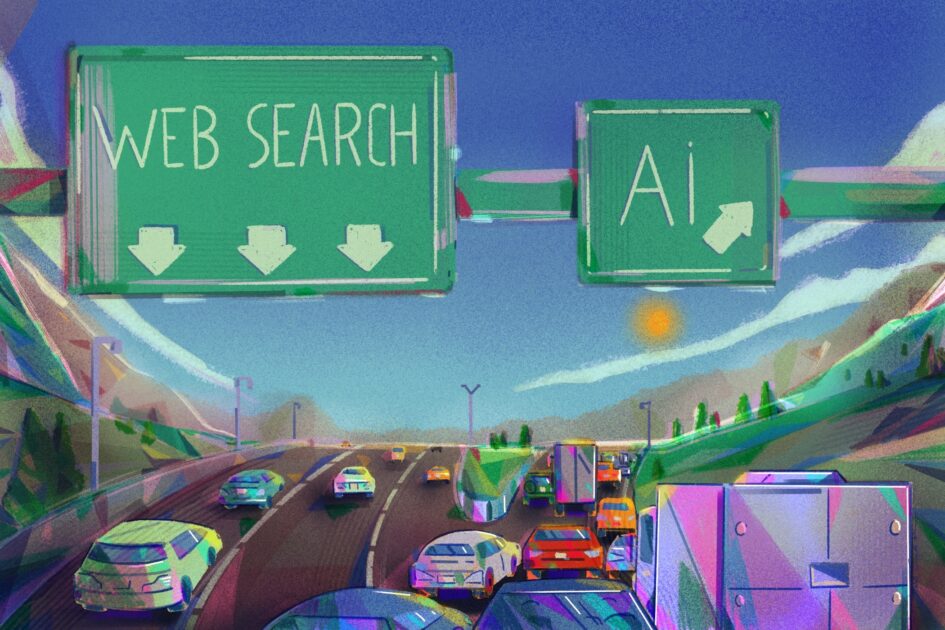
Web traffic has significantly declined for many websites in 2025 due to the rise of AI-generated summaries leading to "zero click" searches. However, marketers need not panic but adapt. Kelly Cutler emphasizes an evolution in strategies, including tracking deeper engagement metrics instead of just clicks, and adjusting SEO practices to incorporate generative engine optimization (GEO). This shift recognizes the importance of user engagement and aims to align content with AI outputs, enhancing the chances of being featured in AI responses and drawing motivated customers. Adapting and experimenting with these strategies is crucial for future success.
Education
As AI Eats Web Traffic, Don’t Panic—Evolve

Creativity in the workplace can be fostered through various strategies. Exposure to AI-generated content increases individuals' confidence in their creative abilities due to perceived lower standards of AI compared to humans. Additionally, starting brainstorming sessions with embarrassing stories can enhance idea generation by reducing self-censorship. Structured collaboration settings, like research labs, can alleviate feelings of isolation among remote workers and improve creativity and teamwork. These insights suggest that confidence-building and community engagement are essential to enhancing workplace creativity and innovation.
Education
Take 5: Ways to Kindle Workplace Creativity

Civil society groups hailed the establishment of a just transition mechanism at COP30 in Belém, Brazil, which aims to amplify the voices of marginalized communities in climate discussions. This decision marks a significant recognition of the rights of various vulnerable groups, including Indigenous Peoples, women, youth, and those with disabilities, as integral to achieving more ambitious climate action. The mechanism was propelled by the G77 and China coalition, underscoring the importance of grassroots engagement, seen in the participation of over 70,000 people during the Global March for Climate Justice. Despite progress, challenges remain in ensuring equitable representation for Indigenous delegates in critical negotiations.
COP30 secured a win for civil society – what can future hosts learn from Brazil's approach to people’s participation?

The 2026 leadership agenda emphasizes the need for strategic discontinuity in response to technology acceleration and trust erosion. Highlighted by the 2025 Nobel Prize winners who advocate for 'creative destruction,' the focus is on courageously abandoning outdated practices to foster growth through innovation. Companies must address the gap between AI ambitions and operational realities by documenting workflows, improving processes, and understanding data foundations. Prioritizing data quality and integration is critical for successful AI implementation, as effective decision-making and clarity are essential for leveraging AI as a competitive advantage.
Financial services, Education
Why The Intelligent Age Requires Strategic Discontinuity

Impacts of climate change, including flooding, drought, and fires, are affecting millions globally. To address these challenges, climate information must be usable by decision-makers and disseminated quickly and broadly. The authors propose three strategies to enhance actionable climate knowledge: 1) involve a diverse range of stakeholders in creating trusted climate information, 2) ensure wide availability of this information, particularly online, and 3) collaborate with key decision-makers impacting public policy, such as water managers and city planners.
Nigeria | Financial services, Education, Health
Scaling up actionable climate knowledge
This book analyzes personal data protection frameworks in the BRICS countries—Brazil, Russia, India, China, and South Africa—while exploring the potential for collaboration on international data flows. It highlights key regulatory developments such as Brazil's LGPD and China's PIPL. The text addresses challenges in balancing data protection with economic growth, sovereignty, and cybersecurity. The concluding chapter offers solutions for sustainable data transfers and advocates for a unified BRICS stance on data protection, aiming to reconcile data rights with cybersecurity needs in a digital economy.
Africa, Latin America | Financial services, ICT, Health
Personal Data Architectures in the BRICS Countries
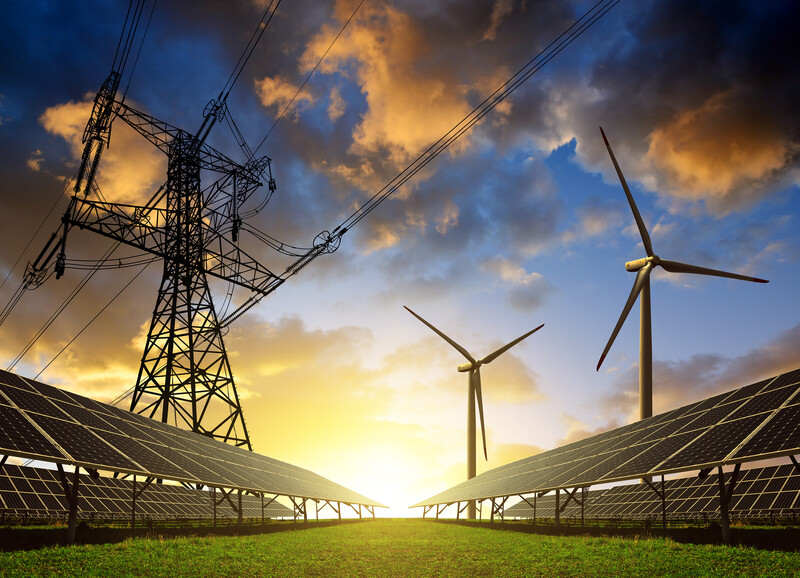
Accelerating electrification in Europe’s industries, buildings, and transport could save the region €250 billion annually, enhancing global competitiveness and reducing reliance on costly fossil fuel imports. Current electrification rates are stagnating at 21%, compared to 35% anticipated in China. Innovations in technology, such as combining electrification with local renewable generation and storage, can improve energy cost competitiveness and efficiency. Additionally, electrification of road transport can significantly lower energy costs. To sustain economic growth and support the burgeoning AI sector, Europe needs to invest in grid reinforcement and adhere to adaptive regulations that align with its energy and climate goals.
Algeria, Angola, Austria, Belgium, Denmark, Egypt, Ethiopia, Finland, Germany, Ghana, Hungary, India, Indonesia, Luxembourg, Mali, Netherlands, Poland, Qatar, Russian Federation, Rwanda, Senegal, Sweden, Switzerland, Tanzania, Tunisia, Uganda, United Arab Emirates, United Kingdom | Financial services, Education, ICT
Electrification could save Europe €250 billion annually to reinvest in the energy transition
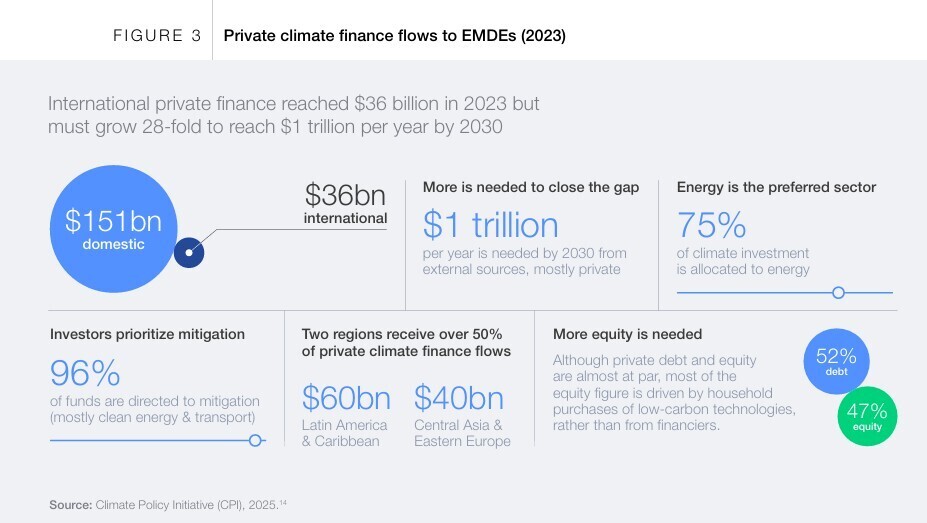
Significant progress was made at the G20 and COP30 summits to implement blended finance structures, which combine public and private funds to reduce investment risks in climate-related projects. Notable frameworks established include the Belém Package and the Johannesburg Declaration, promoting initiatives for climate resilience and electricity access. Additionally, the focus is shifting toward investing in essential grid and storage infrastructure to meet rising electricity demands. Nine countries endorsed Brazil’s RAIZ accelerator to support climate-resilient agriculture, reflecting a broader commitment to food and ecosystem security in climate adaptation.
Ghana | Education, Health, Financial services
Global summits make push to operationalize blended finance models, and other finance news to know
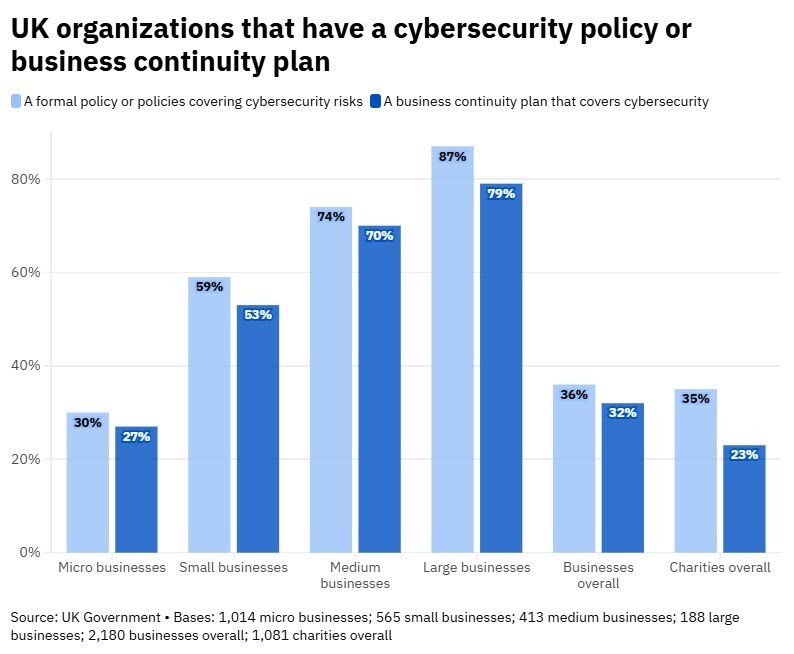
Singapore's Cyber Security Agency has introduced tools to assist organizations in preparing for quantum computing threats, including a Quantum-Safe Handbook and a Quantum Readiness Index for self-assessment. Concurrently, the UAE has launched a National Encryption Policy to secure sensitive data and shift towards post-quantum cryptography. Additionally, the UK has proposed the Cybersecurity and Resilience Bill to bolster defenses for essential services amid rising cyberattack costs. Notably, 19 tech companies have been designated as critical service providers to the EU's financial sector to mitigate systemic risks.
Qatar, Singapore | Financial services, ICT, Education
Singapore releases quantum readiness tools, and other cybersecurity news

The UK faces significant challenges in its energy transition, as current decarbonisation efforts are hampered by outdated systems built around fossil fuels. Despite ambitions to accelerate progress, existing infrastructure and processes are designed for rapid energy consumption, making it difficult to adapt to slower and more sustainable practices. Examples include oil extraction policies allowing new drilling near existing fields and the slow retrofit of a cement plant for carbon capture. The electricity grid struggles with a backlog due to a model unsuited for renewable energy integration. The transition necessitates a fundamental rethinking of energy production and consumption practices rather than mere efficiency improvements.
Green transition targets are not realistic – how to decarbonise at the right pace

The global economy is confronting three interconnected financial bubbles involving cryptocurrencies, artificial intelligence (AI), and soaring debt levels. Historical precedents relate to past market manias, indicating potential patterns. Recent significant investments in AI have been overshadowed by rising skepticism, particularly after warnings from industry leaders about the risks of an AI bubble. The cryptocurrency market is also showing volatility, with Bitcoin's downturn raising concerns of its impact on broader assets. Global public debt now exceeds $100 trillion, further complicating the economic landscape as borrowing increases, especially for AI infrastructure development, indicating possible long-term repercussions if these bubbles burst.
Financial services
Global economy: If a triple bubble looms, can we survive a triple burst?
Technology significantly shapes contemporary society, affecting both the tools and environments we inhabit. Law, as a unique social force, is positioned to direct and regulate technology to promote human flourishing. However, technology poses challenges to legal frameworks by appearing inevitable and complicating concepts of responsibility. This book advocates for a systematic approach to legal analysis of technology, rejecting the notion of technology as ungovernable and emphasizing the need to equip law to address the complexities of a technology-driven world.
Financial services, ICT, Health, Education
Law and Technology: A Methodical Approach
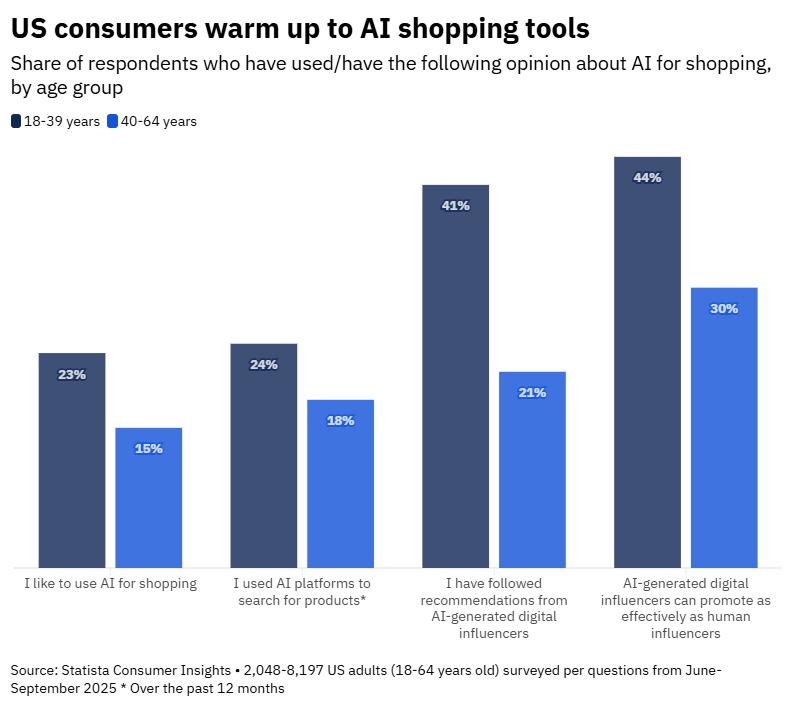
New AI shopping agents are gaining popularity, with around 25% of young Americans using AI to research and purchase products. Companies like Visa and OpenAI are implementing protocols to ensure secure transactions amid rising fraud concerns. Retailers must adapt to this shift by optimizing their online platforms and maintaining responsible AI practices. Additionally, concerns over AI's energy consumption are increasing as projections show a 175% rise in data center power demands by 2030. The FDA is examining the implications of generative AI in digital mental health devices, while Anthropic has revealed thwarting an AI-assisted espionage campaign.
Education
This month in AI: Shopping agents, AI's energy bill and new codes of conduct