
A US$125 billion rainforest trust fund, named the Tropical Forests Forever Facility (TFFF), aims to incentivize countries to preserve tropical forests by offering payments for standing forests. Although Brazilian President Lula claims it's an innovative investment fund, similar models from the 1990s showed limited success due to low returns and challenges in financing new projects. The TFFF relies on both government and philanthropic donations alongside selling bonds to private investors, but prioritizes investor returns, potentially compromising conservation efforts. Critics express concern that this commodifies forests and inadequately addresses the needs of Indigenous communities.
Financial services
The world’s new US$125 billion rainforest trust fund revives a 1990s idea – and shows its limits

The government's new higher education policy in England includes initiatives to support disadvantaged students, such as increased maintenance loans and lifelong learning entitlement loans. However, the focus on universities specializing in core areas may lead to course reductions, particularly in the arts and humanities, thereby limiting options for students from poorer backgrounds. This streamlining could exacerbate access issues, especially in regions with fewer institutional offerings, and elevate competition among universities, potentially sidelining smaller establishments. The policy's implications require careful consideration to avoid perpetuating inequities in higher education access.
Education
Streamlining what universities offer could backfire for disadvantaged students
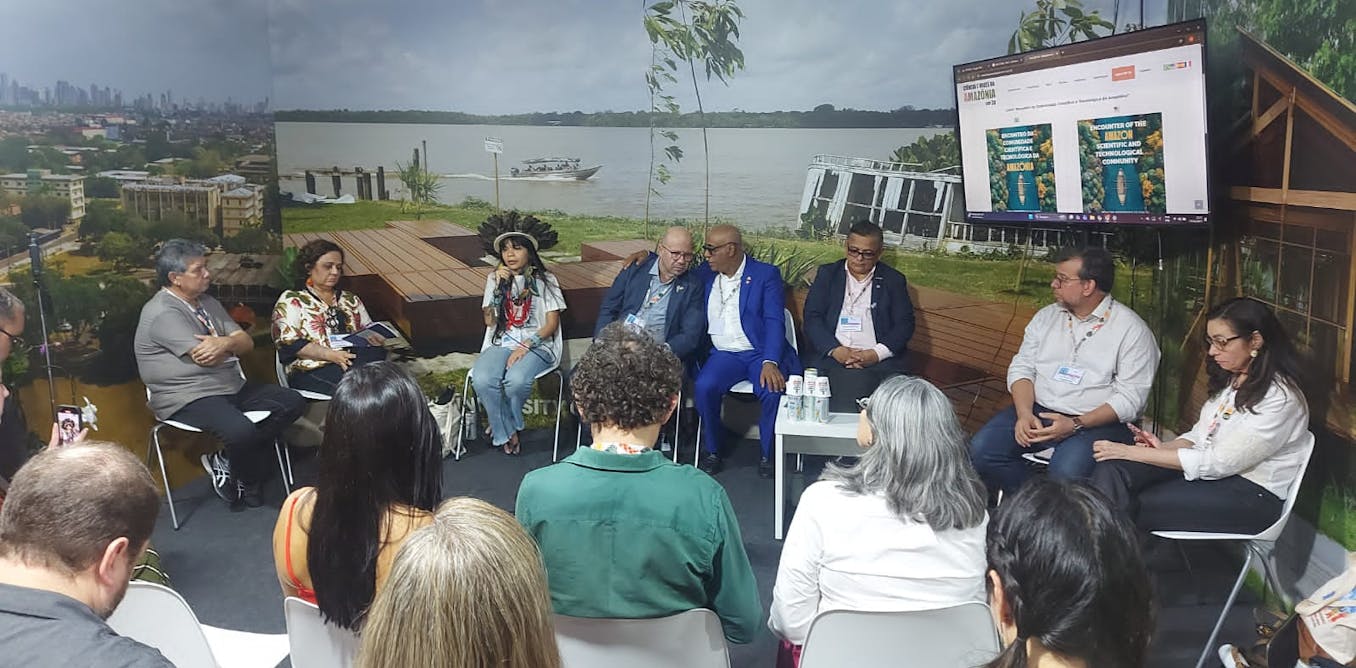
The UN climate summit Cop30 in Belém, Brazil, focuses on climate finance targets, ethical fossil fuel transitions, and the role of renewables in the economy. The venue features a blue zone for diplomatic negotiations and a green zone for public events. Notable discussions include the lack of attention to oceans in climate agreements, with insights from researcher Kerstin Bergentz highlighting their crucial role in climate regulation. Additionally, Mauricio Paixão addresses environmental racism, emphasizing unequal recovery efforts following floods that disproportionately affected marginalized communities in Brazil.
Antarctica, Bolivia, Brazil, Nigeria
Behind the scenes in Belém: The Conversation’s report from Brazil’s UN climate summit
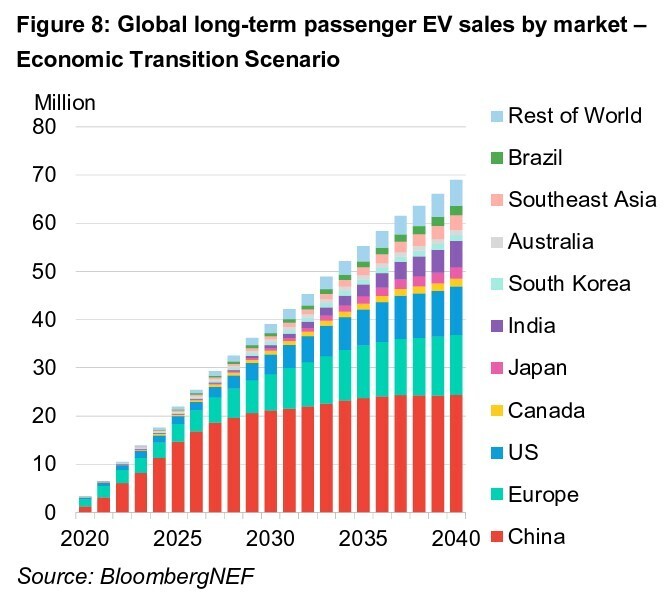
China's automakers are expanding production internationally in response to domestic growth slowdowns and tariffs. A recent deal between the US and China has reduced tariffs and paused new restrictions, aiming to stabilize trade relations. China revised its trade pact with ASEAN to include provisions for the digital economy and green trade, facilitating better access to Southeast Asian markets for EV manufacturers. Meanwhile, the US engaged in several trade agreements with Asian nations, including Cambodia and Malaysia, enhancing strategic ties. In global trade news, the US and Switzerland aim to reduce tariffs significantly, and the Future of Investment and Trade Partnership held its inaugural meeting.
Australia, Austria, Belgium, Bolivia, Canada, Chile, Ethiopia, Germany, India, Indonesia, Japan, Malaysia, Mexico, Paraguay, Rwanda, Singapore, South Africa, Sweden, Switzerland, Taiwan, China, Tanzania, Tunisia, United Arab Emirates, Viet Nam | Financial services
China’s shifting trade footprint, and other international trade stories to know this month

Reuse can strengthen the industrial sovereignty of Europe by providing an alternative to resource extraction and new production, crucial given the continent's dependence on external supplies for critical materials. Current public policies tend to emphasize relocating production and recycling, while the potential of reuse remains largely overlooked. The Reuse Economy promotes maximizing product lifespan through design for multiple uses, efficient logistics, and refurbishment processes. This approach can reduce material footprints and enhance sustainability, particularly in industries like batteries and semiconductors, thus offering a concrete path toward a resilient post-fossil fuel economy in Europe.
Belgium, Canada, Czech Republic, Denmark, France, Germany, India, Indonesia, Lithuania, Luxembourg, Portugal, Rwanda, Senegal, Sweden, Taiwan, China, Tunisia | ICT, Education
Industrial Sovereignty: Reuse, a Decisive Lever for Europe

Purposeful business models promote inclusivity and sustainability in response to societal demands and demographic changes. They demonstrate that profitability can coexist with social impact by placing social and environmental outcomes at the forefront. Key challenges include improving accessibility for individuals with disabilities and integrating inclusion as a core strategy. ILUNION Hotels exemplifies this approach by embedding universal accessibility within its operations and workforce, with over 60% of its employees from vulnerable groups. This reinforces its identity and enhances service quality while achieving competitive profitability, showcasing the potential of socially-driven business strategies.
Education
Purposeful innovation for more inclusive business models
Nordic French Energy Day celebrated the tenth anniversary of the Paris Climate Agreement by uniting Nordic countries and France to discuss strategies for advancing Europe's energy transition. Key discussions emphasized enhancing energy security through cooperation and interconnectivity, developing renewable energy, bolstering infrastructure, and adapting to climate change. Prominent speakers underscored the importance of long-term policy stability, shared infrastructure, and trust in achieving strategic energy goals. The event highlighted the potential for synergies among low carbon technologies to foster resilient energy systems in Europe.
Denmark, France, Norway
Nordic French Energy Day

Advancements in AI are increasingly hindered by the limitations of current graphics processing units (GPUs), which require extensive memory and connectivity for large models. To overcome these challenges, companies like Cerebras are developing wafer-scale processors, significantly larger chips that consolidate processing capabilities to reduce latency. A joint effort by the University of Edinburgh and Microsoft Research, called WaferLLM, aims to optimize AI efficiency on these chips through innovative software algorithms, resulting in up to a tenfold reduction in latency and increased energy efficiency. This approach enhances the potential for real-time AI applications, though GPUs will remain essential due to their versatility and established software support.
These dinner-plate sized computer chips are set to supercharge the next leap forward in AI

AI is transforming cybersecurity, driven by an urgent need for skilled professionals amid rising cyber threats. Companies now face a shortage of 2.8 to 4.8 million cybersecurity experts, prompting a shift towards AI for enhancing defense mechanisms and operational resilience. AI improves threat detection, automates tasks, and allows teams to focus on strategic initiatives. However, nearly 48% of IT leaders cite a lack of staff with AI expertise as a major barrier. Successful strategies to bridge the skills gap must integrate technical training with soft skills development, ensuring a sustainable cyber workforce capable of adapting to evolving threats.
Africa | ICT, Education
AI is revolutionizing cybersecurity. How should we train the next generation of defenders?
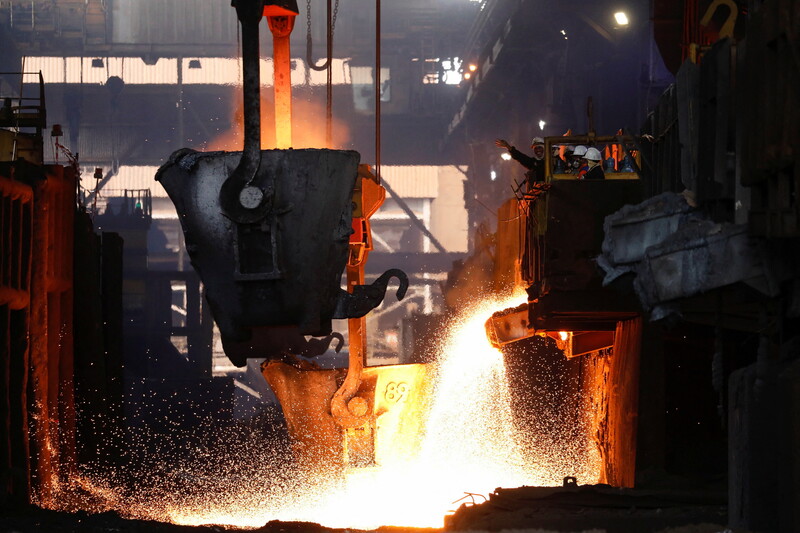
Emerging economies face challenges from geopolitically driven industrial policies that prioritize national security over market efficiency. Controlling vital resources and enhancing regional integration can bolster their economic resilience. While these states demonstrate greater resilience compared to advanced economies, they struggle with capital allocation and technology access. Over 18 countries have restructured mining laws to capture value from critical minerals, with Indonesia's nickel export bans attracting significant investment. Regional initiatives, such as the African Continental Free Trade Area and ASEAN, are crucial for collective bargaining power and sustaining growth amid global competition.
Algeria, Angola, Argentina, Armenia, Australia, Austria, Bahrain, Bangladesh, Belarus, Belgium, Benin, Bermuda, Bolivia, Bosnia and Herzegovina, Brazil, Bulgaria, Burkina Faso, Burundi, Cambodia, Cameroon, Canada, Chad, Chile, Colombia, Costa Rica, Croatia, Cyprus, Czech Republic, Denmark, Ecuador, Egypt, Estonia, Eswatini, Ethiopia, Finland, France, Germany, Ghana, Greece, Guinea, Hungary, Iceland, India, Indonesia, Ireland, Israel, Italy, Japan, Jordan, Kazakhstan, Kenya, Kyrgyz Republic, Latvia, Lebanon, Lesotho, Lithuania, Luxembourg, Malawi, Malaysia, Mali, Malta, Mauritania, Mauritius, Mexico, Morocco, Mozambique, Namibia, Nepal, Netherlands, New Zealand, Nigeria, Norway, Oman, Pakistan, Panama, Paraguay, Peru, Philippines, Poland, Portugal, Qatar, Republic of Korea, Romania, Russian Federation, Rwanda, Saudi Arabia, Senegal, Singapore, Slovakia, Slovenia, South Africa, Spain, Sri Lanka, Sweden, Switzerland, Taiwan, China, Tajikistan, Tanzania, Thailand, Tunisia, Türkiye, Uganda, Ukraine, United Arab Emirates, United Kingdom, Venezuela, Viet Nam | ICT, Financial services, Health
How emerging economies can survive and thrive in an era of geopolitical competition
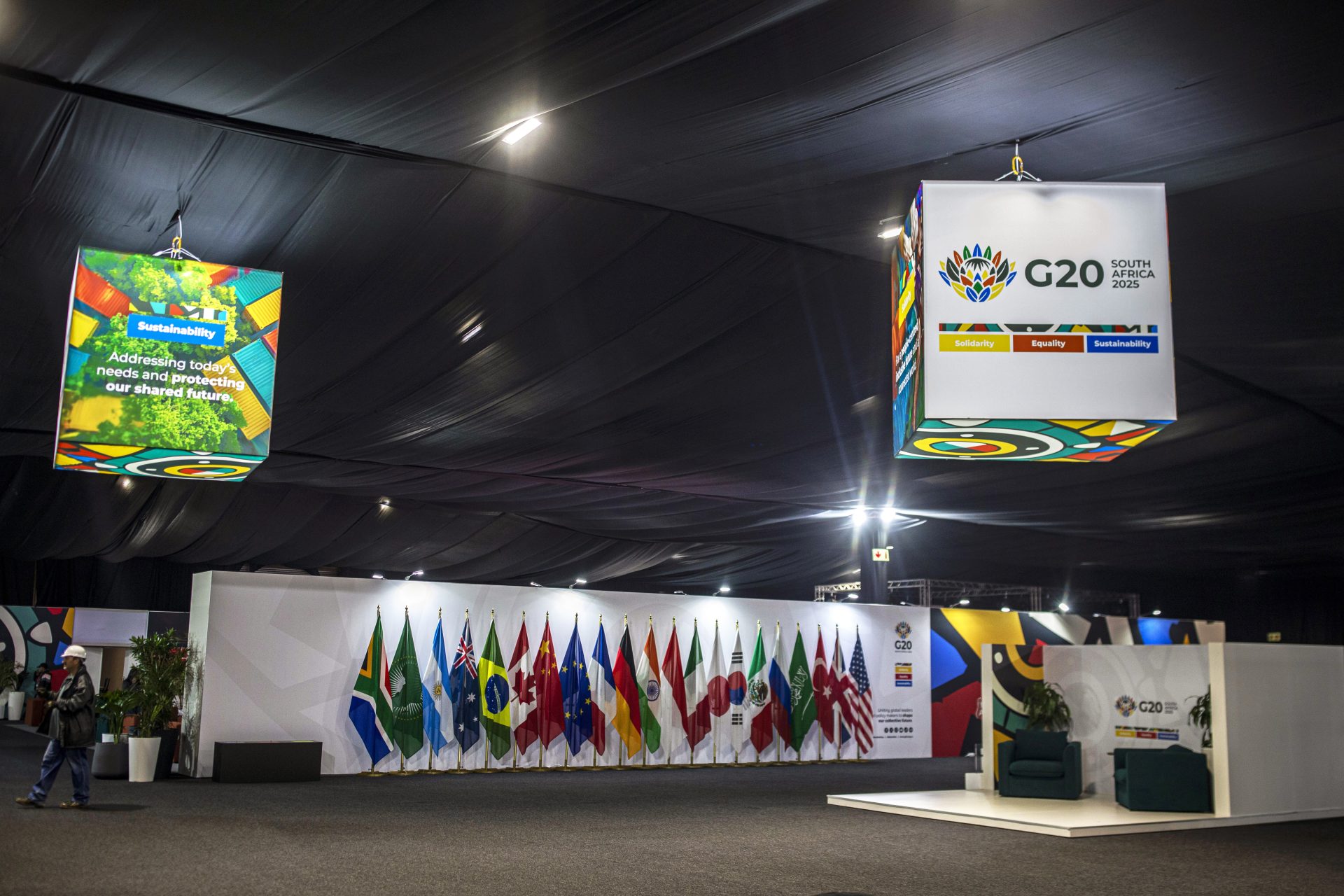
South Africa's G20 presidency aims to elevate African voices in global policy amidst challenges in international cooperation. Key priorities include debt sustainability for low-income countries, high capital costs, climate transition financing, and leveraging critical minerals for development. Despite the complexity of addressing these issues, South Africa is advocating for a just energy transition, disaster resilience, and regional industrialization through critical minerals. The summit is expected to generate awareness and discourse on Africa's development needs, though achieving a broad consensus remains difficult in the current geopolitical climate.
Burkina Faso, Ghana, Guinea, Namibia, Nigeria, Senegal, South Africa, Tanzania | Financial services, Health
Africa’s voice at the G20: Will Johannesburg deliver?
Cities are confronted with the urgent challenge of promoting sustainable urban development amidst escalating climate stress and social disparities, particularly in Asia, where extreme weather and pollution are prevalent. Vulnerable communities are disproportionately affected, yet investment in local initiatives remains limited due to governance issues. Despite these obstacles, cities serve as hubs for innovative solutions, including decarbonization and regenerative strategies. The 2024 Cities: Possibilities Forum brought together leaders from various sectors to discuss transforming urban environments for resilience and equity, marking a significant collaboration with CapitaLand to address the built environment's pressing issues.
Bangladesh, Indonesia, Nigeria, Qatar, Senegal, Singapore, South Africa, United Arab Emirates, Viet Nam | ICT, Financial services, Health, Education
Cities: Possibilities Forum Insights 2024
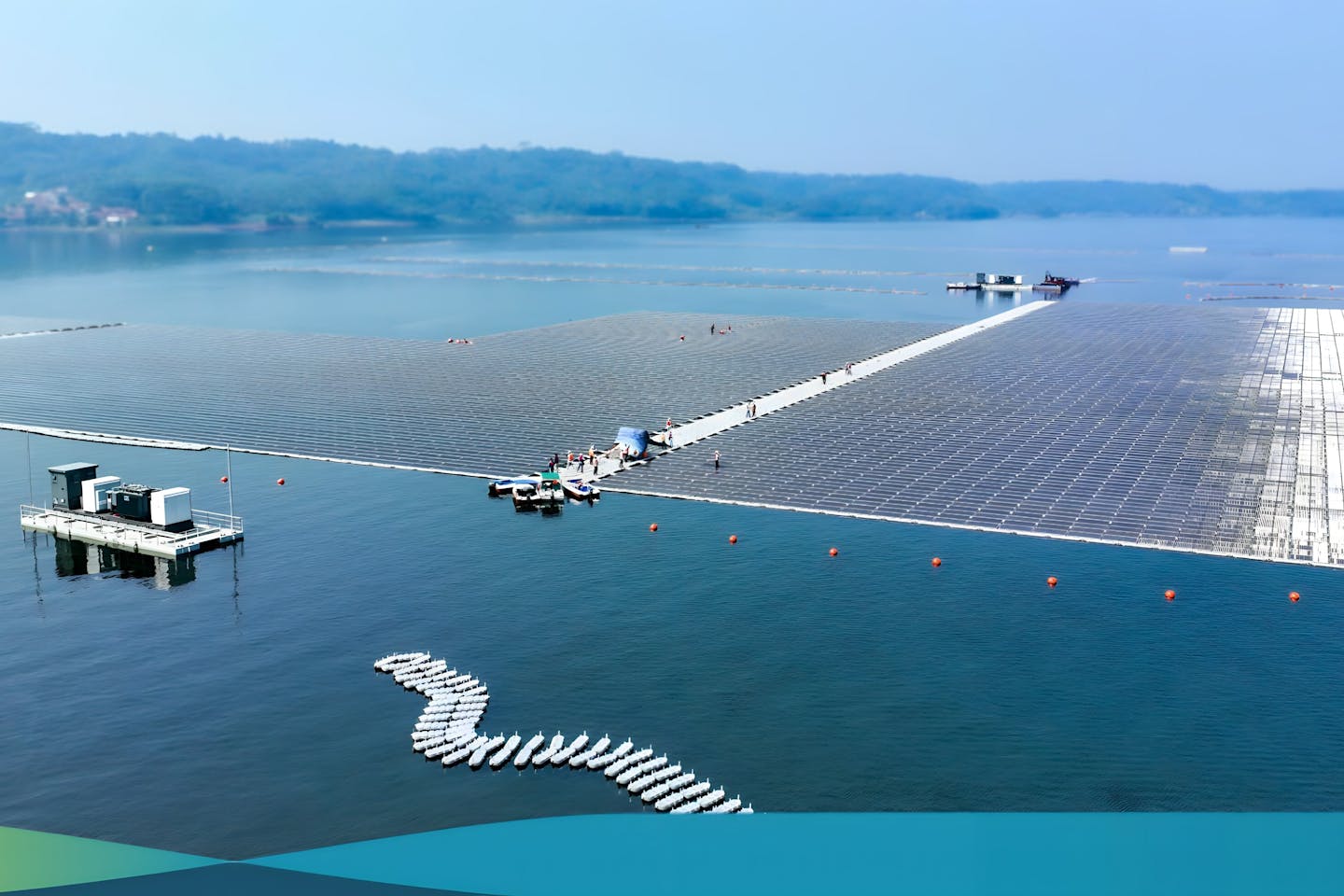
Indonesia can potentially attract billions in clean energy investments, enhance job creation, and boost regional influence by leveraging China's focus on green finance. A study highlights that redirecting China’s annual energy financing of approximately US$900 million towards renewable energy could mobilize up to US$9 billion, enabling significant projects like floating solar plants and electric vehicle manufacturing. However, structural barriers, like the need for local content, regulations, and green skills development, must be addressed to fully benefit from this investment. Enhanced cooperation and knowledge exchange between China and Indonesia are essential for effective integration and capacity building in Indonesia's energy transition.
Denmark, Egypt, India, Indonesia, Malaysia, Nigeria, Singapore, Taiwan, China | Financial services
Indonesia's energy transition could be turbocharged by Chinese green finance, study finds

Digital transformation in global healthcare systems is essential to enhance efficiency and workforce satisfaction amidst rising demand and burnout. A trust gap exists, with 41% of healthcare workers distrusting digital tools, hindering their adoption. Trust must be built on two levels: foundational trust, ensuring tools comply with safety standards, and operational trust, where solutions are validated through collaboration with clinicians. Effective digital health initiatives require cross-border cooperation to overcome localized barriers and improve patient care. Successful examples include MyPath, a cancer patient pathway solution, demonstrating the positive impact of clinician-developer partnerships.
Financial services, Education, Health, ICT
Why clinician and patient trust is critical for digital transformation in healthcare systems globally
Attempts to reduce racism in European football primarily focus on punishment, which fails to address the systemic roots of discrimination. Racism persists as a complex issue shaped by societal structures, evident in various settings, including stadiums and online platforms. Efforts to combat racism have been consistent yet ineffective, often ignoring how individual behaviors are influenced by broader systemic dynamics. A shift towards systems thinking is essential, encouraging dialogue and understanding of how racism is sustained. Investments in transparency, education, and prompt responses from governing bodies can facilitate change. Ultimately, integrating systemic literacy into anti-racism policies is crucial for meaningful progress.
Racism in European football – why a systems-based approach is needed to tackle discrimination

AI technology is increasingly being used to impersonate journalists in Africa, creating “avatar journalists” that spread misinformation and manipulate narratives at scale. Reports indicate that these AI-generated figures are used in coordinated campaigns to influence public opinion and undermine trust in traditional media. A study has found such tactics in operations linked to foreign interests, highlighting the threat they pose to democracy, especially in fragile states. While new technologies can enhance journalism, the lack of regulations to govern their use raises concerns over disinformation, particularly when traditional media faces funding and staffing challenges.
Africa | Education
AI and Africa’s ‘counterfeit’ journalists

Businesses increasingly recognize the necessity of responsible AI but often treat it as an afterthought, exposing themselves to legal, financial, and reputational risks. Responsible AI practices should be integrated from the start, addressing issues like IP ownership and data lineage. With the rapid adoption of AI, many organizations lack clarity on data usage rights, potentially leading to serious legal consequences. As regulatory frameworks evolve, companies must proactively ensure ethical data practices and embed responsible AI principles to mitigate risks and enhance compliance, ultimately safeguarding innovation.
Education
Why the risk of overlooking responsible AI can no longer be ignored

War has severe and lasting economic consequences, leading to significant declines in GDP, investment, and trade. A study conducted by Efraim Benmelech and Joao Monteiro analyzed over 100 wars from 1946 to 2023, revealing all involved countries experienced persistent negative impacts on real GDP, household consumption, and government finances. Military spending increased while other expenditures decreased, resulting in economic shrinkage. On average, real GDP fell by 13%, and revenues declined by 14%, heightening the risk of budget deficits. The study underscores that war inflicts deep and enduring scars on economies worldwide.
Financial services
The Economic Price We Pay for War
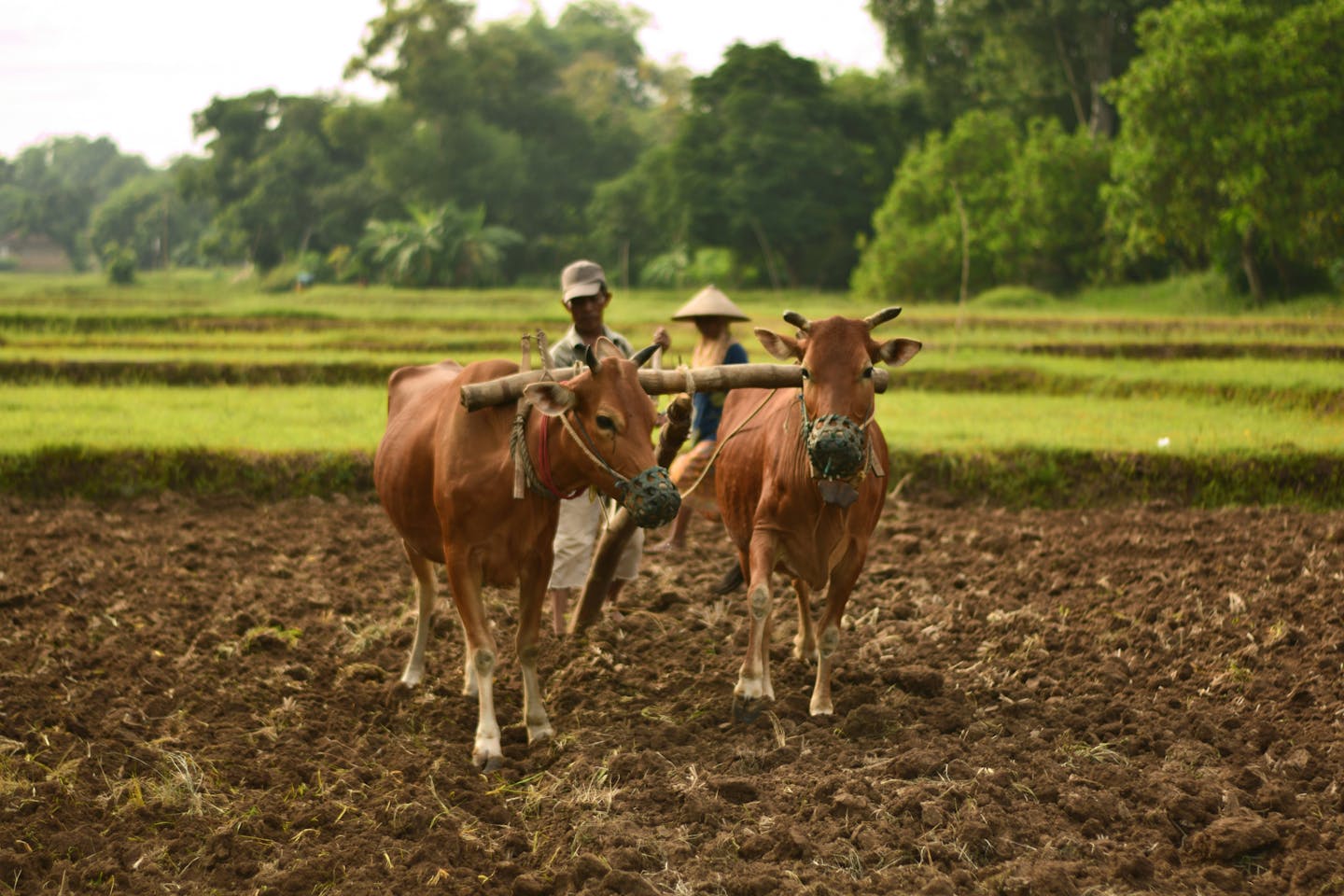
Soil health is declining globally, with over one-third of agricultural land degraded and significant carbon losses due to practices like crop production and cattle grazing. Efforts to improve soil health have emerged since the 1980s, gaining attention in international agreements like the Global Biodiversity Framework and COP28. Healthy soils support biodiversity, food production, and ecosystem services but face threats from industrial agriculture methods such as monocropping and overgrazing. Currently, approximately 1.66 billion hectares, or 35% of agricultural land, is degraded, impacting climate change, water resources, and biodiversity.
Latin America | Health
Q&A: The role of soil health in food security and tackling climate change

COP30 discussions focus on boosting resilience for vulnerable communities facing climate change impacts. Smallholder farmers, significantly impacted by extreme weather, seek increased adaptation finance, currently at only $26 billion of the needed $310-$365 billion annually. Approximately 3.6 billion people are highly vulnerable, with severe weather causing 832,000 deaths and $4.5 trillion in economic losses from 1995 to 2024. Developing nations are calling for a tripling of adaptation funds by 2030. Concerns arise about proposed indicators potentially creating inequalities in financial support for adaptation efforts.
Latin America
With more heat and storms, can COP30 boost frontline resilience?