
Brazil, hosting COP30, is under scrutiny as President Lula positions the nation as a climate champion while advancing controversial development projects in the Amazon. World leaders gather to discuss transitions to green energy and forest protection. Critics highlight contradictions in Lula's policies, such as plans for oil drilling and infrastructure projects that threaten biodiversity, despite a stated goal of net-zero deforestation by 2030. Recent data shows a drop in deforestation rates, but environmentalists warn that ongoing development initiatives could severely compromise the Amazon's ecosystem.
Bolivia, Brazil, Nigeria
As Brazil hosts COP30, is it a climate champion or nature foe?

Representatives from over 100 nations will convene in Belém, Brazil, for COP30, starting November 10. This summit aims to advance climate action plans and address global warming, coinciding with the tenth anniversary of the Paris Agreement. Although the Agreement has spurred national low-carbon initiatives, global progress remains inadequate, with 2024 projected to surpass the 1.5°C warming threshold. Key discussions will revolve around updating nationally determined contributions (NDCs) and securing climate finance. The event also faces geopolitical challenges and the need for strong cooperation amid increasing distrust among countries.
Bolivia, Nigeria, South Africa | Financial services, Health
COP30: What to expect from the global summit on climate change
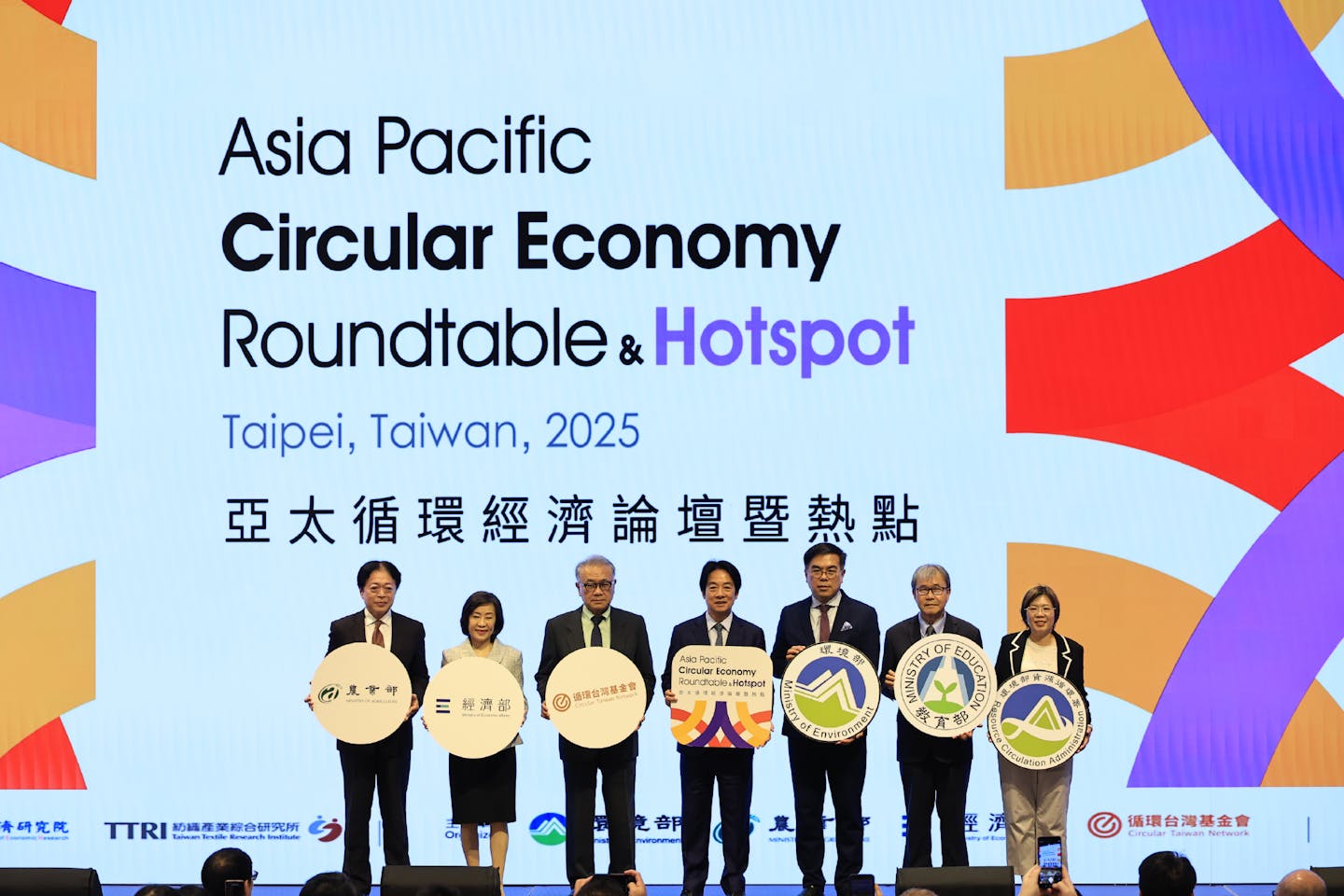
Taiwan has unveiled the 2050 Circular Economy Roadmap aimed at enhancing resource efficiency and minimizing waste across industries. The plan includes ambitious targets such as doubling resource productivity and increasing the circularity rate significantly by 2026. Emphasizing regional cooperation, Taiwan's government seeks to align circular economy standards with Southeast Asian nations, enhancing industrial ties and competitiveness. This initiative, supported by recent policies encouraging collaboration and local adaptation, is seen as a potential benchmark for circular economy practices in Asia, particularly in light of shared environmental challenges.
Singapore, Taiwan, China
Taiwan unveils draft circular economy roadmap, eyes deeper collaboration with Southeast Asia

COP30 negotiations are intensifying as the Brazilian presidency aims for an ambitious climate agreement ahead of the conference's conclusion. The primary focus remains on tripling adaptation finance, a demand that developing countries assert is critical for effective climate resilience. Key discussions include indicators to measure adaptation progress, but consensus is dwindling. Singapore proposes innovative financing solutions, like integrating adaptation into commercial projects, yet experts caution that without sufficient financial backing, these measures remain ineffective. The urgency of securing funds and support for developing countries is paramount to achieving meaningful climate action.
Angola, Ghana, Guinea, Indonesia, Nigeria, Paraguay, Qatar, Senegal, Singapore | Financial services
Down to the wire: COP30 negotiators labour over adaptation finance

Graduation from least-developed-country status for the Lao People’s Democratic Republic signifies progress but sets the stage for ongoing challenges. To sustain and accelerate development, the country must focus on skills training, economic diversification, and stable public finances. Investments in education and vocational training are crucial, particularly for the youth, who comprise nearly 60% of the population. The economy, currently reliant on hydropower and mining, needs to diversify into agriculture, manufacturing, and tourism. Managing public debt and enhancing fiscal discipline are essential for long-term stability, alongside efforts to open new markets and improve trade efficiency.
Bangladesh, Belgium, Benin, Bolivia, Burkina Faso, Burundi, Cambodia, Chad, Chile, Colombia, Democratic Republic of the Congo, Denmark, Egypt, Ethiopia, Finland, Germany, Ghana, Indonesia, Lesotho, Lithuania, Luxembourg, Mozambique, Namibia, Nepal, Nigeria, Pakistan, Paraguay, Peru, Portugal, Republic of Korea, Russian Federation, Rwanda, Senegal, Singapore, South Africa, Sri Lanka, Switzerland, Taiwan, China, Tanzania, Tunisia, Uganda, United Arab Emirates, Viet Nam | Financial services, Health, Education
A Graduation Story with Homework: Lessons from the Lao People’s Democratic Republic
Building resilient roads in Timor-Leste requires proactive strategies integrating multi-hazard risk assessments into all stages of road planning and maintenance. The country faces extreme weather challenges, including intensified rainfall projected to increase by 10-15% by 2050, which threatens infrastructure connectivity. Significant improvements on the vital Ermera-Fatubessi road (C13) involve hybrid engineering and nature-based solutions to counteract risks like landslides and washouts. Effective collaboration between local communities and government agencies is essential for adopting resilient design standards and enhancing road management capabilities. Addressing these needs is crucial for sustainable transport systems amidst growing environmental challenges.
Latin America | Financial services
Building Resilient Roads: Lessons from Timor-Leste
Digital transformation significantly drives entrepreneurial innovation in developing Asia, contingent on the presence of adequate skills and institutional frameworks rather than just infrastructure. Effective policies are necessary to equip entrepreneurs with digital tools, reduce participation barriers, and ensure equitable access to benefits across all firms, particularly beyond large enterprises and major urban centers.
Indonesia, Japan | Education, ICT
Digital Transformation and Entrepreneurial Innovation in Developing Asia: Comparative Evidence and Policy Lessons

South Africa's G20 meeting prioritizes debt reduction, climate finance, and inequality, reflecting significant global challenges. The meeting marks the first G20 summit in Africa and follows the U.S. decision to boycott it amidst tensions over South Africa's agenda. Debt burdens threaten low- and middle-income countries, exacerbated by rising interest rates and decreased international aid. Research highlights that addressing inequality can enhance economic performance, yet many governments neglect this evidence in policymaking. South Africa aims to collaborate with G20 members to tackle these pressing issues effectively.
Ghana, Nigeria, South Africa
South Africa is right to put debt, climate and inequality at the heart of G20
Adaptive governance is presented as a vital approach to tackle complex societal challenges, or "wicked problems," that exceed the capabilities of traditional governance. Key capabilities identified include ecosystem visualization, real-time social perception listening, collective deliberation, and co-creation through experimentation portfolios. The paper emphasizes the role of high-performance computing and artificial intelligence in managing complex data and improving anticipatory governance.
Education, Health
Adaptive governance: new technological infrastructures to address complex societal challenges
The investment enthusiasm surrounding AI has led to soaring valuations, but recent market shifts have sparked skepticism about the sustainability of these costs versus expected revenues. Tech executives, including Google’s CEO, have noted irrational growth patterns, and global stock markets, particularly tech shares, are experiencing downturns. Unlike past bubbles, this AI boom may end due to internal realizations about economic viability rather than external shocks. A correction in tech valuations could lead to reduced investment in AI infrastructure, shifting focus towards practical applications that drive genuine productivity and profitability, rather than speculative growth.
Financial services
Is the AI bubble about to burst? What to watch for as the markets wobble
Independent and public interest media are vital for democracy and accountable governance, with well-funded systems linked to healthier democracies. However, they face ongoing challenges, intensified by market fragmentation and digital transformations. The rise of generative AI (GenAI) threatens journalism by using high-quality journalistic content through exploitative practices, leading to diminished readership and revenues for media organizations. This cycle undermines the financial viability of public-interest media and the integrity of AI systems, ultimately impacting the availability of trustworthy content.
Strengthening Public Interest Media in the Age of GenAI
The widespread adoption of generative artificial intelligence (AI) has sparked global struggles for autonomy among individuals and collectives. Key issues include copyright violations related to training data, cultural misrepresentations, precarious working conditions for data workers, and the environmental and social justice consequences of generative AI. Discussions across machine learning, AI ethics, and critical data studies highlight the relationship between these struggles and matters of autonomy, sovereignty, and self-determination. The article proposes digital self-determination within an infrastructural framework to analyze how these autonomy implications emerge in generative AI ecosystems.
Education
Struggling with generative AI: Digital self-determination along infrastructures of automation

On October 19, 2025, four men stole €88 million worth of crown jewels from the Louvre Museum using disguises as construction workers to exploit human psychological biases. Their normal appearance prevented suspicion, illustrating how both humans and AI categorize and interpret behaviors based on learned societal norms. This categorization can lead to biases, such as AI systems disproportionately flagging certain groups as suspicious. The heist underscores the importance of understanding perception dynamics, as both people and machines can mistake conformity for safety, revealing critical lessons about our cultural assumptions in the context of AI.
How the Louvre thieves exploited human psychology to avoid suspicion – and what it reveals about AI

Wealthier countries are increasingly tightening immigration policies in response to anticipated climate migration, with the UK, US, and EU significantly enhancing funding for border control and deportation measures. As climate change displaces millions, countries face a choice between equitable resource sharing and building walls to keep migrants out. Current trends show a preference for the latter, with massive increases in migration enforcement budgets. Inequality persists, as those least responsible for climate change often bear the brunt of its impacts, reinforcing a cycle of migration driven by disasters and economic pressures linked to climate events.
Nigeria | Financial services, Health
How the rich world is fortifying itself against climate migration
Disinformation amplified by AI threatens democratic access to reliable information, necessitating urgent global regulatory responses. Current national and regional efforts are fragmented, underscoring the need for balanced, human rights-based policies that promote accountability and empower citizens. Key recommendations include establishing a G20 High-Level Task Force on AI and Information Integrity, encouraging ethical AI guidelines, ensuring algorithmic transparency, and fostering international cooperation. The approach advocates harmonizing freedom of expression with protections against hate speech and emphasizes enhancing digital literacy, particularly among marginalized groups, to build democratic resilience.
Health, ICT
Information Integrity and AI Regulation: A Path Forward
Despite over 10,000 organizations committing to net zero goals, fewer than 7% have credible strategies to achieve them. The International Organization for Standardization (ISO) is addressing this gap by developing a net zero standard aimed at providing clear guidelines and metrics for organizations. This standard seeks to harmonize definitions, measurement, and reporting of net zero actions, building trust through independent verification. Adopting these international standards is essential to scaling effective climate action and informing policy, ultimately enabling a coordinated approach to meet global net zero targets by 2050.
Financial services
We’re not on track for net zero by 2050. How do we get there?
The film *Ex Machina* illustrates the potential impacts of artificial general intelligence (AGI) and superintelligence on human creativity through the character Ava, an advanced AI. Ava demonstrates creativity, raising questions about whether AI could eventually surpass human innovation. The film's narrative connects to real-world developments in AI, such as AlphaGo's unexpected move against a Go champion, which was deemed a moment of machine creativity. As AI tools increasingly support human creativity, the integration of AI into creative industries prompts concerns about authorship and the future role of human creators, particularly in fields like architecture where AI usage is rapidly growing.
Education
Ex Machina: could “superintelligence” challenge the idea of creativity as a uniquely human activity?
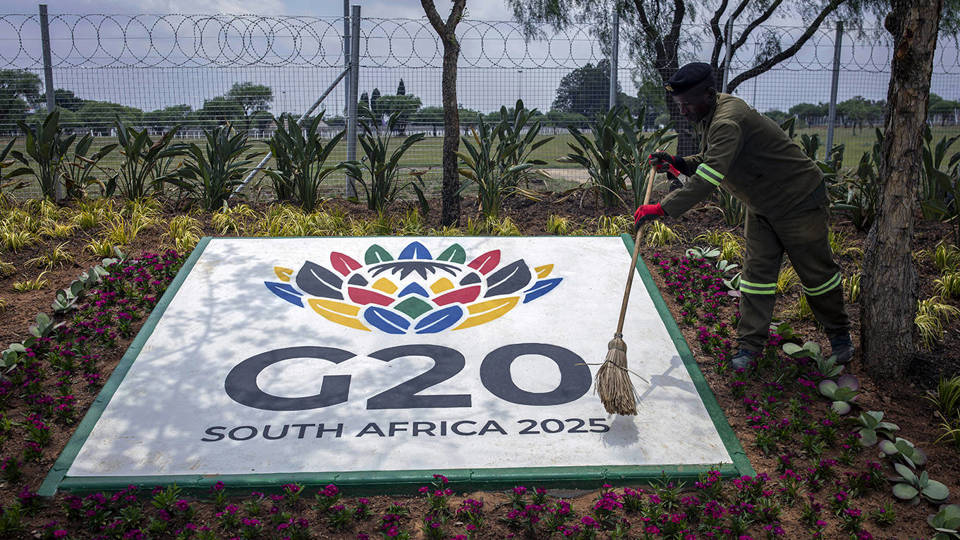
Africa cannot finance the green transition while enduring substantial debt service costs. The upcoming G20 summit in Johannesburg must result in a commitment to restructure the liabilities of highly indebted countries, predominantly in Africa. Without this action, efforts to support sustainable development in the region will be thwarted.
Nigeria
The G20 Can No Longer Postpone Debt Relief
Continuous adaptation is essential for companies to thrive amid rapid change and disruption, going beyond mere resilience and agility. While resilience focuses on surviving challenges, and agility enables quick pivots, continuous adaptation allows organizations to proactively shape their futures. This approach integrates stability and transformation across operations, finance, and organization, preventing strategic blindness and operational rigidity. Emphasizing a strong culture that encourages innovation and collaboration enhances an organization’s adaptive capabilities, enabling companies to respond to market changes efficiently and effectively, and thus maintain a competitive edge.
Financial services, Education
Continuous adaptation: Why organizations must think beyond ‘resilience’ and ‘agility’
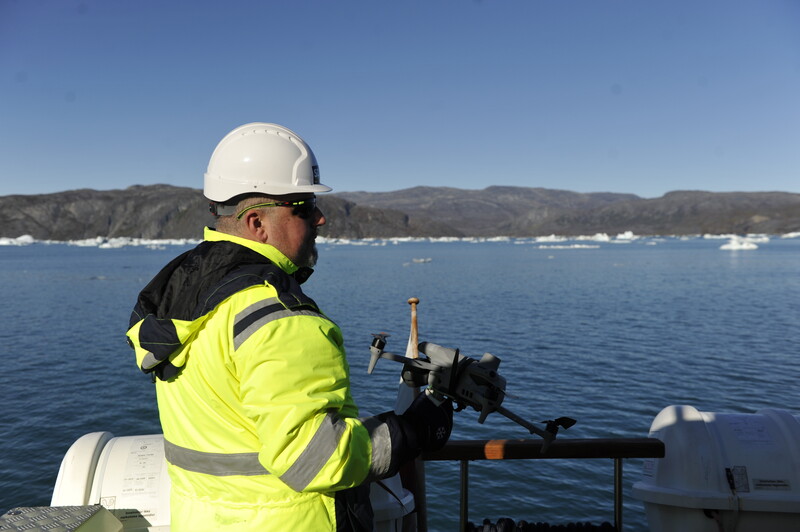
Drone technology tested in Nuuk, Greenland, aims to revolutionize Arctic search and rescue operations as maritime activities increase with retreating sea ice. Researchers from the University of Southern Denmark conducted a pilot study to evaluate off-the-shelf drones under extreme Arctic conditions. The findings highlight the operational challenges posed by cold temperatures and limited GPS, showing that thermal imaging is most effective during cooler times of the day. The ultimate goal is to develop advanced, semi-autonomous drones that can assist in rescue missions by guiding helicopters and extending their search ranges, underlying the potential for broader applications in defense, environmental monitoring, and logistics.
Education
How Arctic drones can redefine disaster response