
Technological advances and automation pose a significant threat to low-skilled, manual jobs commonly held by working-class young men, particularly in the south Wales valleys. These roles are vulnerable due to their repetitive nature, contrasting with jobs that rely on social and emotional skills. While the UK government promotes lifelong learning and digital upskilling, the effectiveness of these strategies for marginalized men is uncertain. Despite deep-rooted notions of masculinity linked to manual work, some young men are exploring broader career possibilities. To ensure that future work includes everyone, targeted community programs and flexible education pathways are essential.
Education
What work means to working-class young men in an age of increasing automation

Space-based solar power (SBSP) is a viable and abundant sustainable energy source that can provide consistent power, overcoming the challenges of terrestrial renewables' intermittency. By placing solar panels in geostationary orbit, SBSP can capture uninterrupted sunlight and transmit energy via microwaves to ground stations with minimal land use. This method significantly reduces material requirements and harnesses higher energy densities compared to terrestrial systems. With investments from various nations and advancements in launch technology, SBSP is positioned to play a critical role in meeting global energy needs while addressing climate change. Major obstacles include financing models suited for long-term infrastructure development.
Financial services
24/7 energy straight from orbit: Why we need space-based solar power

Household structures significantly impact global economic dynamics, illustrated by the stark differences in spending patterns between large and small households. Over 50% of the global population lives in households of five or more, particularly among low-income groups where 83% reside in larger households. Spending per person decreases sharply with larger household sizes, with single-person households typically spending significantly more annually across all regions. Cultural factors also play a role in household dynamics, especially in regions like Sub-Saharan Africa, where children often return home to care for aging parents, challenging the Western trend of early independence.
Africa, Latin America
How individual households shape global economic development

AI governance should prioritize integrity, accountability, transparency, and resilience while integrating transformation and cybersecurity efforts. Boards must encourage collaboration between AI and cybersecurity teams from the project's inception to minimize risks and avoid costly last-minute validations. Trustworthy governance relies on independent leadership, accurate inventories of AI and IT assets, and strong literacy at the board level. Key strategies include empowering a senior leader for AI and security convergence, implementing cross-functional reviews, enhancing transparency in decision-making, maintaining comprehensive asset inventories, and fostering practical literacy through real-world scenario training. Boards must act as guardians of trust in the evolving AI landscape.
Education
In the AI era, business governance means safeguarding trust

Major agri-food companies, including Nestle and Ferrero, warn that continued delays to the EU's anti-deforestation law threaten global forests and climate stability. The law, requiring proof that goods like soy, beef, and palm oil do not contribute to deforestation, has been postponed due to unprepared IT systems. Jane Goodall, the influential primatologist, has passed away at 91, leaving a legacy of conservation advocacy. Additionally, the EU has announced $1.1 billion in disaster aid for Spain, and a coalition of 34 governments is tackling a $67 billion financing gap to halt tropical forest loss.
Nigeria | Health
Companies warn EU anti-deforestation law delays are endangering forests, and other climate and nature news
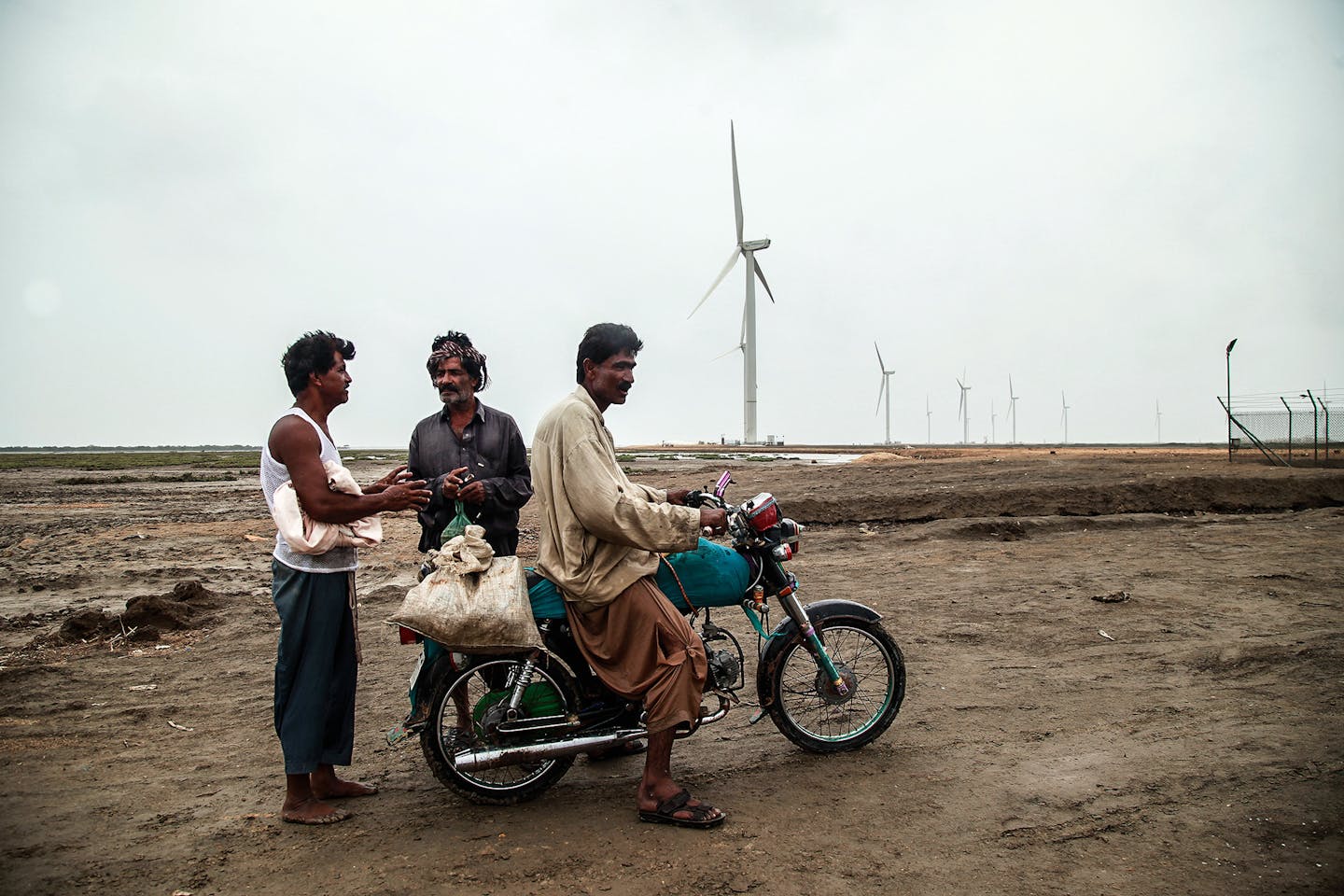
Pakistan is increasingly adopting solar and battery systems to combat a growing energy crisis characterized by power outages and high electricity costs. Businesses and wealthier households have begun integrating solar panels with lithium-ion batteries, mainly imported from China, to ensure reliable power. Despite a significant rise in solar panel imports, access to this technology remains limited for poorer communities due to high costs and lack of government support. Experts warn that if clean energy becomes a luxury, it could exacerbate social inequalities, emphasizing the need for policies that promote domestic manufacturing and fair access to clean energy solutions.
Pakistan
Pakistan must shape its clean energy future
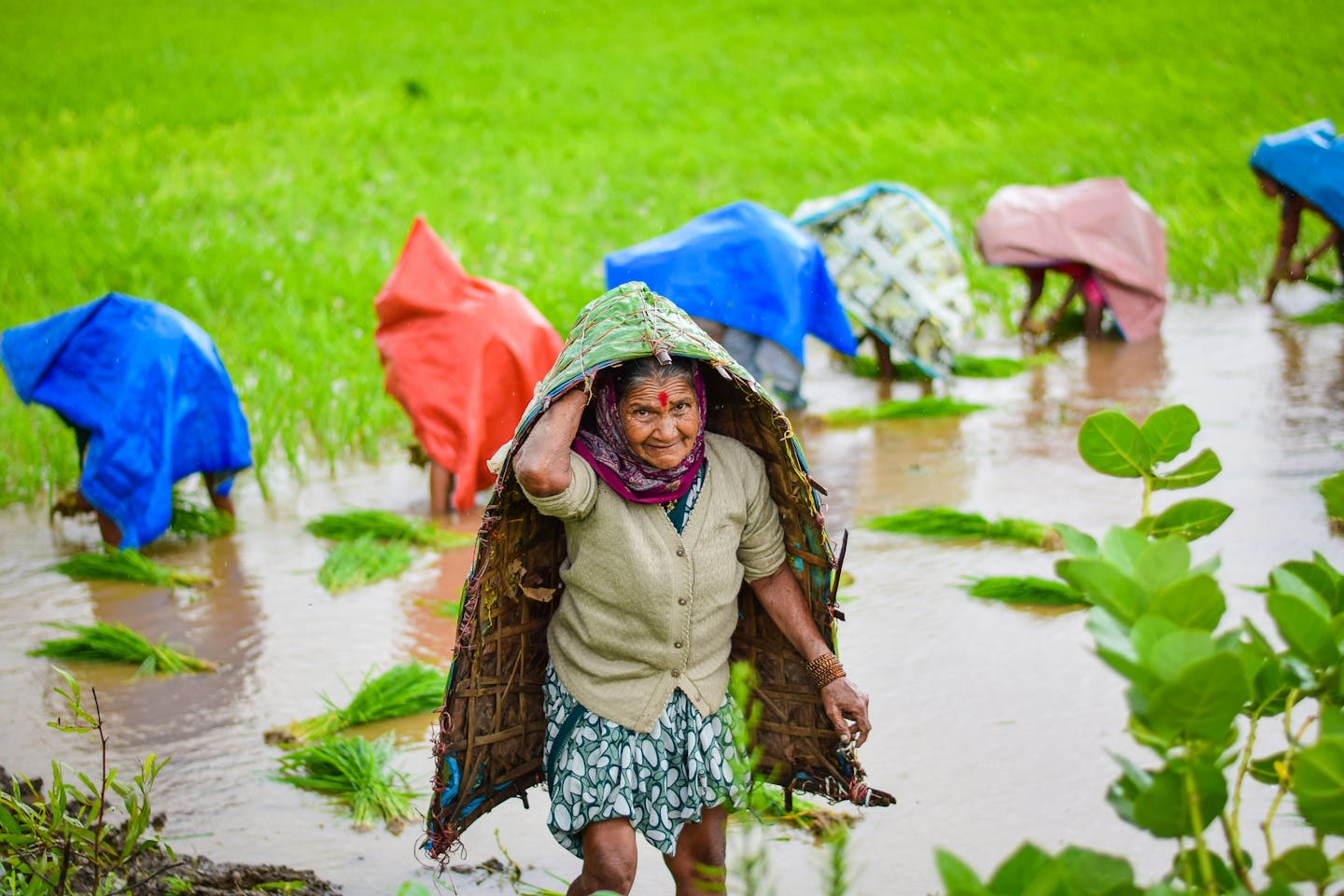
The EAT-Lancet report emphasizes the need for a "planetary health diet," which prioritizes plant-rich and minimally processed foods while allowing limited meat and dairy intake. This approach aims to improve health and could reduce agricultural non-CO2 emissions by 15% by 2050, necessitating a significant increase in fruit, vegetable, and nut production and a cut in livestock meat production. The food system is responsible for one-third of global greenhouse gas emissions, highlighting the urgent need for transformation to achieve sustainability and health benefits, potentially preventing 15 million avoidable deaths annually.
EAT-Lancet report: Three key takeaways on climate and diet change

Climate change is severely disrupting the nomadic traditions of the Gujjar and Bakarwal communities in Jammu and Kashmir. Unpredictable weather patterns, including early heatwaves, delayed rainfall, and sudden snowstorms, are making traditional seasonal migrations increasingly difficult and costly. As pastoralists like Rahim Poswal face challenges with livestock health due to erratic grazing conditions, younger generations are abandoning migratory routes, risking the loss of vital ecological knowledge. The disruption of ancestral wisdom is forcing some nomads to become wage laborers, indicating significant changes in their cultural identity and lifestyle.
No route home: Climate change threatens Kashmir’s nomadic traditions

Corporate transparency regarding sustainability targets in Singapore has seen a significant decline, with only one-third of firms publicly disclosing their goals, down from 58% in 2023. Despite this trend, 91% of businesses still prioritize sustainability. Approximately 74% of firms have postponed or revised their targets, often due to a recent delay in mandatory climate reporting regulations. While public disclosure wanes, investment in sustainability initiatives and the tracking of progress have increased. Many companies are also adopting AI to optimize sustainability-related processes.
Bahrain, Barbados, Brunei Darussalam, Cambodia, Cape Verde, Denmark, Egypt, Estonia, Eswatini, Ghana, Guinea, Haiti, Hungary, Iceland, Indonesia, Ireland, Japan, Kuwait, Luxembourg, Malaysia, Mongolia, New Zealand, Oman, Qatar, Serbia, Seychelles, Singapore, Sweden, Taiwan, China, Thailand, United Arab Emirates, United Kingdom | ICT
Fewer Singaporean firms are declaring sustainability targets amid delayed reporting rules
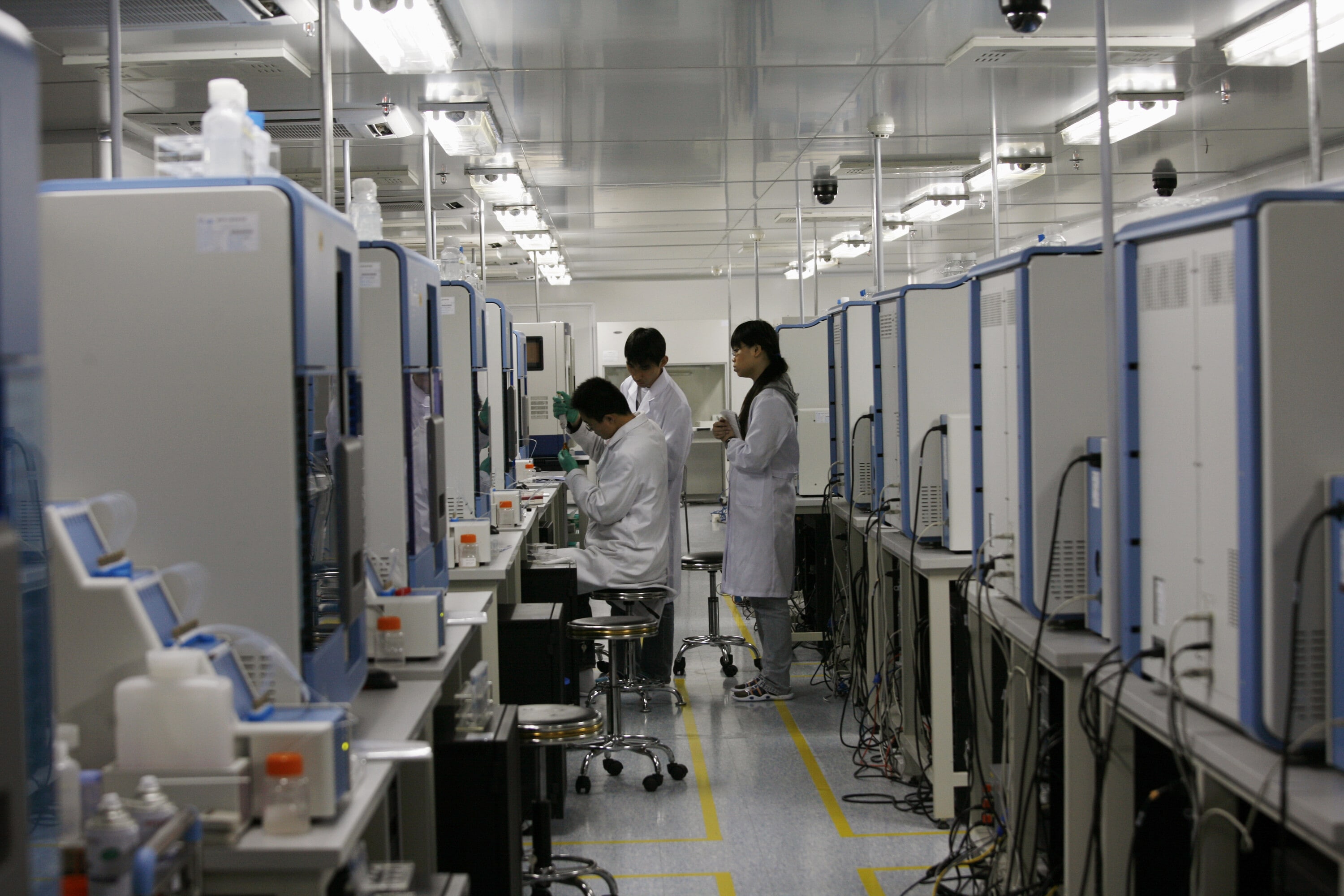
Generative biology combines artificial intelligence, automation, and computational design to create innovative biological systems rapidly. While it offers significant advancements in diverse fields like medicine, food production, and energy, it also introduces cybersecurity risks and supply chain vulnerabilities due to its reliance on digital infrastructure. Effective governance and equitable access to safeguards are essential to mitigate potential misuse and protect against hacking and data manipulation. Addressing these challenges is crucial for harnessing the benefits while ensuring safety in this evolving landscape.
Africa | Financial services, ICT, Education, Health
Generative biology: Immense opportunity but how should security play catch up?

Limiting tax loss carryforwards can prompt loss-making firms to invest quickly to offset losses before the credits expire. Research by Martin Jacob and Lisa Hillmann reveals that firms affected by disasters, like the earthquakes in Italy, react differently based on tax rules. In regions with limited carryforwards, companies increased investments significantly to capitalize on tax breaks. Conversely, in areas without limits, firms delayed investments, knowing they could recover losses later. This highlights a tradeoff for policymakers between encouraging immediate investment in struggling firms and supporting consistent growth in profitable ones.
Financial services
How the hidden clock inside tax policy can force businesses to invest

A KPMG report reveals that 61% of CEOs worldwide are confident in achieving net zero targets by 2030, a rise from 51% last year, largely due to the strategic use of AI. Key areas for AI application include enhancing sustainability data quality (79%), resource efficiency (78%), and emissions reduction (78%). While there is commitment to sustainability, challenges persist, particularly in decarbonizing supply chains (25%) and lacking expertise (21%). Additionally, 65% of CEOs have integrated sustainability into business practices, but only 29% align it with capital expenditures. Ethical AI use remains a concern, with 59% highlighting ethical challenges.
More CEOs confident of achieving net-zero targets by using AI, finds KPMG
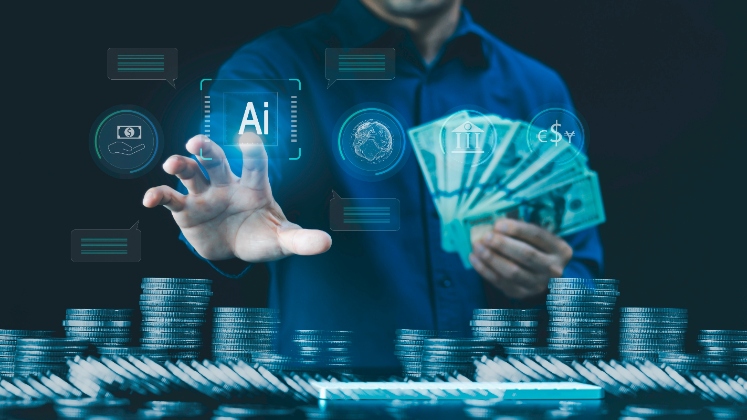
Artificial intelligence causes contagious supply shocks that alter inflation dynamics and challenge traditional monetary policy. Central banks must transition from passive “look-through” strategies to agile, AI-aware frameworks due to the rapid and synchronized pricing changes driven by AI. These shocks not only impact pricing but also labor markets, contributing to temporary inflation followed by potential disinflation as productivity improves. Effective monetary policy now requires real-time monitoring of algorithm-driven price adjustments and coordination with competition authorities to address the complexities introduced by AI, making a cautious approach to interest rates imperative.
Financial services
AI is changing inflation dynamics and challenging central banks

The Country Strategy Meeting on Mexico, hosted by the World Economic Forum and the Mexican government on October 7-8, 2025, will gather leaders to discuss Mexico's role in the global economy. Key topics include leveraging Mexico's strategic geographical position, enhancing industrial capabilities, and attracting investment amidst nearshoring trends. The meeting will feature President Claudia Sheinbaum and Cabinet Secretaries, focusing on economic growth strategies, challenges, and initiatives tied to "Plan Mexico" for sustainable development. The event aims to foster collaboration and strengthen Mexico’s economic resilience and partnerships.
Argentina, Colombia, El Salvador, Germany, Guatemala, Mexico, Paraguay, Peru, Philippines, United Kingdom
What to know about the Country Strategy Meeting on Mexico

AI is projected to enhance productivity and GDP growth, contributing 1.5% to GDP by 2035, 3% by 2055, and 3.7% by 2075. The acceleration in productivity growth is expected to peak in the early 2030s, yet settle to a permanent annual increase of 0.04 percentage points. Approximately 40% of labor income may face automation risk, particularly in office support, business operations, and computer-related fields. High-wage occupations will see less exposure, while 29% of jobs are entirely shielded from AI influence. The adoption pattern is anticipated to mirror that of past technologies, experiencing swift initial uptake followed by a slowdown.
Education
How AI Could Lift Productivity and GDP Growth

Reform and Green party members are the most ideologically distant from the general public in the UK, according to a 2024 survey by the British Election Study. While Labour and Liberal Democrat members align closely with voter sentiments, Reform scores a mean of 8.0, and Greens score 1.8 on a left-right ideological scale, compared to most voters' average of 4.8. This ideological divergence poses challenges for both parties as they approach future elections, emphasizing the importance of aligning more closely with public views for electoral success.
Reform and Green party members the most ideologically removed from the average voter

Foreign direct investment (FDI) is often seen as beneficial for development, but it can lead to conflict when it intersects with Indigenous land rights. Research analyzed 757 investment projects from 2003 to 2020, revealing that such investments frequently resulted in increased violence, including about 10 armed conflict events and half a death annually. Stronger legal protections for Indigenous rights can prevent these conflicts, with countries lacking such safeguards facing heightened risks. The authors emphasize that firms should recognize Indigenous claims to avoid operational and financial challenges, especially as demand for critical minerals near Indigenous lands grows.
Why Companies Need to Respect Indigenous Land Rights

Japan is addressing smartphone addiction through new initiatives, despite average usage being about 20 hours per week. A municipal ordinance in Toyoake recommends limiting leisure smartphone use to two hours daily and setting time restrictions for minors. Additionally, a Tokyo clinic specializing in "smartphone dementia" has opened, targeting issues like forgetfulness from information overload. Surveys reveal a correlation between prolonged smartphone use and feelings of loneliness, particularly among students. These measures align with a growing movement for digital wellness and responsible smartphone use in society.
Health
How Japan is tackling the rising tide of smartphone addiction
The alliance between Trump, Big Tech, and Christian nationalists defines a significant aspect of his second term. Despite ideological divisions, this coalition remains surprisingly robust, marked by tensions over AI and Silicon Valley's role in politics. Key figures in the conservative movement express deep concerns about an elite tech oligarchy threatening populist values and a perceived clash between Christian values and transhumanism. With influential voices like Rachel Bovard and Steve Bannon voicing strong opposition to Silicon Valley, the political landscape is dynamic and fluid, underscoring the complexities of this unusual coalition.
Trump, The Tech Right and Christian Nationalists: an Unnatural Coalition
Geopolitical tensions and technological advancements have intensified cognitive warfare, targeting individuals and complicating the information landscape. Notable incidents include suspected Russian interference in Romania's and Moldova's elections, highlighting vulnerabilities in democratic processes. The increasing prevalence of disinformation and AI-driven influence campaigns poses further risks to democracies. To counter these threats, a whole-of-society approach enhancing cognitive security is essential, integrating education, information literacy, and quality journalism. This proactive strategy fosters societal resilience, making cognitive manipulation less effective and enhancing deterrence against hybrid warfare tactics.
Financial services, Education
Enhancing Cognitive Security and Societal Resilience to Counter Cognitive Warfare