
AI is being increasingly utilized in recruitment to address tight labor markets and enhance hiring efficiency. AI-led interviews can improve opportunities for overlooked candidates by minimizing bias and promoting structured assessments, which are perceived as fairer and more transparent than traditional methods. A study found that AI-assisted applicants were significantly more successful in subsequent human interviews compared to those screened by résumés. AI also facilitates feedback for rejected candidates, improving their experience and satisfaction, even in cases of rejection. However, careful governance is crucial to prevent AI from reinforcing existing biases in hiring practices.
Education
How AI-powered recruitment defies expectations about inclusion and transparency

Global responses to issues like climate change and economic recovery often overlook the realities of the Global South. Emergent solutions from these regions, driven by civic movements and local knowledge, can be enhanced through Collective Intelligence (CI), which pools diverse perspectives to address complex challenges. For example, UNDP's CI for Climate Action initiative in Guatemala showcased how local farmers improved agricultural policies by sharing data. Effective CI processes foster collaboration, co-creation, and inclusive decision-making, ultimately creating impactful strategies that are contextually relevant and resonate with local needs.
Africa, Latin America | ICT, Health, Education
From the Ground Up: Harnessing Collective Intelligence for Inclusive Change in the Global South

COP30 must address the widening gap between the escalating climate impacts faced by communities and the inadequate actions taken by leaders, particularly in phasing out fossil fuels and mobilizing finance for adaptation. The conference in Belém is a critical moment to establish clear roadmaps for resilience, recognizing adaptation as essential for enabling a fair transition to clean energy. Despite growth in renewable energy, global emissions are still increasing, moving closer to a potential 3°C rise. The challenge remains to confront fossil fuel dependence and enhance cooperation among nations to meet the 1.5°C goal.
Nigeria | Health, Financial services
Why COP30 must confront the widening climate reality gap

Artificial intelligence is becoming a pivotal force, influencing vital aspects of daily life such as finance, healthcare, and employment. By 2027, global private investment in AI startups is expected to reach $900 billion, predominantly from the U.S., China, and the U.K. This concentration of capital and decision-making power among a few major firms raises concerns about transparency, accountability, and public interest. To ensure AI serves society rather than private interests, Europe and other regions must prioritize inclusive, democratic approaches to designing and governing AI infrastructure. Efforts for global coordination and investment aligned with public values are essential for fostering equitable AI systems.
Africa | Financial services, Education, ICT
The $900 Billion Question: Redistributing Control of AI Development
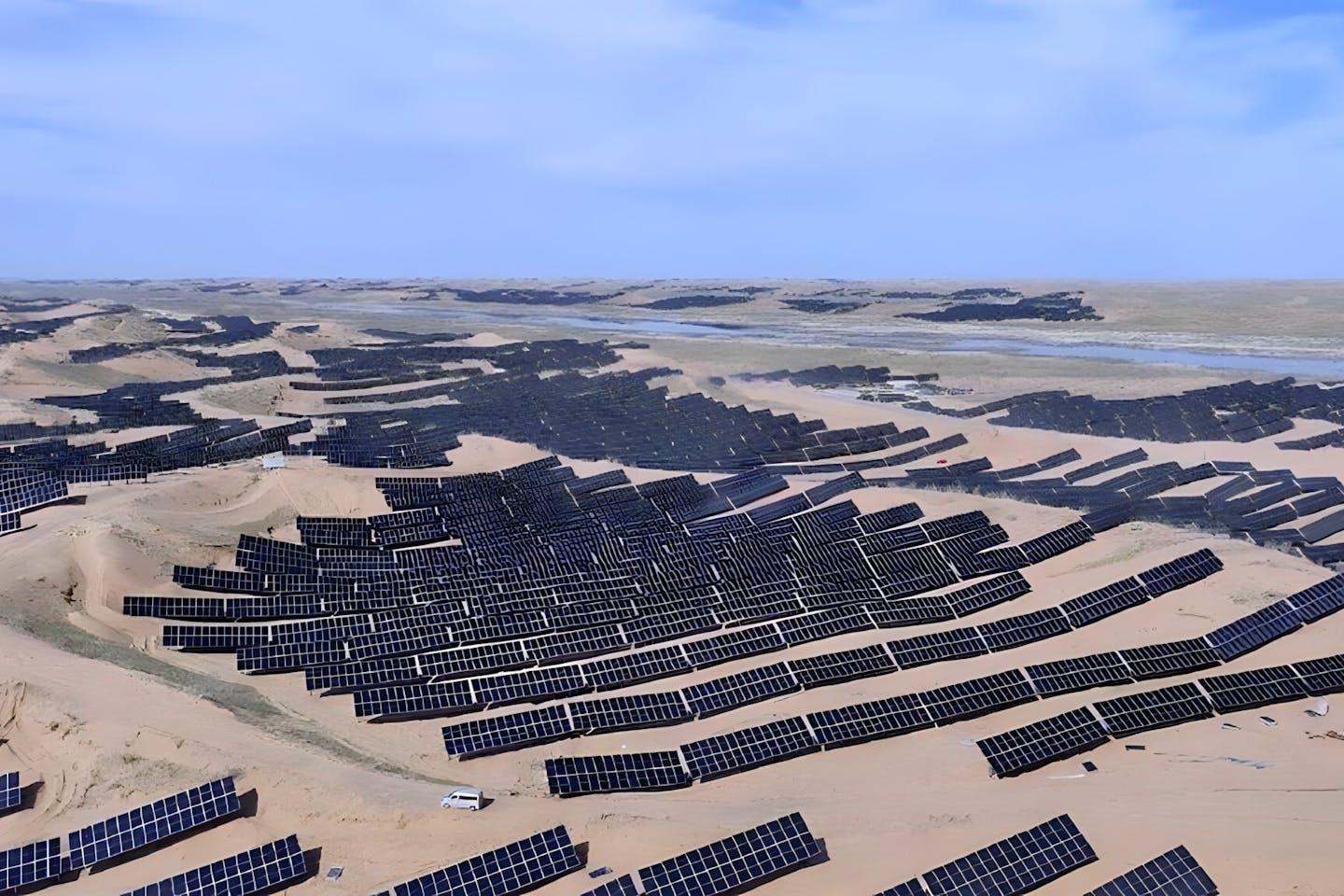
China and the European Union's upcoming climate targets are pivotal for COP30 discussions, according to Melanie Robinson of the World Resources Institute. Both missed a February deadline for new nationally determined contributions (NDCs) that outline emissions reduction goals by 2035. With only 22 countries having submitted updated NDCs, the focus remains on major emitters. Robinson emphasizes that ambitious targets alone are insufficient; they must integrate into national economic strategies. Amidst this, China continues to leverage its green energy initiatives, having invested significantly in renewable energy, reflecting a shift toward a low-carbon economy.
Denmark, India, Nigeria, Taiwan, China, United Kingdom | Financial services
China, EU new climate commitments are ‘critical test’ ahead of COP30
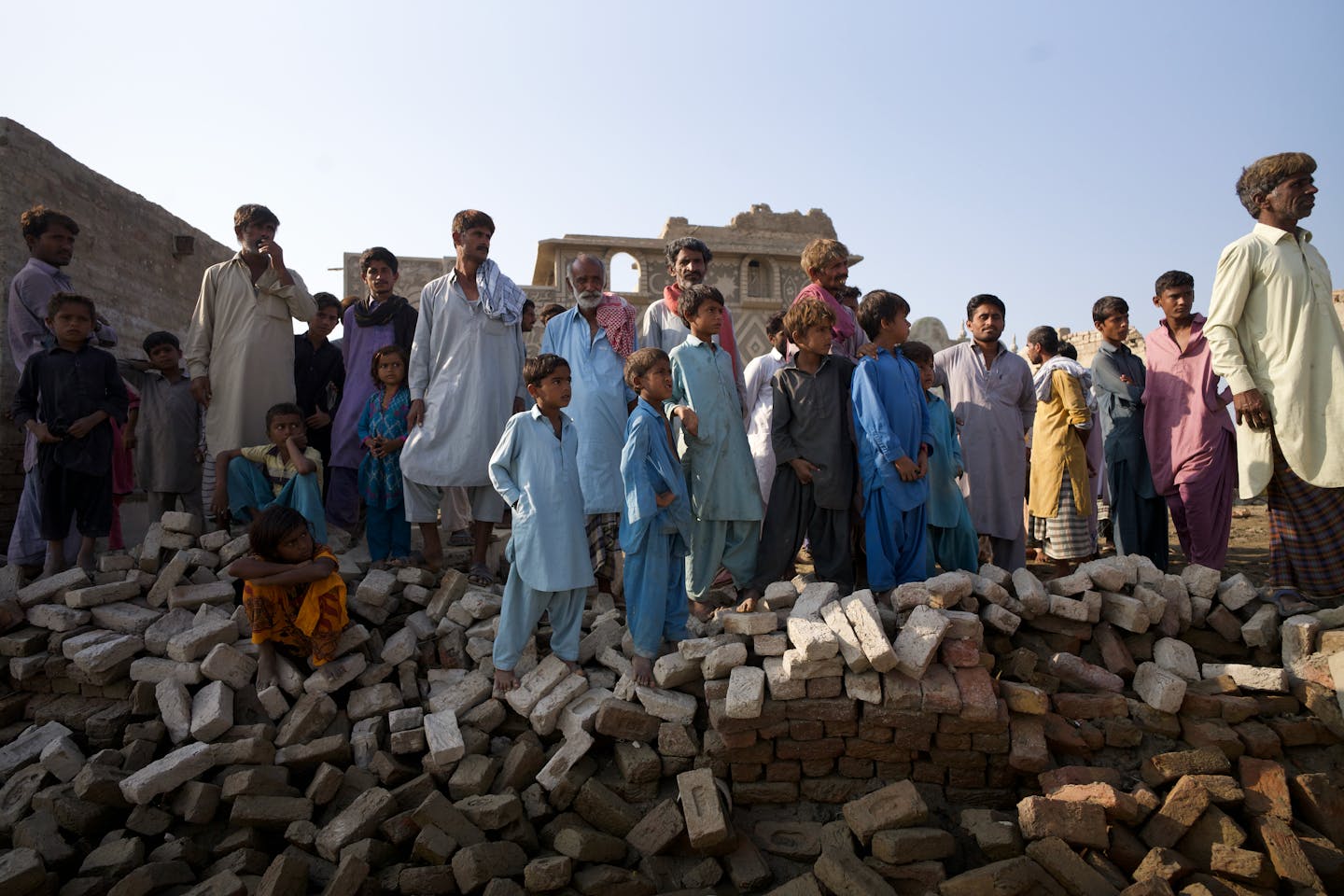
The unprecedented floods in Pakistan have profoundly traumatized children, with many losing parents and homes. Examples include Muhammad Azan, who lost his entire family, and Qadir Ahmed, who is now responsible for his siblings after the floods took their mother. Nationwide, over 1,000 people have died, particularly in Khyber Pakhtunkhwa. Displacement, illness due to contaminated water, and school closures threaten the futures of over 700,000 children. Mental health care is critically lacking, leaving lasting psychological scars on these vulnerable youth.
Nigeria
Pakistan’s floods leave lasting scars on its children
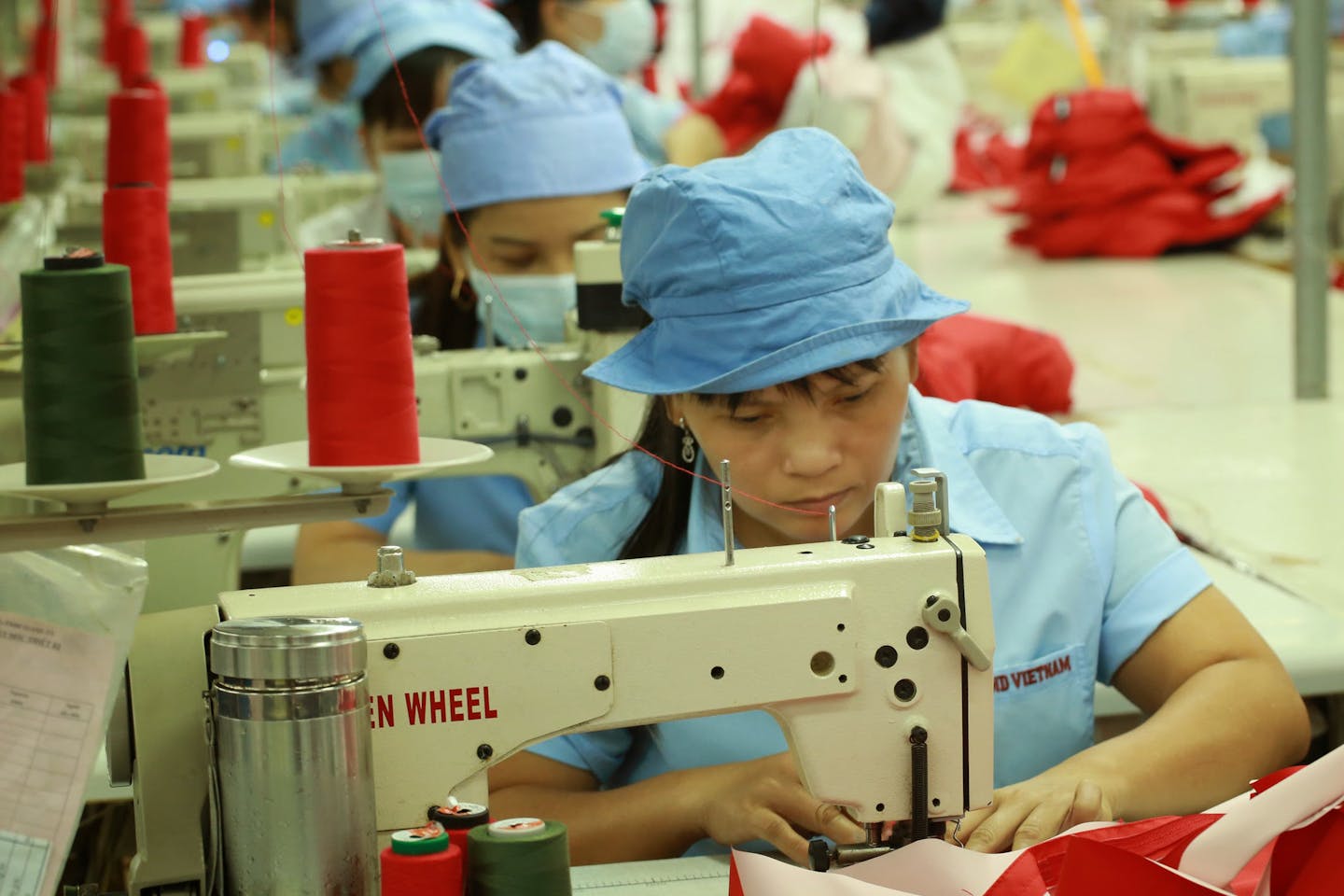
The fashion industry's carbon emissions continue to rise, prompting the Apparel Impact Institute (AII) to promote investment in cleaner production methods. AII estimates that achieving net-zero emissions by 2050 requires $1 trillion. Action plans include the ‘Fashion Climate Fund,’ aiming to raise $250 million to subsidize decarbonization efforts in high-emission regions. By supporting suppliers who meet decarbonization thresholds through co-investing, brands can secure preferred sourcing. Strategies will also focus on renewable energy opportunities and consider ecological impacts, ensuring local community benefits from these investments.
Q&A: How fashion brands can help suppliers go green

The automation of entry-level tasks through artificial intelligence (AI) is reducing demand for junior sustainability roles in the Asia Pacific, according to Paddy Balfour, managing director of recruitment firm Acre. This trend leads to fewer junior hires and impedes career progression in the sustainability sector, exacerbating significant talent pathway challenges. As companies focus on specialized roles and the commercial value of sustainability, fewer professionals transition to senior positions, slowing the representation of sustainability expertise at the top corporate levels. More efforts in mentorship and support for junior talent are needed to address these issues.
Singapore | Education
AI is stifling demand for junior sustainability talent: recruiter

The introduction of carbon pricing significantly reduces carbon emissions but incurs substantial macroeconomic costs, leading to increased income inequality and a decline in human development. These negative impacts are more severe in countries with high public debt, while countries with higher environmental spending experience muted adverse effects. Environmental spending not only mitigates these negative impacts but also helps in further reducing emissions. This analysis encompasses 48 countries from 1989 to 2024.
Carbon Policy and Inclusive Growth
Relocating communal spaces such as graveyards and shrines requires careful cultural sensitivity, early engagement, and transparent communication. Establishing dialogue with community members, understanding their traditions, and addressing emotional concerns can foster cooperation and resilience during relocations. Successful projects, such as the Akhaura–Laksam railway in Bangladesh, illustrate the importance of coordinating with religious leaders and families, acknowledging cultural significance, and incorporating community needs into planning. Continuous consultation and flexibility in the relocation process can help maintain cultural ties and minimize disruption, ensuring that development respects and preserves community heritage.
When Relocating Cherished Places, Cultural Sensitivity is Key

Tropical forests are vital for addressing climate change, offering immediate and cost-effective carbon removal solutions through restoration. They store vast carbon, support biodiversity, and regulate rainfall. Despite losing over 10 million hectares annually, reforestation could capture up to 49 gigatons of CO₂. The proposed Reverse Deforestation Mechanism incentivizes countries to restore degraded lands while preventing further deforestation. Long-term financial stability for forest stewardship is critical to maintaining these efforts and aligning with national development goals.
Financial services
COP30 must back tropical forests for carbon removal now

Niki Khorasani received the Impact Scholar Community Award at the 2024 Ivey/ARCS PhD Sustainability Academy for her research on how entrepreneurs can contribute to degrowth, promoting values of sufficiency, equity, and well-being. Through 50 interviews and participant observation across various countries, Khorasani found that personal transformation is essential for entrepreneurs as they recalibrate their beliefs about success and productivity. Her study emphasizes the need for entrepreneurship educators and policymakers to recognize non-growth oriented ventures and adapt support systems accordingly, facilitating innovative, sustainable business models.
Financial services
Award-Winning Research: How Entrepreneurs Advance Sustainable Economic Systems
Freedom of expression has been recognized as a fundamental human right since World War II, essential for democracy and the protection of all rights. It encompasses freedoms related to information, political debate, media, artistic and cultural expression, and academic interests. This right is grounded in international human rights law established by intergovernmental organizations. Alongside the United Nations, three regional human rights systems in Africa, the Americas, and Europe specifically uphold the right to freedom of expression, despite variations in scope and power among them.
Freedom of Expression and International Organizations
Sustainable farming methods, particularly "zero budget natural farming" in India and regenerative farming in the UK, are being evaluated for their ecological and economic benefits. Zero budget natural farming, promoted by the government of Andhra Pradesh, significantly increases profits without reducing food production, while also enhancing local biodiversity, particularly benefiting bird populations. In contrast, regenerative farming, though fostering soil health and diversity, shows some decline in crop yields. The challenges of scaling these methods highlight the need for crop varieties that perform well in low-input systems to balance food production with ecological health in industrial agriculture.
How farmers are finding greener ways to produce food, from East Anglia to Andhra Pradesh in India
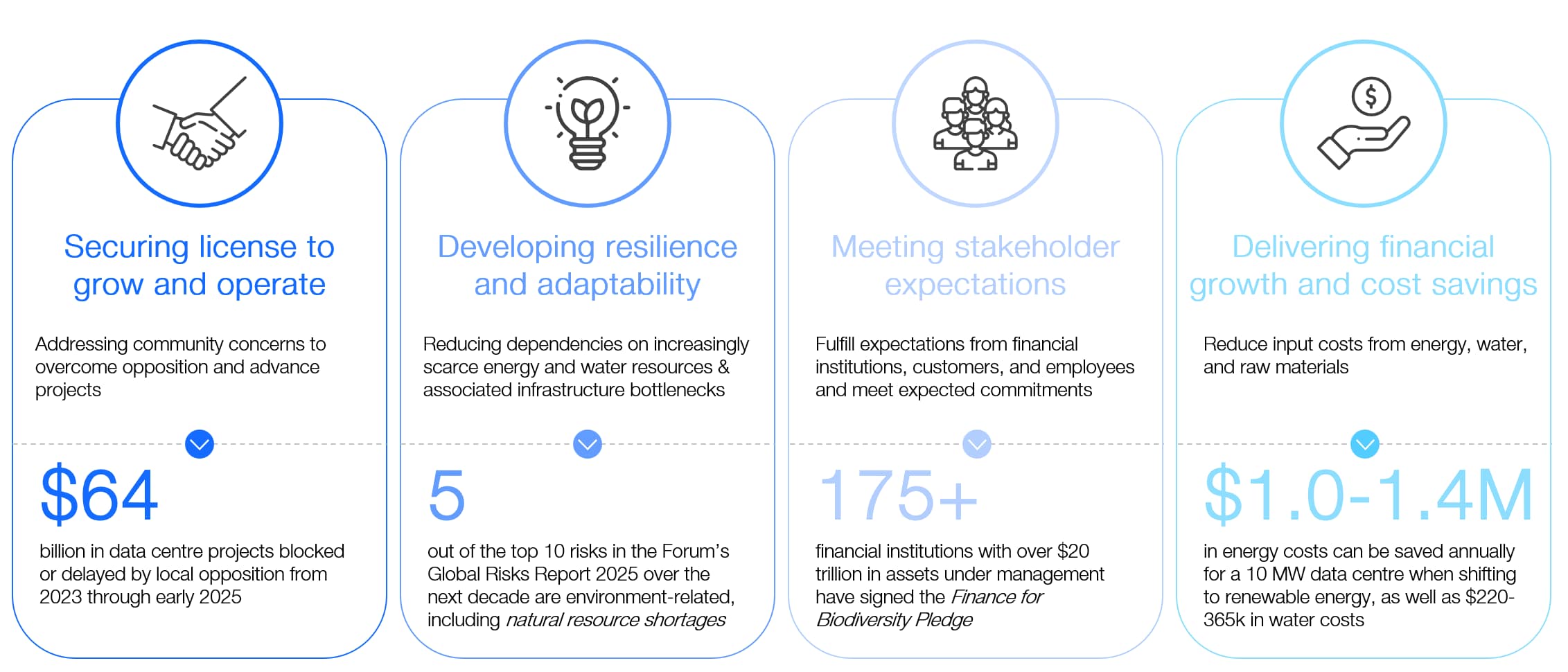
The tech sector faces significant risks from climate change and ecosystem degradation, making a nature-positive transition essential. This approach could yield up to $800 billion in cost savings and revenue across the sector. Seven key actions are recommended: improving water use, tackling pollution, reducing greenhouse gas emissions, promoting land stewardship, and adopting sustainable energy practices. Companies can enhance resilience, meet stakeholder expectations, and secure their social license to operate by investing in technologies that benefit both the environment and their business. Collaboration within the value chain is vital to effectively address these challenges.
ICT
7 ways the tech sector can lead the nature-positive transition
Kent Smetters evaluates the effects of artificial intelligence on productivity, GDP, and federal debt, providing data-driven insights that question the belief that AI can serve as a fiscal remedy.
Understanding AI’s Impact on Productivity, GDP, and Federal Debt
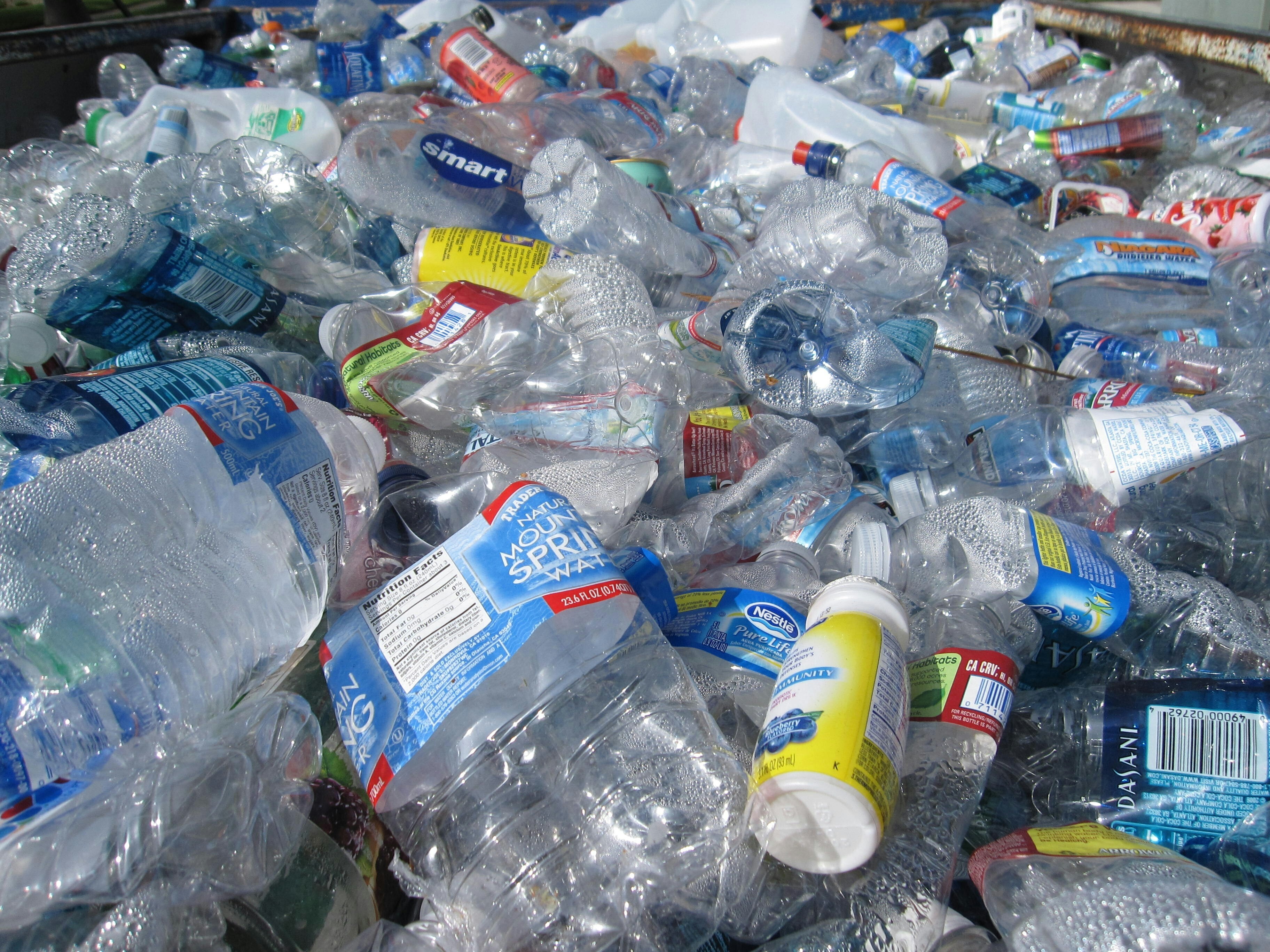
A global plastics treaty is crucial for addressing the structural decline of the polymer industry, which is facing overcapacity and economic challenges. Despite ongoing negotiations, a binding treaty is necessary to mitigate hidden costs and enhance financial stability. Projections indicate that production capacity for key materials like ethylene and propylene will exceed demand significantly by 2030, straining the sector further. Many companies are responding with cost-cutting measures, while a proposed treaty could regulate production, stabilize markets, and support the shift towards sustainable practices, particularly in the APAC region, which is set to see substantial capacity growth.
Argentina, Belarus, Bermuda, Bolivia, Canada, Denmark, France, Germany, Japan, Malaysia, Mauritius, Mexico, Moldova, Namibia, Panama, Poland, Singapore, Thailand, Türkiye
Why a global plastics treaty is an economic and environmental necessity
Japan's semiconductor policy is driven by the concepts of "strategic autonomy" and "strategic indispensability." These principles aim to reduce reliance on foreign countries for essential technologies and ensure Japan’s critical role in the international economy. As part of this strategy, the government established the Economic Security Promotion Act (ESPA) and has invested up to ¥1.7 trillion (approximately US $11 billion) to boost domestic production of advanced semiconductors. This includes support for projects from companies like TSMC and Micron, as well as funding for research into next-generation semiconductor technologies. Public/private partnerships are crucial, reflecting semiconductors' foundational role in key Japanese industries.
Germany, Japan, Namibia, Singapore, Switzerland, Thailand | Financial services, ICT
Three Questions to Satoshi Yamada: Unpacking Japan’s Semiconductor Playbook
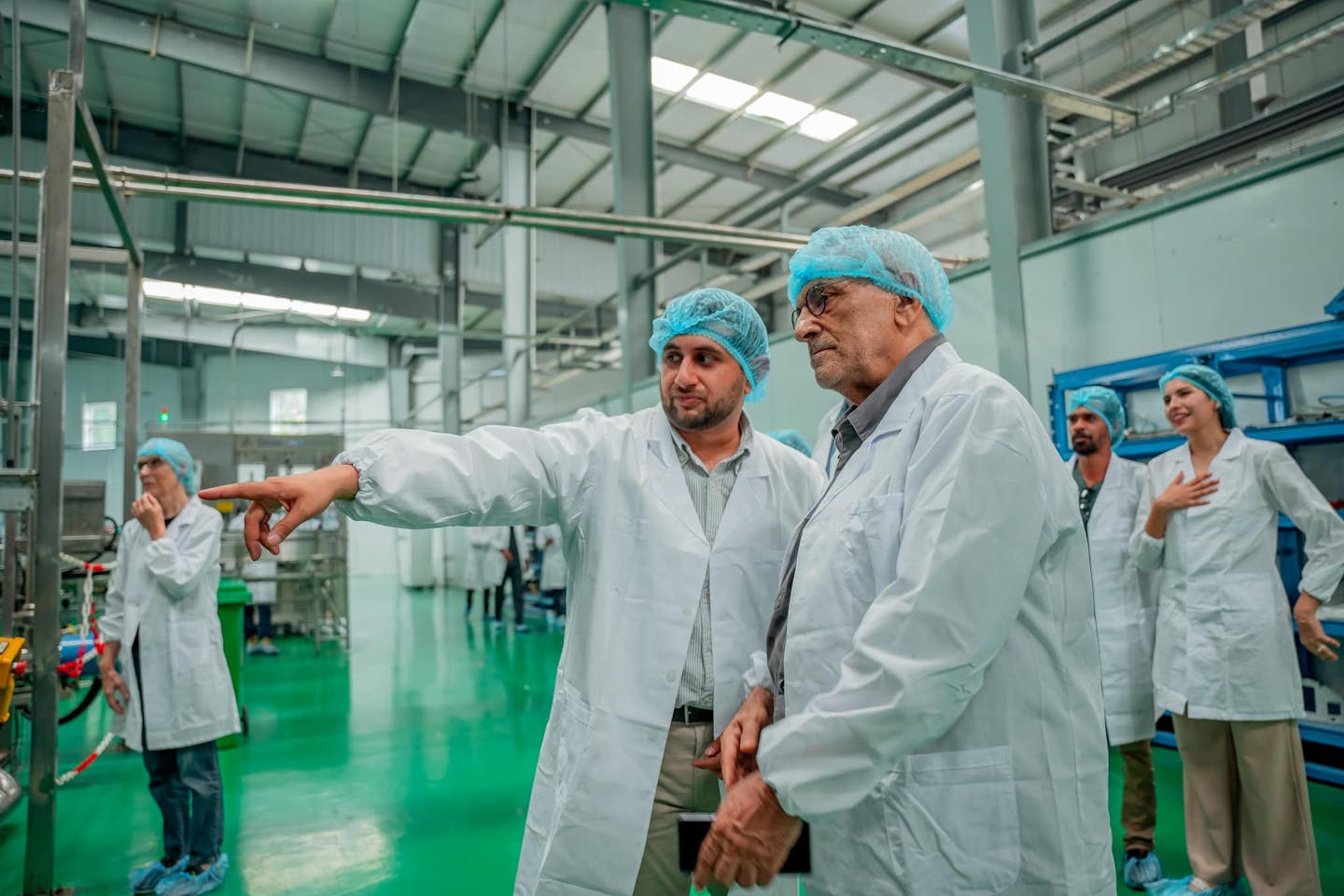
Timor-Leste President José Ramos-Horta emphasized the urgent need for innovation in water management and conservation, warning that climate change could lead to conflicts over water resources, potentially creating "water refugees." He highlighted that only 1% of the world's water is accessible and urged young professionals to pursue careers focused on water security. Despite Timor-Leste's ample rainfall, water scarcity affects a quarter of its population due to inadequate infrastructure. Ramos-Horta also addressed extreme poverty and child nutrition challenges, showing support for recent civic protests against government excesses in Dili.
Africa, Latin America
Timor-Leste president warns of era of 'water refugees' and climate-induced water conflict

Azerbaijan has transformed its economy following the 2015 oil price crash through comprehensive reforms aimed at enhancing resilience. Immediate measures included tightened fiscal spending and a shift to a managed currency float. Key institutional reforms led to a significant reduction in non-performing loans from 21% in 2016 to 2.4% in 2024. Technological advancements in fintech and a strong focus on fiscal responsibility have improved public finance sustainability. By 2024, the public debt-to-GDP ratio was a low 21.7%, and Azerbaijan achieved notable advancements in governance and regulatory transparency. The country's trajectory serves as a model for resource-rich economies facing global volatility.
Algeria, Armenia, Austria, Bahrain, Bolivia, Bosnia and Herzegovina, Bulgaria, Burkina Faso, Estonia, Finland, Georgia, Hungary, Iceland, Kazakhstan, Kuwait, Kyrgyz Republic, Latvia, Luxembourg, Moldova, Namibia, Qatar, Romania, Russian Federation, Slovakia, Slovenia, Tajikistan, Ukraine, United Arab Emirates, Venezuela, Zimbabwe | Financial services
From crisis to confidence: Azerbaijan’s 10-year journey towards economic resilience
