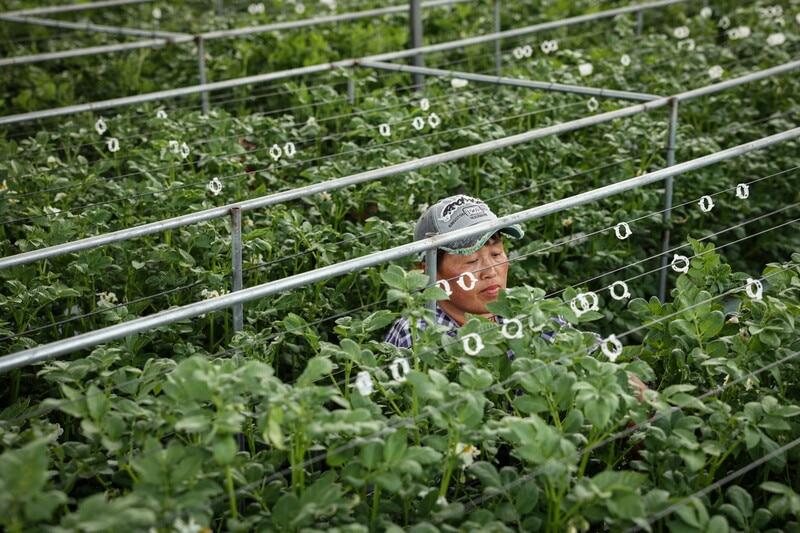
Climate change is driving the emergence of a growing adaptation economy, creating significant business and investment opportunities in sectors such as cooling, climate-resilient construction, and climate-smart farming. Global demand for cooling solutions and resilient building materials is rapidly increasing, with markets predicted to reach hundreds of billions of dollars by 2030. Countries like China are supporting innovation in vertical farming and precision fermentation, fueling further growth. Annual global adaptation market sales are expected to quadruple to $4 trillion by 2050, with financing needs reaching up to $1.3 trillion by 2030. Effective government policies and economic frameworks, measured by tools like the Adaptation Economy Index, are crucial to mobilize private capital, foster innovation, and ensure inclusive prosperity in a warming world.
Climate change is impacting our daily lives. Building an adaptation economy is vital

Young people are rapidly adopting AI, with over 90% using it weekly, yet this fluency often does not translate into economic opportunity. A significant divide exists between learning AI skills and converting them into jobs or income, hindered by lack of access to devices, connectivity, professional networks, and financial pressures. Effective AI education must go beyond literacy, incorporating hands-on experiences like internships and entrepreneurial support to help youth apply skills in real-world contexts. Programs like Goodwall and HP’s AI to Opportunity aim to bridge this gap by providing technology, learning opportunities, mentorship, and pathways to economic participation.
ICT, Education
The next AI divide is between learning and earning

Smartphones contain over 70 raw materials, with mining causing significant environmental damage, human rights violations, and geopolitical conflicts. Extracting metals like cobalt—often sourced from dangerous artisanal mines involving child labor, especially in the Democratic Republic of Congo—impacts landscapes and communities worldwide. Most consumers are unaware of these issues. To raise awareness, "Mine My Phone," an open-access digital map, connects key metals in phones to their extraction sites, highlighting environmental, human, and geopolitical impacts. The sustainable future of smartphones demands designs that are upgradable, repairable, reusable, and recyclable to reduce waste and dependency on finite resources.
New mining map highlights damage caused by extracting metals for your smartphone
Circularity has evolved from solely an environmental focus to a critical driver of economic competitiveness, growth, resilience, and resource security amid supply chain disruptions and geopolitical risks. According to the 2026 Circularity for Competitiveness and Resilience Executive Survey, 80% of executives currently prioritize circularity, with 94% expected to do so within three years. The Resilience-to-Growth Circularity Playbook for Industrial Solutions and Manufacturing, developed by the World Economic Forum’s Sectoral Taskforce, provides a pragmatic three-step framework: quantify risk exposure, identify high-value circular initiatives, and leverage key enablers. This approach aims to bridge the gap between circularity ambitions and execution, creating sustainable competitive advantage.
The Resilience-to-Growth Circularity Playbook for Industrial Solutions and Manufacturing
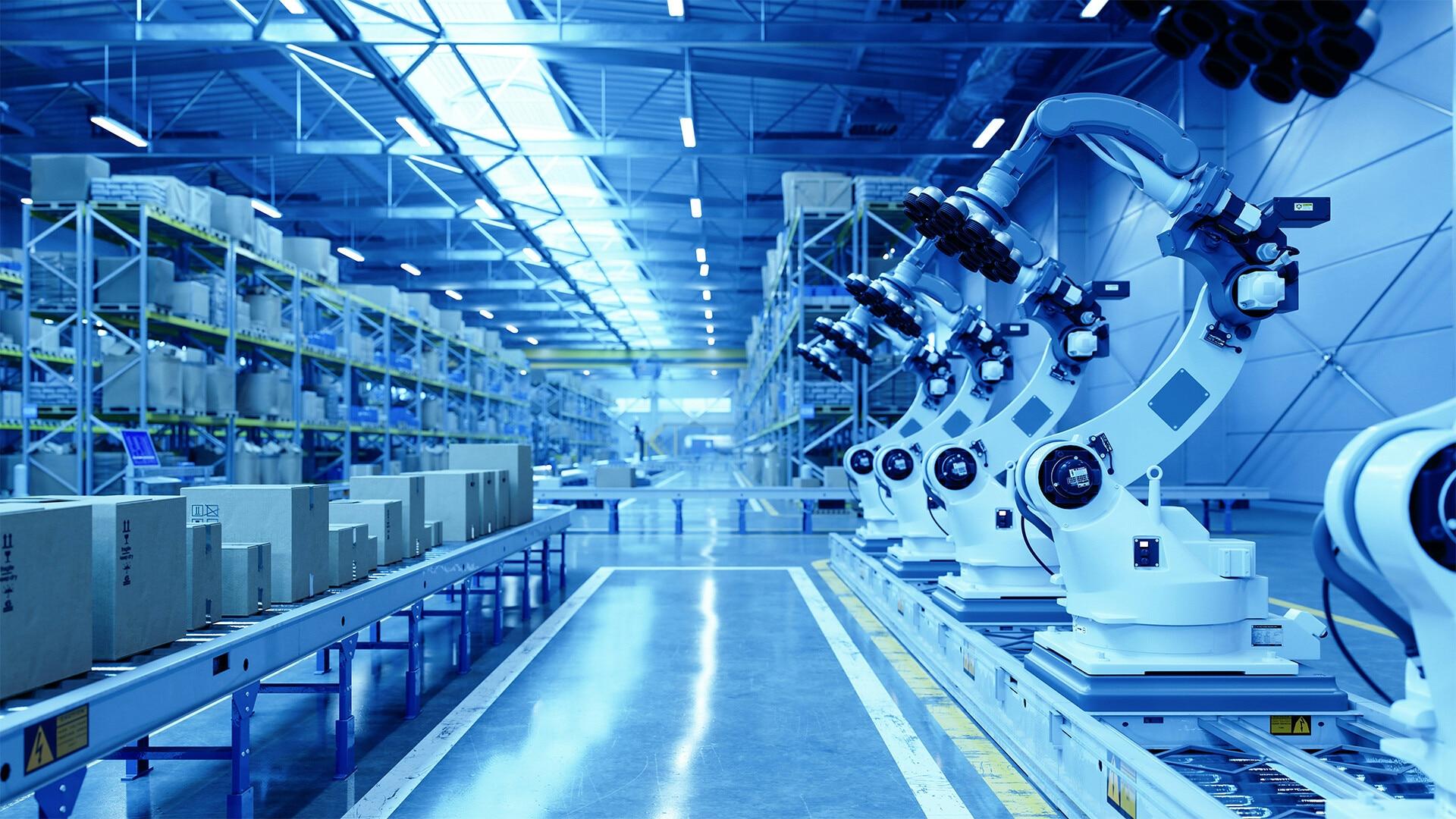
Circularity has evolved from an environmental concern to a strategic imperative for economic competitiveness, growth, resilience, and resource security amid supply chain and geopolitical challenges. According to the 2026 Circularity for Competitiveness and Resilience Executive Survey by the World Economic Forum and Bain & Company, 80% of executives currently prioritize circularity, with 94% expected to do so within three years. Despite strong ambition, companies face challenges in scaling circular practices due to cost, complexity, and fragmented ecosystems. The Resilience-to-Growth Circularity Playbook, developed by the World Economic Forum’s Sectoral Taskforce, provides a three-step framework—quantify risk exposure, codify high-value circular moves, and amplify through enablers—to help businesses convert circularity goals into actionable strategies and competitive advantage.
The Resilience-to-Growth Circularity Playbook for Industrial Solutions and Manufacturing

High-speed rail (HSR) should be evaluated not only by traditional metrics like speed and economic efficiency but also by its impact on human wellbeing. Research shows travel time influences subjective wellbeing, with longer commutes often increasing stress and reducing happiness. Unlike driving, train travel offers passengers opportunities for productive, leisure, or restful activities, enhancing travel quality. Studies in China find statistically significant positive correlations between HSR access and improved wellbeing, linked to better access to healthcare, education, and environment. Incorporating wellbeing measures, such as the WHO-5 Well-Being Index, alongside conventional indicators can provide a more comprehensive assessment of transport projects.
Health
Train travel should be measured by human experience, not just efficiency
Farms adopting regenerative agriculture and agroecological practices achieve significant benefits, including a 14% yield increase and 45% higher income. These methods improve soil health, water retention, and resilience, enabling sustainable productivity aligned with ecological preservation. Building a regenerative agriculture economy requires coordinated action from farmers, companies, investors, governments, and consumers. Companies must commit to purchasing resilient produce with support for transition costs, investors need reliable data to assess risks, governments should fund public goods and absorb early risks, and consumers must value and demand sustainably produced products. Transparent evidence, standards, and collaboration across stakeholders are essential to transform markets, reward regeneration, and ensure food system resilience.
What it will take to create the regenerative agriculture economy
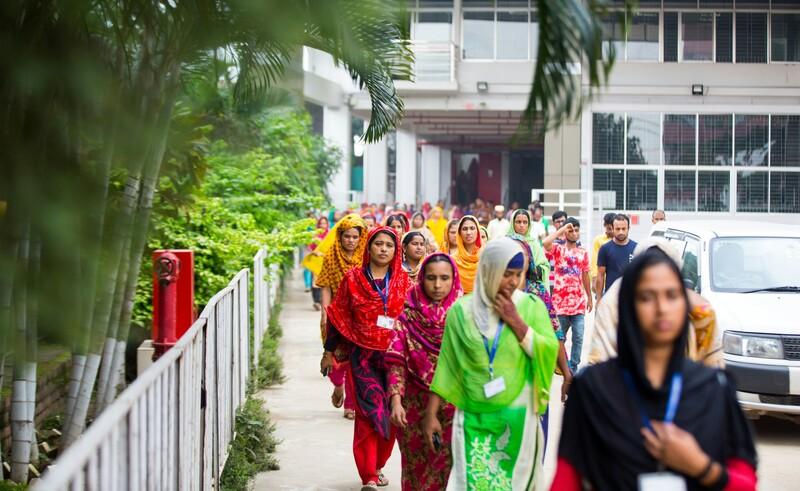
Noncommunicable diseases (NCDs) cause 70% of deaths in Bangladesh, with many unaware of their conditions until severe complications arise. The government is shifting focus to prevention through enhanced community-based screening paired with digital follow-up, aiming to reduce premature mortality from 24.6% to 15% by 2030. Key initiatives include deploying 100,000 community health workers, establishing prevention-focused primary healthcare units nationwide, and creating a national digital health record system. Early results from systematic community screening and digital tracking show improved management of blood pressure and blood sugar levels, potentially reducing costly and debilitating NCD complications while addressing the high out-of-pocket health expenditures burdening households.
Health
How Bangladesh is shifting its health care approach to noncommunicable diseases

Extreme weather risks are increasing pressure on the availability of adequate and affordable insurance, with insurability now depending on the resilience of entire places and systems, not just individual assets. Strengthening local resilience requires cooperative efforts among stakeholders, focusing on four key areas: enhancing risk-decision data, creating financing mechanisms for resilience, developing trusted metrics to integrate resilience into insurance and investment decisions, and fostering collaboration and governance to capture broader benefits. The playbook offers a practical framework and global examples to guide investment and coalition-building that improve place-based resilience and insurability.
Africa | Financial services, Health
Addressing Insurability: A Playbook for Investing in Place-Based Resilience
India has improved national freight infrastructure, notably through projects like the Dedicated Freight Corridor, reducing logistics costs to levels comparable with major economies. However, delays and high costs persist in the "first and last mile" stages managed by state and city jurisdictions, making shipment times notably longer than in countries like China or the US. Efficient cargo movement requires coordinated planning between central, state, and city governments, aligning national freight corridors with state-level feeders and urban delivery networks. Collaborative, multi-level planning with shared spatial logic and data integration is essential to enhance connectivity from rural production hubs to urban consumption points and to reduce bottlenecks in city logistics.
Asian Development Blog: From Farm to City: Why India Needs Center–State Coordination on Logistics

Growth in developing Asia and the Pacific is expected to slow from 5.5% in 2025 to 5.0% in 2026, then slightly rise to 5.1% in 2027 amid ongoing energy disruptions. Inflation is forecasted at 4.2% in 2026, supported by extensive subsidies, before easing to 3.5% in 2027, although El Niño impacts may push inflation higher. Downside risks include escalating geopolitical tensions, severe El Niño effects, tighter financial conditions, and trade uncertainties. High public and private debt levels constrain monetary policy, limiting central banks' ability to manage inflation effectively.
Africa, ASEAN, Latin America
Asian Development Outlook September 2026: Navigating Prolonged Energy Shocks and El Niño
The study evaluates financial preparedness for old age in the Republic of Korea by comparing expected retirement resources—such as public pensions, family transfers, assets, and post-retirement earnings—against target consumption needs. It examines variations by gender and place of residence under two retirement scenarios, finding significant disparities, particularly larger financial shortfalls for women. The findings highlight the critical role of continued employment and family support in ensuring old-age security, reflecting the transitional state of Korea's welfare system.
Assessing Financial Preparedness in Old Age in Asia: Evidence from the Republic of Korea

Building comprehensive, people-centered long-term care (LTC) systems in rapidly aging Asian economies requires transparent public financing, workforce development, and prioritization of universal healthcare. Effective LTC improves quality of life, reduces hospital stays, and eases the burden on family caregivers. The implementation of digital technology can better address older adults' needs. Financing options include tax-based systems and mandatory insurance contributions, which together support cost-effective universal health and care coverage, enhancing the well-being of older populations.
Financial services, ICT, Health, Education
Long-Term Care System and Universal Health and Care Coverage
Seeing AI disclosures on social media posts causes users to disengage, perceiving creators as putting in less effort and thus reducing the content's authenticity. This diminishes the parasocial connection—one-sided emotional bonds—users feel with creators, leading to less engagement. A study by the University of Southern California found that although AI-generated and human-created content have similar quality, knowing AI was involved weakens user attachment and interest, regardless of age. However, disclosures suggesting creators still invested effort can mitigate this negative effect.
How AI Disclosures Disconnect
Local governments face challenges upgrading critical but outdated technologies that slow service delivery. Artificial intelligence is now being used to analyze and map legacy systems and data architectures, enabling cities to gain insights previously requiring extensive time or external expertise. This AI-driven approach helps identify opportunities to modernize infrastructure and improve resident services. Early adopters like Austin, Texas, and Belo Horizonte, Brazil demonstrate how AI can unlock meaningful change by enhancing or replacing old technology, ultimately accelerating local government innovation and responsiveness.
ICT, Education
The quiet AI work tearing down barriers to change in city halls
Leaders of leading AI companies, including Anthropic’s Dario Amodei and OpenAI’s Sam Altman, have agreed on the need to slow the rapid pace of AI development and to allow independent evaluators access to their systems. Despite this consensus, the global AI race continues due to strategic incentives, particularly between the US and China, to avoid being the first to impose restrictions. This dynamic creates a double collective-action problem akin to a "stag hunt," where cooperation offers the greatest benefit but fear of unilateral restraint leads to defection. Effective solutions must build mutual trust to coordinate a global slowdown without relying solely on heavy regulatory frameworks.
Let The People Set The Pace Of Frontier AI
The ocean and freshwater are components of a single interconnected hydrological cycle, yet they are often managed separately, causing environmental and economic harm. Both water sources are vital for ecosystems, human communities, and the global economy, with freshwater valued at around $58 trillion annually and water-dependent sectors dominating global trade volume. Climate change and poor management disrupt this cycle, leading to floods, droughts, pollution, and increasing water-related risks that cost the global economy $301 billion if unaddressed. Transboundary water cooperation among nations and basin-level collaboration in business are essential for managing shared resources, reducing risks, and improving resilience. Upcoming UN conferences offer opportunities to integrate ocean and freshwater policies to safeguard water security and support sustainable development.
Africa | Health
One water cycle: Why connecting the ocean and freshwater will allow the economic benefits to flow

The 6G network aims to be AI-native, integrating intelligence and sensing capabilities beyond data transmission. Its development faces geopolitical tensions and reliance on major cloud providers like Amazon and Google, raising concerns about infrastructure sovereignty and security. The US formed a 24-country coalition, including the UK and Europe, to lead 6G development and counter China’s dominance, learning from the strategic missteps in 5G deployment. Europe seeks autonomy through initiatives like Hexa-X to reduce dependence on US and Chinese technology, but lacks the industrial scale to fully replace Chinese infrastructure. The UK faces challenges amid departmental changes and ongoing 5G rollout, complicating leadership in 6G innovation. Key industry decisions will emerge ahead of the 2027 ITU spectrum negotiations in China.
ICT
In the race to roll out 6G, the UK and Europe are caught between technology’s superpowers

Grand Theft Auto's online roleplaying servers enable players to engage deeply in political processes such as voting, debating, protesting, and collective decision-making within the game world. Research involving a six-month immersive experience in GTA V's roleplaying communities reveals players forming political institutions, holding elections, and creating laws, often mirroring real-world political systems. Despite general political disengagement offline, these virtual spaces offer meaningful political participation and community governance crafted by players themselves. As GTA VI approaches release, players are expected to continue bringing their political creativity into the game's evolving online environments.
Grand Theft Auto: players are voting, debating, protesting and making political decisions
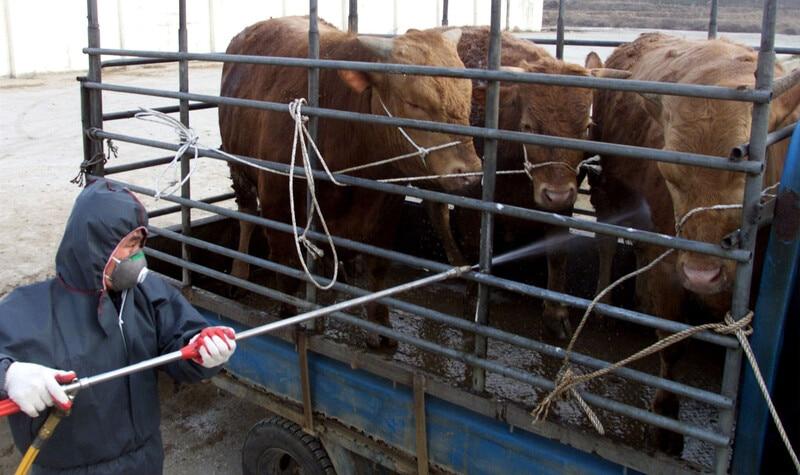
Biosecurity risks are increasing due to the convergence of climate change, AI-enabled biology, and global mobility, which shortens the time between pathogen emergence and impact. While natural threats remain most common, engineered biological agents pose growing risks, driven by accessible lab tools and AI advances. AI is accelerating genomic sequencing, surveillance, and therapeutic development, enhancing response speed and precision. However, resilience requires more than technology: coordinated governance among governments, industry, and academia is essential. Institutions like Imperial College London and initiatives such as the UK’s COVID-19 Vaccines Taskforce exemplify the importance of collaborative frameworks to strengthen biosecurity preparedness and responsible deployment of emerging technologies.
Africa | Health
At the frontier of biosecurity, risks and resilience are both on the rise