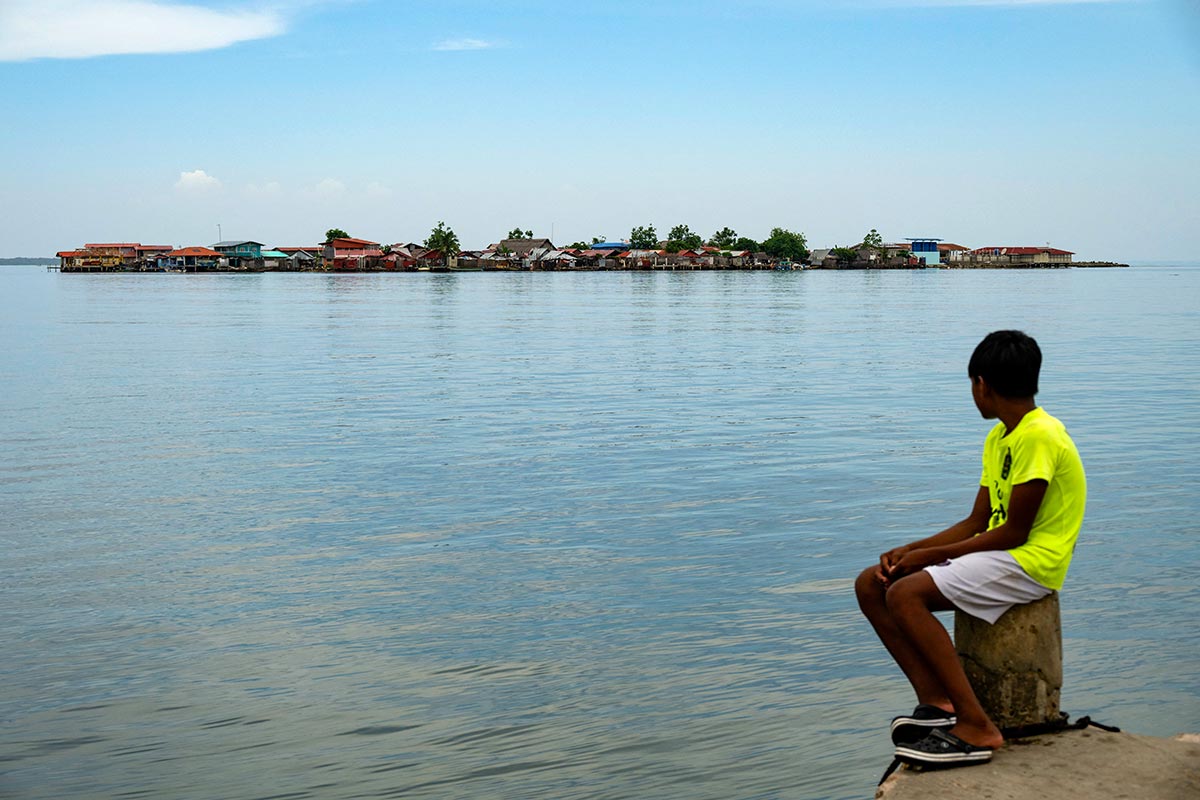
Understanding and predicting global sea level changes due to climate-driven ice sheet melting are crucial for addressing threats to vulnerable regions. The melting ice impacts sea levels by adding water volume and causing glacial isostatic adjustment (GIA), which alters Earth's surface. Modeling GIA necessitates interdisciplinary expertise, yet early-career scientists face barriers to entry in this complex field. To overcome these challenges, organizations have developed training schools for skill-building in GIA modeling. These programs emphasize experiential learning, networking, and collaboration, aimed at empowering the next generation of scientists in this critical area of research.
Antarctica | Education
Getting Schooled in Complex Earth System Modeling

AI-first start-ups should prioritize solving customer problems while building defensible advantages, such as proprietary data and expertise. Focused companies scale faster than scattered competitors. Successful examples like Grammarly and Abridge AI demonstrate the importance of iteration, user feedback, and compliance in AI products. Start-ups must avoid spreading resources too thin by concentrating on specific markets, exemplified by Runway AI's targeted video tools. Overcoming user skepticism requires transparency and tailored sales processes. Ensuring continuous improvement through real-world usage sharpens competitiveness and establishes trust in the AI space.
A playbook for building a successful AI-first start-up
Italian Prime Minister Giorgia Meloni and European Commission President Ursula von der Leyen convened in June 2025 to discuss synergy between the Mattei Plan and the Global Gateway. Despite recent reports outlining various initiatives, many projects lean on pre-existing frameworks rather than introducing new efforts. Key projects, such as a proposed energy corridor, lack clear operational plans, governance structures, and specific funding details. This suggests the Plan may not deliver significant added value while prioritizing large corporations over local stakeholders. There is a pressing need for coherent governance and regulatory frameworks to enhance effectiveness and inclusivity in Euro-African partnerships.
Africa, Latin America | Financial services
Good Intentions in Need of Good Governance: The Unclear State of the Mattei Plan

Futurism in Europe, from its CIA-funded origins in the 1960s to contemporary EU strategic foresight, has aimed to protect the liberal order against radical mass politics. While historically influential figures like Bertrand de Jouvenel promoted the discipline, advocating for a futures-oriented perspective, the increasing participatory nature of futurism raises concerns that popular sentiment could destabilize established frameworks. The evolution of this discipline reflects ongoing tensions between liberal democracy and emerging radical ideologies.
Latin America
Futures By Democracy or Design?

Armed violence undermines public trust in institutions globally, from El Salvador to Sweden. To combat this, countries have committed to reducing violence per Sustainable Development Goal 16. Despite successes in violence prevention strategies, approaches neglect the political and institutional factors, particularly the influence of organized crime. Tailoring violence prevention requires reforms in local governance. Regions like Latin America face significant challenges, with recent spikes in criminal violence in Europe. Successful interventions have emerged but require better cross-regional collaboration and funding to address the complexities of organized crime and improve governance.
Latin America | Financial services, Health, Education
Strong local institutions and governance are key to preventing violence and organized crime in cities

US President Donald Trump’s AI Action Plan indicates a lack of regulatory measures for the fast-evolving AI industry. To ensure accountability, policymakers, investors, and the American public should enhance the requirements for public-benefit corporations at the state level. As AI continues to impact daily life, the future will depend on the choices made today regarding its development and guidance.
AI’s Corporate Shell Game Must End
On July 23, the International Court of Justice (ICJ) declared climate change an “existential problem of planetary proportions,” reinforcing that states are legally obligated to protect the climate and may face liability for non-compliance. The ICJ emphasized the necessity for international cooperation to meet emission reduction targets, as outlined in the Paris Agreement. Countries failing to mitigate greenhouse gas emissions may commit internationally wrongful acts. This ruling, stemming from a record 96 participating states and various organizations, signifies a critical moment for climate action, particularly for vulnerable communities facing environmental impacts.
Antarctica
The ICJ acts on climate change
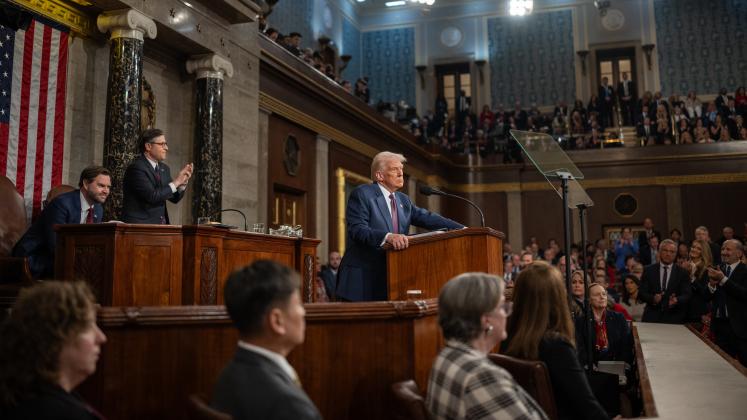
Voter evaluations of congressional candidates have increasingly become influenced by perceptions of the sitting president, transforming congressional races into reflections of national dynamics rather than local issues. Research indicates that over the past four decades, as presidential campaigns have become more partisan, the correlation between presidential approval and voter feelings towards congressional candidates has strengthened significantly. In 2020, disapproval of the president resulted in notably lower ratings for opposition candidates. This trend highlights the president's role as the national symbol of their party, shaping voter sentiment and influencing electoral outcomes across the ballot.
When voters think about congressional elections, they increasingly think first about the president

Developing countries require approximately $4 trillion annually to achieve the United Nations Sustainable Development Goals (SDGs). With public finances under pressure, the European Union is mobilizing private capital through initiatives like the Global Gateway, which combines guarantees and grants to de-risk investments. This includes agreements like a €75 million guarantee for off-grid energy in underserved regions. The EU is also promoting projects that improve infrastructure and local ownership while removing investment barriers to create predictable, sustainable opportunities for investors. Key areas of focus include education, job training, and climate resilience.
Angola, Colombia, France, Greece, Indonesia, Kenya, Namibia, Philippines, South Africa, Switzerland, Tanzania, United Kingdom | Financial services, Education, Health
Reimagining Sustainable Development for a Fractured World
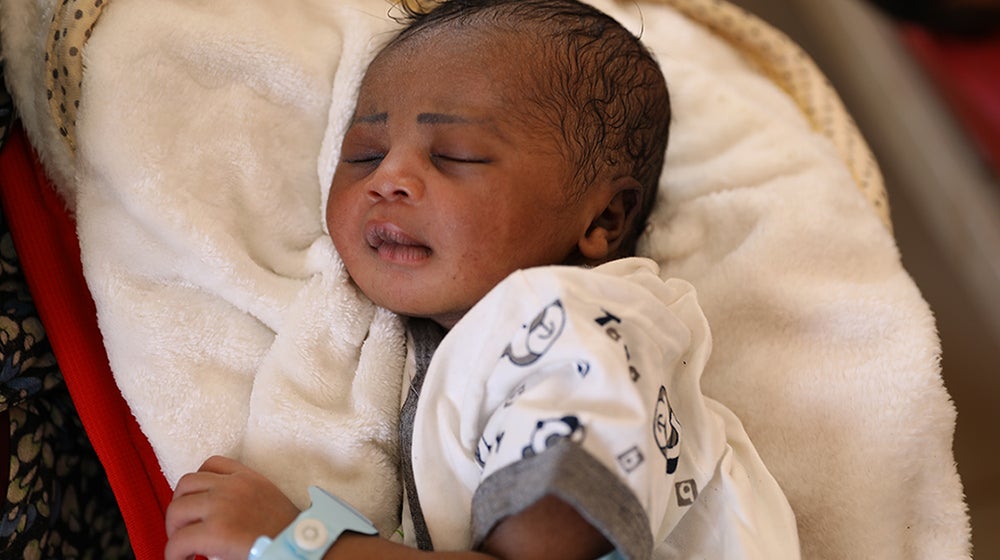
The conflict in Sudan, which began in April 2023, has caused a severe humanitarian crisis, displacing approximately 12 million people and devastating the country's health system. As families return to Khartoum, the iconic Ibrahim Malik Hospital has been left in ruins. The UNFPA is actively working to restore reproductive healthcare, providing crucial support for nearly 8,000 births and over 1.5 million supplies to women and girls since January 2025. There is an urgent need for collaboration to rebuild healthcare services, as many women lack access to essential maternal care, particularly in areas with high internal displacement.
Sudan: Born in the shadows of shattered walls
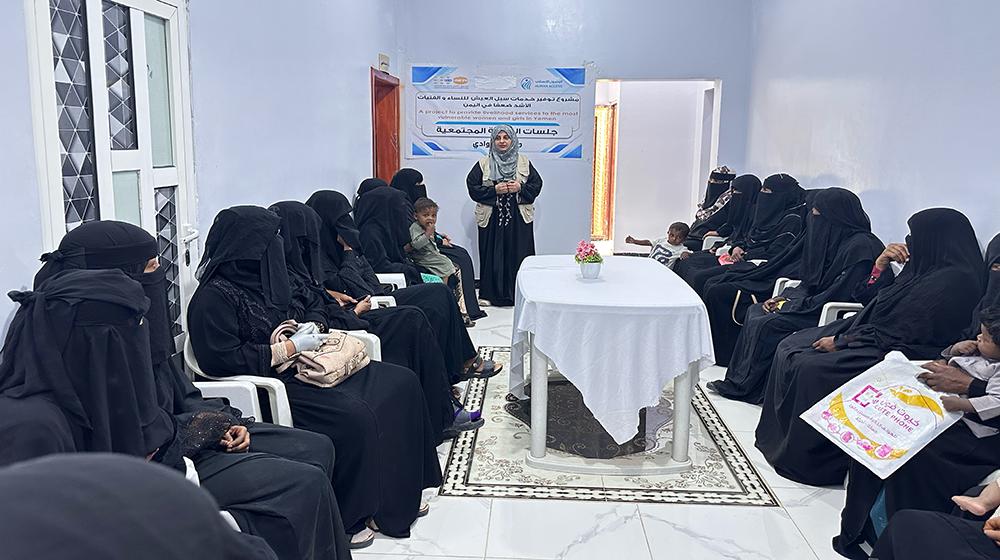
In Yemen's Marib and Al Mahrah Governorates, safe spaces for women and girls, supported by UNFPA, provide essential services to survivors of gender-based violence. Salwa, married at 17, received medical and psychosocial support after enduring abuse, leading to a life-saving surgery during her high-risk pregnancy. Similarly, Laila, a displaced woman, found refuge and emergency care after experiencing a miscarriage, helping her to regain confidence and independence. UNFPA's integrated model empowers women by combining health services with emotional support. However, dwindling funding threatens access for 1.5 million women and girls, leaving many vulnerable to ongoing violence.
“Now I know I have a future”: Safe spaces work with health centres to save women’s lives in Yemen

Generative AI models rely on the creative works of various artists, journalists, and coders, often using their content without permission or compensation. A proposed revenue levy on AI firms could provide funding for the arts, promote open access, and protect human creativity from being undervalued in the pursuit of profit.
AI Should Help Fund Creative Labor
Dr. Basma AlBuhairan, Managing Director of the Centre for the Fourth Industrial Revolution Saudi Arabia, emphasizes the country's commitment to quantum computing as part of its Vision 2030 strategy. This includes piloting the World Economic Forum's Quantum Economy Blueprint to align with Saudi strengths and ambitions. AlBuhairan outlines a comprehensive approach to developing quantum technologies, addressing skills, research priorities, and governance. The establishment of the RDI Authority aims to enhance innovation and economic diversification, reinforcing the kingdom's goal of transitioning to a knowledge-driven economy.
Bahrain, Kuwait, Qatar, Saudi Arabia, United Arab Emirates | Financial services, Education, ICT
Interview Of The Week: Basma AlBuhairan, Quantum Computing
The housing crisis in Central and Eastern Europe (CEE) is fueling political instability, as urban centers face a severe shortage of affordable housing amidst rising demand. While home ownership rates in CEE are high, many individuals cannot access housing in economically vibrant cities due to exorbitant prices. This situation has led to frustrations among the working and middle classes, contributing to a shift towards right-wing politics. Proposed solutions include establishing public development banks to finance housing construction and creating large-scale public or public-private social housing programs. These measures aim to restore stability and support economic growth by meeting the housing needs of the broader population.
Czech Republic, Hungary | Financial services
Housing Crisis Threatens to Fracture Central and Eastern Europe
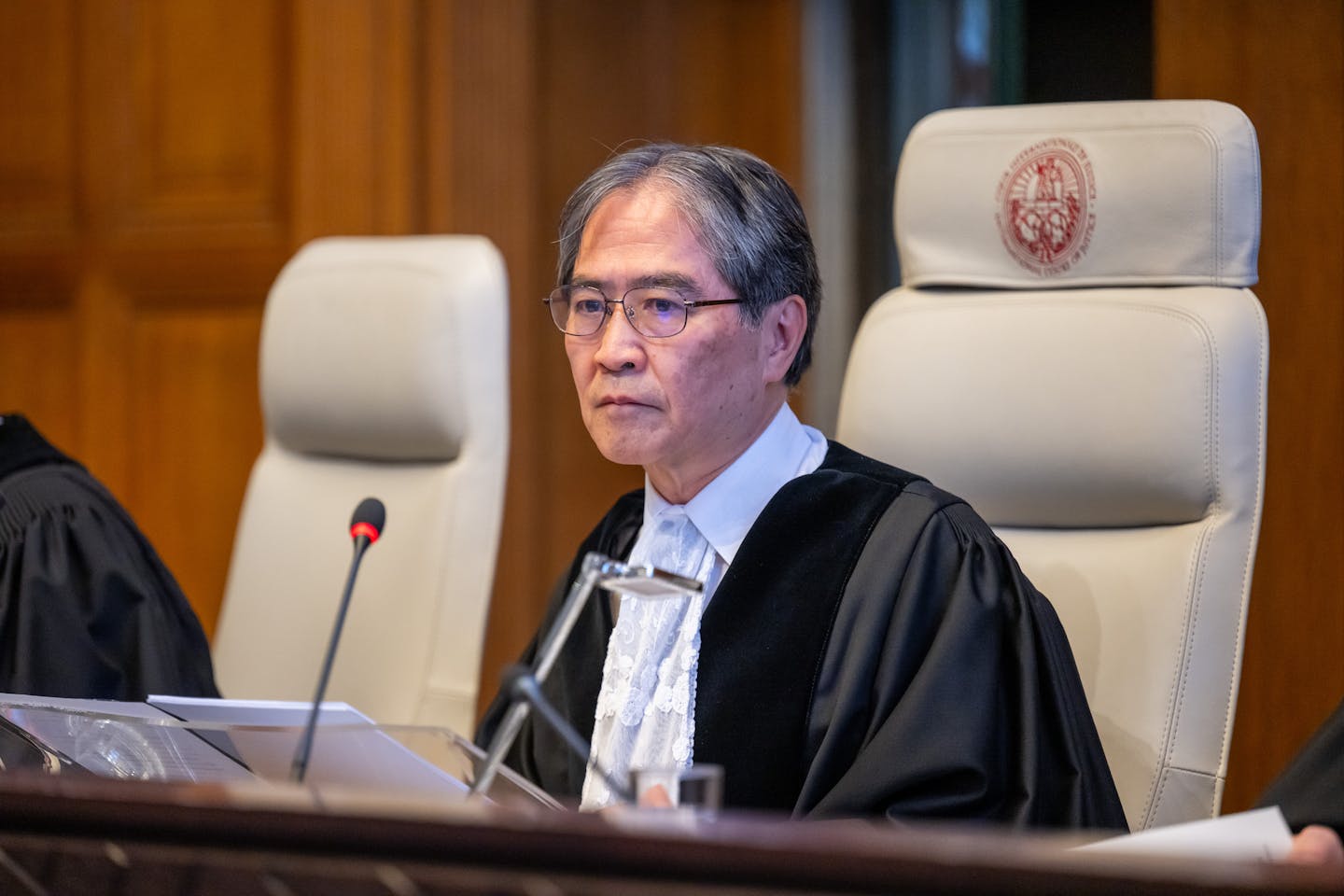
The International Court of Justice (ICJ) has ruled that countries are obligated to regulate fossil fuel emissions and can be held accountable for damage caused by such emissions. The ruling emphasizes that states must take proactive measures to protect the climate system and can be liable if they fail to limit emissions produced by private entities under their jurisdiction. This opinion has been hailed as a significant advancement in climate accountability, with potential implications for countries to sue one another over historical emissions. Though non-binding, the ICJ's decision reinforces the importance of compliance with climate treaties, particularly for developed nations with higher historical emissions.
World’s highest court says countries are obliged to regulate fossil fuel emissions
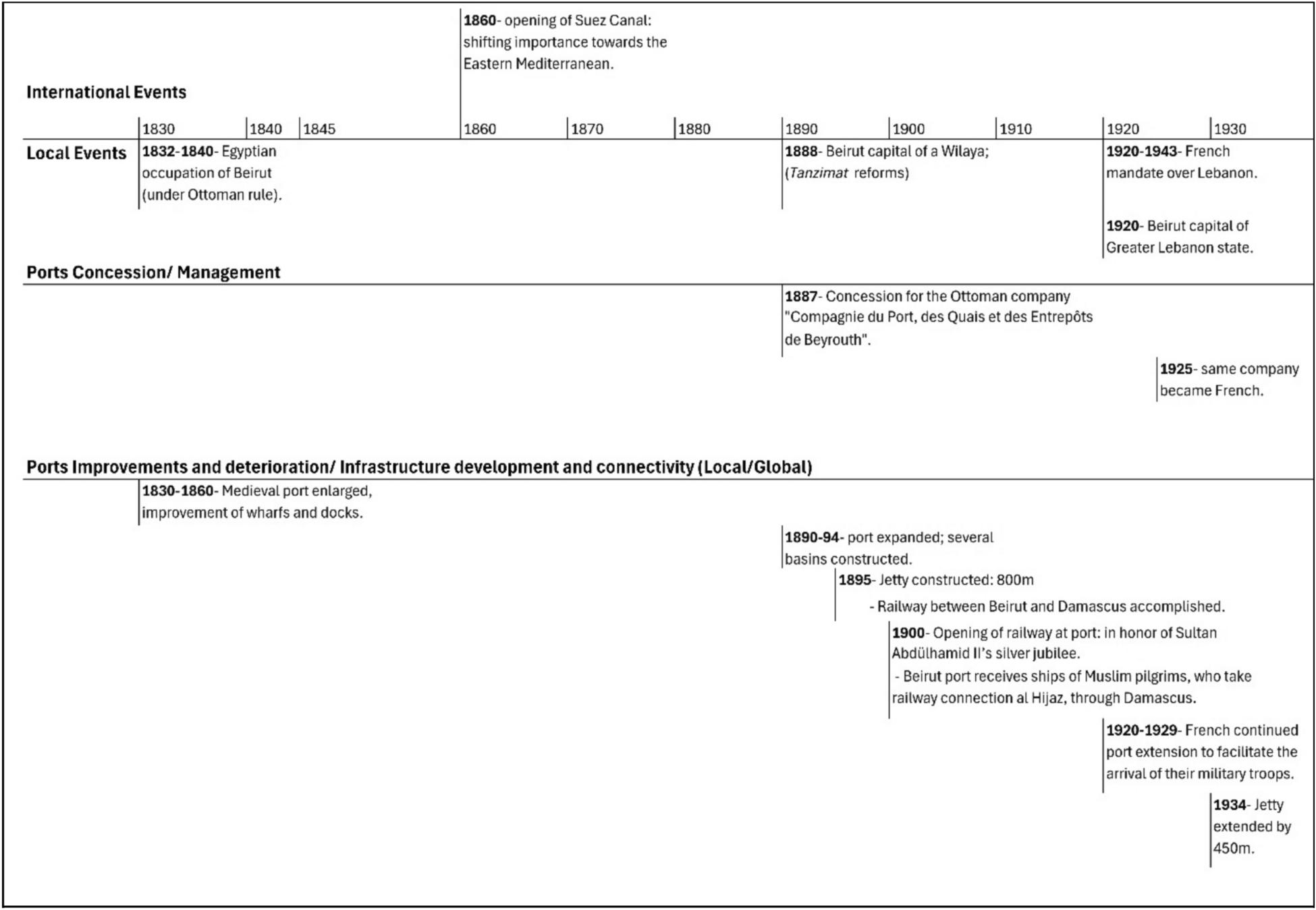
The August 2020 explosion at Beirut port, noted as the most powerful non-nuclear explosion of the twenty-first century, devastated port infrastructure and altered the city's identity. This event initiated discussions about Beirut's role as a port-city amidst ongoing local crises and shifting global maritime dynamics. The article explores the historical rise and decline of Beirut's port, examining the factors influencing its operations and positioning within maritime corridors. It highlights the current dual crisis of rebuilding the port while redefining its future amid political instability and global trade challenges.
Lebanon
A Mediterranean port-city in crisis: the case of Beirut

Ageing accelerates around the age of 50, with significant changes occurring in various organs, according to a study analyzing protein expression in tissues from 76 individuals aged 14 to 68. The research identified an inflection point between 45 and 55, particularly noting dramatic shifts in protein levels, especially in the aorta. Prior to this, early changes were observed at age 30 in the adrenal gland. The findings suggest that ageing is nonlinear, characterized by periods of rapid change, but further studies are necessary to fully understand these dynamics.
Ageing accelerates around age 50 ― some organs faster than others
The introduction of US reciprocal tariffs ranging from 10% to 50% has created significant uncertainty for economies in Asia and the Pacific, as they navigate the rapid escalation of trade tensions, particularly with China. The tariffs, effective April 2025, could reduce economic growth by 0.7% in China and 0.4% across the region, while the US may face a 1.7% decline in growth. A temporary reduction to flat rates eased immediate tensions, but the potential for renewed hikes remains. Policymakers are urged to ensure macroeconomic stability and foster regional trade agreements to mitigate risks and enhance long-term resilience through market diversification.
Your Questions Answered: How Will US Tariffs Affect Asia and the Pacific?
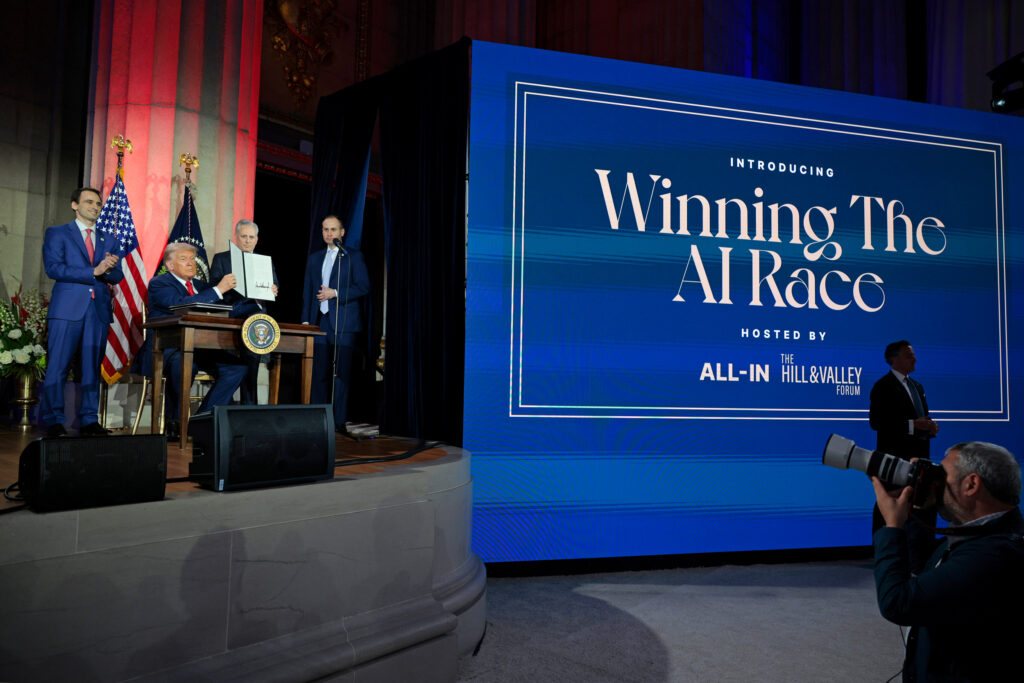
The Trump administration's AI action plan facilitates the rapid development of artificial intelligence by waiving environmental regulations for data centers, enabling companies to build with minimal federal oversight. This approach increases reliance on fossil fuels to power the energy-intensive infrastructure necessary for AI's growth. Critics, including the Southern Environmental Law Center, warn it could exacerbate pollution and environmental injustice, particularly in predominantly Black communities already plagued by poor air quality. The plan also suggests revisions to guidelines around misinformation, climate change, and diversity in AI development.
Trump’s AI Action Plan Waives Federal Environmental Rules in the Development of Data Centers - Inside Climate News

The US has threatened a 50% tariff on Brazilian goods, marking a shift to geostrategic coercion partly due to Brazil’s growing ties with China. The tariff threat stems from concerns over Brazil's digital payment system, Pix, and other alleged trade violations. This approach contrasts sharply with decades of US-Brazil relations built on economic incentives. Current tactics risk eroding cooperation and may provoke Brazil to further diversify away from US influence, as coercion often breeds resistance rather than compliance.
Brazil | Financial services
US v Brazil in the era of coercive geoeconomics