
The final day of the World Economic Forum's Annual Meeting of the New Champions (AMNC 2025) in Tianjin focuses on China's economic outlook and AI strategy, alongside discussions on geopolitics, entrepreneurship, and innovation. Keynote speakers emphasize the significance of the right policy environment for fostering entrepreneurship. Discussions highlight the intricate connections between the U.S. and China, with both economies remaining deeply intertwined despite tensions. Insights on advanced R&D and integrated supply chains illustrate China's potential in driving innovation through AI, which is expected to impact multiple industries significantly.
Ethiopia, India, Kenya, Rwanda, Tanzania, United Arab Emirates, United Kingdom | Financial services, ICT, Education
Day 3 at ‘Summer Davos’ 2025: China’s economy and AI strategy

Mattel's partnership with OpenAI aims to integrate generative AI into toys, raising concerns regarding children's emotional relationships with such products. Unlike earlier interactive toys, these AI-driven toys will engage in free-flowing conversations, potentially forming psychological attachments with children. This development prompts worries about privacy, as children may not comprehend data processing, and the mimicked empathy of these toys could lead to one-sided emotional bonds. Surveys indicate significant parental concern over data access and the implications of children confiding in AI companions, highlighting a need for safeguards and ethical discussions about child interaction with technology.
Mattel and OpenAI have partnered up – here’s why parents should be concerned about AI in toys

The World Economic Forum's Global Gender Gap Report 2025 indicates that achieving gender parity will take another 123 years, with women underrepresented in the growing AI sector. Despite more female graduates, fewer women enter AI roles, and those in the industry are often less likely to reach leadership positions. Challenges include job displacement due to automation, societal expectations around caregiving, and hesitancy to apply for positions. Solutions discussed include enhancing education, providing support for women in AI, and utilizing AI tools to reduce bias. An encouraging trend is the increasing number of women in AI-related government and entrepreneurship roles, particularly in China.
AMNC25: What to know about AI and the gender gap
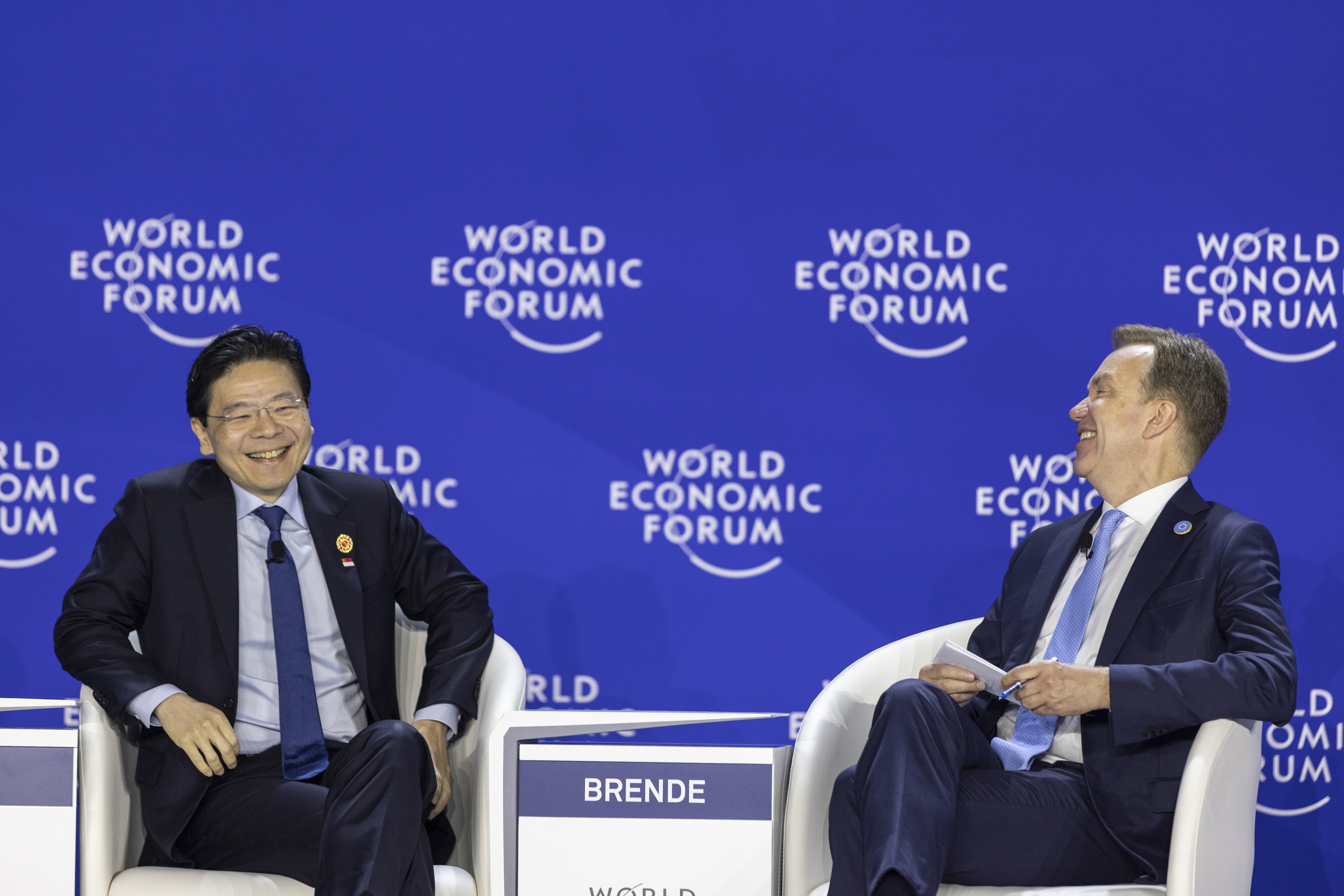
Singapore's Prime Minister Lawrence Wong emphasizes the importance of regional cooperation and AI development to bolster the country’s economic resilience amidst global uncertainties. He advocates for strengthening ties within ASEAN, aiming to create a more integrated and competitive market. Wong highlights the need for multilateralism to address common challenges like pandemics and climate change, while promoting broad-based benefits from AI technology across society. Additionally, he seeks balanced relations with both the U.S. and China, emphasizing ASEAN's role in shaping its geopolitical future without succumbing to zero-sum competition.
Malaysia, Singapore
How Singapore’s prime minister aims to deliver growth amidst uncertainty

AI is transforming customer service by balancing cost reduction with maintaining service quality. As consumer expectations rise, companies face challenges in fully automating support while preserving the essential human interaction.
How AI Is Reshaping Customer Experience and Expectations
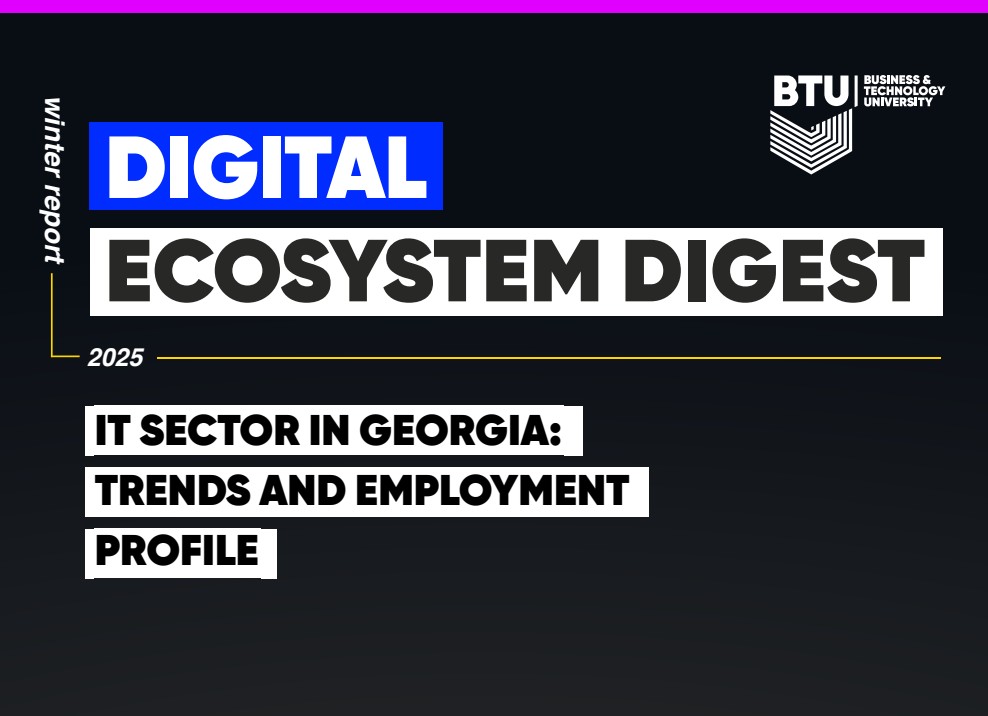
The IT sector in Georgia has emerged as a rapidly growing industry, significantly impacting the economy and diversifying in multiple directions. This report analyzes the sector's growth dynamics, key indicators, driving factors, and the characteristics of IT professionals, using official statistics and interviews with industry representatives. Growth is partly attributed to the entry of international companies, enhancing competition and opportunities. Additionally, the report is part of a quarterly research initiative analyzing trends in Georgia's digital economy, covering areas such as AI, startups, e-commerce, and fintech.
Botswana, Bulgaria, Estonia, Ethiopia, Georgia, Ghana, Iceland, Kenya, Republic of Korea, Tanzania, United Kingdom | Education, ICT
IT SECTOR IN GEORGIA: TRENDS AND EMPLOYMENT PROFILE

Sustainability efforts must shift from merely increasing awareness of climate issues to enacting systemic changes that promote climate-friendly behaviors. Historical evidence from smoking policies shows that structural changes—such as defaults and social norms—prompt real behavior modification. Initiatives like the "Greener by Default" program, which increased plant-based meal options without shaming, illustrate the effectiveness of making sustainable choices easy and automatic. Effective climate messaging should focus on positive narratives of hope and innovation, rather than guilt and sacrifice, to engage people emotionally and drive meaningful action in food systems and beyond.
Health
From smoking to sustainability: What climate strategy can learn from public health
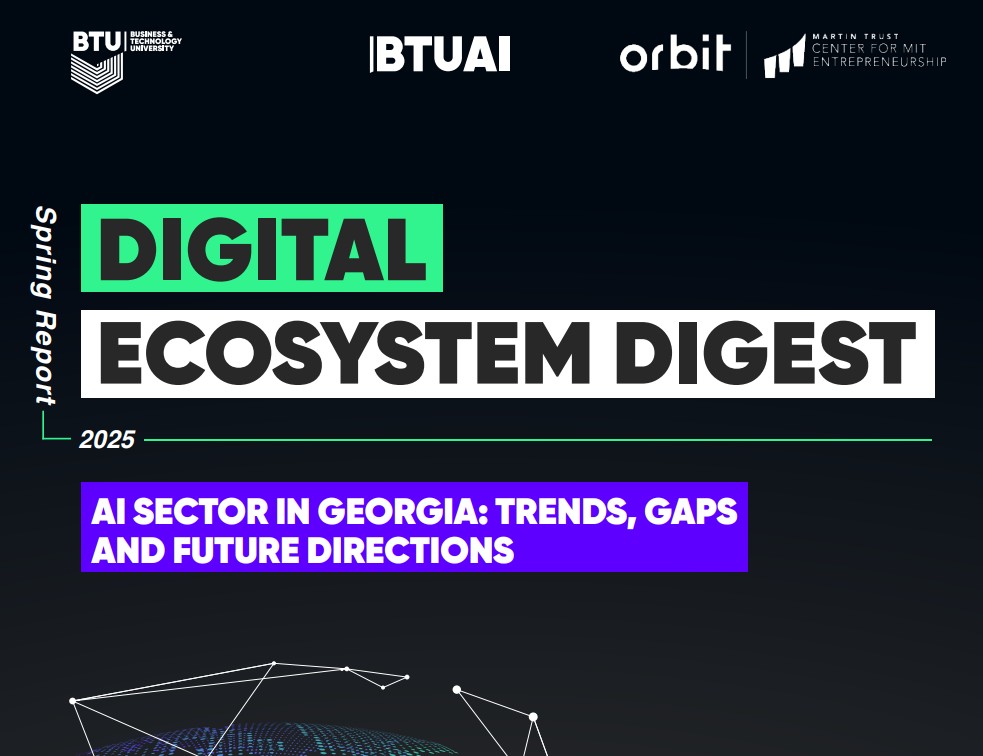
Artificial intelligence in Georgia is rapidly advancing, marked by increased user adoption, business integration, and startup activity. The report evaluates Georgia's readiness for AI transformation, comparing government capacity, digital infrastructure, and governance to regional peers. It analyzes generative AI usage among users, detailing preferred platforms and demographic usage patterns. The AI job market shows demand for roles like machine learning engineers, with international employers leading. While large companies adopt AI primarily in marketing, other sectors are exploring applications. The local startup ecosystem is mapped out, showcasing successful models and opportunities in various industries such as healthcare and finance, alongside challenges and untapped potential.
Armenia, Botswana, Ethiopia, Georgia, Tanzania
AI SECTOR IN GEORGIA: TRENDS, GAPS AND FUTURE DIRECTIONS

In June 2024, youth protests in Kenya, known as the "GenZ protests," erupted against rising taxes amid high unemployment, resulting in the rejection of the 2024 Finance Bill and the removal of cabinet ministers. Despite the Kenyan Constitution's 2010 provisions aimed at empowering marginalized groups, including youth, significant cultural and structural barriers persist, preventing their active participation in governance. Historical age and gender biases continue to undermine the realization of these rights, as highlighted by ongoing challenges in political inclusion and representation for young people, particularly women.
Education
A story of intersectional discontent: how youth protests reveal entrenched cultural norms in Kenya | Align Platform

UN80 reforms aim to reposition migration from a humanitarian crisis to a strategic global asset, essential for economic growth and innovation. Migration encompasses over 300 million people who significantly contribute to host countries, generating more than $830 billion in annual remittances. Despite its importance, migration governance remains fragmented, often framed by crises rather than opportunities for labor mobility and economic integration. With funding declining amid geopolitical shifts, it is crucial to recognize migration as a vital resource, counter misinformation, and promote its benefits for shared progress and cooperative international relations.
Latin America | Education, Health
Why reforms are necessary to protect the UN-led system
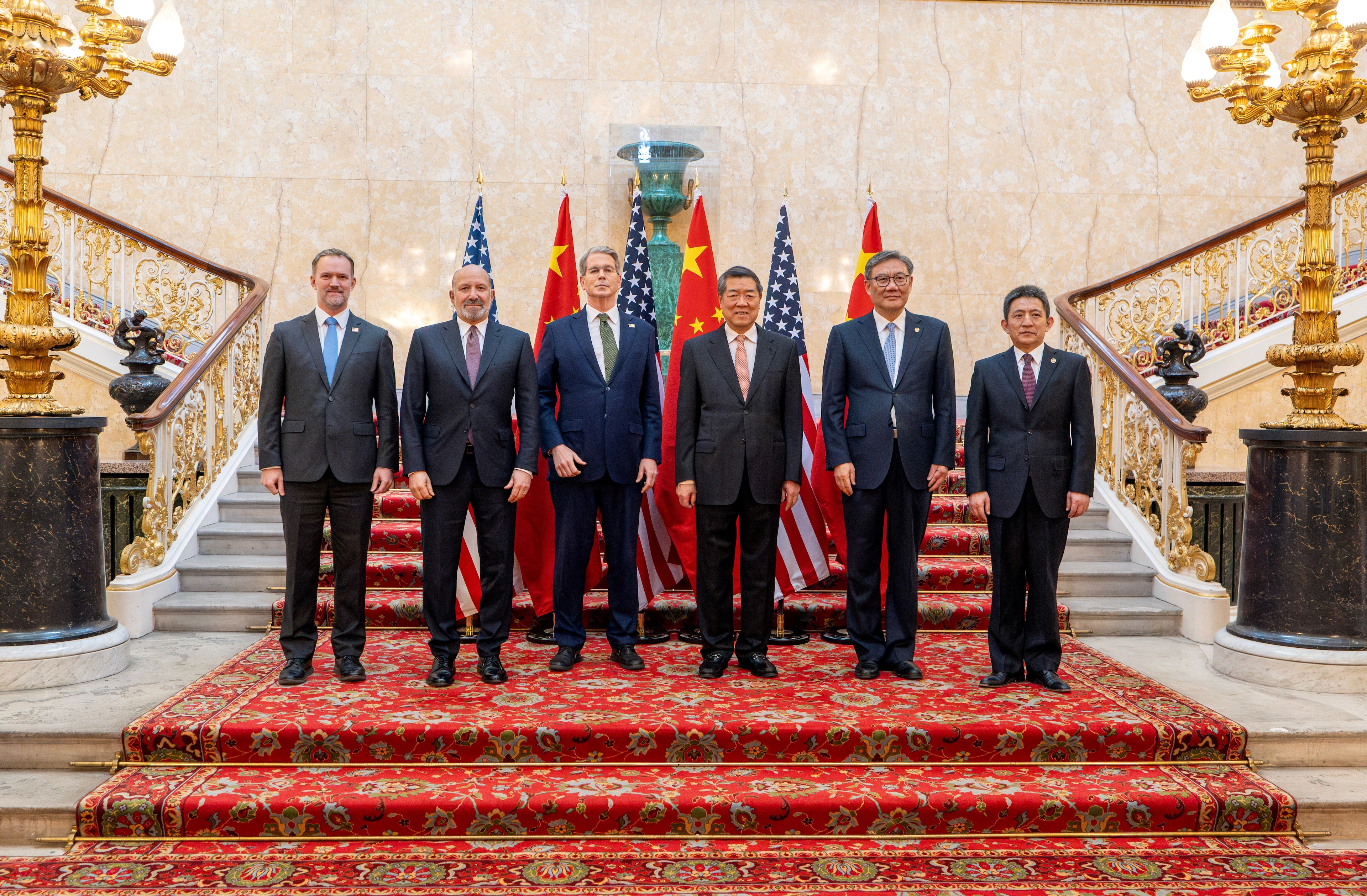
US-China trade relations saw significant volatility in 2025, marked by a renewed tariff dispute initiated by President Trump aimed at addressing trade imbalances and opioid distribution issues. The US imposed extensive tariffs on Chinese imports, prompting retaliatory measures from China targeting American exports. This escalation resulted in unprecedented tariff rates and heightened economic uncertainty. Subsequent negotiations led to a partial rollback of tariffs, focusing on non-tariff barriers and export restrictions. The evolving trade dynamics shifted China's export focus away from the US to other markets, particularly Southeast Asia and Latin America.
Taiwan, China
Tracking tariffs: Key moments in the US-China trade dispute

Emerging economies in Asia and the Middle East are innovating to address the challenges of food-water systems amid resource scarcity. Twelve high-impact technologies, including precision agriculture and circularity, are enhancing water-use efficiency and boosting agricultural yields. Key players like China are leveraging tech advancements to sustain significant population portions with limited resources, while the Middle East is transforming water-stressed areas through solar desalination and salt-tolerant crops. However, systemic challenges such as fragmented ecosystems, infrastructure deficits, economic misalignment, and skills shortages hinder broader adoption of these innovations. A five-point blueprint emphasizes the need for coherent policy frameworks, robust financial systems, and collaborative ecosystems to accelerate food-water transformations.
Financial services, ICT, Education, Health
From scarcity to solutions: How Asia and the Middle East are advancing food-water innovation

AI development is dominated by a few powerful companies, raising concerns about equity and social harm. AI cooperatives present a viable alternative through five interventions: democratizing data governance to give individuals control over their data; bridging research with civil society to prioritize public needs; advancing education for community empowerment; establishing alternative ownership models to retain AI value within the community; and adapting AI for cooperative purposes. Despite facing challenges in scalability and resources, these strategies offer a pathway for a more inclusive AI aligned with public interest.
5 Ways Cooperatives Can Shape the Future of AI

Antimicrobial resistance (AMR) is projected to cause 10 million annual deaths by 2050, compounded by a lack of new antibiotics. Bacteriophage therapy, a century-old solution, is being revitalized by advancements in artificial intelligence (AI) and microbiology. Bacteriophages, viruses that specifically target bacteria, were initially overshadowed by antibiotics but are gaining attention due to the current AMR crisis. AI enhances the identification and formulation of phage treatments, allowing for personalized therapy and the development of effective phage cocktails against diverse bacterial strains, thereby addressing the challenges of resistance.
How AI is reviving a century-old solution against antibiotic resistance

Claiming pension benefits early can be a rational choice for many Americans facing uncertainty about life expectancy, especially men and low-income groups. A study from researchers at MPIDR, Stanford, and Huazhong University found that delaying retirement increases financial risk, potentially leaving individuals without benefits if they die shortly after claiming. Nearly 50% of Americans claim at age 62 due to these uncertainties. The findings suggest that policies promoting later retirement should consider individual circumstances to avoid exacerbating retirement inequalities, emphasizing the need for fair and effective retirement planning.
Should you claim your pension early or wait?

Democratized access to AI tools is essential for advancing scientific innovation, similar to the transformative impact of DeepMind's AlphaFold on protein folding. This shift enables non-experts to engage in breakthrough discoveries across various industries, like finding natural sugar substitutes and biopesticides. Current challenges lie in translating rapid AI predictions into effective commercialization, requiring diverse industry insights and collaborative approaches. Redesigning traditional models to encourage broader participation in innovation will enhance speed and efficiency in addressing global challenges such as health crises and climate change. Successful future companies will prioritize open access and collective intelligence in their operations.
ICT, Education
How AI-powered innovation can democratize breakthrough science

Cognitive enterprises leverage agentic AI to enhance decision-making by continuously learning, adapting, and improving operational processes. This era represents a shift where technology is no longer a mere tool but an active participant in business strategies. To manage increasing complexity and rising customer expectations, organizations must implement intelligent systems with minimal human intervention. AI agents play various roles, from data analysis to task execution, optimizing enterprise functions across marketing, sales, and operations. The development of these platforms necessitates responsible approaches from policymakers to ensure successful integration into the workforce.
The rise of the cognitive enterprise: Why agentic AI platforms are the next great business revolution

Donald Trump’s withdrawal of the United States from the World Health Organization (WHO) significantly impacts global health by creating a projected $1.9 billion budget gap over two years, as the US accounted for one-fifth of WHO's funding. Although the organization is restructuring to improve efficiency and integrate disease programs, its capacity to address health threats will be severely limited. Philanthropy cannot fill the funding void, stressing the urgent need for international cooperation in health management. The WHO’s viability is not in question, but its effectiveness in responding to health crises will be hampered by reduced resources.
Financial services, Health
Can the World Health Organization survive Donald Trump’s presidency?
Funding for early-stage sustainability start-ups has decreased significantly, with only $2.3 billion raised this year—two-thirds less than last year. The $700 billion annual nature funding gap necessitates new investor engagement, particularly through initiatives like the UpLink Nature Returns Investor Challenge. This challenge seeks early-stage investors to support nature-positive businesses, as existing funding sources are dwindling. Successful examples, such as Mercuria’s initiative to protect Brazilian ecosystems and Goldman Sachs’ biodiversity bond fund, showcase emerging investment pathways. Increased collaboration among private investors, governments, and communities is critical for addressing biodiversity loss and unlocking a nature-positive economy.
Why we need more early-stage investors for nature

AI is driving a transformation in finance, particularly in emerging markets like Brazil and Nigeria, where over a billion people lack basic financial services. By leveraging AI, these regions are co-creating innovative financial ecosystems that bypass traditional infrastructures. This approach focuses on enabling comprehensive financial interactions instead of merely providing bank accounts. Companies like Nubank and MoniePoint illustrate how financial inclusion can be a sustainable business model. The UAE is emerging as a hub for inclusive financial solutions, fueled by dynamic public-private partnerships and regulatory support. AI's ability to interpret human behavior is reshaping financial identities, creating opportunities for the unbanked to establish financial identities through their digital interactions.
Financial services
How emerging markets are rewriting the future of finance with AI