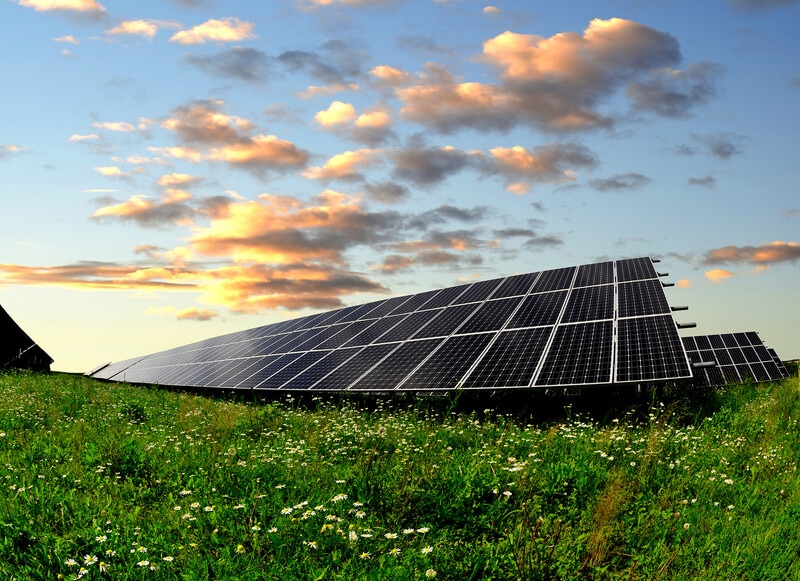
Energy infrastructure projects are increasingly integrating digital technologies and ecological planning, particularly in China, where they aim to protect land, water, and air quality while generating power. These projects foster industrial upgrades, restore landscapes, and build climate resilience, supporting a cleaner energy transition. In 2024, global renewable electricity capacity grew by 15.1%, majorly driven by China, where CO₂ emissions from power generation have plateaued. Innovative systems like agrivoltaics and solar-powered desertification control are enhancing ecological outcomes alongside energy production. Furthermore, advanced hydropower systems are improving water management and resilience against flooding and droughts.
Nigeria | Financial services, ICT, Education
These new energy solutions do more than generate power

The World Economic Forum's Top 10 Emerging Technologies of 2025 report highlights innovations emerging from the convergence of various technologies. Selection follows a rigorous methodology considering novelty, impact, and depth, evaluated through scientific assessments and ecosystem readiness analysis. Major trends include enhancing trust in digital content, advancing health with biotechnologies, promoting sustainability in industry, and integrating energy with materials. Notable technologies include generative watermarking for AI content verification, aimed at combatting misinformation. The report emphasizes the importance of addressing key societal challenges through these advancements.
Financial services, ICT, Education, Health
How our Top 10 Emerging Technologies are chosen – and what it says about the world today

The World Economic Forum's Top 10 Emerging Technologies of 2025 highlights key technologies poised for significant societal impact within the next three to five years. These include Structural Battery Composites, which integrate energy storage into building materials, and Osmotic Power Systems that generate electricity from saltwater differences. Advanced Nuclear Technologies are also advancing, focusing on cost reduction and efficiency, while Engineered Living Therapeutics aim to utilize modified bacteria for internal disease treatment. Four trends shaping these technologies include trust and safety in connectivity, next-generation biotechnologies, industrial sustainability, and the integration of energy and materials.
ICT, Education
These are the Top 10 Emerging Technologies of 2025

The book edited by Rita Guerreiro Teixeira et al. examines inclusive rule-making processes in international organizations (IOs), addressing both opportunities and challenges. It features contributions from experts analyzing the impact of inclusiveness on various policy areas such as climate change, peace and security, energy governance, and securities regulation. By combining academic research with insights from IO practitioners, it identifies strategies for enhancing accountability and public trust, while exploring mechanisms for citizen participation and the engagement of private stakeholders.
Inclusive Rule-Making by International Organisations
Geopolitical volatility and regulatory changes are set to reshape competitiveness by 2030, according to a World Economic Forum white paper created with Accenture. The document outlines four potential scenarios: Fortress Economics, where protectionism prevails; Negotiated Order, marked by stability and stronger regulations; Survival of the Fastest, characterized by volatility and opportunism; and Fluid Order, enabling rapid innovation through stability and reduced regulations. Each scenario presents distinct implications for various industries, with sectors like education and healthcare showing resilience to regulatory risks, while manufacturing and transportation face greater threats from geopolitical instability.
Albania, Algeria, Angola, Armenia, Austria, Azerbaijan, Bahrain, Barbados, Belgium, Benin, Bolivia, Bosnia and Herzegovina, Botswana, Brunei Darussalam, Bulgaria, Burkina Faso, Burundi, Cambodia, Cameroon, Cape Verde, Chad, Chile, Colombia, Costa Rica, Croatia, Cyprus, Czech Republic, Denmark, Dominican Republic, Ecuador, Egypt, El Salvador, Estonia, Eswatini, Ethiopia, Finland, Gabon, Georgia, Germany, Ghana, Greece, Guatemala, Guinea, Haiti, Honduras, Hungary, Iceland, Indonesia, Ireland, Israel, Jamaica, Japan, Jordan, Kazakhstan, Kenya, Kuwait, Kyrgyz Republic, Latvia, Lebanon, Lesotho, Lithuania, Luxembourg, Madagascar, Malawi, Malaysia, Mali, Malta, Mauritania, Mauritius, Moldova, Mongolia, Montenegro, Morocco, Mozambique, Namibia, Nepal, Netherlands, New Zealand, Nicaragua, Nigeria, Norway, Oman, Pakistan, Panama, Paraguay, Peru, Philippines, Poland, Portugal, Qatar, Republic of Korea, Romania, Russian Federation, Rwanda, Saudi Arabia, Senegal, Serbia, Seychelles, Singapore, Slovakia, Slovenia, South Africa, Spain, Sweden, Switzerland, Taiwan, China, Tajikistan, Tanzania, Thailand, Trinidad and Tobago, Tunisia, Uganda, Ukraine, United Arab Emirates, United Kingdom, Uruguay, Venezuela, Viet Nam, Yemen, Zambia, Zimbabwe | ICT, Education, Financial services, Health
Competitiveness in an age of uncertainty: what difference will a half-decade make?

The report "Global Economic Futures: Competitiveness in 2030," in collaboration with Accenture, examines the influence of geopolitics and regulations on future competitiveness. It outlines four scenarios for 2030, assesses risks and exposures across 12 sectors, and provides strategies for decision-makers to adapt to a dynamic global landscape. Emphasizing the importance of strategic agility, resilience, and foresight, the report represents the second edition in the Global Economic Futures series, aimed at encouraging leaders to analyze future trends and opportunities critically.
Algeria, Angola, Armenia, Austria, Bahrain, Belgium, Benin, Bolivia, Bosnia and Herzegovina, Botswana, Bulgaria, Burkina Faso, Burundi, Cambodia, Cameroon, Chad, Chile, Costa Rica, Croatia, Cyprus, Czech Republic, Denmark, Ecuador, Egypt, Estonia, Eswatini, Ethiopia, Finland, Georgia, Germany, Ghana, Greece, Guinea, Hungary, Iceland, Indonesia, Ireland, Israel, Japan, Jordan, Kazakhstan, Kenya, Kuwait, Kyrgyz Republic, Latvia, Lebanon, Lesotho, Luxembourg, Malaysia, Mali, Malta, Mauritania, Mauritius, Mongolia, Morocco, Mozambique, Namibia, Netherlands, New Zealand, Norway, Oman, Panama, Paraguay, Peru, Philippines, Poland, Portugal, Qatar, Republic of Korea, Romania, Russian Federation, Senegal, Singapore, Slovakia, Slovenia, Spain, Sweden, Switzerland, Tanzania, Thailand, Uganda, Ukraine, United Arab Emirates, United Kingdom, Venezuela | Financial services
Global Economic Futures: Competitiveness in 2030

The Global Economic Futures: Competitiveness in 2030 report, developed with Accenture, examines how geopolitics and regulations influence competitiveness. It outlines four potential future scenarios, assesses risks and opportunities across 12 sectors, and provides strategies for decision-makers in a dynamic global environment. Strategic agility, resilience, and foresight are emphasized as essential for future competitiveness. This second edition in the series utilizes scenario analysis to help leaders navigate future trends and vulnerabilities effectively.
Albania, Algeria, Angola, Argentina, Armenia, Australia, Austria, Azerbaijan, Bahrain, Barbados, Belgium, Benin, Bolivia, Bosnia and Herzegovina, Botswana, Brazil, Brunei Darussalam, Bulgaria, Burkina Faso, Burundi, Cambodia, Cameroon, Canada, Cape Verde, Chad, Chile, Colombia, Costa Rica, Croatia, Cyprus, Czech Republic, Democratic Republic of the Congo, Denmark, Dominican Republic, Ecuador, Egypt, El Salvador, Estonia, Eswatini, Ethiopia, Finland, France, Gabon, Georgia, Germany, Ghana, Greece, Guatemala, Guinea, Haiti, Honduras, Hungary, Iceland, India, Indonesia, Ireland, Israel, Jamaica, Japan, Jordan, Kazakhstan, Kenya, Kuwait, Kyrgyz Republic, Latvia, Lebanon, Lesotho, Lithuania, Luxembourg, Madagascar, Malawi, Malaysia, Mali, Malta, Mauritania, Mauritius, Moldova, Mongolia, Montenegro, Morocco, Mozambique, Namibia, Nepal, Netherlands, New Zealand, Nicaragua, Nigeria, Norway, Oman, Pakistan, Panama, Paraguay, Peru, Philippines, Poland, Portugal, Qatar, Republic of Korea, Romania, Russian Federation, Rwanda, Saudi Arabia, Senegal, Serbia, Seychelles, Singapore, Slovakia, Slovenia, South Africa, Spain, Sweden, Switzerland, Taiwan, China, Tajikistan, Tanzania, Thailand, Trinidad and Tobago, Tunisia, Türkiye, Uganda, Ukraine, United Arab Emirates, United Kingdom, Uruguay, Venezuela, Viet Nam, Yemen, Zambia, Zimbabwe | ICT, Education, Financial services, Health
Global Economic Futures: Competitiveness in 2030
Artificial intelligence (AI) can enhance public policy nudging by personalizing approaches to better align with individual goals and preferences. By identifying individual differences and tailoring nudging techniques accordingly, AI has the potential to improve the effectiveness of means paternalism in public policy. However, the benefits seen in the private sector may not fully translate to public applications due to lower effectiveness and greater risks. The paper discusses strategies for consumers and regulators to address these challenges and safeguard individual autonomy in the context of AI-enabled nudging.
AI-enhanced nudging in public policy: why to worry and how to respond
The technological landscape in 2025 is shaped by the dual forces of opportunity and pressure, particularly from AI and Generative AI (GenAI). While these innovations promise transformation, enterprises face challenges like cost scrutiny, technical debt, and modernization pressures. Insights from over 20 AlixPartners Technology experts reveal a balance between ambitious transformations and pragmatic decision-making. Most business leaders view disruption as a growth catalyst, yet many express concern about keeping pace with change. Companies must also address long-standing issues, such as cloud costs and application management, while ensuring every tech investment demonstrates clear ROI.
Education
State of enterprise technology
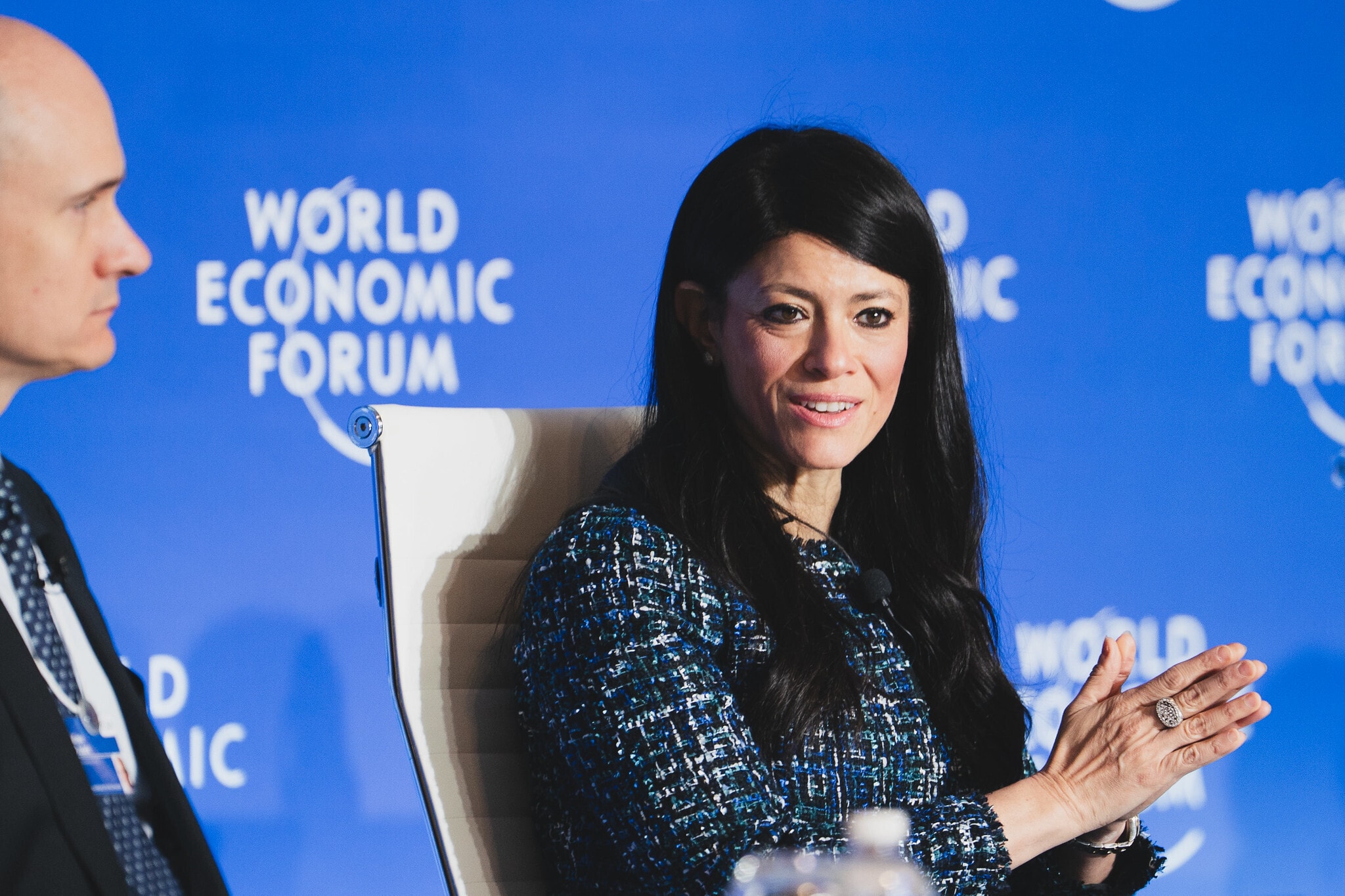
Day 1 of the World Economic Forum's Annual Meeting of the New Champions, 'Summer Davos' 2025, focuses on the theme 'Entrepreneurship for a New Era' in Tianjin, China. Key discussions involve AI's impact on industries and labor markets, the global economic outlook amid geopolitical shifts, and climate resilience. Over 1,700 global leaders from various sectors participate, with the launch of the Top 10 Emerging Technologies report highlighting the convergence of existing technologies. The Global Gender Gap Report emphasizes the need for increased female workforce participation to enhance economic growth.
Tanzania, United Arab Emirates
Day 1 at ‘Summer Davos’ 2025: AI, trade and the global economy in focus
The "good AI" myth is promoted by tech companies and some politicians, pressuring the public to accept AI technologies despite their concerns. This narrative masks the biases in AI systems that often exclude marginalized groups, leading to discrimination. The prevalence of AI in daily life diminishes the public's ability to refuse its use, while assurances about privacy protection remain unconvincing. A lack of a unified movement for equitable AI and community benefit exacerbates these issues. The public must critically challenge the positive portrayal of AI to ensure technology serves societal interests rather than corporate profits.
Here’s why the public needs to challenge the ‘good AI’ myth pushed by tech companies
Financial products are becoming more complex, leading to challenges in managing money that can affect mental health. The current financial system, driven by the pursuit of profit, has contributed to environmental damage and social inequality. A new framework is proposed, drawing from diverse cultural and religious perspectives on money, emphasizing sustainability, morality, and community ties. Many cultures prioritize kinship and charity over wealth accumulation, and this approach can reshape finance to be more responsible and nurturing. To create a sustainable future, finance must return to its foundational values and focus on trust and community relationships.
Education, Financial services
I’ve studied faiths and cultures around the world. Here’s how finance can be made more inclusive and sustainable
Artificial intelligence is creating a significant global divide, with nations like the U.S., China, and the EU leading in computing power essential for advanced A.I. development. At the same time, countries with less infrastructure, such as Argentina, struggle to keep pace. This disparity is reshaping geopolitics and global economics, fostering new dependencies and fueling a race to harness A.I. technology that could transform economies and societies. Currently, only 32 nations possess the necessary large data centers, highlighting the unequal distribution of A.I. capabilities worldwide.
The Global A.I. Divide
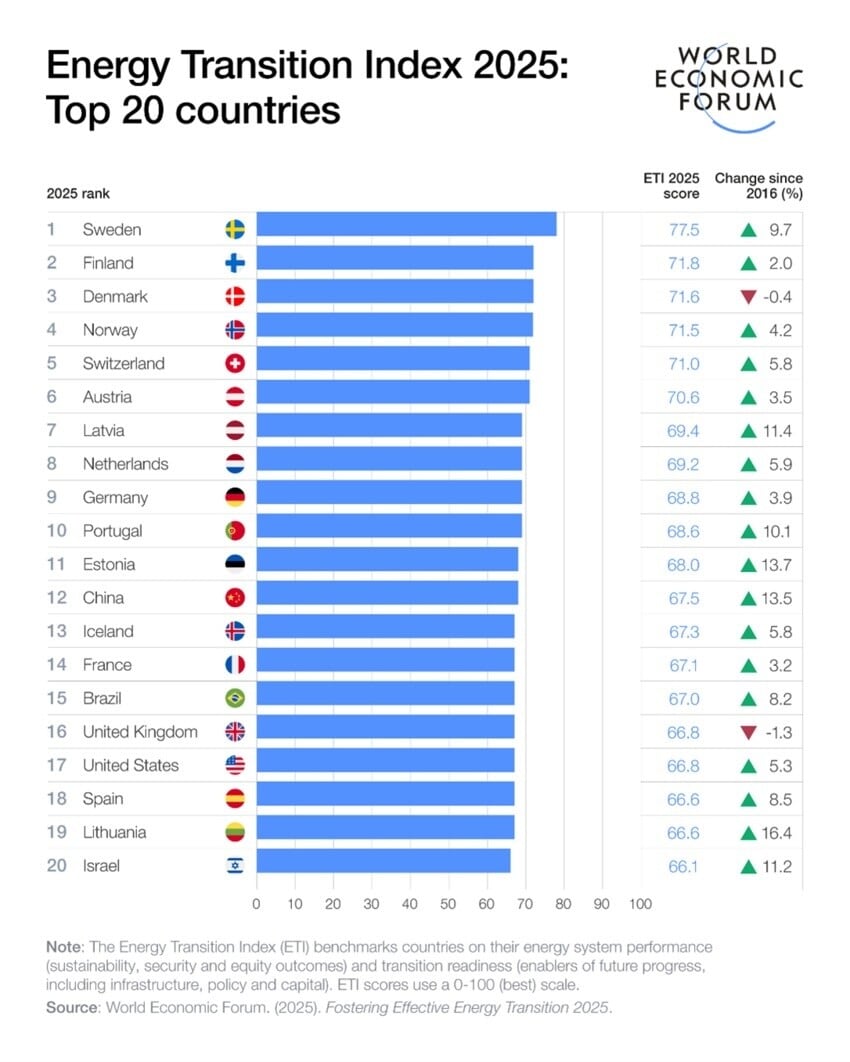
The World Economic Forum reports a significant acceleration in global clean energy progress, the fastest since before the pandemic, with 65% of countries improving their Energy Transition Index scores in 2025. Key findings indicate that Sweden, Finland, and other Northern European nations lead in energy transition due to strong policies and investment, while emerging regions like Europe and Asia show remarkable improvement. However, despite substantial clean-energy investments, energy security remains compromised. The report outlines five strategies for enhancing energy system resilience, including modernizing infrastructure and investing in talent. Additionally, notable developments include increased gas investments in Southeast Asia and a large-scale carbon capture initiative launched in Norway.
Cape Verde, Denmark, Egypt, Estonia, Guinea, India, Indonesia, Malaysia, Netherlands, Norway, Qatar, Serbia, Sweden, Thailand, Tunisia, United Kingdom | Financial services
Clean-energy transition sees a rebound – and more top energy stories
The climate and ecological crisis poses a critical challenge that requires immediate action to transition away from fossil fuels. Current emissions trends suggest a rapid escalation towards exceeding the 1.5°C warming limit, indicating the urgency for systemic change. The film "System Update: Rebooting Our Future" advocates for radical emissions reductions, questioning the goals of economic growth that lead to increased consumption and environmental collapse. It emphasizes empowering local communities and utilizing citizen assemblies to foster democratic engagement and ambitious climate policies. The film showcases diverse perspectives on innovative approaches to tackle climate change effectively.
Nigeria
Society needs a systems update to cope with climate crisis – my new film explains why
Rural regions house 43% of the global population, significantly contributing to economies, particularly in agriculture. However, they face challenges like poor infrastructure and declining income opportunities, prompting urban migration. Digital technologies can foster rural growth by improving access to essential services, enhancing traditional livelihoods, and diversifying economic activities. For successful integration of these technologies, a diagnostic approach is vital to identify specific needs, assess current livelihoods, and ensure the necessary infrastructure is in place. This tailored strategy can transform rural economies, making them demand drivers and efficiency centers.
Bangladesh, Burkina Faso, Rwanda | Financial services, Health, Education, ICT
Scaling digital technology for rural prosperity
Nayib Bukele, elected as El Salvador's president in 2019, promised enhanced safety but has implemented severe measures leading to human rights violations. His formation of the Centro de Confinamiento del Terrorismo (CECOT), a mega-prison for 40,000 inmates, epitomizes his hardline strategy, resulting in over 75,000 arrests under a "state of emergency" with curtailed constitutional rights. Despite dramatic reductions in homicide rates and increased public safety, critics cite mass incarceration and erosion of democratic norms. Bukele's approach is gaining traction among other Latin American leaders, potentially reshaping regional security policies toward authoritarian practices.
El Salvador, Guatemala
How has the establishment of CECOT shaped security policy across Latin America? - LSE Human Rights

Europe needs to enhance its defense capabilities and assume greater responsibility for its security, independent of the U.S. Amidst changing transatlantic relations and the evolving security landscape, the European Union (EU) initiated several measures in 2025 to strengthen defense cooperation, including the SAFE Regulation, aimed at integrating Ukraine into the defense sector. The EU is expanding partnerships with countries like Canada, Turkey, Japan, and Australia, and has established new frameworks for joint procurement and investment in defense. The aim is to make the EU an attractive partner while solidifying its defense industry and policy cooperation among members.
Estonia, Germany, Hungary, Poland, Sweden, Türkiye, Ukraine
Contours of an EU Partnership and Alliance Strategy

China's rapid economic growth has established it as a global powerhouse, lifting millions out of poverty. According to a McKinsey Global Institute report, key growth arenas like e-commerce, biopharma, and electric vehicles are crucial for future opportunities. With significant advancements in AI and robotics, Chinese companies are well-positioned to compete on a global scale. However, success will require international collaboration, increased investment in fundamental research, and a transformation in workforce education to adapt to a digital economy. These strategies are essential for thriving in emerging markets projected to generate trillions in revenue by 2040.
Angola, Armenia, Australia, Azerbaijan, Bahrain, Bangladesh, Benin, Bolivia, Brunei Darussalam, Bulgaria, Burkina Faso, Cambodia, Chad, Chile, Colombia, Denmark, Ecuador, Egypt, Eswatini, Ethiopia, Finland, Georgia, Germany, Ghana, Guinea, Haiti, Hungary, India, Indonesia, Ireland, Japan, Jordan, Kazakhstan, Kenya, Kuwait, Kyrgyz Republic, Lesotho, Luxembourg, Malawi, Malaysia, Mali, Mongolia, Morocco, Mozambique, Myanmar, Nepal, New Zealand, Nigeria, Oman, Pakistan, Paraguay, Peru, Philippines, Poland, Qatar, Republic of Korea, Russian Federation, Rwanda, Saudi Arabia, Senegal, Serbia, Seychelles, Singapore, South Africa, Spain, Sweden, Switzerland, Taiwan, China, Tajikistan, Tanzania, Thailand, Tunisia, Uganda, Ukraine, United Arab Emirates, United Kingdom, Venezuela, Viet Nam, Yemen, Zambia, Zimbabwe | Financial services, Health, ICT, Education
How China can best position itself for growth in the next big 'arenas of competition'

Artificial intelligence (AI) has the potential to enhance traditional ocean industries and support a sustainable blue economy. The global economy heavily relies on ocean assets, such as offshore energy platforms and shipping fleets, which often contribute to environmental degradation. By utilizing AI, industries can reimagine their existing infrastructure, turning aging oil and gas platforms into renewable energy sites and optimizing shipping routes for efficiency and lower emissions. AI can also improve port operations, reducing congestion and enhancing trade. This transformation aims to create a circular blue economy, balancing economic growth with ecological stewardship.
Using AI to enhance heavy assets and forge a sustainable blue economy