Mongolia has improved education and youth skills, yet one in seven youth remains outside employment, education, or training (NEET), with only two-thirds employed five years post-school. Challenges include slow school-to-work transitions, informal job searches, and high workplace turnover. The report highlights how factors like gender and income affect employment outcomes and recommends targeted support for NEET youth, better job matching, and increased employer engagement in work-based learning to enhance youth labor market integration and job quality.
Education
From School to Work: Youth Employment in Mongolia

Key Indicators for Asia and the Pacific 2026 provides an in-depth analysis of socioeconomic deprivation using both household and individual-level data from 23 developing economies. It reveals disparities, showing women, rural residents, and individuals aged 25–39 face greater deprivation, especially lacking health insurance, internet access, and property ownership. The report emphasizes that many individuals experience deprivation even in non-poor households, highlighting the need for targeted, gender-sensitive policies. It also presents comprehensive economic, social, and environmental statistics for 50 Asian Development Bank member economies aligned with the UN Sustainable Development Goals.

Africa, ASEAN, Latin America | Health
Key Indicators for Asia and the Pacific 2026
Groundwater in the People’s Republic of China faces severe risks from overextraction and contamination, especially in the North China Plain. Sustainable management efforts, including nature-based solutions, improved governance, and modernized monitoring systems, are critical to safeguarding water security. A case study from Shandong highlights current initiatives, while emphasizing the need for a paradigm shift toward better groundwater understanding, increased investment, and technological innovation to ensure long-term resource protection.
Health
Protecting Groundwater Resources in the People’s Republic of China
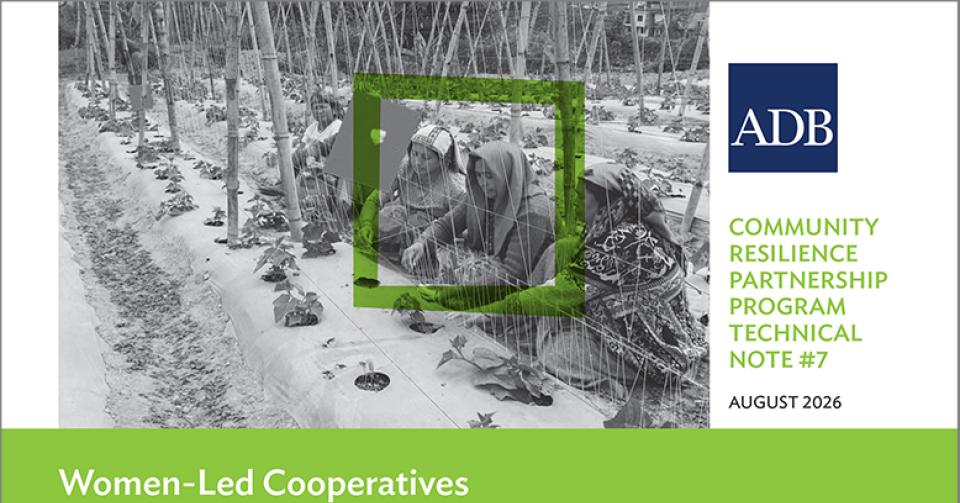
Women-led cooperatives in Bangladesh, Cambodia, and Nepal play a crucial role in advancing climate adaptation in smallholder agriculture and livestock systems. Key interventions include digital learning hubs, infrastructure improvements, financial services, and renewable energy, facilitating collective access to climate information, finance, and markets. The cooperatives address adaptation barriers through gender-responsive solutions such as cooperative financing, community-based extension services, risk-transfer mechanisms, and enhanced governance. Women’s leadership and institutionalizing local systems with layered financing are essential for sustaining and scaling climate adaptation outcomes for rural smallholders.
Africa
Women-Led Cooperatives Delivering Adaptation Actions

Early Mesopotamian states formed primarily as cooperative responses to environmental challenges, with governments emerging to organize communal public works like canals rather than exploit resources. The adoption of potatoes in Europe post-1700 significantly reduced armed conflict by increasing food productivity and lowering land value, altering historical trajectories. The Great Depression shifted innovation from independent inventors to corporate firms, as economic crises prompted inventors to gravitate toward company-supported research, profoundly changing innovation dynamics.
Take 5: Out of the Past
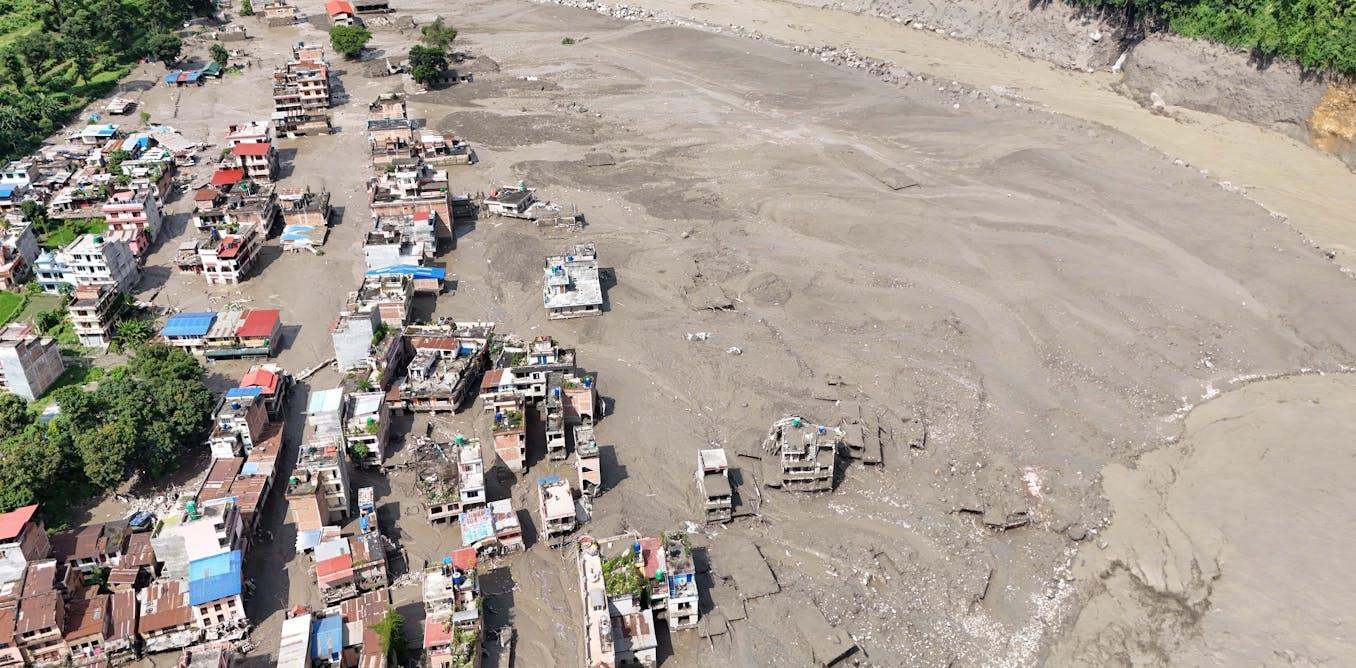
The Nepal-Tibet disaster was caused by an ice avalanche from a collapsing glacier, a result of rapid glacier melting linked to climate change. The Greater Himalayan region, or High Mountains Asia, has warmed faster than the global average, accelerating glacier melt by about 25% in the last decade. Melting glaciers destabilize ice and permafrost, causing hazardous rockfalls and ice collapses, as well as glacial lake outburst floods that threaten downstream communities. This disaster exemplifies the broader impacts of climate change, highlighting the urgent need for political action to reduce carbon emissions and mitigate further environmental harm.
Antarctica
Nepal-Tibet disaster linked to climate change – a glaciologist explains

The UK government plans to encourage households to prepare for disasters like extreme weather, power outages, and cyber-attacks to allow public services to focus on vulnerable individuals. However, the NHS faces significant challenges in coping with such emergencies. Heatwaves have caused thousands of deaths and overwhelmed hospitals, which are also dealing with infrastructure issues like overheating and maintenance backlogs. Power outages pose life-threatening risks to patients relying on medical equipment at home, yet no national strategy exists for their protection. Cyber-attacks have severely disrupted NHS services, prompting a new cybersecurity strategy, but threats continue to escalate. The NHS emergency plans assume available capacity, which is shrinking due to high bed occupancy and lower hospital bed availability compared to other countries, limiting the system’s resilience in crises.
Health
The government wants households to prepare for disaster – but the UK’s real test will be the NHS
Germany’s research excellence must be matched by faster industrial application to sustain innovation, competitiveness, and technological sovereignty. The Freedom to Innovate initiative aims to accelerate this by removing bureaucratic barriers and using existing laws for regulatory reform rather than new legislation. Key actions include streamlining funding procedures, supporting pilot-scale production, and enabling better data use within a clear legal framework. Collaboration between research, industry, and government is essential to bridge the gap between research breakthroughs and industrial scale-up, driving economic growth and securing Germany’s position as a leading innovation hub.
ICT, Health, Education
Freedom to Innovate as a Driver of Industrial Growth: Technology Transfer Needs Swift Regulatory Action

Most people are willing to sacrifice some personal life satisfaction to achieve a more equal society, preferring fairness over large inequalities that leave some consistently behind. Research using life satisfaction measures shows that while individuals vary in risk tolerance, 87% favor reducing inequality even at the cost of a one-point drop in average wellbeing. This preference transcends political views, suggesting a shared empathy and common desire for fairness. Therefore, policy decisions should balance wellbeing with equity, incorporating public values on fairness to better guide resource allocation and social outcomes.
Health
Most people would sacrifice some life satisfaction in exchange for a more equal society
The Tripura 6Ds Clean Energy Road Map and Implementation Plan 2025–2035 presents a $3 billion strategy to transform Tripura's energy sector by achieving 50% renewable energy by 2035. The plan focuses on six pillars: decarbonization, diversification, decentralization, digitalization, durability, and democratization. It outlines regulatory reforms, grid modernization, and expanded solar and hydropower capacity. By addressing structural challenges, promoting cross-sector integration, and increasing energy access for low-income households, the plan aims to build a climate-resilient and inclusive energy future for Tripura.

Tripura 6Ds Clean Energy Road Map and Implementation Plan 2025–2035
Devastating floods in the Nepal–Tibet border region were triggered by a complex cascade starting with a slope and glacier collapse in Tibet, mobilizing ice, rock, water, sediment, and debris downstream. This event illustrates how natural hazards in the Himalayas are interconnected and influenced by changing landscapes. Climate change accelerates glacier retreat, destabilizing slopes and exposing sediment that can amplify future hazards. Each disaster alters terrain, affecting subsequent risk patterns, while early-warning systems often rely on outdated hazard maps. Disaster planning must consider these dynamic, cascading hazards to improve risk assessments and response strategies.
Health
Nepal’s devastating floods reveal the danger of ‘cascading hazards’ in Himalayas

Europe is increasingly dependent on US technology, losing control over crucial data that drives its industries. To regain digital sovereignty, Europe must create protected spaces allowing domestic alternatives to grow, as China did with its own platforms. This requires selecting areas where disconnection from non-European tech is feasible, costs of dependence are high, and catching up with market leaders is achievable. Unlike China, Europe needs to base policies on agreed laws and leverage its unique assets like companies such as ASML and the SWIFT system for negotiation. Social media is a prime area to target for developing European platforms, as the gap with US services is narrow and the societal costs of dependence are significant.
Africa | ICT, Financial services
Europe needs to fight back against US software dominance – and now is the time

Care leavers in England face a death rate three times higher than their peers, with 112 deaths among 18-to-24-year-olds in 2025, primarily due to suicide, isolation, and lack of support. The state, acting as their corporate parent, has failed to provide consistent care, especially during the critical transition after leaving care. Evidence links poverty, mental health, homelessness, and involvement with the criminal justice system to these outcomes. Programs like Staying Put and Lifelong Links, which extend support beyond age 18, reduce homelessness and isolation. Greater coordination between healthcare and social services, early interventions in addiction and mental health, and strong institutional leadership are essential to prevent further loss of life among care leavers.
Care leavers are dying at a disproportionate rate – evidence and leadership are needed to support them
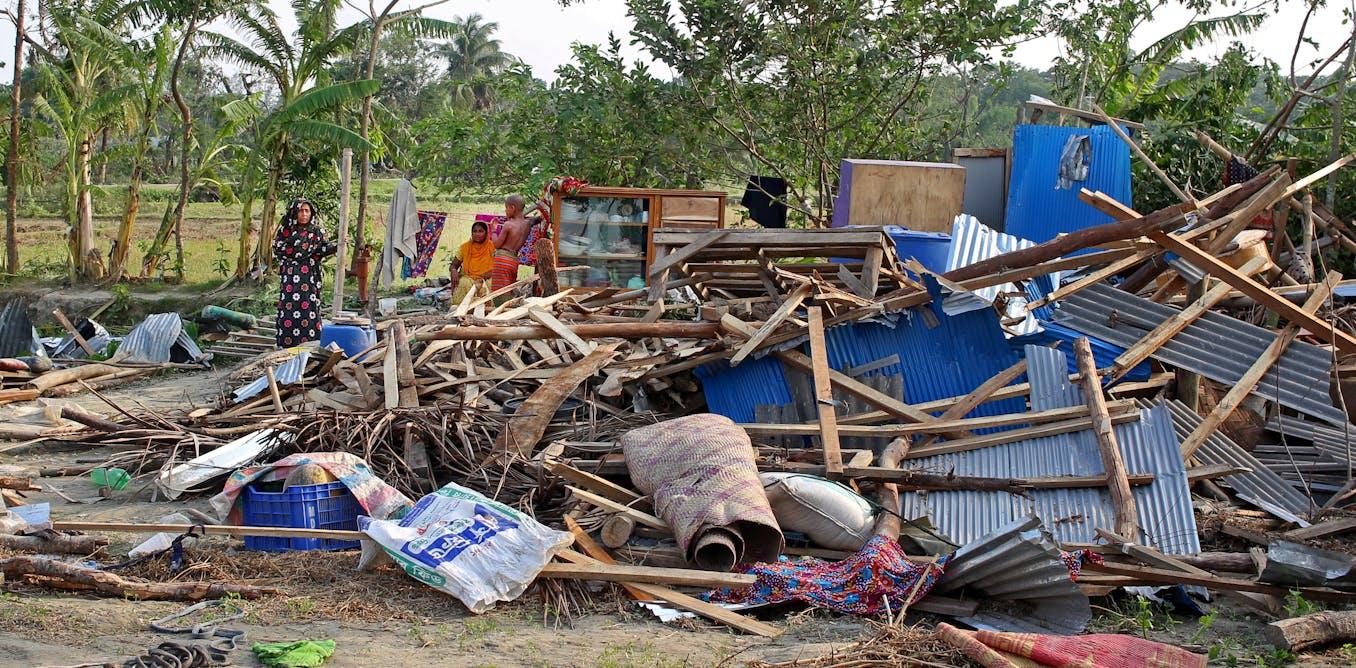
Climate disasters strain government budgets by simultaneously reducing tax revenues and increasing recovery costs, threatening debt sustainability and raising borrowing costs. Preparedness through disaster risk financing—such as catastrophe bonds, insurance, and reserve funds—enables timely cash transfers triggered by forecast thresholds, allowing affected populations to act before disasters strike. Examples include Bangladesh’s forecast-based cash transfers before Cyclone Remal, Jamaica’s multi-instrument financial response to hurricanes, and the Philippines’ legislated anticipatory financing system activated before multiple cyclones. These proactive financial mechanisms enhance resilience, reduce post-disaster borrowing needs, and improve recovery outcomes.
Africa | Financial services, Health
Climate disasters are ravaging government budgets – aid works best when paid upfront
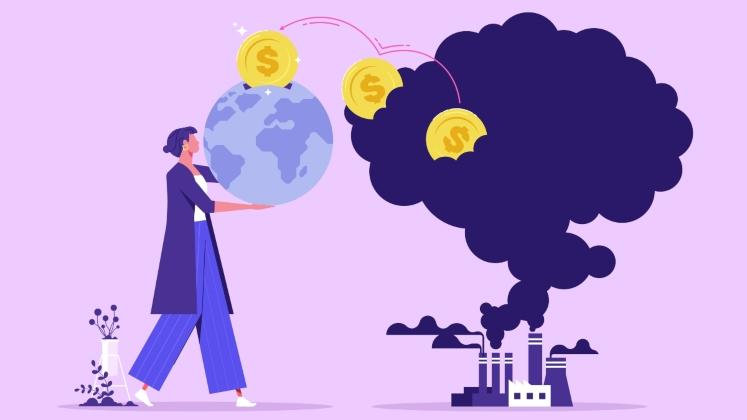
Environmental regulations like the 2004 NOx Budget Trading Program significantly reshape banking behavior towards environmental risks. Banks exposed to this cap-and-trade emissions policy reduced traditional lending and risky asset holdings but increased off-balance-sheet activities and derivative use, thereby reconfiguring liquidity creation rather than simply cutting back credit. The shift reflects how banks adapt to transition-related risks by altering funding sources and income structures, with stronger responses seen in larger, riskier, and less capitalized banks. This historical example highlights how modern banks may respond to climate transition policies, emphasizing the importance of understanding changes in liquidity allocation alongside lending volumes.
Financial services
What an early environmental regulation can teach us about the banking risks of today’s green transition

Maths continues to grow in popularity, with increases in A-level entries and university applications in 2026. Advances in AI, such as solving longstanding mathematical problems, make it an opportune time to study mathematics, as AI can accelerate research and broaden applications in fields like data science and quantum computing. However, UK maths departments face cuts, creating "maths deserts" that limit access, especially outside metropolitan areas. This threatens equitable opportunities to study maths and impacts the future teaching workforce. Despite rising interest, universities must address accessibility to fully harness AI-driven opportunities in mathematics education and research.
Education
AI means there’s no better time to study maths – but degrees are becoming less accessible
Governments must adopt radical approaches to reverse the decline in state capacity and rebuild public trust. Institutions that fail to adapt risk becoming ineffective and must either be revitalized or dismantled. While incremental improvements remain important, democracies need to embrace the creation of new institutions alongside reforming existing ones. Effective institutional rebirth involves developing new operating models that enable agencies to fulfill their missions, carefully deciding which legacy elements to retain. This process is essential for restoring government effectiveness and sustaining democratic legitimacy.
Africa | Education, Health, Financial services
Democracies Need Creative Destruction
Public participation has become a key focus in public sector innovation, encompassing democratic innovations to increase influence and public service innovations through co-creation with stakeholders. These approaches stem from different scholarly traditions—democratic theory and public management—leading to diverse concepts like citizen engagement and co-production. Participation broadly refers to citizens shaping policies and services across formal and collaborative arenas. Participatory innovation involves new institutional arrangements that create alternative citizen involvement channels beyond traditional formats, driving innovation in governance, legitimacy, and trust. This editorial frames participation as a catalyst for institutional change and public innovation, examining its impact on governance and democratic outcomes.
Health, Education
Innovative Pathways to Citizen Participation

Stricter conditions on family reunification, such as requirements for stable income, language skills, and secure legal status, have become more common across European countries like Germany, Italy, and Sweden. Despite policymakers' assumptions, new survey evidence involving over 4,000 respondents shows that the European public does not strongly support conditioning family reunification on these factors. Public attitudes appear to regard family reunification more as a legitimate claim tied to residency rather than contingent on economic contribution or integration potential, challenging the rationale behind increasingly restrictive policies. Family migration remains a substantial and politically significant component of overall migration flows to advanced democracies.
Latin America
Europeans do not support stricter conditions for family reunification
Disasters in Asia-Pacific, including floods, storms, and droughts, increasingly cause severe mental health impacts such as PTSD, depression, and anxiety, which hinder recovery and resilience. Strengthening primary health care by integrating mental health services is essential, as local health centers are frontline but vulnerable. Effective mental health care relies on digital platforms for continuity, integrated planning, cross-sector collaboration, and robust data sharing. Examples from Indonesia, Thailand, India, Fiji, and the Philippines demonstrate successful models of tele-mental health, early warning systems, and community-based psychosocial support. Coordinated disaster risk management and investment in scalable, primary care-centered mental health interventions are vital to help communities recover and withstand future shocks.
Africa | Financial services, Health
Asian Development Blog: When Disasters Strike, Mental Health Care Must Be Ready Too