
The recent dispute within the Reform party, involving Nigel Farage and suspended MP Rupert Lowe over alleged violence, has not diminished public support for the party. A March 10 YouGov poll shows Reform at 23%, maintaining competitive positioning with Labour and Conservatives. The party has shifted from attracting protest voters to establishing a stable base centered on English nationalism, akin to the SNP in Scotland. Evidence suggests a strong negative correlation between Reform's vote share and the number of spoilt ballots, indicating it appeals to potential protest voters. Additionally, there is a significant correlation between support for Reform and English identity, suggesting a growing base of loyal supporters.
United Kingdom
Two charts that explain why Reform isn’t being dented by its scandals
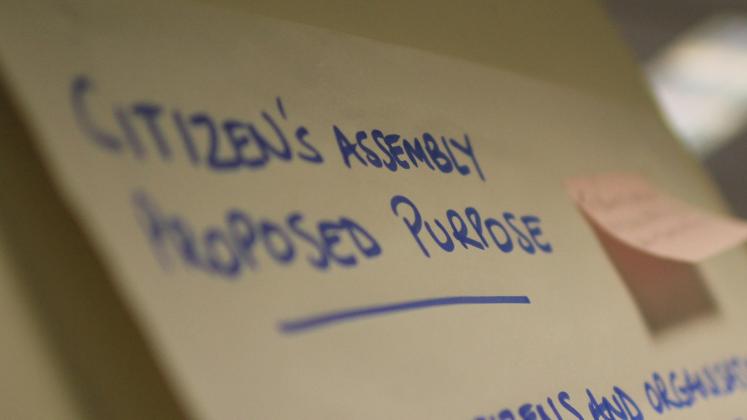
Citizens assemblies, or "minipublics," selected randomly, are gaining attention as complementary institutions to traditional electoral systems amidst democratic challenges. Research by Saskia Goldberg and colleagues reveals citizens in the U.S., Ireland, and Finland prefer minipublics to remain advisory rather than gaining significant power. While citizens recognize the potential of minipublics, they favor their integration with existing representative institutions. Concrete experiences with such assemblies can increase openness to their empowerment, yet a general reluctance persists across the studied countries.
Citizens’ assemblies can work together with electoral institutions to improve democracy

Basel is emerging as a hub for quantum computing and AI through QuantumBasel, supported by a half-billion Swiss franc investment from the Staehelin family. The initiative assists companies and startups in utilizing hybrid quantum and AI solutions for complex industry challenges, having completed about 15 projects with firms like Pfizer and Vinci Energies within two years. QuantumBasel boasts access to quantum hardware from major providers and offers a sustainable innovation campus, uptownBasel, focusing on modern industrial applications. Notable projects include optimizing Pfizer's production processes and enhancing HVAC design with quantum technologies.
Financial services
QuantumBasel: At The Nexus Of Quantum and AI
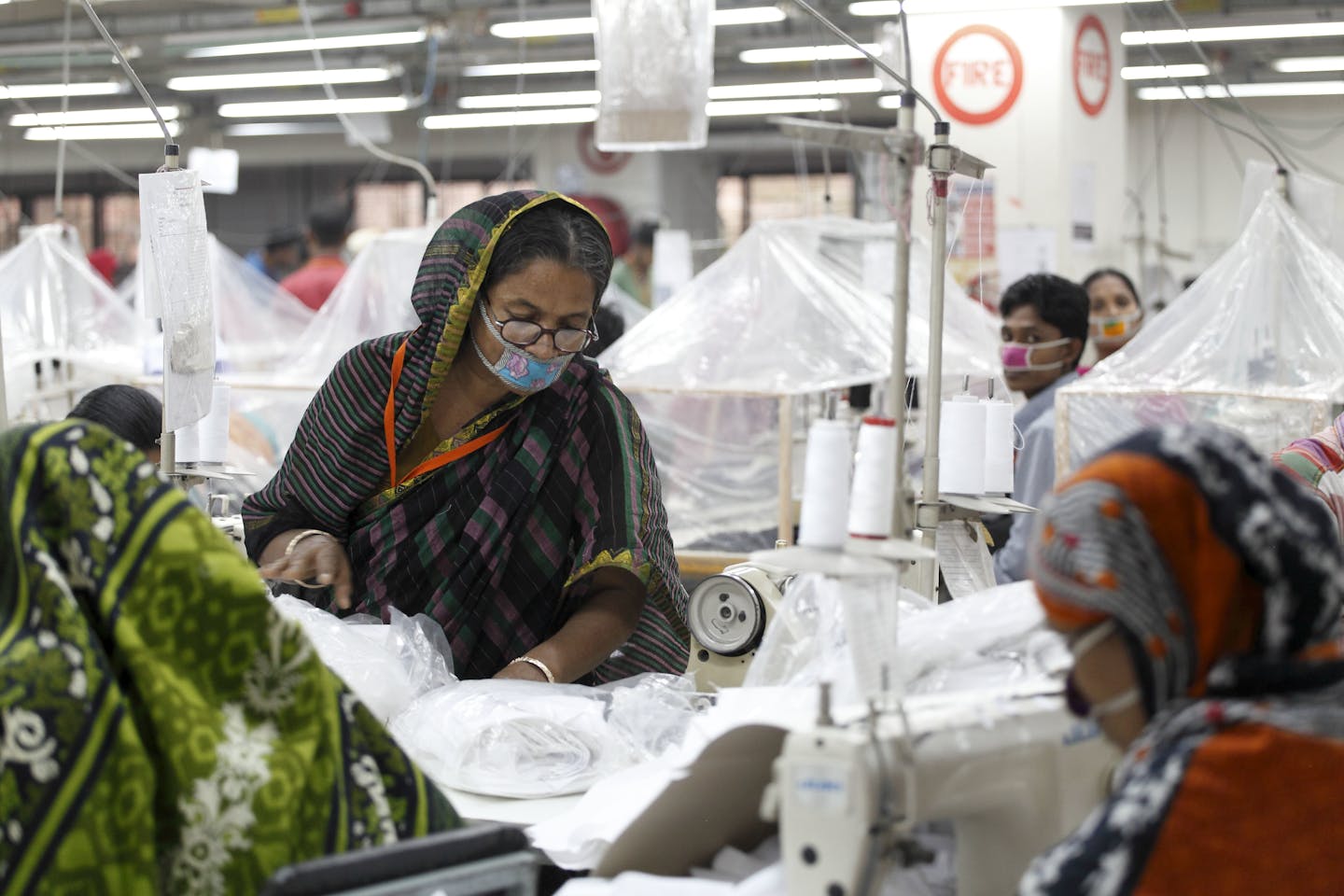
Growing climate risks, such as extreme weather, threaten the earnings and health of textile workers in the Global South, particularly in nations like Bangladesh, Cambodia, Pakistan, and Vietnam. Without urgent investment in climate adaptation, fashion earnings could drop by 22% and lead to the loss of 1 million jobs by 2030. Experts emphasize the importance of cash assistance for workers to help them cope with heat and flooding. Increased minimum wage reviews and government regulation on workplace standards are also recommended to support workers and maintain industry growth.
Latin America
Q&A: How can fashion workers adapt to climate change?

China's "two sessions" in March 2025 outlined key energy and climate policy directions, pledging a 3% reduction in energy intensity. The absence of stringent carbon intensity targets indicates a focus on economic growth over environmental goals. Despite declaring support for “dual-carbon” initiatives, analysts express concern that China may miss its 14th five-year plan targets due to rising energy consumption post-COVID and insufficient decarbonization efforts. Future priorities will likely emphasize balancing decarbonization with energy security, reaffirming existing policies rather than introducing significant changes.
Denmark, Nigeria, Singapore, Taiwan, China | Financial services
Explainer: What does China’s ‘two sessions’ mean for climate policy in 2025?
Enterprises and nations are increasingly focused on achieving artificial general intelligence (AGI), with reasoning seen as a key milestone. The emergence of DeepSeek intensifies competition in AI research, potentially accelerating advancements but raising safety concerns. OpenAI launched its reasoning-based o1 model in 2024, while DeepSeek quickly followed with its own reasoner, DeepSeek-R1. The rapid developments in AI capabilities illustrate a frantic race for leadership in AGI, despite ongoing debates about the understanding of large language models (LLMs) and the challenges of generalizing intelligence beyond current architectures.
DeepSeek, ChatGPT and the race towards artificial general intelligence

Greenland’s recent election resulted in a pro-independence party gaining power and reigniting discussions around fossil fuel exploration. Despite being home to significant untapped oil and gas resources, extraction remains unfeasible due to environmental concerns and technological challenges. A pre-existing ban on fossil fuel activities is likely to be reconsidered, as most parties in the new parliament now support this shift, except for the socialist Inuit Ataqatigiit (IA). The future economic prospects of Greenland, particularly regarding its independence, are closely linked to its potential resource development, which raises critical implications for both the local and global climate context.
Antarctica, Denmark, Iceland, Nigeria
Greenland’s fossil fuel ban is up in the air after recent election

Approximately one quarter of acute hospital beds in the UK are occupied by patients living with dementia, who face significant challenges due to unfamiliar environments. Ineffective communication methods, such as confronting patients about their reality or using therapeutic lying, can heighten distress. Research identifies two effective approaches: 1) Acknowledge and share the emotional aspects of the patient’s reality without promoting falsehoods, and 2) Use diversion tactics to shift conversations away from distressing topics. These communication strategies can significantly improve patient care and well-being even in high-pressure settings.
Health
Two of the best ways to respond to people with dementia who think they are in a different time or place

The United States has a longstanding tradition of protectionism, contrasting sharply with Britain's commitment to free trade. This history influences current political dynamics, particularly under President Trump's tariff policies, which resonate with the American political landscape despite their economic implications. Since the late 19th century, high tariffs have been a key aspect of U.S. economic policy, supporting domestic industries. The shift towards free trade post-World War II was primarily politically motivated, linked to countering communism. The rise of China as a manufacturing powerhouse has intensified protectionist sentiments, with both Trump and Biden administration efforts reflecting this trend.
Taiwan, China, United Kingdom
Protectionism has a long history in the US – so its return should not be all that surprising

Young people today face significant uncertainty, including challenging job and housing markets and declining mental health. Conventional views of resilience typically emphasize overcoming adversity through individual effort, often disregarding alternative responses like inaction or disengagement. Research involving 92 young people across Europe highlights that these alternative behaviors can represent forms of resilience. Examples include Liam, who left school to avoid peer pressure, and Samantha, who chose silence to protect herself from judgment. Supporting resilience requires fostering community environments where young people can learn and adapt without fear of judgment, emphasizing the importance of listening and empowering them in the process.
Education
Resilience doesn’t always mean persevering – it can be found in inaction and silence, too

A strategic approach to cybersecurity is essential for fostering trust, innovation, and growth within organizations. Chief information security officers (CISOs) should shift focus from mere protection to facilitating organizational transformation and aligning security with business strategy. With overwhelming demands for modernization and compliance, CISOs face challenges exacerbated by digital transformations and emerging technologies like AI. They encounter regulatory complexities, evolving threats, and a lack of skilled professionals. A holistic view of security, supported by vendor collaboration, can help address these issues and promote cyber resilience.
Financial services, ICT, Education
Why taking a strategic approach to security is key for cyber resilience

ESG (Environmental, Social, Governance) is transitioning from a controversial concept to a critical financial necessity due to improved standards in accounting, credit ratings, and data analysis. Companies ignoring ESG factors risk being seen as financially negligent, as credit rating agencies now incorporate ESG risks into their assessments. The new global sustainability reporting standards will ensure a consistent approach to ESG disclosure across many nations. A significant shift in M&A practices is underway, with a majority of dealmakers recognizing ESG implications in transactions. Neglecting ESG will increasingly correlate with poor financial management, despite political resistance.
Eswatini | Financial services
ESG is now a financial imperative. Here's why

The European Union's Digital Markets Act (DMA) aims to address the growing concentration of digital market power by big tech companies, which have acquired nearly 700 startups since 2000 without adequate merger notifications. Proposed reforms suggest shifting the burden of proof onto these companies to demonstrate that their acquisitions are not anti-competitive. This would enhance scrutiny over transactions and improve competition enforcement, addressing the potential risks associated with such acquisitions that could stifle innovation and future competition. Additionally, current notification requirements based solely on turnover do not accurately capture the competitive potential of emerging digital firms.
ICT
Reinforcing EU merger control against the risks of acquisitions by big tech

Coronal mass ejections (CMEs) from the Sun can collide and create significant geomagnetic storms, which may disrupt satellite operations and enhance aurora visibility. On May 10, 2024, two merging CMEs caused the largest geomagnetic storm in 20 years, observable across the Northern Hemisphere. Research indicates that colliding CMEs are twice as likely to induce geomagnetic storms compared to solitary ejections, driven by strong magnetic fields and pressures during interactions. With the Sun approaching solar maximum, monitoring these events is crucial for safeguarding technological systems reliant on space weather stability.
Colliding Plasma Ejections From the Sun Generate Huge Geomagnetic Storms

ProPublica utilizes AI responsibly to enhance investigative journalism. A recent example involves analyzing a database released by Sen. Ted Cruz that labeled over 3,400 National Science Foundation grants as "woke." AI was employed to evaluate these grants and identify misleading censorship, revealing many were unrelated to the claimed themes. ProPublica's approach included thorough human review of AI outputs, ensuring accuracy and accountability. Furthermore, AI assisted in uncovering patterns in disciplinary reports related to sexual misconduct and analyzing evidence from the Uvalde school shooting investigation, emphasizing the balance between technology and traditional reporting practices.
How ProPublica Uses AI Responsibly in Its Reporting
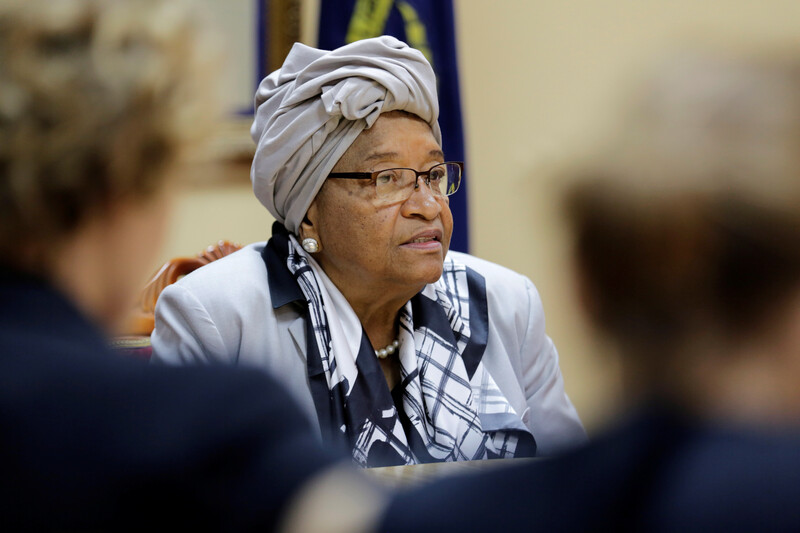
Cuts in aid to Africa present an opportunity to enhance self-sufficiency by promoting women's entrepreneurship and leadership. Women constitute 58% of Africa's self-employed population, contributing 13% to the GDP, yet gender gaps persist, costing the continent an estimated $2.5 trillion. Increased female representation in politics is critical, as women leaders prioritize education, healthcare, and social welfare, significantly impacting community development. Effective strategies include gender-responsive budgeting and ensuring equal access to resources for women, which can foster economic resilience amidst declining foreign aid.
Burkina Faso, Ethiopia, Ghana, Nigeria, Senegal, South Africa, Tanzania
Aid to Africa is being cut – but promoting women can make the continent self-sufficient

Air pollution is the leading cause of death, exceeding smoking and poor diet, accounting for over 10 million deaths annually. AI and big data are being utilized to enhance air quality prediction, identify hidden pollutants, and develop wearable tech for personal exposure tracking. The Equal Air Collaborative, launched by Coupa and NationSwell, aims to unite leaders to address air pollution and ensure equitable access to clean air. Innovations, such as AI-driven monitoring, can significantly improve pollution management. However, the environmental impact of technological advancements must also be considered to prevent worsening air quality.
How we prioritize clean air in an AI-powered world

Women constitute half of the global population but only hold 26.5% of parliamentary and 22.9% of ministerial positions worldwide, creating an economic disparity. Increased women's political representation correlates with economic growth, as policies that promote gender equality lead to higher workforce participation and productivity. Achieving gender parity in political leadership is crucial for tackling labor market inequities and enhancing global GDP. Countries with more women in leadership positions enact stronger gender-equal policies, like paid parental leave and pay transparency, addressing pay gaps and fostering economic fairness. Without structural changes in political leadership, women face greater risks of being sidelined in the evolving digital economy.
Why we need more women leaders in politics for the future of work

The International Criminal Court (ICC) is investigating Rodrigo Duterte's controversial “drug war” despite the Philippines’ withdrawal from the ICC in 2019. Duterte's extrajudicial killings, particularly in Davao City, raise accountability issues. While current President Ferdinand Marcos Jr. claims non-cooperation with the ICC, the recent arrest of Duterte upon his return from abroad has ignited discussions about the investigation's integrity. The ICC's challenge lies in probing the Philippines National Police's role, as without their cooperation, accountability will be limited. Additionally, the Philippines navigates complex diplomatic relations, striving for Western support amid tensions with China while grappling with its human rights record.
Philippines
The ICC has got Duterte, what will the Philippines get?

Ibrahim Traoré, Burkina Faso's youngest president at 36, assumed power in September 2022 after a coup. He has initiated bold reforms, including nationalizing gold mines and rejecting IMF and World Bank loans, aiming for self-reliance. His popularity has soared, with two-thirds of Burkinabé supporting military rule amidst a backdrop of rising acceptance of such governance in Africa. While Traoré's actions reflect a push for industrialization and resource management, concerns persist about a potential repeat of past military rulers’ failures. The public's primary demand remains significant improvement in their welfare.
Algeria, Angola, Bahrain, Bangladesh, Barbados, Belgium, Benin, Bolivia, Botswana, Brunei Darussalam, Burkina Faso, Burundi, Cambodia, Cameroon, Cape Verde, Chad, Democratic Republic of the Congo, Djibouti, Egypt, Eswatini, Ethiopia, France, Gabon, Ghana, Guatemala, Guinea, Haiti, Kenya, Lesotho, Liberia, Madagascar, Malawi, Mali, Mauritania, Mauritius, Morocco, Mozambique, Namibia, Niger, Nigeria, Papua New Guinea, Rwanda, Senegal, Seychelles, South Africa, Tanzania, Togo, Trinidad and Tobago, Tunisia, Uganda, Zambia, Zimbabwe
Can Ibrahim Traoré turn the fortunes of Burkina Faso around?