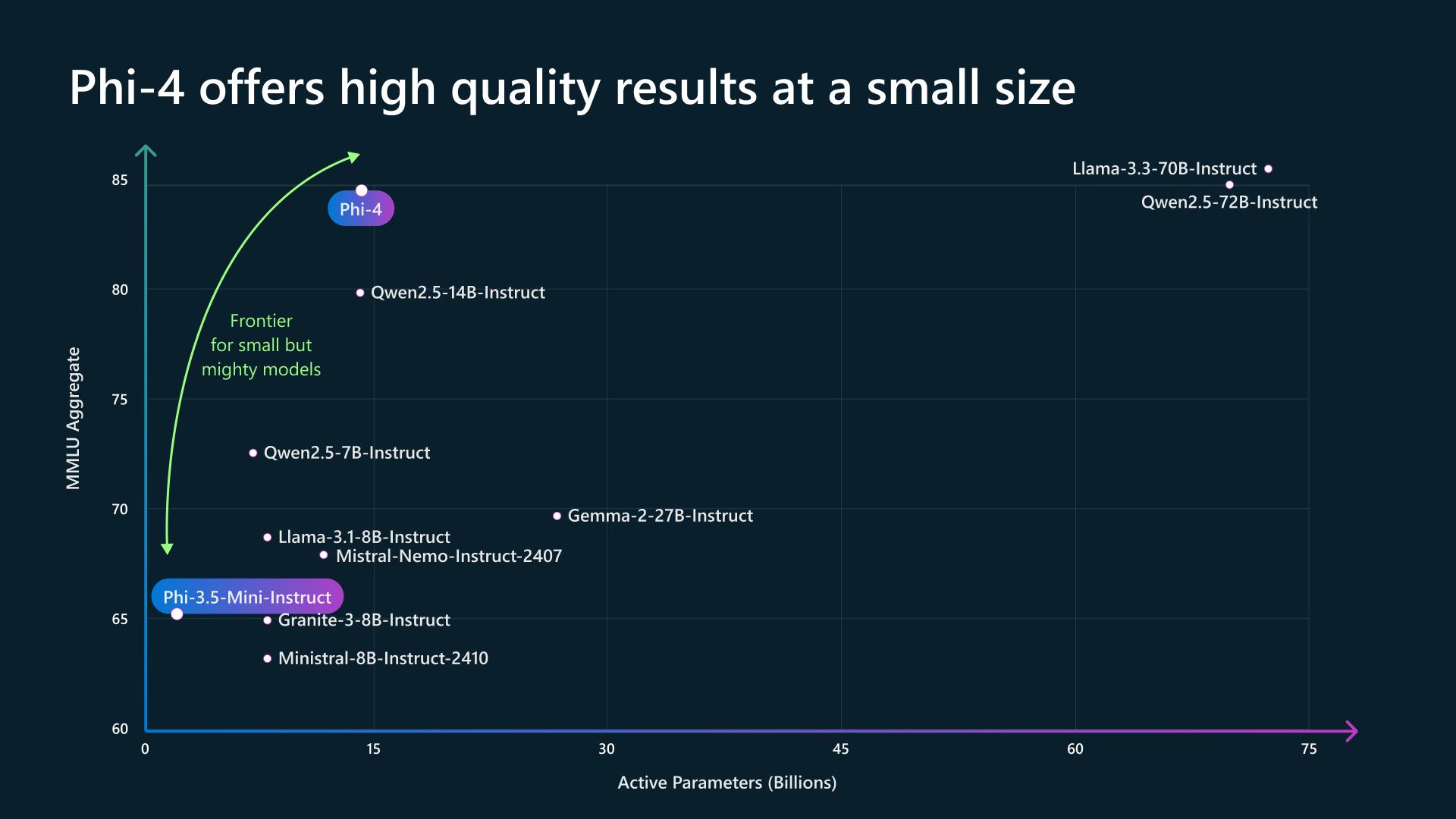
Small language models (SLMs) are gaining popularity in the business sector as a cost-effective and efficient way to implement AI. Unlike larger language models (LLMs), SLMs are designed to excel at specific tasks by being trained on focused datasets. They have fewer parameters, making them faster and more efficient than LLMs. SLMs offer benefits such as faster training and response times, reduced energy consumption, cost-effectiveness, and improved performance in domain-specific tasks. Additionally, SLMs can help address the linguistic diversity gap in AI.
What is a small language model and how can businesses leverage this AI tool?

The Eurozone may face another crisis despite recent economic growth in southern Europe and stagnation in France and Germany. The growth in southern European economies, although impressive, has not yet brought them back to pre-2009 levels. Reports suggesting that structural supply-side reforms were responsible for the economic turnaround may be overlooking key factors such as a construction boom and green energy projects. The previous property and construction boom in countries like Ireland and Spain had led to imbalanced growth and a collapse in skilled labor. Further analysis is needed to determine the true state of the Eurozone economy.
Greece, Italy, Portugal, Spain | Financial services
Walking around in circles – will the Eurozone soon face another crisis?
The EU is likely able to protect itself from Donald Trump's tariffs, but the UK may struggle to do so, warns Anand Menon in an interview. Menon also highlights the need for Europe to prepare for the worst, as the US may provide a diminished security guarantee regardless of who is in the White House. He further discusses the potential impact of Trump's presidency on trade and the difficulty the UK may face in retaliating against tariffs. In addition, Menon comments on the EU and UK's ability to challenge big tech and social media companies on issues like fact-checking and misinformation. Finally, he identifies potential opportunities for Europe from Trump's presidency, including attracting industries affected by the US's unwelcoming environment and learning lessons about politics.
Anand Menon: “The EU is probably big enough to protect itself from Trump’s tariffs. I’m not convinced the UK is.”
China’s long-term AI strategy is focused on balancing innovation and safety, and the country is demonstrating how industry-specific applications of AI can drive efficiency, sustainability, and scalable impact. The country’s approach to AI is grounded in adaptive regulations and robust infrastructure, enabling the integration of AI into sectors such as healthcare, manufacturing, and energy. China’s progress in AI is supported by a strong ecosystem that includes infrastructure, data, talent, and innovation. The country’s emphasis on tailored AI solutions to meet the specific needs of different industries showcases an approach that other regions could adopt. However, challenges such as fragmented data flows and a talent gap remain. Responsible development and international collaboration are essential to navigate the complexities of AI's interplay with technology, society, and governance.
Financial services
Transforming industries with AI: Lessons from China’s journey

The report "Navigating Global Financial System Fragmentation" addresses the risks of financial system fragmentation arising from the use of the global financial system for geopolitical objectives. It presents frameworks to protect the integrity of the system and proposes economic statecraft policies that safeguard national security without hampering global prosperity. The report also provides recommendations for policy-makers to create a financial system that aligns with the economic and geopolitical dynamics of the 21st century. It emphasizes the importance of coordination and integration to ensure efficient capital markets and sustained economic growth.
Financial services
Navigating Global Financial System Fragmentation
Less than 24 hours after Donald Trump was sworn in for his second term, experts at the Davos 2025 Annual Meeting discussed the global reception to the new president. The experts agreed that Trump's second term represents a significant change in the global post-war economic order. While Trump's policy shifts will affect national and international interests, the panel also noted that his election reflects widespread dissatisfaction with the political class. The experts debated the potential impact of Trump's presidency on issues such as China-US relations, conflicts in the Middle East and Ukraine, and domestic affairs.
Financial services
Davos 2025: Analysing a political ‘vibe shift’ as US President Trump takes office again
The article discusses the economic outlook in the new Trump era and the potential impact on companies and economies worldwide. It highlights the shift from a liberalized model of global capitalism to a "geo-economy" where the economy becomes a political instrument. The Trump administration's use of economic measures as a tool of power is examined, as well as the challenges faced by China and Europe. The global economy is in a time of transition, with uncertainties about inflation and the effects of Trump's policies on global trade. The article also provides snapshots of future scenarios for the United States, China, and Europe.
France, Italy, Mexico, Spain | Financial services
Economic outlook in the new Trump era
The Middle Corridor, a trade route connecting China to Europe through Central Asia, has become increasingly important for Europe to access Chinese goods and bypass Russia and Iran. However, challenges remain in the form of unresolved legal disputes, regional security issues, and declining water levels in the Caspian Sea. The 2018 Convention on the Legal Status of the Caspian Sea did not provide a solution to these problems, and Russia and Iran have used environmental concerns to block the construction of pipelines and other projects. Tensions between littoral states have also led to military confrontations in the past.
Azerbaijan, Kazakhstan
Receding Waters, Rising Challenges: Navigating the Caspian Sea’s Geopolitical Moment

Many companies are failing to benefit from AI because of the emotional and behavioral reactions of employees, according to researchers from Aalto University. The study suggests that success with AI is not about the technology itself, but about how employees react to it and how leaders manage those reactions. The researchers found that people fell into four groups in terms of their reactions to AI: full trust, full distrust, uncomfortable trust, and blind trust. The study highlights the importance of building trust and addressing emotions to ensure successful AI adoption.
Why are most companies failing to benefit from AI? It's about the people not the tech
Scientists at the University of Birmingham have developed AI technology that can detect the most harmful pollutants in UK lakes and identify the species at highest risk. The technology was used to analyze samples from 52 freshwater lakes and found that insecticides and fungicides were the main factors affecting biodiversity, along with other physico-chemical factors. This data-driven approach provides actionable targets for regulators and can inform conservation strategies to address the root causes of biodiversity decline. The research highlights the transformative power of AI in tackling environmental challenges and emphasizes the need for proactive measures in chemical regulation to protect ecosystems.
United Kingdom
New AI technology helps scientists detect which pollutants in England's lakes are most harmful to life, and identify species which are at highest risk
The AI for India 2030 initiative aims to integrate AI across India's socio-economic fabric in order to achieve inclusive growth. AI has the potential to contribute $500 billion to the Indian economy by 2025 and revolutionize sectors like agriculture, healthcare, and urban planning. The initiative emphasizes ethical and responsible AI adoption and collaboration between stakeholders in government, industry, academia, and startups. The success of AI in India relies on public-private partnerships and the integration of AI capabilities into the existing digital public infrastructure. The initiative is driven by two workstreams: the AI Playbook and the AI Sandbox, which focus on operationalizing AI adoption and innovation in priority sectors.
AI for India 2030: A blueprint for inclusive growth and global leadership
President Trump is threatening to block the appointment of Peter Mandelson as the UK ambassador to the US unless restrictions are placed on his activities. Mandelson, a former cabinet minister, has been associated with China, the EU, socialism, and has made critical comments about Trump in the past. Although it is not uncommon for non-career diplomats to be appointed as US ambassadors, it is rare for the UK. The role of UK ambassador to the US is highly influential and important, making this appointment a matter of contention.
United Kingdom
Mandelson goes to Washington – or does he? Why neither is a good option now
Businesses must continuously adapt to emerging technologies, shifting consumer expectations, and sustainability goals. Advanced technologies, such as AI and digital tools, are essential for real-time responsiveness, sustainability efforts, and operational efficiency. Upskilling and reskilling the workforce are necessary to remain competitive. The perpetually adaptive enterprise succeeds through rapid innovation, purpose-led sustainable growth, and collaboration. The roadmap for the perpetually adaptive enterprise emphasizes human-centered AI strategies, digital tools for achieving net-zero goals, advanced technologies for supply chain responsiveness, AI-powered automation for intelligent operations, ecosystem collaboration, and security and trust.
6 strategies for businesses to thrive in the Intelligent Age
Africa's young population and increasing digital connectivity have fostered a vibrant youth entrepreneurship culture in the continent. Sub-Saharan Africa has some of the world's highest rates of entrepreneurial activity, with a significant number of young people expressing intentions to start a business in the coming years. The rise of mobile technology and internet access has further fueled digital entrepreneurship, resulting in substantial investment in tech startups in Africa.
Opportunities of the AfCFTA for Africa’s Youth Entrepreneurs
The future of healthcare will be shaped by three major trends: an ageing population, urbanization, and technological advancements. These trends present both opportunities and challenges for the healthcare system. Aging populations increase the risk of chronic diseases and require innovative medical solutions. Urbanization can strain healthcare systems, but it also provides access to reliable infrastructure. Technological advancements, particularly in artificial intelligence, are revolutionizing healthcare by accelerating drug discovery, enabling precision medicine, and improving treatment. Addressing these trends requires collaboration among governments, life sciences, academia, and technology industries. With the progress made so far, there is optimism that these challenges can be met.
3 megatrends that will shape the future of health
Birthrates are declining globally, but the number of twins and triplets being born is increasing. Social factors such as older-age pregnancy and greater use of fertility treatments are attributed to this rise. Twinning can occur when two separate eggs are fertilized or when a fertilized egg splits into two. It can also happen due to hyper-ovulation, which is more likely to occur in older women. Recent research predicts a continued rise in multiple births, especially in low-income countries, driven by maternal age increases. The use of fertility treatments has also contributed to the increase in multiple births.
Why more twins are being born than ever before – even though birthrates are falling
Approximately 85% of employers are planning to prioritize reskilling their workforce. According to the Future of Jobs Report 2025 by the World Economic Forum, broadening digital access is expected to reshape industries, with 60% of employers expecting it to redefine their businesses by 2030. Advancements in technologies such as AI and robotics will drive profound changes. The demand for technology-related skills is increasing, but there is also a need for uniquely human abilities like creativity, critical thinking, and adaptability. Four CEOs provide insights on how organizations can prioritize reskilling to address the skills gap.
Education
Leaders share their vision as 85% of employers plan to prioritize reskilling their workforce
AI and science-led design are transforming the built environment by improving building performance, urban planning, and human well-being. AI-driven tools are merging neuroscience, psychology, and engineering to create innovative designs. AI has the potential to fundamentally change how buildings are operated and connected with people and urban systems. Science-led design integrates research and data to enhance decision-making and assess a building's impact. AI algorithms and technologies like machine learning and natural language processing are enabling the integration of science-led design into building development. Additionally, the convergence of AI and science-led design is facilitating positive change and innovation in the construction of spaces for people and the planet.
How AI and science-led design are transforming the built environment
Advancements in AI are leading to the development of "reasoning AI" systems that can complement human intelligence. These systems have the potential to improve productivity and solve complex problems. However, AI still lacks true comprehension of its environment and struggles with context understanding and complex reasoning. Policymakers and technologists need to establish control frameworks to ensure that AI aligns with human values and societal goals. The goal is to develop AI that can understand and respond to complex real-world scenarios beyond simple pattern recognition, but the vision of Artificial General Intelligence (AGI) still faces technical and ethical challenges.
Where would reasoning AI leave human intelligence?
Manufacturers should embrace AI agents in order to elevate the manufacturing industry to become near-autonomous. AI agents have the potential to revolutionize manufacturing functions, enhance software systems, and push the boundaries of physical automation. Despite their potential, there are barriers to adopting AI agents such as trust issues, technological limitations, and scalability challenges. Manufacturers must balance immediate operational needs with long-term strategic foresight and planning to navigate this rapidly evolving new reality. AI agents are a game changer in manufacturing because they amplify the vision of real-time decision-making, near-autonomous systems, and seamless human-machine collaboration. The potential of AI agents extends across direct and indirect functions in manufacturing. Virtual AI agents facilitate human-machine interaction and support decision-making, while embodied AI agents simplify the automation engineering process. However, there are challenges to adopting AI agents, such as trust, technological hurdles, and scalability. Successful implementation requires strong organizational and technological foundations.
Why should manufacturers embrace AI’s next frontier – AI agents – now?