The Global Alliance for Trade Facilitation has partnered with the Cambodian government to help small businesses in Cambodia access global markets. Small businesses often struggle to access international markets due to barriers such as infrastructure costs and regulatory barriers. The Global Alliance for Trade Facilitation is addressing these challenges by implementing projects to facilitate small businesses' participation in global e-commerce. One such project is the implementation of an Electronic Advance Data platform, which has enhanced customs risk management, improved administrative processes, and increased regulatory compliance for outbound shipments. This has led to easier movement of international shipments and increased IT readiness among customs and post staff. The Alliance's projects are aimed at boosting trade competitiveness, economic growth, and poverty reduction.
Belgium, Bosnia and Herzegovina, Cambodia, Ecuador, Eswatini, Lesotho, Malawi, Morocco, Nepal, Panama, Slovakia
How the Global Alliance for Trade Facilitation helped unlock opportunities for small businesses in Cambodia
Experiencing unfairness from artificial intelligence (AI) systems can make people less likely to take action against unfair behavior from humans, according to a study published in the journal Cognition. The researchers found that individuals who had been treated unfairly by AI were less likely to punish human wrongdoers compared to those who had been treated unfairly by another person. This effect, called "AI-induced indifference," suggests that unfair treatment by AI weakens people's sense of accountability, making them less likely to address injustices in their community. The study highlights the importance of minimizing biases in AI training data and establishing transparency standards to prevent these negative ripple effects.
Unfair decisions by AI could make us indifferent to bad behaviour by humans
The Hague Centre for Strategic Studies (HCSS) recently held the second event in their series on future security trends, titled "Global Perspectives on Future Security Trends." Experts from around the world, including South Africa, Brazil, and global organizations like the UN, gathered to discuss possible futures and establish a global baseline in foresight. The event highlighted differences in perceptions between the Western transatlantic perspective and non-Western viewpoints. The write-up provides analysis on key elements such as models of cooperation and competition, the role of democracy, and the relationship between multipolarity and multilateralism, from an African, Latin American, and UN perspective.
Navigating Tomorrow: Global Perspectives on Future Security Trends
Researchers have developed a new system of logic called inferentialism, which aims to address the limitations of traditional logic and enhance critical thinking and artificial intelligence (AI). Inferentialism focuses on the use and context of words rather than fixed categories, offering a more nuanced understanding of meaning and reasoning. This new approach aligns with modern speech and can help overcome barriers to constructive discourse on controversial topics such as gender. The practical application of inferentialism is demonstrated through a field called proof-theoretic semantics, which is revolutionizing our understanding of logic.
Researchers have invented a new system of logic that could boost critical thinking and AI
The African Continental Free Trade Area (AfCFTA) presents an opportunity for Micro, Small, and Medium Enterprises (MSMEs) to participate in Global Value Chains (GVCs) and boost their operations, productivity, and technology. Currently, African producers have limited participation in GVCs, mainly exporting raw resources and agricultural commodities. However, the AfCFTA can promote Regional Value Chains (RVCs) and enhance cross-border trade among regional players. Establishing linkages with local subsidiaries of multinational enterprises (MNEs) is a way for MSMEs to access and benefit from RVCs/GVCs. A recent report examines the factors that shape linkages in Southern Africa and highlights the benefits for innovative enterprises. Geography also plays a significant role in forming these linkages.
South Africa
Linking Southern African Small Firms into Global Value Chains
Mexico's judicial reform, which includes the election of judges by popular vote, went into effect on September 15. However, there are concerns that this reform may undermine the independence and accountability of the judiciary. Bolivia's experience with judicial elections offers a cautionary precedent, as it led to increased politicization and skepticism. Critics argue that the reform could expose the judiciary to political and criminal influence, compromising impartiality and institutional integrity. Additionally, the new system removes the meritocratic process, allowing political bodies greater control over judicial appointments. There are concerns that this could lead to decisions swayed by political pressure rather than impartial assessments of the law and facts. The reform could also impact the private sector, foreign investment, and human rights activists' access to fair and unbiased justice.
Mexico
Justice by Vote? Lessons for Mexico from Bolivia’s Judicial Elections
Russia's hybrid warfare poses an existential threat to Moldovan democracy, with attempts by Moscow to subvert the country's democracy expected to continue. Moldova recently held three elections, including a presidential election and an EU referendum, both of which were marred by accusations of Russian interference. With parliamentary elections scheduled for next year, it is crucial for Moldova to address these threats and safeguard its democracy. Vote buying, as a strategy of hybrid war, has been prominent in the recent elections and is likely to continue in the future. Investigative reporting has revealed the scale and effectiveness of Russian-backed efforts to influence Moldovan politics.
Moldova, Russian Federation
Russia’s hybrid warfare poses an existential threat to Moldovan democracy
Climate change exacerbates geopolitical rivalries and fuels climate nationalism, hindering global cooperation. The ideal response would involve globally coordinated carbon taxes, cross-border decarbonization commitments, and resource transfers. However, national priorities, economic rivalries, and domestic politics consistently derail united global action. Initiatives like carbon border taxes prioritize national interests over collaboration, fragmenting global markets. While international cooperation is still possible through small coalitions and sector-specific treaties, climate change is likely to fortify nationalist tendencies due to fear of resource scarcity and climate-induced migration. COP29 must navigate the tension between the ideal and the real, blending national self-interest with strategies that advance global goals.
Financial services
COP29 and the rise of climate nationalism
A study suggests that the adoption of AI is increasing the demand for managers and changing their skill sets. Rather than replacing managers, AI requires a new kind of leadership where human judgment and strategic vision are crucial to success. The research found that for every one percentage point increase in AI adoption, there was an increase in managerial roles. Managers play a vital role in guiding AI's integration into workflows and crafting strategies that leverage its potential. The shift towards AI calls for managers with skills in data analysis, creativity, and problem-solving. Companies adopting AI tend to offer higher salaries for these roles, indicating their growing value.
AI is increasing demand for managers — and changing their skill sets
Ukraine faces challenges in building a future force to deter Russian aggression and establish lasting peace. Crafting an effective deterrence strategy is crucial but difficult. Ukraine needs long-term security arrangements to maintain stability and defend against future foreign aggression. However, uncertainties and immediate security threats make it difficult to plan for long-term security. NATO membership for Ukraine is crucial for stabilizing the region. Deterrence by denial, through sufficient defensive capabilities to thwart invasion, could reduce the likelihood of renewed aggression. Deterrence by punishment may have limited impact on Putin's commitment to the war. Ukraine has incorporated deterrence into its national military framework with a focus on building a force capable of repelling aggression.
Ukraine | Financial services
Overcoming the Challenges of Building a Future Force for Ukraine
Countries around the world are pursuing the concept of "sovereign AI" by building domestic AI capabilities. Denmark, Italy, Sweden, the UAE, and India are among the countries investing in supercomputers and AI models to shape their own AI development paths. Proponents argue that sovereign AI can preserve cultural identity and protect national interests. However, there are concerns that pursuing divergent development paths could hinder collaboration and undermine global cooperation. This has led to proposals for a Global AI Compact to share AI resources and ensure equitable access to technology.
What is ‘sovereign AI’ and why is the concept so appealing (and fraught)?
The Race to Resilience campaign aims to incorporate diverse voices and knowledge systems into climate resilience efforts. The campaign focuses on empowering underrepresented groups such as women, youth, Indigenous Peoples, local communities, civil society, and individuals with disabilities. By including these voices, the campaign recognizes that true resilience requires the engagement and leadership of those most affected by climate impacts. The campaign's approach aligns with the Sustainable Development Goals (SDGs) and emphasizes that climate resilience and social equity are interconnected goals. Through inclusive dialogue and events, the campaign creates platforms for underrepresented groups to share their insights and shape climate action. By centering those most affected by climate change, the campaign sets a standard for equitable and effective climate action.
Youth Fellow Ferdison Valmond on strengthening climate resilience by empowering all voices
The US election and its implications for global trade have already had an impact on currency, stock, bond, and commodity markets. The victory has caused the dollar to surge, while other currencies have weakened. Economists predict steady US inflation. The possible impacts of a Republican presidency on global markets include a strengthening dollar, reduced regulation and tax cuts favoring US equities, increased Treasury yields, and potential effects on oil and gas production. The re-election of President Trump could introduce challenges for Latin America, particularly Mexico, with proposed tariffs and potential influence on trade agreements. China's presence in Latin America poses challenges for the US. China's exports surged in October in anticipation of possible tariffs. The WTO forecasts global trade growth, with a caution against worsening protectionism.
Canada, Jordan, Malaysia, Saudi Arabia, Türkiye, Viet Nam | Financial services
What's next for global markets after US election, and other global trade news to read this month
Interactions between multinational enterprises (MNEs) and civil society groups have significant consequences and can influence various aspects of business strategies. A review of over three decades of research highlights the importance of these interactions in shaping the economic and social landscape globally. Conflictual interactions, such as protests and boycotts, pose challenges for MNEs, while collaborative interactions, such as partnerships with NGOs, can create value and contribute to broader social goals. It is crucial for MNEs to proactively engage with civil society to understand local concerns and mitigate conflicts. Collaborations with NGOs can reduce conflict, enhance reputation, and provide access to local knowledge. These interactions also play a critical role in holding MNEs accountable and can be platforms for social change.
Interactions between multinationals and civil society matter

Experts are calling for a complex systems perspective to assess and mitigate the risks posed by artificial intelligence (AI). They argue that current risk assessment frameworks often overlook broader, long-term systemic risks that emerge from the widespread deployment of AI technologies and their interaction with society. They propose computational models and simulations to better understand and evaluate these risks, as well as public participation in the risk assessment process. An example is given of how a predictive algorithm used during the Covid-19 pandemic in the UK for school exams resulted in inequities and unexpected outcomes.
Experts urge complex systems approach to assess artificial intelligence risks
UK and Canada are well-positioned to lead in setting global AI standards and fostering ethical and responsible AI governance. They can collaborate with other middle economies to establish the highest standards for AI's ethical use. The UK has made progress in data privacy and protection, while Canada has promoted ethical AI through initiatives like the Pan-Canadian Artificial Intelligence Strategy. Both countries have the potential to collaborate on AI governance and cooperation.
Canada, United Kingdom
Collaborative AI Governance: A Policy Roadmap for Canada and the UK
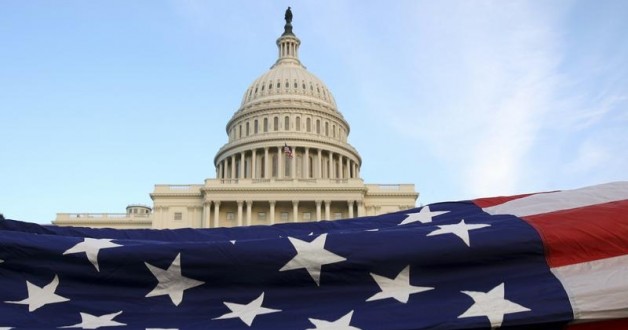
The Trump presidency has raised concerns about its impact on global growth and international trade. As Trump promotes protectionism and imposes tariffs on countries like Mexico and China, there are fears of escalating trade wars and slower global growth. The UK, which relies on both the EU and the US as major trading partners, is particularly vulnerable. The imposition of tariffs could significantly hamper UK growth and lead to unemployment and higher prices. However, the EU could serve as a buffer against trade threats from the US, and the UK could align itself more closely with the EU to protect its interests.
The Trump presidency could hammer global growth – here’s what the UK could do
The 2024 US election calls for a recommitment to civic engagement, civil dialogue, and speaking truth to power to pursue a more perfect union. These actions, along with an empathy revolution, can help bridge the gap between the current state of the world and the desired future. The need for justice, preservation of democracy, and safeguarding civil rights is emphasized. Three ways forward include recommitting to local civic engagement, speaking truth to power, and engaging in civil dialogue. Empathy plays a crucial role in creating understanding, reconciliation, and healing, and can be taught and practiced in various settings.
A call to action for civic engagement and empathy to pursue a more perfect union following the 2024 US election
The reelection of Donald Trump as president of the United States could have significant effects on Australia's domestic politics. While Trump is not popular in Australia due to his chaotic personality and radical political agenda, his actions and alignment with the current Labor government could influence how the public votes in the upcoming federal election. Additionally, there are broader lessons from the US election, such as the trend against incumbency and the impact of high rates of inflation, which could also shape Australia's political landscape. Australian politics differ from the US in that there is a strong suspicion of political parties, leading to the rise of independent candidates. Overall, Australia is experiencing a unique form of political realignment.
Australia
Will Australian Domestic Politics Experience the Trump Effect?
Generative Artificial Intelligence (GenAI) is being integrated into academic research, with varying attitudes among researchers. A nationwide survey in Denmark found three clusters of attitudes towards GenAI. Some researchers embrace GenAI's ability to accelerate and enhance research processes, while others voice concerns about its impact on research integrity. There are disciplinary differences in the use of GenAI, with scholars from technical sciences using it more and having a more positive assessment of its use compared to humanities scholars. There were no differences in use or assessment based on gender, but junior scholars reported using GenAI for more tasks.
Writing assistant, workhorse, or accelerator? How academics are using GenAI