
Economists advocating abandoning growth have addressed planetary limits but neglected voter response. Climate change requires urgent shifts, yet proposals like degrowth overlook political realities: democratic governments depend on growth to fund welfare, service debt, and maintain legitimacy. Voters expect material improvements, and removing growth turns distribution into a zero-sum conflict, undermining political support. Attempts to implement such policies, like France’s fuel tax increase, have sparked backlash. While degrowth aligns with ecological science, it lacks a viable political base in advanced democracies where prosperity drives electoral success.
The challenge with climate action is not about the maths – it is about the politics
Economic security is an integral part of national security, encompassing the defense and promotion of a nation's economic, industrial, and scientific interests, including digital sovereignty. Critical infrastructure and supply chains must be protected against cyberattacks, espionage, and other threats that impact both corporate competitiveness and sovereignty. The evolving nature of 21st-century security, highlighted by dual-use technologies and conflicts like the war in Ukraine, underscores the need for a comprehensive national strategy. France currently lacks an integrated approach to economic security, which must be developed along with greater societal awareness to effectively safeguard national interests.
Austria, Belgium, Benin, Bulgaria, Burkina Faso, Burundi, Cameroon, Canada, Costa Rica, Croatia, Cyprus, Czech Republic, Denmark, Egypt, Estonia, Finland, France, Germany, Greece, Ireland, Israel, Italy, Jordan, Latvia, Lebanon, Lesotho, Lithuania, Luxembourg, Malta, Mauritania, Mauritius, Morocco, Namibia, Netherlands, New Zealand, Norway, Panama, Peru, Philippines, Poland, Portugal, Romania, Russian Federation, Rwanda, Senegal, Slovakia, Slovenia, Spain, Sweden, Switzerland, Tunisia, Ukraine, United Kingdom | Education, Financial services
[National Security: The Reality Check] - “Economic Security Is National Security”
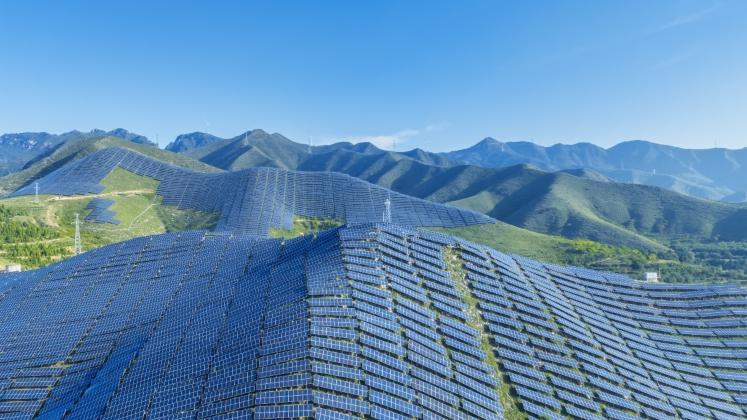
Climate solutions encompass technologies and activities that directly reduce greenhouse gas emissions, while enabling activities support their deployment and expansion. Clear definitions are essential for investors aiming to finance the low-carbon transition, yet current frameworks and taxonomies vary widely, causing inconsistencies and challenges in evaluating climate-related claims. Differing approaches by entities like the EU, China, and the Glasgow Financial Alliance highlight discrepancies in sector coverage and criteria, complicating investment decisions. Understanding climate solutions also depends on a company’s role in the value chain, from producing enabling materials to deploying low-carbon technologies. A standardized framework, such as the IEA’s Clean Energy Technology Guide, can help investors target capital towards genuine climate solutions to meet the global goal of limiting warming to 1.5°C.
Financial services
Making sense of climate solutions to help finance the low-carbon transition

Rising geopolitical tensions, especially between the US and China, are driving Asia's shift toward local currency trade transactions, challenging the US dollar's dominance. China promotes renminbi internationalization, though its global payment share remains limited and grows via systems like the Cross-Border Interbank Payment System. Southeast Asia, notably Thailand, has seen increased local currency use following regulatory reforms. Sustainable local currency trade requires robust foreign exchange markets and credible policy frameworks, while excessive currency and capital controls may impede progress. Efforts to diversify settlement currencies face both potential and significant constraints.
Latin America | Financial services
Outlook and Challenges for Local Currency Transactions: An Analysis of the Trend Toward Dedollarization, Centered on Asia
Europe previously faced a major economic shock from the 2008 US subprime crisis, leading to the 2010-2011 Eurocrisis, which required ECB intervention through quantitative easing to stabilize debtor nations. This response, while politically successful, resulted in prolonged low growth and competitiveness issues. Europe now faces a new external shock – "China Shock 2.0" – driven by China’s aggressive export-led growth amid domestic stagnation. China's massive export scale, low prices, and global trade dominance are causing price deflation pressures in Europe. The challenge lies in balancing necessary defensive measures against China with broader strategic and economic adjustments, avoiding overreliance on protective barriers alone.
Czech Republic, France, Italy, Luxembourg, Spain | ICT, Financial services
China Shock 2.O is also Europe Shock 2.0

Global trade and its governing organizations, particularly the World Trade Organization (WTO), play a crucial role in fostering peace within and between fragile states. Analysis of WTO membership alongside the Global Peace Index reveals that trade liberalization, adherence to human rights standards through trade agreements, and the influence of multinational corporations contribute to peacebuilding efforts. Fragile and conflict-affected states benefit from WTO membership by promoting economic development, democratic participation, and social stability. Trade agreements enforce human rights and environmental protections, creating incentives for peaceful cooperation and reducing conflict risk, especially in developing and least developed countries.
Latin America | Financial services, Health
How can global trade contribute to world peace?
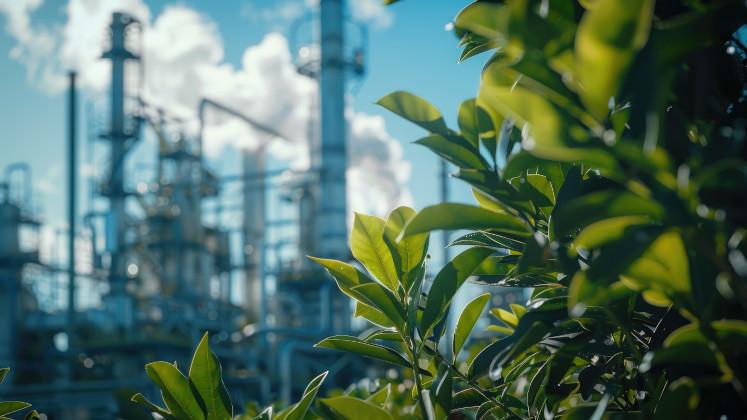
Foreign direct investment (FDI) is financing a significant share of the EU's industrial decarbonization, extending beyond traditional renewable energy sectors to include steel, chemicals, automotive, construction, and the production of batteries and advanced materials. Utilizing the EU Taxonomy for Sustainable Activities and advanced text analysis of over 109,000 FDI projects, research reveals that 15.7% of inward FDI capital value into the EU and UK is green—about twice the share estimated by conventional measures. Since 2021, green FDI beyond energy has accelerated, varying geographically: southern Europe attracts renewable energy investments, while countries like Hungary and Slovakia specialize in green industrial activities such as electric vehicles and batteries. Policymakers should integrate foreign investment strategically into Europe’s clean industrial policy to foster competitiveness and innovation in the green transition.
Belgium, Finland, Hungary, Ireland, Italy, Slovakia
Green foreign investment must be integrated into Europe’s clean industrial policy
Corporate climate commitments often place economic risks of ecological transition on suppliers, especially in sectors like food, fashion, electronics, and retail where most emissions occur outside company operations. Effective sustainable supply chains require companies to share these risks and support suppliers through four mechanisms: measurement, economic incentives, technical support, and structural investment. While measurement, incentives, and support are common, structural investments—such as long-term contracts and co-investment—drive transformative change. Successful examples include Nestlé’s financial incentives to farmers and McCain Foods’ agronomic and financial support for potato growers. Key strategies to involve suppliers include fostering long-term relationships, distinguishing short-term incentives from broader financial support, sharing risks, practicing patience, and incorporating supplier input. Climate strategies succeed when they integrate economic realities with sustainability goals, redesigning value and risk sharing in supply chains.
Financial services
Making the ecological transition work for both buyers and suppliers

Henning Piezunka, associate professor at Wharton, explains that in the AI industry, competition can evolve from healthy rivalry into destructive behavior. He highlights the psychological factors influencing executive decisions and emphasizes that successful organizations balance competition with collaboration. Drawing on research from business, sports, and innovation ecosystems, he provides insights into how this balance can be effectively managed in the AI race.
Education
Navigating Competition and Collaboration in the AI Race

Net migration in the UK has fallen to its lowest since 2012, driven by political promises to reduce it. This decline harms the economy by worsening labor shortages and limiting growth, as migrants are typically of working age and contribute to productivity. The UK and Europe face acute shortages in sectors like healthcare, long-term care, hospitality, and skilled trades, exacerbated by aging populations, Brexit, and poor working conditions. The UK’s previous visa schemes to recruit healthcare workers led to exploitation and were eventually closed, leaving persistent vacancies. In contrast, several European countries are pursuing talent partnerships with countries like Egypt, India, and Pakistan to address labor needs. These partnerships require political will, coordinated training, streamlined visa processes, and support for migrants’ integration to be effective.
United Kingdom | Education, Health
Falling migration is bad for economies – here’s how some countries are responding
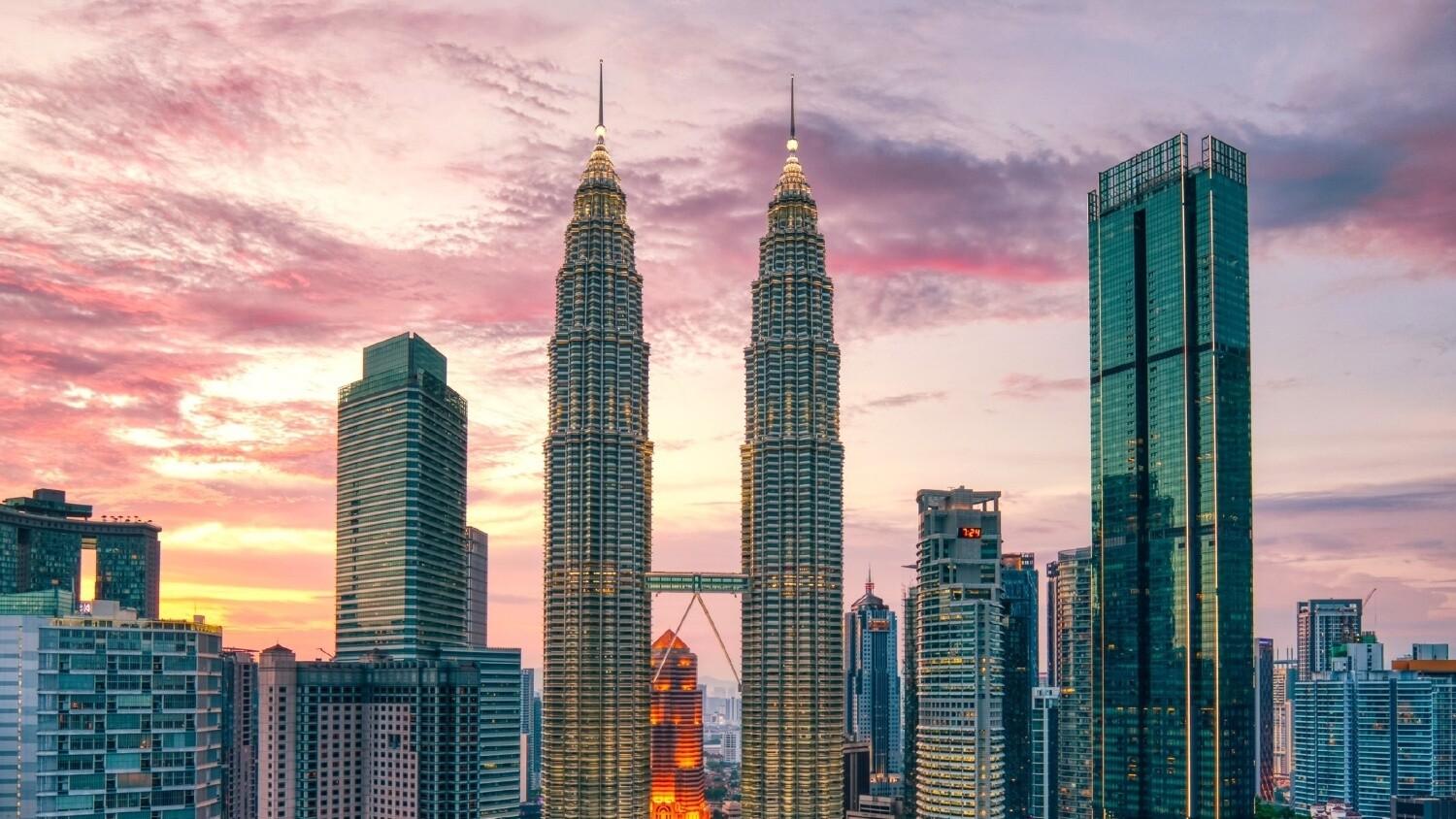
Malaysia aims to phase out coal power entirely by 2044, halving coal usage by 2035, and building no new coal plants. To achieve this, the country plans to expand renewable energy to 70% by 2050, leveraging natural assets for cheaper, cleaner power and reducing fuel import dependence. The transition faces challenges in stabilizing the grid as coal is retired, initially using gas and later integrating resources via the ASEAN Power Grid and possibly nuclear energy. Key strategies include repurposing retired coal sites with solar and battery storage to create a flexible, resilient, and sustainable power system, while supporting energy security, job creation, and economic growth.
Malaysia
Beyond Coal: Building a Flexible, Resilient and Clean Power System for Malaysia
Malaysia aims to phase out coal power entirely by 2044, halving coal usage by 2035, and pledges no new coal plants. The country targets 70% renewable energy by 2050 to create a cleaner, more affordable power system that boosts energy security and economic growth. Key challenges include stabilizing the grid with renewables, initially supported by gas and eventually balanced through the ASEAN Power Grid and potential nuclear energy. Strategies include repurposing coal sites for solar and battery storage. Insights were developed through an eight-month collaboration between the World Economic Forum, Malaysia’s Ministry of Energy Transition and Water Transformation, and industry stakeholders.
Beyond Coal: Building a Flexible, Resilient and Clean Power System for Malaysia
The EU Semiconductor Geopolitical Risk Survey outlines potential challenges and strategic considerations for Europe’s semiconductor sector between 2026 and 2031. It emphasizes the growing geopolitical risks impacting semiconductor supply chains, technology development, and economic security. The paper, authored by experts Joris Teer and Pierre Sel, discusses Europe's need to strengthen technological independence and resilience in semiconductor production amid global competition and evolving diplomatic landscapes. It provides policy recommendations to enhance the EU's position in the critical semiconductor industry over the coming years.
ICT
The EU Semiconductor Geopolitical Risk Survey: Outlook for 2026–2031

India's health improvements have markedly increased life expectancy and reduced infectious diseases, yet paradoxically this progress has led to rising male excess mortality, especially from chronic non-communicable diseases. Women now outlive men by a widening margin, with life expectancy around 73.6 years for women versus 70.5 for men as of 2023. This “gender paradox of progress” arises partly because women’s stronger immune responses better protect them as infectious diseases decline, amplifying their longevity advantage. The epidemiological transition varies across Indian states, with more advanced states showing larger male-female mortality gaps linked to aging-related diseases. Without gender-specific public health policies, male excess mortality may continue to increase despite overall health gains.
Health
Technological change means women in India are now increasingly outliving men
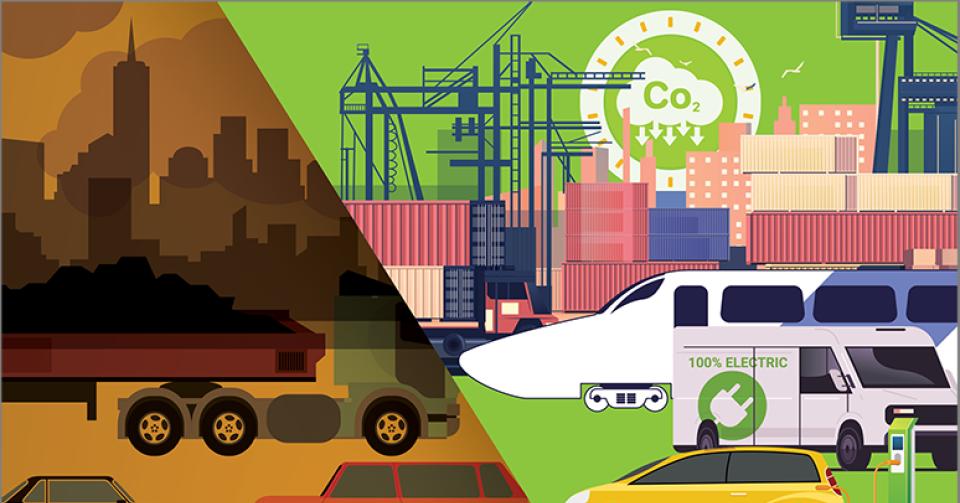
Countries in the Central Asia Regional Economic Cooperation (CAREC) region can use carbon pricing strategies to address rising transport-related emissions, which account for up to 23% of national emissions. The report analyzes carbon taxes and emissions trading systems (ETS), drawing on experiences from China and Kazakhstan, and discusses integrating transport into ETS. It highlights how carbon pricing can drive innovation, reduce greenhouse gases, and generate public revenues to fund sustainable, low-emission transportation solutions across the 11 CAREC member countries.
Exploring the Impact and Opportunities of Carbon Pricing in the Transport Sector in CAREC Countries
Cities in Asia and the Pacific are central to achieving national climate goals and sustainable development amid rapid urbanization and climate vulnerability. The transition to net-zero emissions requires urgent, context-specific strategies combining technology, policy, finance, and institutional capacity. Diverse case studies highlight that there is no one-size-fits-all path; instead, effective net-zero plans depend on coordinated efforts among the private sector, institutions, governments, and communities to create coherent urban systems tailored to local conditions.
Asia Pacific | Financial services
Reimagining Net-Zero Cities: Exploring the Role of the Private Sector, Institutions, Governments and Communities
The May 2026 Trump-Xi summit exposed deep uncertainty in US-Taiwan relations as Washington’s commitment to Taiwan's defense appears increasingly unpredictable amid ideological divides and military resource strains from conflicts like the Iran war. China's hardening stance makes Taiwan the key regional flashpoint, while US arms sales face delays or pauses due to munitions shortages. Taipei risks being sidelined and may need to boost its own deterrence and explore stronger strategic ties with Europe, which presents both risks and opportunities for European security. Taiwan's reliance on an uncertain US security guarantee highlights the complexity of its defense quandary.
Washington’s Volatility and Taipei’s Security
Extreme heat in Asia and the Pacific is increasingly severe, with heatwaves disrupting agriculture, education, and labor. High humidity worsens heat stress by impairing the body's cooling, measured by wet-bulb globe temperature, which considers temperature, humidity, sunlight, and wind. In 2020, excessive heat exposed three-quarters of the workforce, causing millions of work-related injuries. School closures due to heat disproportionately affect girls and burden women. By 2030, outdoor work capacity may drop over 50% in some areas, with over 40 days annually above 35°C. Extreme heat causes heat exhaustion, heatstroke, and in worst cases, uncompensable heat that can be fatal. Most heat-related injuries happen on typical hot days, not heatwaves, with women especially vulnerable. Heat also worsens air pollution effects and causes chronic health damage like kidney disease.
Antarctica
Your Questions Answered: Extreme Heat in Asia and the Pacific
The Wharton School, founded in 1881 as America's first business college, played a pivotal role in professionalizing commerce and shaping American business innovation. Celebrating the U.S. 250th anniversary, Wharton faculty highlight transformative innovations including artificial intelligence (AI) and the gig economy. AI democratizes data analysis, enabling empirically driven decision-making without coding skills, and is reshaping labor dynamics by redistributing talent rather than eliminating jobs. The gig economy, rooted in historical spot labor markets, has evolved with modern platforms like Uber and DoorDash, redefining on-demand freelance work. These innovations have profoundly influenced industries, markets, and the way the world works.
ICT, Financial services, Education
America at 250: Innovations That Transformed Business
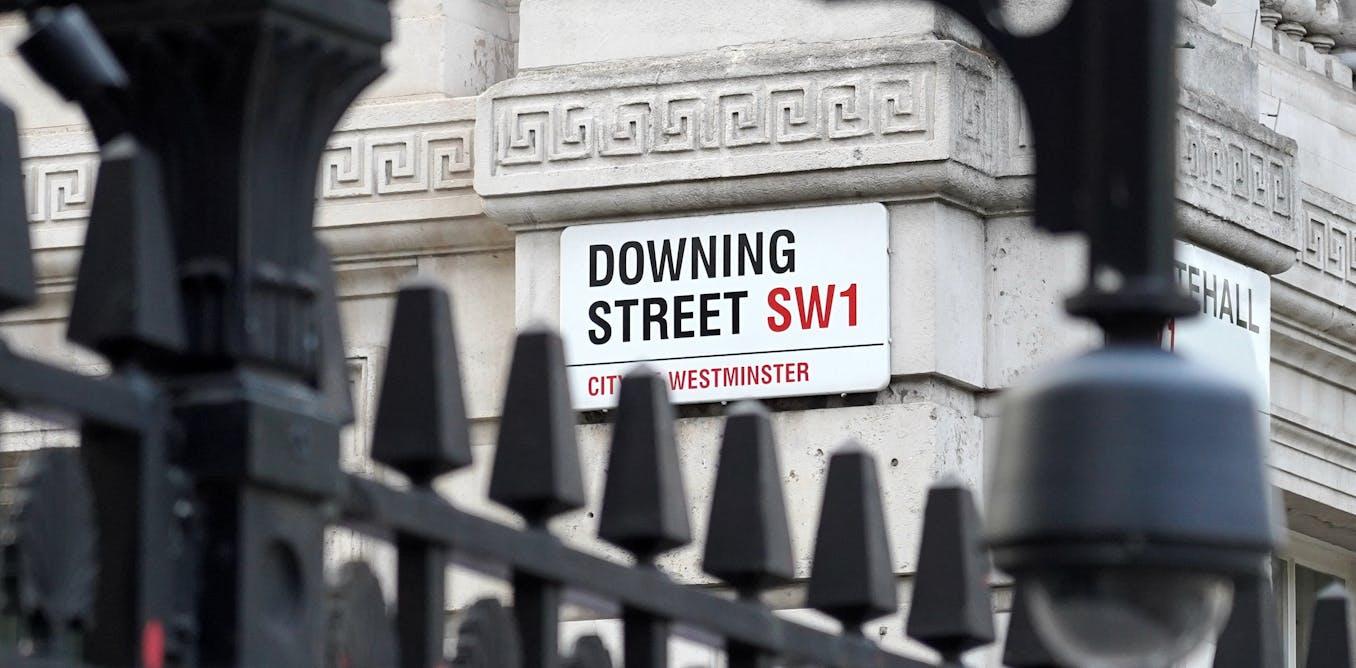
In the UK, prime ministers can change without general elections, as seen with leaders like Boris Johnson and Rishi Sunak, often through internal party maneuvers. This process is accepted by many due to psychological tendencies to justify hierarchy and authority, a phenomenon called social dominance orientation. Hierarchical institutions embed inequality as normal, making elite decision-making seem legitimate to voters, despite raising questions about true democratic representation. Reducing hierarchy acceptance requires meaningful cross-group interactions and cultural humility. Internalised classism further entrenches acceptance of unelected elites. Strengthening democracy demands greater accountability, reduced apathy, and public engagement to challenge elite rule.
Why unelected power brings us a strange comfort