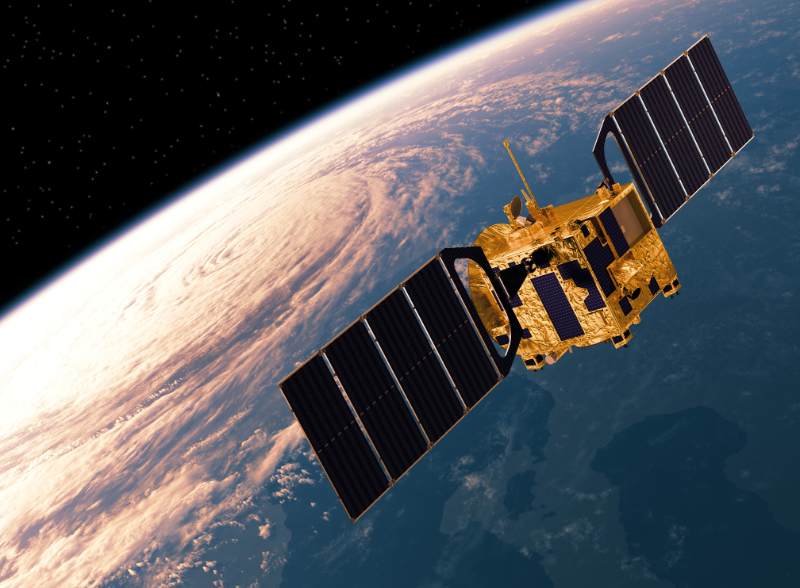
The Copernicus Open Access Hub provides access to data from Sentinel-1 (SAR), Sentinel-2 (optical), and Sentinel-3 (ocean and land monitoring) satellites. This data can be utilised for various applications including environmental monitoring, urban planning, and agriculture.
The data is used in other nations. For example, in March 2018 the Ministry of Science, Technology, Innovation and Communications of Brazil signed a cooperation agreement with the European Commission to access data from the Copernicus Sentinel satellites using high bandwidth connections from data hub to data hub.
Prerequisites:
• Capability to process EO data
• Procurement pathway
• Partner support as needed
• Data policy (open by default preferred)
• Cybersecurity, data protection, and continuity planning
Cost:
• Ballpark: USD 10k–100k/yr
• Includes: data storage, IT/cloud infrastructure, data analytics
Timeframe:
• Overall: 6–12 mo
• Phase: scoping & identification of relevant datasets (1–3 mo), technical integration & access setup (2–4 mo), training & operationalisation (3–6 mo)
Pros:
• Cost Effectiveness - Improves allocation of financial resources, maximizing impact while minimizing waste
• Leveraging Open Resources - Provides comprehensive coverage useful for monitoring large-scale phenomena like climate change
• Fomenting Development - Fosters innovation by providing resources without financial constraints
Considerations:
• Limited customization - free data may not always meet user needs in terms of resolution, frequency or type of data
• Dependency - Reliant on external providers
• Security - Not suitable for uses requiring high security standards
Additional Resources:
https://www.copernicus.eu/en/international-cooperation-area-data-exchange