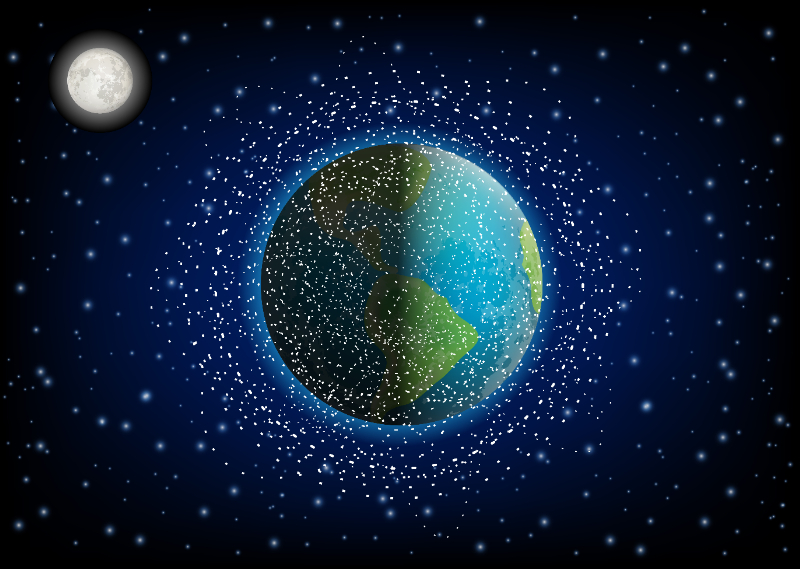
The United Nations Office for Outer Space Affairs (UNOOSA) published the Space Debris Mitigation Guidelines, a set of guidelines to foster a safe and sustainable use of Outer space. In alignment with these international efforts, Australia has incorporated its requirements into its national space legislation. Under the Space (Launches and Returns) Act 2018, entities applying for space activity licenses must demonstrate how they will manage and minimize debris generation.
Prerequisites:
• Institutional & political interest and support for utilising SSA, STM, and Space Weather data, technologies, and applications
• Understand national
policies and identify national policies that utilise SSA, STM, and Space Weather data, technologies, and applications
• Identify and build relationships with stakeholders involved in policy implementation
• Access to SSA, STM, and Space Weather data, data processing and analysis capabilities
Cost:
• Ballpark: USD 20k–250k
• Includes: literature review and baseline study, stakeholder consultations report drafting and validation,legal review, parliamentary passage/decrees if needed
Timeframe:
• Overall: 9–18 mo
• Phase: scoping & consultations (3–6 mo), legal drafting & review (6–9 mo), parliamentary or executive ratification (3–6 mo)
Pros:
• Standardization - Ensures adherence to international standards. Reputation - Enhances credibility and trust in the global community.
Considerations:
• Restrictive to Innovation - May restrict certain operations or designs potentially hindering innovation and nation's attractiveness
Additional Source: https://www.unoosa.org/pdf/publications/st_space_49E.pdf https://www.unoosa.org/oosa/en/ourwork/topics/space-debris/compendium.html