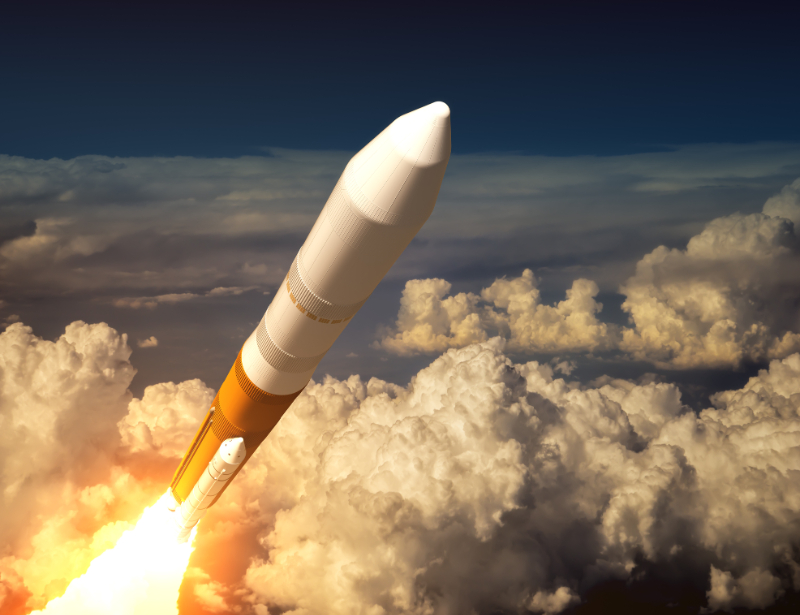
The UK is advancing its small satellite launch capabilities through innovative private sector initiatives, including the development of environmentally sustainable micro-launchers using bio-propane and 3D-printed engines. In 2025, the UK government took a significant equity stake in one such company able to deliver payloads up to 180kg into LEO to support the construction and launch of the first domestically manufactured orbital rocket. This approach reflects a broader strategy to strengthen national launch capacity while enabling private sector innovation, as outlined in the UK’s spaceflight programme, LaunchUK.
Prerequisites:
• Institutional & political interest and support for access to space
• Technical and engineering capabilities for operation of launchsite
• Ground infrastructure (engine test stands, labs, propellant facilities, AIT facilities, clean rooms, etc.)
• Suitable space for launches, ideally a coastal or desert location with clear range over uninhabited areas and testing and range facilities (or agreements to use partner facilities)
• Clear regulatory framework for launch licensing, safety, and liability
• Export-control compliance, insurance, and mission assurance processes
• Partnerships with experienced launch providers
• Cybersecurity, data protection, and continuity planning
Cost:
• Ballpark (operational micro launcher to LEO, ~30–300 kg class): USD 150M–500M + USD 10M–30M/yr (OPEX)
• Includes: end-to-end vehicle architecture and propulsion development, qualification of engines and stages, avionics/flight software and ground segment, pad construction or adaptation and propellant systems, mission control and range assets, supply-chain tooling and QA, regulatory certification and insurance, initial launch cadence build-up and operations
In the use case illustrated, the UK-based launch company secured approximately 160M USD (£129 million) by early 2025, including a 10M USD contribution from the UK government in 2024.
Timeframe:
• Overall 60–120 mo
• Phase: system design & trade studies (12–18 mo), infrastructure build & test capability (12–24 mo), full vehicle development & qualification (24–36 mo), licensing, first commercial missions & ramp-up (12–24 mo)
Pros:
• Environmental Sustainability - Use of bio-propane fuel reduces carbon emissions.
• Technological Innovation - Integration of 3D-printed engines and lightweight composite materials enhances performance and reduces manufacturing complexity.
• Strategic Location - Launch operations from Scotland provide access to polar and sun-synchronous orbits, beneficial for various satellite missions.
• Market Demand - Growing need for dedicated small satellite launch services presents commercial opportunities.
Considerations:
• Development Delays - Initial launch dates have been postponed, reflecting the challenges inherent in aerospace development.
• Financial Risk - High capital requirements and reliance on continued investment pose financial risks.
• Regulatory Hurdles - Navigating complex regulatory environments can lead to additional delays and costs.