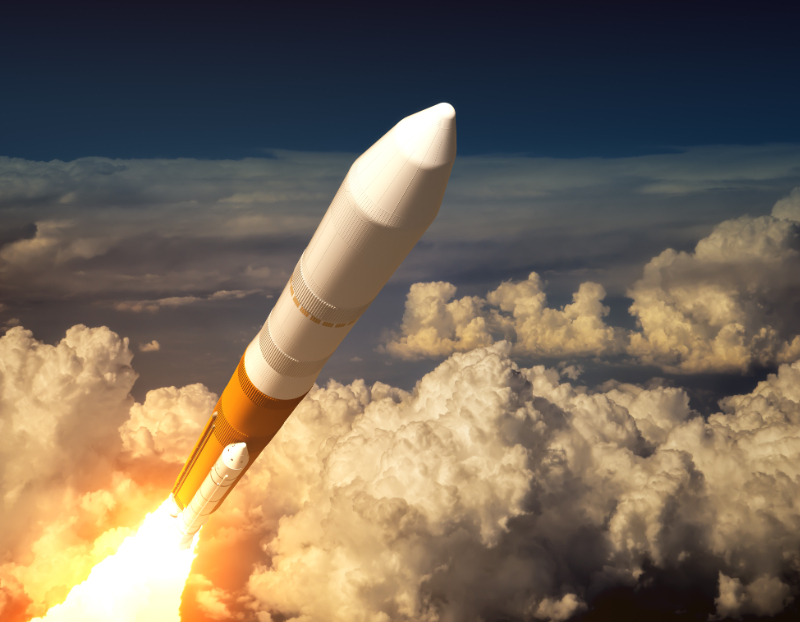
The UAE Space Agency (UAESA) signed an MoU with South Korea's Innospace for mutual space cooperation and conduct an on-site inspection of potential launch sites in the UAE. UAESA and Innospace aim to finalize the selection of the optimal launch site in the near future and commence the construction of a launch site. The facility will be equipped with necessary infrastructure for satellite launches, including a launch pad, launcher assembly facility, and a control centre.
Prerequisites:
• Institutional & political interest and support for access to space
• Technical and engineering capabilities for operation of launchsite
• Ground infrastructure (engine test stands, labs, propellant facilities, AIT facilities, clean rooms, etc.)
• Suitable space for launches, ideally a coastal or desert location with clear range over uninhabited areas and testing and range facilities (or agreements to use partner facilities)
• Clear regulatory framework for launch licensing, safety, and liability
• Export-control compliance, insurance, and mission assurance processes
• Partnerships with experienced launch providers
• Cybersecurity, data protection, and continuity planning
Cost:
• Ballpark: USD 10M–100M
• Includes: partnership agreements, joint R&D for small rocket systems, technology transfer, prototyping and testing of sounding rockets or small launchers, infrastructure adaptation, training of local engineers and staff
Timeframe:
• Overall: 36–72 mo
• Phases: scoping/partnership negotiation (6–12 mo), design/prototyping (12–18 mo), testing/integration (12–24 mo), demonstration launches (6–18 mo)
Pros:
• Launch Capability Development – Accelerates the development of indigenous launch capabilities, enhancing national autonomy in space access.
• Skill Enhancement – Promotes technology transfer and the development of specialized skills within the local workforce.
• Industrial Diversification – Drives economic diversification and industrial growth through space sector expansion.
• Geographical Advantage – Utilizes strategic geographic positioning to optimize launch performance and efficiency.
Considerations:
• Significant Financial Investment – Demands large-scale funding for infrastructure, technology development, and operational readiness, posing a barrier for new entrants.
• Regulatory and Safety Requirements – Involves strict compliance with national and international safety standards, regulatory approvals, and oversight mechanisms.
• Competitive Market Landscape – Faces intense competition from established and emerging players, requiring differentiation and sustained innovation.
• Dependence on Foreign Expertise – Relies on international technical know-how and partnerships, which may limit autonomy and introduce strategic vulnerabilities.