
Core areas of commitment:
UNICEF is a global leader in menstrual health and hygiene activities through development and humanitarian programmes across the world, and are committed to building programmes that increase confidence, knowledge, and skills, and improve access to materials and facilities for adolescent girls, women, transgender and non-binary individuals to manage their menstruation safely and with dignity. Their commitment focusses on the following core areas:
Their commitment to improving menstrual health and hygiene looks at 4 broad areas, covering investments, policy and innovation across each:
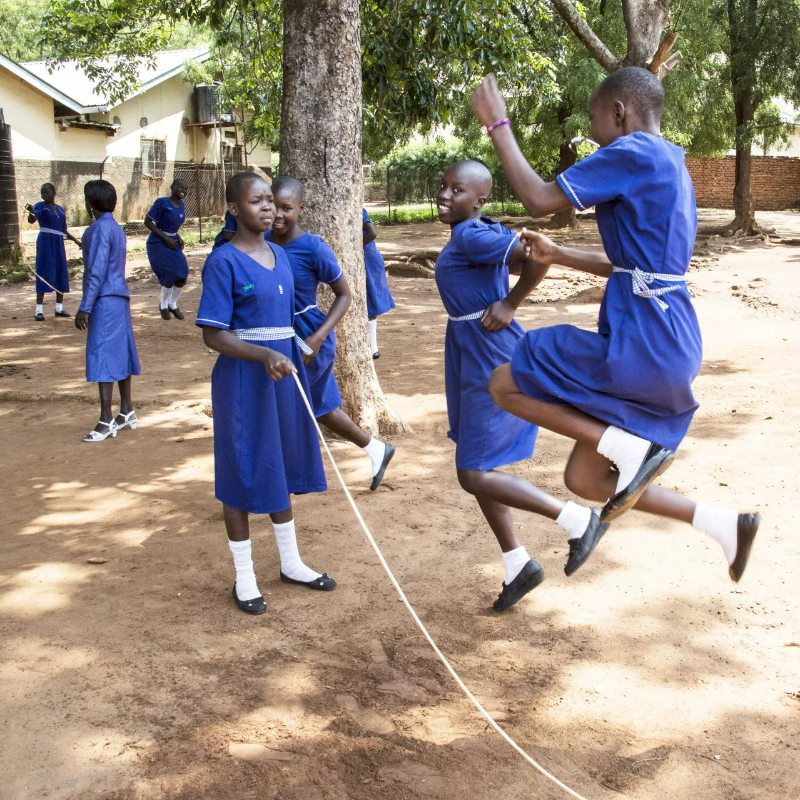
1.Increasing social support for menstruators globally: This includes ensuring that they can participate in activities during menstruation, such as school, work and social activities.
2.Increasing access to the necessary knowledge and skills to advance menstrual health outcomes: This includes the awareness of menstruation before menarche.
3.Providing access to facilities and services necessary for dignified menstrual health management: This includes access to a private place to wash and change while at home.
4.Providing access to absorbent materials and supportive supplies: This includes use of menstrual materials to capture and contain menstrual blood, such as sanitary pads, cloth, tampons, or cups.
Key impact areas and monitoring:
Between 2022-2025, UNICEF is targeting 40 million menstruators living across 90 countries globally through the above commitment. This includes the implementation of special efforts to reach and co-design solutions with girls with disabilities, girls from minority groups, and transgender and non-binary menstruators.
UNICEF will monitor this commitment through:
1.UNICEF's annual reports, which compiles inputs on standardized indicators from all country offices.
2.Donor reports for any specific partnerships that include MHH.
3.UNICEF also invests in strengthening monitoring of MHH at national and local level, by integrating global priority indicators into national monitoring systems, household surveys such as MICS and DHS.
4.UNICEF and WHO through the Joint Monitoring Programme (JMP) have also released data on MHH in their latest household and school reports.
UNICEF’s key performance indicators are:
1.Number of women and adolescent girls reached whose menstrual health and hygiene needs are addressed through UNICEF-supported programmes
2.All global priority indicators for Menstrual Health and Hygiene