
Network of Global Future Councils
Global Future Council on Healthy Soils and Land
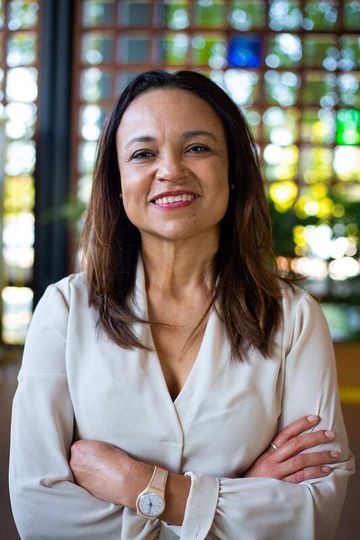
Andrea Meza Murillo
Deputy Executive Secretary, United Nations Convention to Combat Desertification (UNCCD)
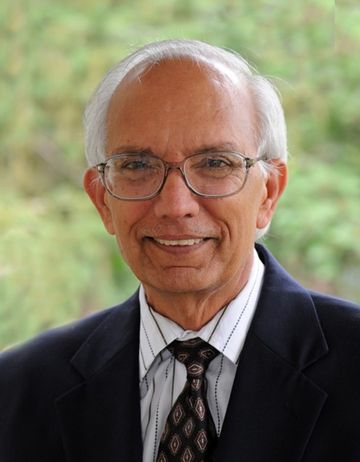
Rattan Lal
Professor of Soil Science, Ohio State University
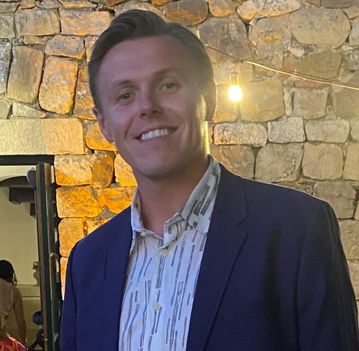
Jack Lloyd
Centre for Nature and Climate, World Economic Forum
The Hidden Economic Power of Healthy Soils
Healthy soils underpin food systems, water security, climate resilience, biodiversity and economic stability, yet their value remains largely invisible in business decision-making.
The Hidden Economic Power of Healthy Soils makes the business case for investing in soil health, demonstrating how healthy soils support productivity, strengthen supply chain resilience, reduce risk and create long-term value for businesses and investors.
Drawing on scientific evidence and real-world case studies from business, finance and agriculture, the report highlights practical pathways to embed soil stewardship into corporate strategy and investment.

How ecotourism helped transform this Barranquilla swamp

How ecotourism helped transform this Barranquilla swamp

From Jordan’s first botanic garden to a Korean forest reborn. Here are 4 world-class nature projects

People. Planet. Progress.

These young Ugandans are becoming urban farmers in impoverished areas

3 stunning examples of ‘bioregional architecture’

Here's how this small Mexican town revived its overfished coral reef

Blendhub: Building resilient and sustainable food supply chains through collaboration and innovation
Forum Insights on Soils

From Pledges to Practice: Lessons Learned from the Agriculture Sector Roadmap to 1.5°C

The Regenerative Blue Economy: Pathways to Prosperity
How ecotourism helped transform this Barranquilla swamp
How ecotourism helped transform this Barranquilla swamp

Food waste is a huge problem. Here's how new innovations can help prevent it
Frugal innovation: 3 principles to help improve food production
