Consultation workshop on regulatory future-readiness in the intelligent age
September, 2026
New York City, United States of America
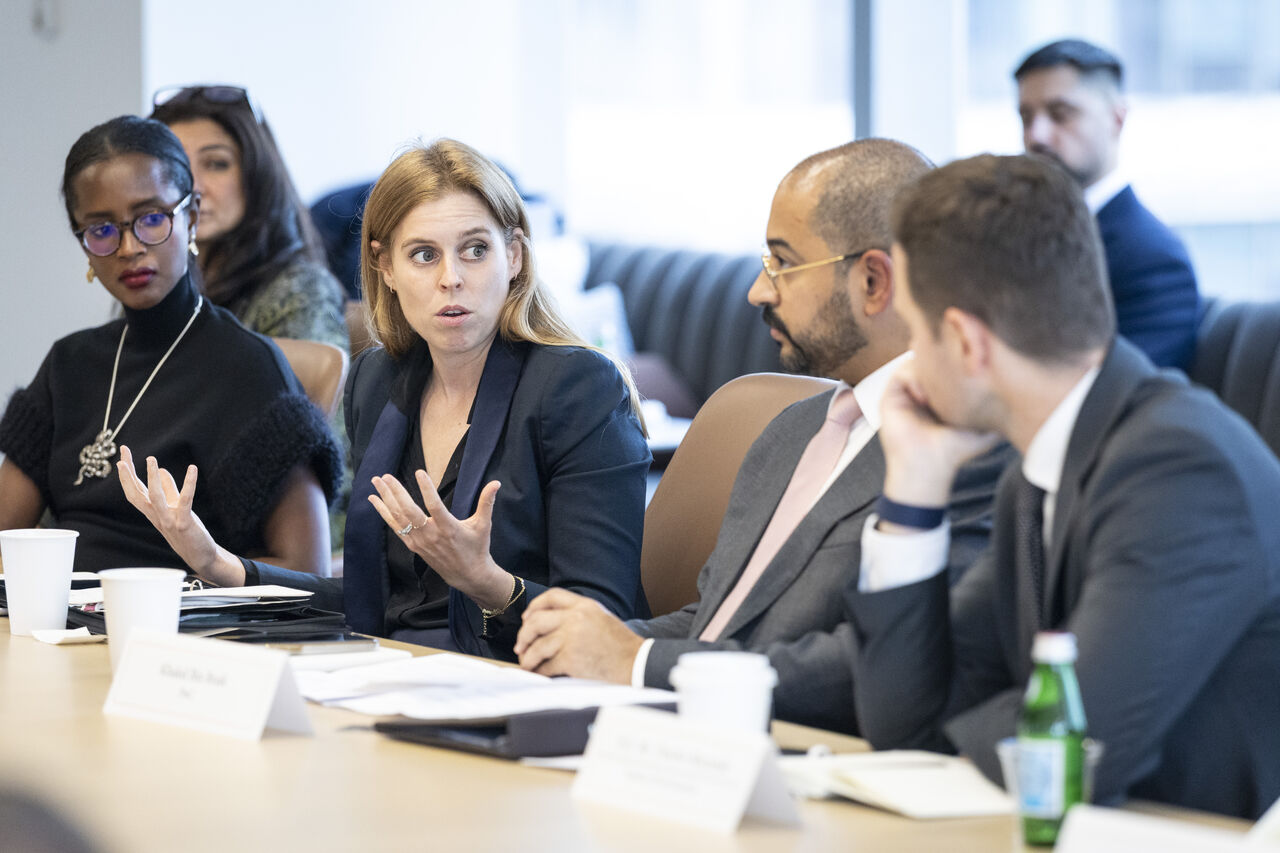
The Global Regulatory Innovation Platform (GRIP), in partnership with the General Secretariat of the Cabinet of the United Arab Emirates and PwC, convened a closed-door consultation workshop in New York during UNGA week. The session brought together leaders from government, industry, academia and civil society. It aimed to inform an upcoming regulatory future-readiness framework developed under GRIP.
The workshop began from a shared challenge. Technology scales quickly, markets and sectors are converging, and economic conditions are shifting faster than traditional regulatory cycles can respond. Governments therefore need to give companies the clarity and confidence to innovate and invest while keeping regulation responsible and adaptable.
GRIP: vision, ambition and progress. Kelly Ommundsen, Head of Regulatory Innovation, GovTech, and Digital Inclusion at the World Economic Forum, opened with GRIP’s vision and progress to date.
The UAE perspective. Saif Almehrzi, Manager of Special Projects at the General Secretariat of the Cabinet, reflected on the partnership with the Forum and the lessons learned so far.
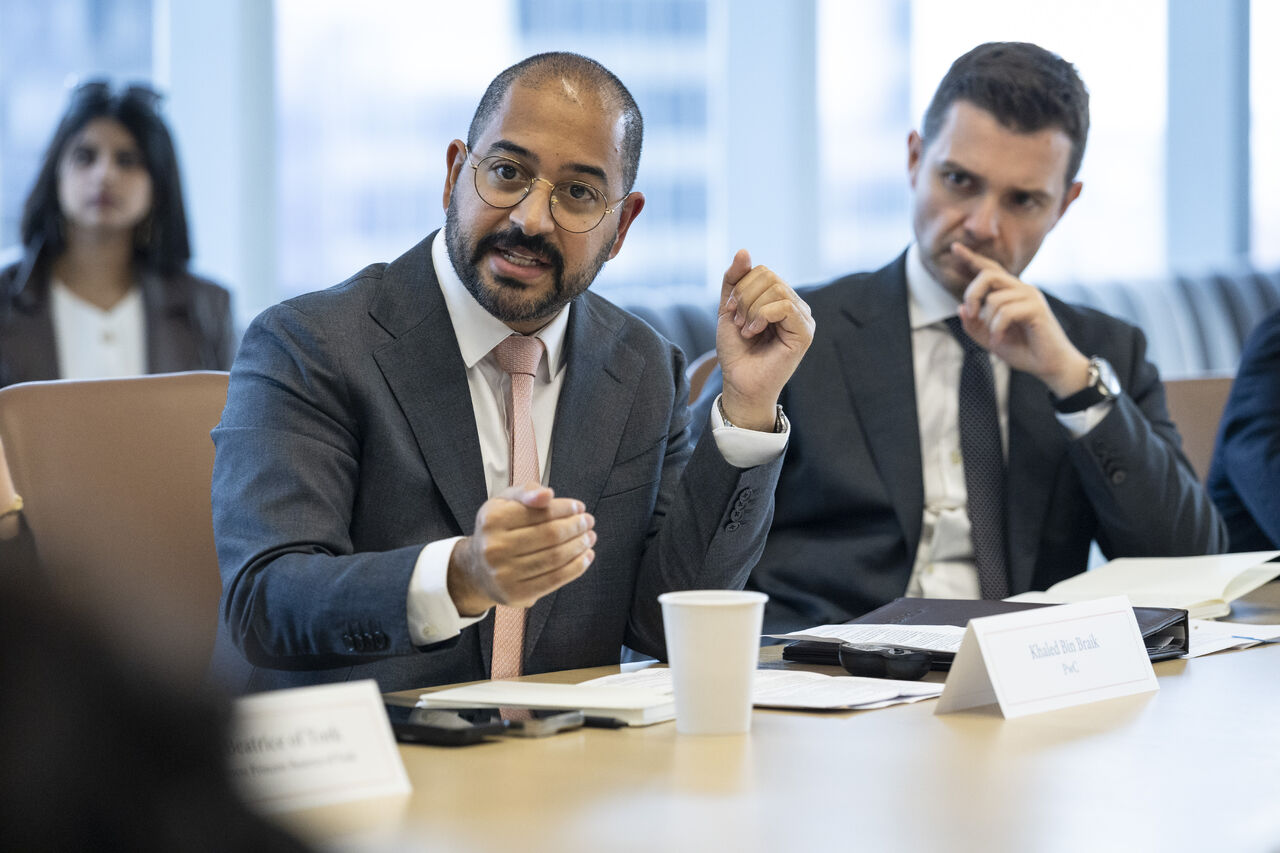
Shaping the framework. Khaled Bin Braik, UAE Country Senior Partner at PwC Middle East, presented the PwC/Strategy& partnership and project scope.
The framework is built around three questions:
- Define: what makes a regulatory system future-ready?
- Measure: how can readiness be assessed consistently across jurisdictions?
- Improve: how can jurisdictions strengthen their regulatory capability over time?
Participants reviewed six capabilities proposed as the core of the Index:
- Anticipatory intelligence
- Adaptive design
- Safe experimentation
- Real-time stewardship
- Network coordination
- Trust and legitimacy
They also reviewed the Index’s preliminary structure, which turns these capabilities into measurable dimensions and indicators.
Participants considered three questions:
- Where are regulatory systems struggling most to keep pace?
- What capabilities should distinguish a truly future-ready regulatory system?
- How can the framework balance a consistent global benchmark with different national priorities, regulatory models and contexts?



Global Regulatory Innovation Platform
A World Economic Forum Initiative