Our insights on responsible governance and integrity

Articles

Videos

Creating Certainty in an Uncertain World: The Evolving Role of Gatekeepers.

OECD Global Anti-corruption and Integrity Forum 2025

Powering the Future: Integrity to Drive Net Zero

World Economic Forum - Strategic Intelligence 2025

The Integrity Advantage: A Blueprint for SMEs

World Economic Forum - Strategic Intelligence 2024

Business integrity in real estate: Tackling illicit financial flows

World Built Environment Forum 2024

Navigating Compliance Amidst Global Uncertainty

World Economic Forum - Strategic Intelligence 2024

Being Honest about Governance

World Economic Forum - Annual Meeting 2024

Defending Transparency

World Economic Forum - Annual Meeting 2023

Investing Responsibly in Sustainable Governance 

World Economic Forum - Annual Meeting 2022

The Role of Anti-Corruption Amid the ESG Revolution

International Anti-Corruption Conference (IACC) 2022

What’s Next for Tech for Integrity: Emerging Opportunities, Persisting Challenges & Potential Risks

International Anti-Corruption Conference (IACC) 2022

Uniting Gatekeepers Against Illicit Financial Flows – A Framework for Action

UN Special session of the General Assembly against corruption 2021

In Good Governance We Trust 

World Economic Forum - Sustainable Development Impact Summit 2021

Corruption and Democracy

World Economic Forum - Annual Meeting 2020

Publications

Investing in Integrity in an Increasingly Complex World: The Role of Anti-Corruption amid the ESG Revolution

June 2022

Defining the ‘G’ in ESG: Governance Factors at the Heart of Sustainable Business

June 2022

The Role and Responsibilities of Gatekeepers in the Fight against Illicit Financial Flows: A Unifying Framework

June 2021

Podcasts

Transformation maps

Transformation Maps are the World Economic Forum’s dynamic knowledge tool  driven by an intelligent system that lets users explore and make sense of complex and interlinked forces that are transforming economies, industries and global issues. The map below present insights on governance topics written by experts.

Learn more 

Kleptocracy is a system where political elites exploit their power to siphon public wealth, aided by a network of banks, lawyers, lobbyists, and other professionals. In the UK, these enablers facilitate the extraction and legitimization of wealth from post-Soviet countries, creating structures that sustain kleptocratic regimes. The study from "Indulging Kleptocracy" reveals how British professionals exploit loopholes, accept donations from kleptocrats, and engage in actions that shield these elites from accountability. To combat this, strategies such as labeling kleptocratic enterprises as organized crime and increasing transparency are recommended.
How banks, lawyers and lobbyists in the west help post-Communist kleptocrats stay rich

Conflict across Africa is anticipated to escalate in 2025, characterized by persistent violence and challenges to established regimes. Despite high conflict levels, Africa's violence currently remains lower than that of the Middle East and Latin America. Key factors sustaining conflict in Africa include abundant opportunities for violence, increasing incentives for conflict engagement, and ineffective mitigation efforts. While the number of organized rebel groups has decreased due to inclusive governance, the prevalence of community militias has risen, exposing a larger portion of the population to political violence. Understanding these dynamics is crucial for addressing future conflict trends.
Africa
African Conflict in 2025
Austin Federa, head of strategy at the Solana Foundation, faced mortgage difficulties with HSBC due to his crypto job, highlighting broader challenges in the cryptocurrency industry with securing banking services. Many crypto firms report being denied accounts or facing sudden closures, complicating their operations. Allegations of Operation Chokepoint 2.0 emerged, suggesting government agencies pressured banks to cut ties with crypto businesses, particularly during the Biden administration. Congressional hearings are examining these claims, while regulators assert they do not officially discourage banks from servicing crypto entities despite warnings about potential risks.
Financial services
Chokepoint 2.0: An Investigation Promises the Truth About Crypto's Biggest Conspiracy
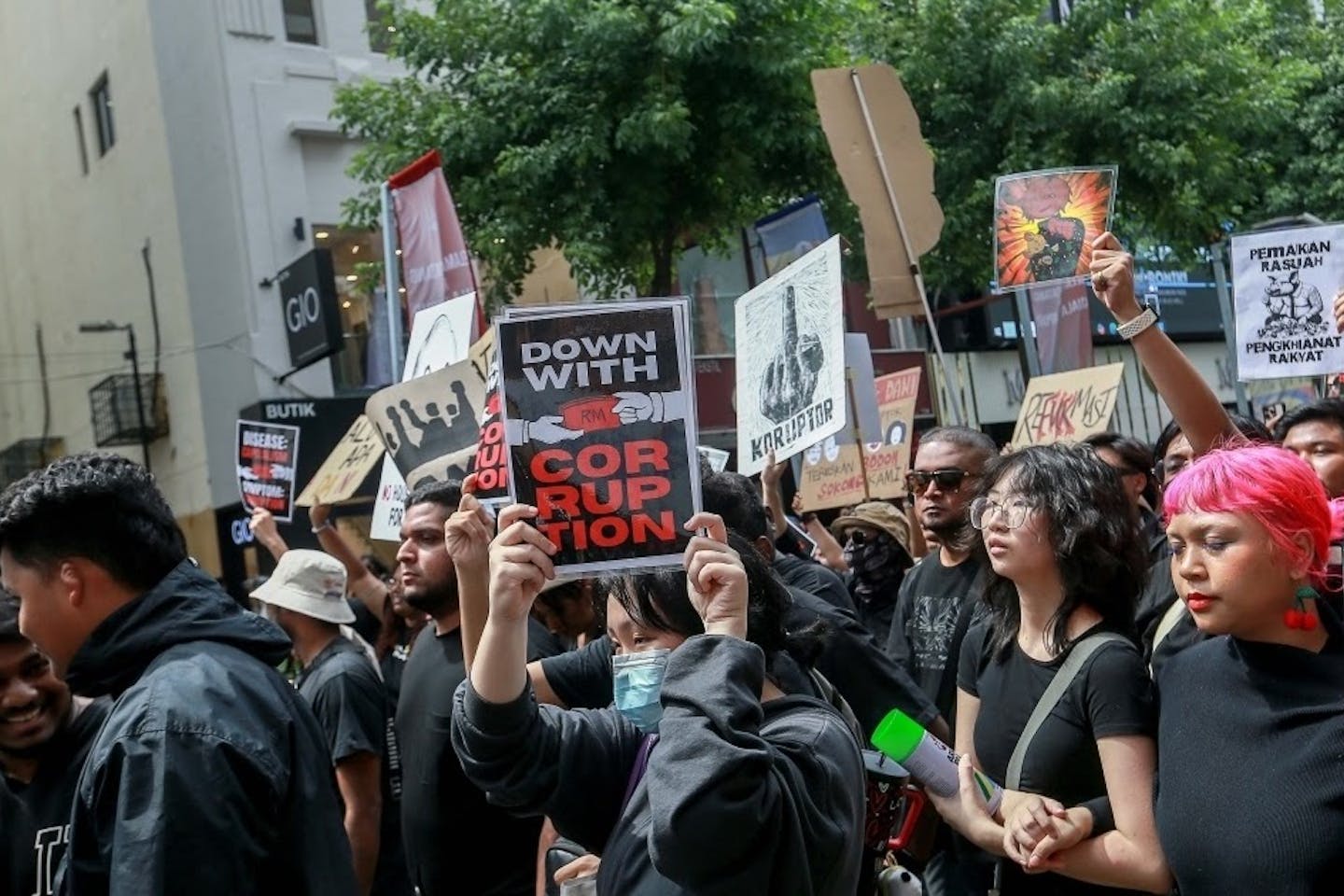
In 2024, Asean's top companies show decreased anti-corruption disclosures, shifting focus to climate issues. Thailand leads, with Malaysia and Singapore following. Overall, disclosure scores dropped, with the most significant decline in the reporting and monitoring dimension. Key challenges include lack of external anti-corruption policies and weak disclosures on monitoring programs. Strengthening governance disclosures is crucial for transparency and accountability in light of increasing ESG investor focus. Singapore and Malaysia have legal frameworks against corruption, while recent cases in Malaysia and Singapore highlight ongoing challenges.
Angola, Cambodia, Eswatini, Indonesia, Kuwait, Malaysia, Malta, Philippines, Qatar, Singapore, Thailand
Anti-corruption disclosures slip in 2024 as Asean firms prioritise climate: study
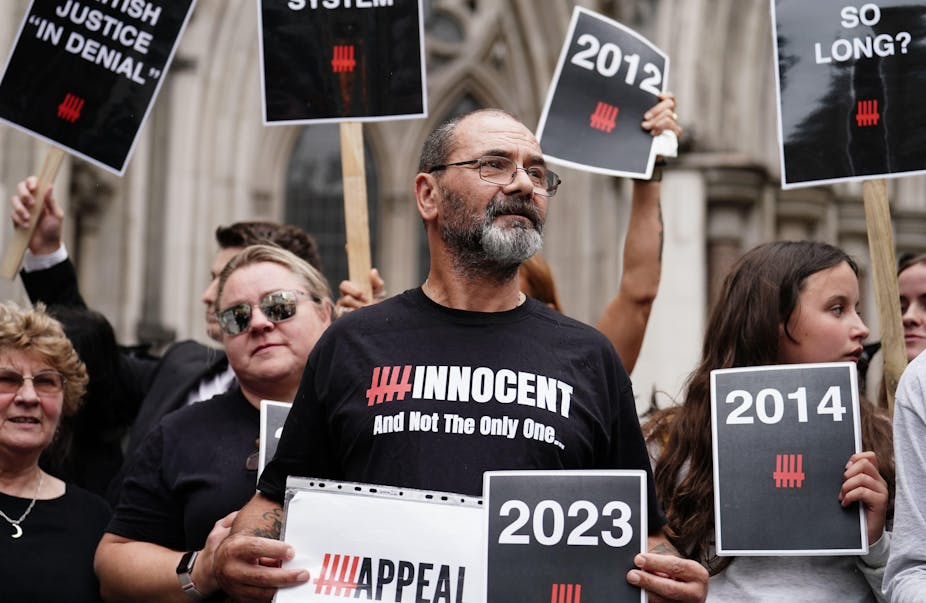
The Criminal Cases Review Commission (CCRC), the body responsible for investigating miscarriages of justice in England, Wales, and Northern Ireland, is facing criticism and calls for reform. The recent case of Andrew Malkinson, who was wrongly convicted of rape and only cleared after 17 years in prison due to the efforts of his own lawyers, highlights the failures of the CCRC. Critics argue that the commission is no longer fit for purpose and should be dissolved. The CCRC, established in 1997, was praised for some successful investigations but has faced growing demands and is seen as underfunded and subservient to the Court of Appeal.
The miscarriage of justice watchdog is failing at its only job – here’s how to fix it
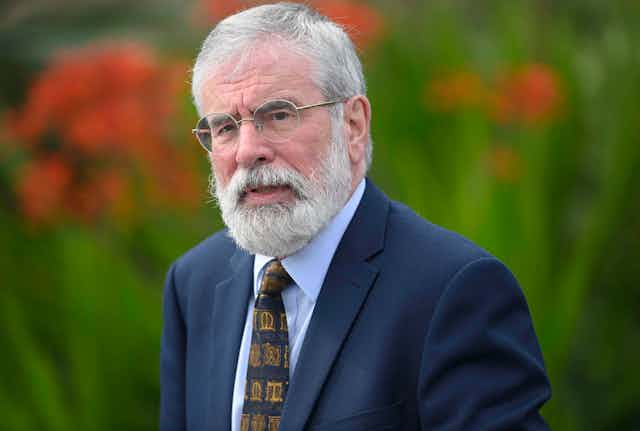
The controversy surrounding compensation for Gerry Adams does not contribute to achieving truth and justice for victims of the Troubles. The popular Netflix series "Say Nothing" raises questions about Adams' role in the IRA, while a report by the thinktank Policy Exchange suggests that Adams and others may be entitled to compensation for their detention during the Troubles. However, the Northern Ireland Troubles and Reconciliation Act, backed by the Boris Johnson government, grants an amnesty to all parties involved in the conflict, closing down investigations and inquests. The Labour government aims to repeal and replace this act but plans to retain the Independent Commission for Reconciliation and Information Recovery (ICRIR), which lacks the trust of victims and survivors. The current situation raises concerns about access to information recovery and investigations.
Controversy over compensation for Gerry Adams does nothing to deliver truth and justice to Troubles victims
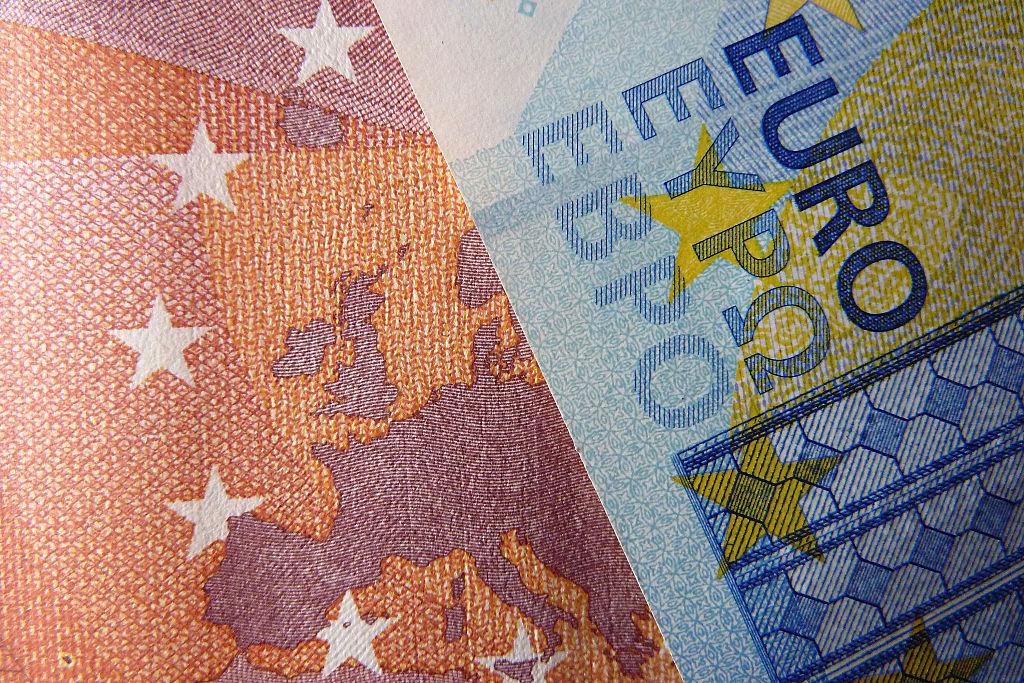
Political risk is a major factor in determining bond yields and economic growth in both developed and emerging markets. A study has found that political risk can threaten a country's debt sustainability. Changes in political risk ratings and volatility can make debt unsustainable, but reforms can restore sustainability. The impact of political risk on debt is particularly significant for high-debt countries during periods of high interest rates. Debt management is also influenced by political risk, affecting the choice of optimal financing maturities.
Financial services
Are bad governments a threat to sovereign defaults? The effects of political risk on debt sustainability

Global cooperation is essential in navigating challenging economic times. Poverty, desperation, and inequality affect all countries and respecting borders. Collaboration at regional and global levels is crucial for the stability and prosperity of nations. Developing economies benefit higher-income countries by creating expanded markets. Cooperation leads to economic integration, stability, and reduced migration. Nations must come together to repair the leaks in the global economic ship. Ignoring the challenges faced by emerging market and development economies (EMDEs) is not an option. Global governance must adjust to tackle challenges and global institutions like the World Trade Organization and the International Monetary Fund must adapt. Nations must take responsibility for their own growth, improve competitiveness, and strengthen governance. This requires new partnerships and forums for trust-building.
Bahrain, Ethiopia, Mozambique, Oman, Saudi Arabia, United Arab Emirates | Financial services
Why global cooperation is key to navigating stormy economic waters

Tulip Siddiq, the anti-corruption minister, has resigned amidst a corruption scandal, despite no evidence of wrongdoing. Investigations by Bangladesh's Anti-Corruption Commission revealed questions around properties allegedly given to Siddiq by people connected to the country's former prime minister. Siddiq also faced scrutiny for attending an event linked to alleged embezzlement of £3.9 billion. An independent advisor found no misconduct, but Siddiq's lack of awareness of potential reputational risks from family ties was criticised. Though the criminal case filed against Siddiq is unrelated to UK ministerial code, perceptions of conflicts of interest prompted her resignation. The incident raises questions about Labour's handling of the situation.
Bangladesh
Tulip Siddiq resigns: there’s no evidence she broke any rules, but here’s why she had to go anyway
The cybersecurity landscape in the digital age is witnessing an increase in cyber threats, leading to the need for robust cybersecurity measures and significant investments. Recent cyberattacks, such as those on MGM Resorts and Industrial and Commercial Bank of China (ICBC), highlight the vulnerability of critical infrastructures and financial institutions. The cybersecurity sector is characterized by pure cybersecurity companies, IT companies with dedicated branches, and end-users. The market demand for cybersecurity solutions is growing, with the cybersecurity market estimated to reach USD 376.55 billion by 2029. Public-private partnerships play a crucial role in funding and addressing the funding challenges in the cybersecurity sector.
Financial services
Cybersecurity in a World in Crisis: Funding Challenges, Investment Opportunities, and Sustainability Determinants
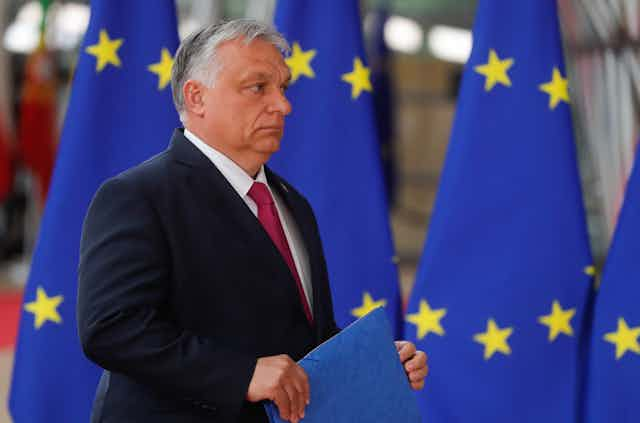
The European Commission has withdrawn €1.04 billion in aid from Hungary due to the country's ongoing political struggle with the EU. This decision has broader economic and geopolitical implications. Hungary's Prime Minister, Viktor Orbán, has consistently disregarded EU standards and democratic principles. The EU's cohesion policy allocates significant funding to poorer countries, which gives power to the European Commission. Orbán has been protected for some time by his affiliation with the European People's Party (EPP), but after going too far in his repressive measures, he lost support. The EU introduced the rule of law conditionality mechanism in 2020 to suspend or withdraw funds from member states with concerns regarding democracy. Hungary had over €30 billion frozen, some of which has been unfrozen in December 2023. However, €20 billion remains withheld. Despite this technical issue of fund withdrawal, it signals a changing approach by the EU towards authoritarians. It remains to be seen whether the EU can maintain its rigorous approach or succumb to pressure from populist governments. Orbán has reacted angrily and threatened to use his national veto more aggressively, but Hungary's economic fragility may limit his actions. Opposition to Orbán is growing within Hungary.
Hungary
Why has the EU stripped Hungary of €1 billion? The latest confrontation explained

Italy's rightwing government, led by Prime Minister Giorgia Meloni, is weakening the country's anti-mafia laws. Restrictive media reforms make it harder to report on mafia activities, while the abolition of the crime "abuse of office" allows public officials to engage in corruption and nepotism. The government is also limiting the use of wiretapping, a crucial tool in the fight against the mafia, and cutting support for state witnesses. These actions undermine efforts to combat organised crime and pose a danger to Italy's society.
Italy
Giorgia Meloni’s government is watering down Italy’s anti-mafia laws – four dangerous examples

The Horizon scandal has damaged the public's perception of the UK Post Office, which is now facing further branch closures. The closure of post offices contributes to a growing sense of anachronism and a false sense of inevitability about the loss of physical public services. The loss of these services is seen as a political choice driven by the refusal to invest in well-funded, publicly owned institutions. The closure of post offices also reflects the increasing technologization of social life, which is seen as contributing to the demise of traditional physical interactions with state infrastructures.
The Post Office: an emblem of the UK’s relationship with the state, sliding into dystopia

Trust in British institutions, including parliaments, political parties, and politicians, has declined in the past 20 years. This decline began in 2016, coinciding with the year of Brexit. In contrast, trust in fellow citizens has experienced fluctuations but overall remains healthier than trust in institutions. Trust in others is an important measure of social capital, which is crucial for fostering cooperation to solve social and economic problems. Trust promotes prosperity as it encourages volunteering and reduces the costs of doing business. The UK government can invest in voluntary organizations and increase transparency to encourage social capital and help restore economic growth.
Financial services
Could trusting each other more unlock economic growth?

Chelsea player Mykhailo Mudryk has tested positive for a banned substance in a routine drug test. It is believed that the substance in question is meldonium, a drug that became prohibited by the World Anti-Doping Agency (WADA) in 2016. Meldonium is used clinically to treat heart problems and is classified as a "metabolic modulator," speeding up or slowing down certain enzymes in the body. It has been shown to have performance-enhancing effects, such as reducing fatigue and improving recovery rates after exercise. It is not licensed for use in the UK, US, or Europe but is available in Russia and Latvia, where it was developed. Contamination from food or supplements is unlikely to be the cause of a positive test for meldonium.
Ukraine
Meldonium: the drug allegedly found in Mykhailo Mudryk’s doping test explained

The Romanian constitutional court has annulled the country's presidential election due to evidence of voting manipulation, illegal campaign financing, cyber-attacks, and suspected Russian interference. The annulment resulted in nearly 48,000 votes being invalidated. The investigation revealed that TikTok accounts and influencers were used to promote the far-right independent candidate Călin Georgescu. TikTok has been called upon by the European Commission to safeguard electoral data and address information manipulation. Romania was also targeted by over 85,000 cyber-attacks, believed to be state-sponsored, which disrupted the electoral process. The decision to annul the election has sparked controversy.
Romania
Why Romania’s election was annulled – and what happens next?
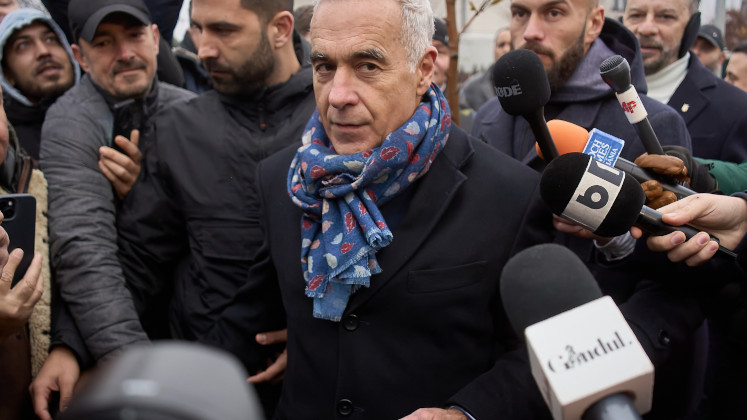
Romania's constitutional court's annulment of the first round of the presidential election has raised concerns about the country's electoral process. The decision came after a far-right candidate, Călin Georgescu, saw a sudden rise in popularity due to an orchestrated social media campaign. The election's annulment, which occurred days before the polling stations were set to open, highlights failures in ensuring electoral integrity and security. Furthermore, the inability of Romanian authorities to address disinformation and the rise of far-right discourse contributed to Georgescu's success. The annulment of the election raises questions about the timing and capacity of the country's public authorities to protect the electoral process.
Romania
The annulment of Romania’s presidential election reflects both foreign meddling and domestic failures

Adopting international standards, leveraging digital platforms, and strengthening oversight are key to boosting government transparency and fighting corruption. Improved transparency enhances accountability, reduces corruption, and supports Sustainable Development Goals. Governments should follow international standards to ensure consistent and transparent financial reporting. They should also make financial data digitally accessible through platforms like portals and apps to empower the public and foster greater engagement. Strengthening oversight mechanisms is essential to prevent corrupt practices and prioritize the public's best interests. Transparency in the use of public funds is crucial for building trust, achieving the SDGs, and promoting good governance.
Philippines | Financial services
Three Ways to Boost Government Transparency and Fight Corruption

Ukraine's progress in renewable energy amidst war and instability highlights the importance of clean and resilient energy systems. To mitigate corruption risks in the sector, transparency, technology, and collective action are crucial. Ukraine has taken significant steps to strengthen governance and operations, including implementing anti-corruption safeguards and tracking foreign assistance. The country has the potential to become a green energy hub for Europe, with the capacity to produce seven times more solar and wind power than the continent's current demand. Companies in the renewable energy sector need to prioritize transparency, leverage technology and AI for corruption detection, and engage in collective action to combat corruption and ensure the long-term benefits of renewables.
Ukraine
Keeping renewables clean: the lessons to be learnt from Ukraine’s green energy transition
Mexican think tanks face a challenging political context marked by post-truth, populism, and polarization, which hampers their influence and the use of evidence-based policymaking. Distrust from government actors, funding instability, and reduced civic space contribute to their growing fragility. Despite these obstacles, 83% of think tanks foresee continued political challenges, with funding often reliant on single donors or international agencies. Nonetheless, think tanks remain resilient and actively engage in policy-making through both formal and informal channels, striving to impact decisions even as their research agendas increasingly depend on donor priorities.
Africa, Latin America | Health
Mexico | Between fragility and adaptability

PACI Community

A World Economic Forum Initiative