Knowledge hub
Dive into our latest reports, case studies, and blogs to learn more about the trends shaping climate resilience.
Adaptation through Water: Scaling Private Sector Finance for Climate Adaptation in Southeast Asia
May 2026 I In Southeast Asia, where climate risks are deeply intertwined with water systems, strengthening resilience through adaptation is increasingly urgent to safeguard communities, ecosystems and support long-term growth and development. This report explores how the private sector can accelerate participation and financing for Adaptation through Water (AtW).
The Resilience Opportunity: Unlocking Climate Resilience through Public-Private Collaboration
November 2025 I As climate risks intensify, the pressure to protect people, infrastructure and economies is mounting. With an estimated investment need of $300–500 billion per year to deliver the necessary infrastructure to strengthen resilience, public funding alone cannot meet the scale of demand, making private engagement essential.
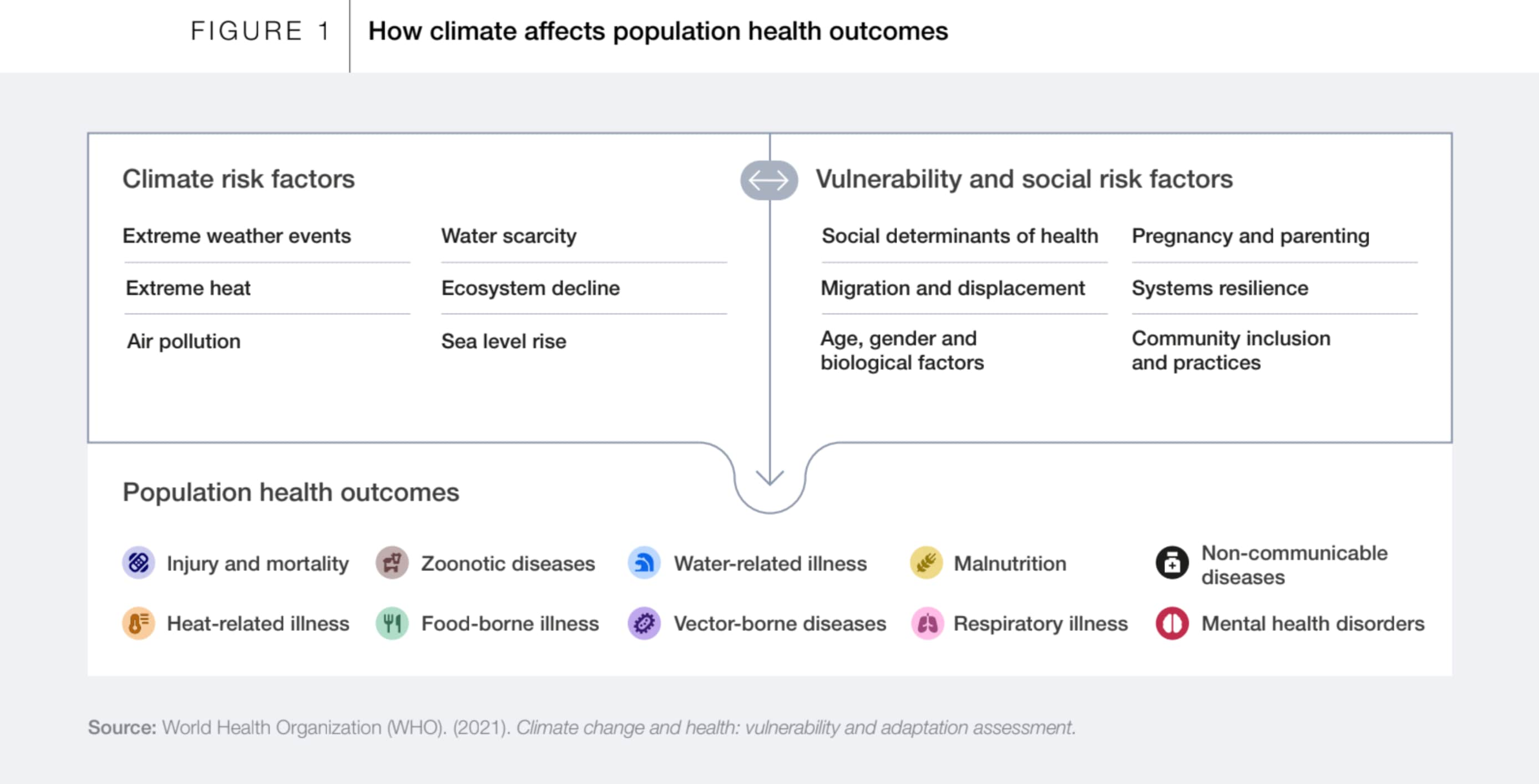
Building Economic Resilience to the Health Impacts of Climate Change
September 2025 I Climate change is increasingly felt through its impacts on human health, with rising costs to industry, governments and communities. The global impact of climate health effects across the food and agriculture, built environment, and health and healthcare sectors could amount to at least $1.5 trillion in lost productivity by 2050. To protect their workforces, operations and growth, businesses need to make human health a pillar of resilience.
Insuring Against Extreme Heat: Navigating Risks in a Warming World
January 2025 I Extreme heat is the deadliest climate risk, responsible for 489,000 deaths annually – more than floods, hurricanes, earthquakes and wildfires combined. It is also rapidly becoming the costliest climate risk, projected to result in $2.4 trillion in annual productivity losses and $445 billion in annual fixed-asset losses for publicly listed companies by 2035.







Read more insights
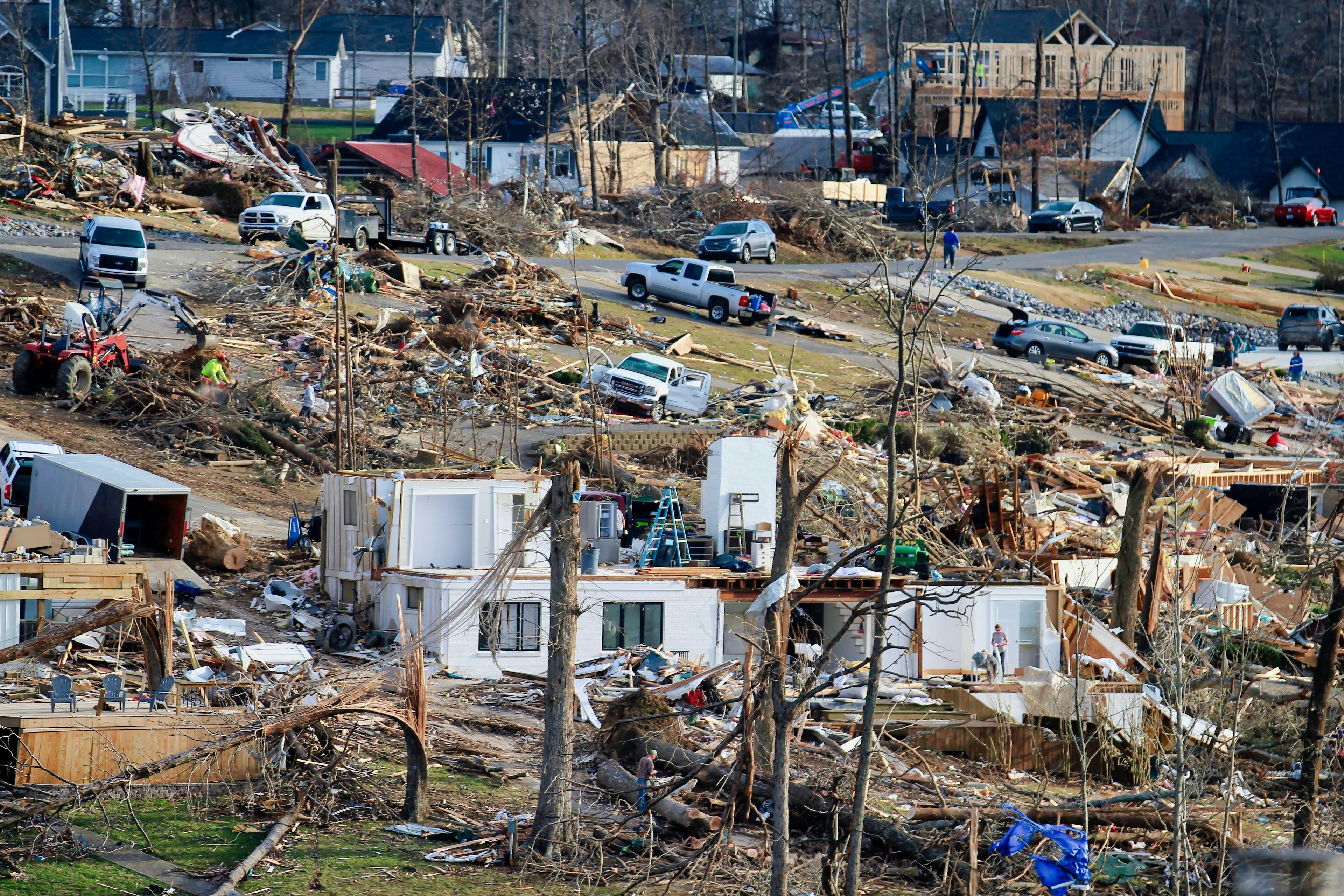
Rethinking climate risk and insurance can help boards boost company value and resilience
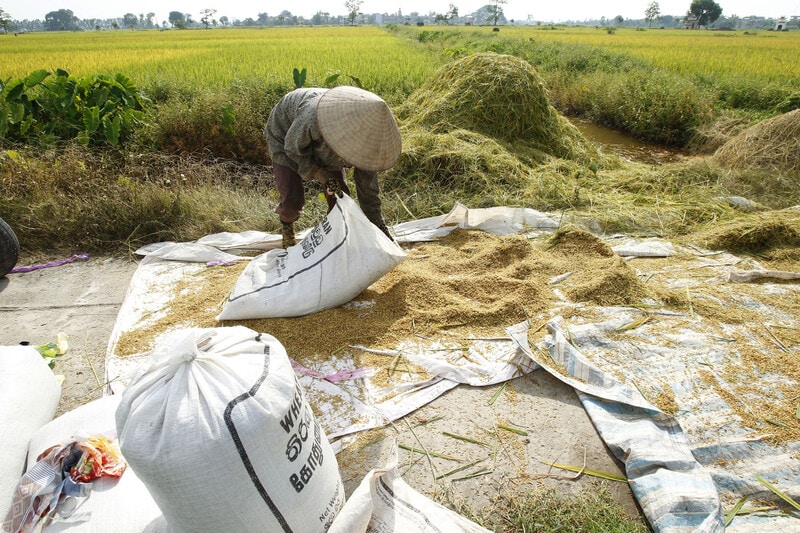
5 things business leaders need to know about climate resilience
Catalysing Business Engagement in Early Warning Systems

Why workforce health should be at the core of every business strategy
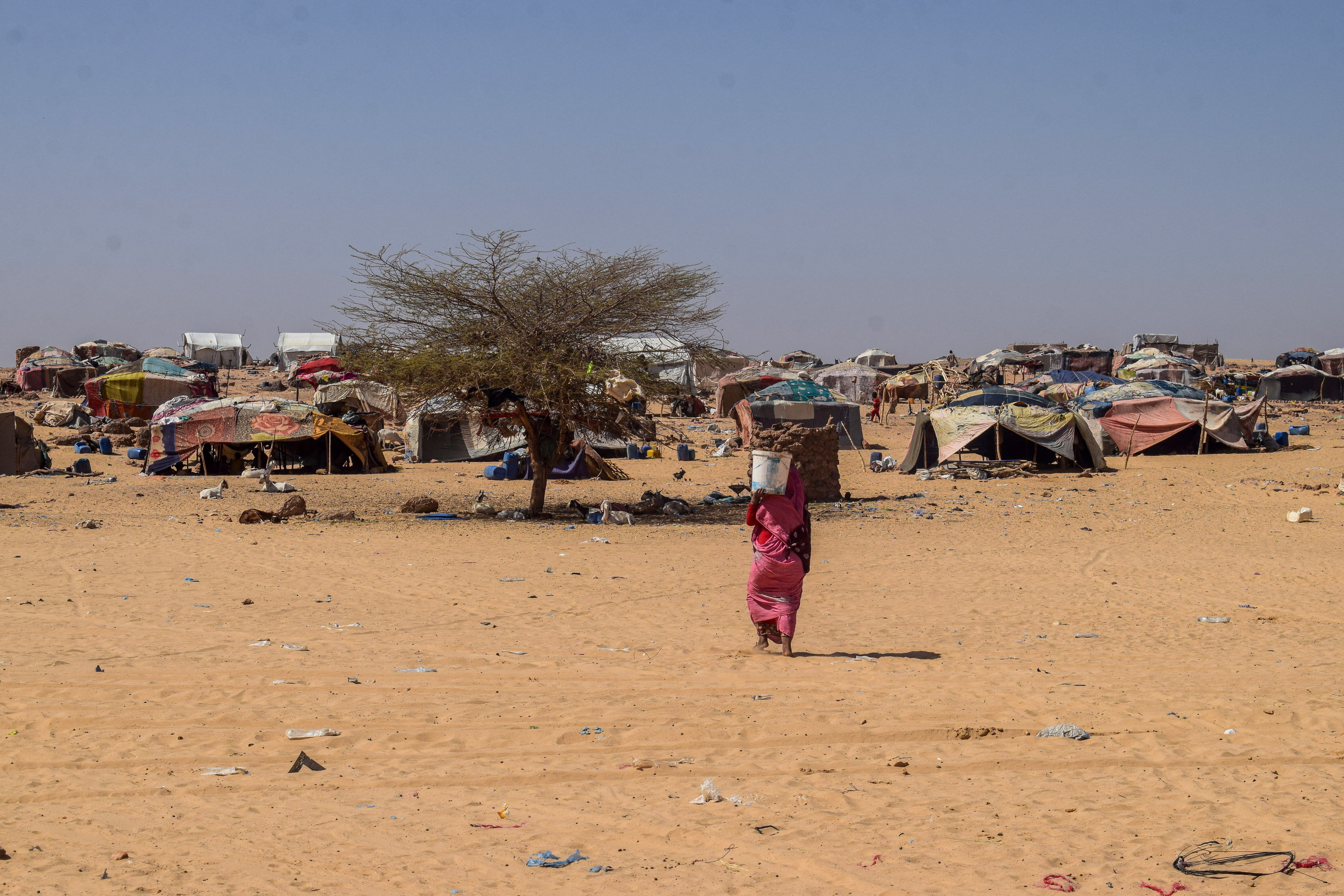
Why we need to start talking about the relationship between climate change and security

What we can learn about building a resilient energy grid from the Iberian power outage