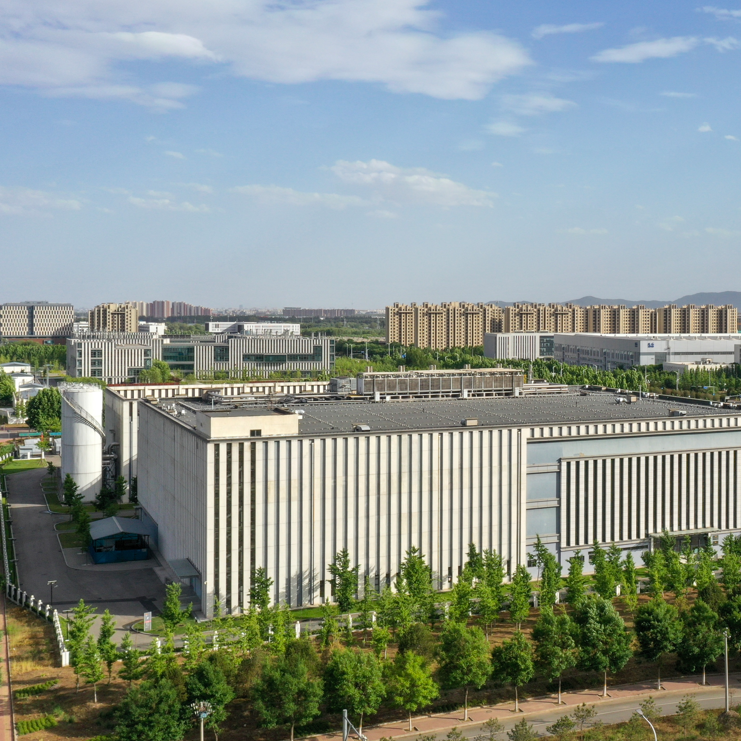
Solution: Assess extreme weather risk across a data center portfolio in terms of business interruption as well as physical damage, so that place-based dependencies beyond the facility boundary shape site selection and construction criteria rather than only qualifying decisions already taken.
Key challenge: A data center can be engineered to the highest standard and still be disabled by conditions beyond its boundary - grid power, water for cooling, transport access and network connectivity - and where disruption originates off-site a standard physical damage assessment may register no loss at all, even though business interruption losses can far exceed the cost of repairs.
Context: Data centers operate under a single critical constraint: uninterrupted service. Assessing physical damage to the facility captures only part of the risk. As data center construction expands to meet growing digital demand, and given the scale of investment, complexity and multi-decade operational horizons involved, there is an opportunity to build place-based assessment into site selection as well as into business interruption analysis. This is set against a wider gap: business interruption assessment is still not systematic across businesses generally. Marsh's 2025 Adaptation Survey found that 74% of businesses had experienced physical asset losses or disruption from extreme weather, yet only 45% assess future extreme weather impacts on critical infrastructure dependencies. The setting is peri-urban commercial data center development in the United States.
Solution in practice: A technology company with a portfolio of more than USD 100 billion in the United States engaged an advisory firm to assess extreme weather risk across its global assets, with particular focus on data centers, both for climate reporting and to inform future investment decisions. The findings identified flooding as the principal driver of increased value at risk. The analysis informed mitigation priorities across the existing estate and, more significantly, set construction criteria for future facilities. The value of the approach lies in its timing: running business interruption assessment at the site selection stage means place-based conditions can still shape the construction decision, rather than simply qualifying a decision already made.
Impact / outcome: Flooding identified as the main driver of value at risk; findings set construction criteria for future facilities.
Next steps: The playbook sets out three areas where innovation is required. Monitoring that keeps pace with conditions: risk monitoring needs to become more dynamic, with early signs emerging from a range of start-ups - one uses existing footage from dashcams, CCTV and drones to build a continuously updated view of roads, drainage and utility conditions, while Plain Site, another early-stage example, seeks to embed nature-based flood interventions such as sustainable drainage into the property insurance process, with adaptation plans reflected in the quote. Tools that non-specialists can use: decision tools are needed that translate technical outputs into practical actions for non-technical users such as SMEs, requiring collaboration with local governments and civil society organizations that can provide open access tools most relevant to specific geographies - one example is a platform providing transparent municipal and government data on place-based resilience, currently in pilot with a place-based risk data provider and the Urban Land Institute, alongside government-led initiatives such as FEMA's Resilience Analysis and Planning Tool. Making non-damage losses visible: current frameworks focus on physical damage and business interruption, but the wider economic impact often runs deeper and goes uninsured - research on the 2021 Belgium floods found that while 3,000 firms were directly damaged, around 11,000 upstream buyers suffered persistent sales declines lasting up to three quarters, losses that never appeared in an insurance claim. Developing tools that model supply chain dependencies, linear asset disruption (for example sewage pipes, electricity grids) and financing cost impacts alongside physical risk is essential to make the full business case for place-based resilience visible.
Organizations involved:
Authoring: World Economic Forum; Marsh
Implementation partners: Property value chain stakeholders; Data Providers; Insurers; Infrastructure Owners & Operators.