
A new trade agreement between India and the UK aims to eliminate tariffs on nearly 99% of Indian goods, particularly benefiting the garment sector. While this presents opportunities for employment growth, it raises concerns about the quality and conditions of such jobs. The garment industry is known for low wages, job insecurity, and gender and caste-based exploitation. Although the deal includes commitments to eliminate forced labor and discrimination, these are non-binding, limiting potential impact. Without addressing caste dynamics and enforcing better labor standards, the deal risks perpetuating existing inequalities in India's workforce.
India, United Kingdom
The India-UK trade deal is a prime opportunity to protect some of the world’s most vulnerable workers
The India-UK trade deal, set to eliminate tariffs on nearly 99% of Indian goods, especially garments, presents an opportunity for economic growth but raises concerns about labor conditions. Although it promises job creation, threats of exploitative practices, low wages, and gender-based discrimination persist within India's garment sector. While the agreement includes provisions against forced labor, they lack enforceability and do not address caste-based exploitation, which significantly influences employment dynamics. For the deal to be effective, it must prioritize labor protections and social justice alongside economic benefits. The future of this trade agreement hinges on its potential to enforce decent working conditions.
India, United Kingdom
The India-UK trade deal is a prime opportunity to protect to some of the world’s most vulnerable workers

Professor Eric Xing, co-Founder and Chief Scientist at GenBio AI and President of MBZUAI, is pioneering the intersection of AI and biology. GenBio AI aims to revolutionize medical biotechnology through integrated multiscale foundation models that simulate biological systems, enabling novel discoveries in healthcare and drug design. Xing emphasizes the need for AI to address complex health problems beyond existing capabilities of current large language models. He describes "world models" as tools that simulate various biological scenarios to enhance decision-making, underscoring the importance of a comprehensive approach to understanding biology through interconnected data across multiple scales.
Education
Interview Of The Week: Eric Xing On The Next Phase Of Intelligence

Social media age bans are inadequate solutions to the crisis caused by platforms exploiting users for profit. The core issue lies in toxic business models that drive polarization and undermine trust in information. Age-related bans focus on symptoms rather than addressing these exploitative practices, failing to protect both young and adult users. Current regulatory efforts may mitigate some issues but will not solve the underlying problems. A complete overhaul of social media is necessary, including banning harmful business models and fostering non-profit platforms to create a healthier digital environment.
Social media age bans will fail because they are not radical enough

Generative AI models, especially large language models (LLMs), exhibit systematic behavioral biases in economic and financial decision-making. This study conducts comprehensive experiments inspired by cognitive psychology and experimental economics to explore these biases across various LLM families and versions. Findings reveal that as models increase in sophistication, their responses in preference-based tasks become more human-like, while advanced models often produce rational responses in belief-based tasks. Prompting LLMs toward rational decision-making effectively reduces these biases.
Behavioral Economics of AI: LLM Biases and Corrections
One year after Donald Trump’s return to the White House, his presidency marks a radical departure from the post-World War II international order established by the U.S. This order, characterized by multilateral cooperation and rule-based hegemony, is being dismantled under Trump II, lacking the previous administration's moderating influences. Trump’s approach challenges global alliances and the stability of democracy, emphasizing American interests more aggressively and reducing U.S. commitment to providing international public goods. This shift signals a profound transformation in global power dynamics and U.S. foreign policy since the establishment of the Pax Americana.
[Trump’s World] - One Year Later – with Justin Vaïsse
Latin America is experiencing a political shift to the right amid ongoing economic stagnation and high violence. Growth has averaged only 1.3% annually from 2014-2023, trapping the region in a "middle-income trap" with diminishing convergence towards developed economies. Violence, the highest worldwide, undermines growth and stability. Recent right-leaning electoral victories, such as Antonio Kast in Chile, reflect voters' discontent with left-wing populist policies that led to severe crises in Venezuela and Argentina, including economic collapse and rising poverty. The continent faces the dual challenge of reviving growth and curbing violence, while geopolitical tensions, such as the US’s renewed Monroe Doctrine stance, exacerbate uncertainty.
Bolivia, Ecuador, Mexico, Peru, Venezuela
Latin America at a Crossroads: a Turn to the Right?
The United Nations treaty for the protection of the high seas, effective January 17, focuses on enhancing transparency and knowledge diversity regarding biodiversity beyond national jurisdiction (BBNJ). Central to this is the BBNJ Clearing-House Mechanism (CHM), which aims to facilitate information sharing among stakeholders. However, its design remains contentious, with debates over the inclusion of various knowledge systems in decision-making processes and environmental assessments. Political conflicts may hinder effective implementation, particularly regarding the composition of bodies like the Scientific and Technical Body (STB). Ensuring diverse representation is crucial to prevent the domination of certain knowledge forms and promote equitable access to information.
UN High Seas Treaty: Who Controls Knowledge about the High Seas?
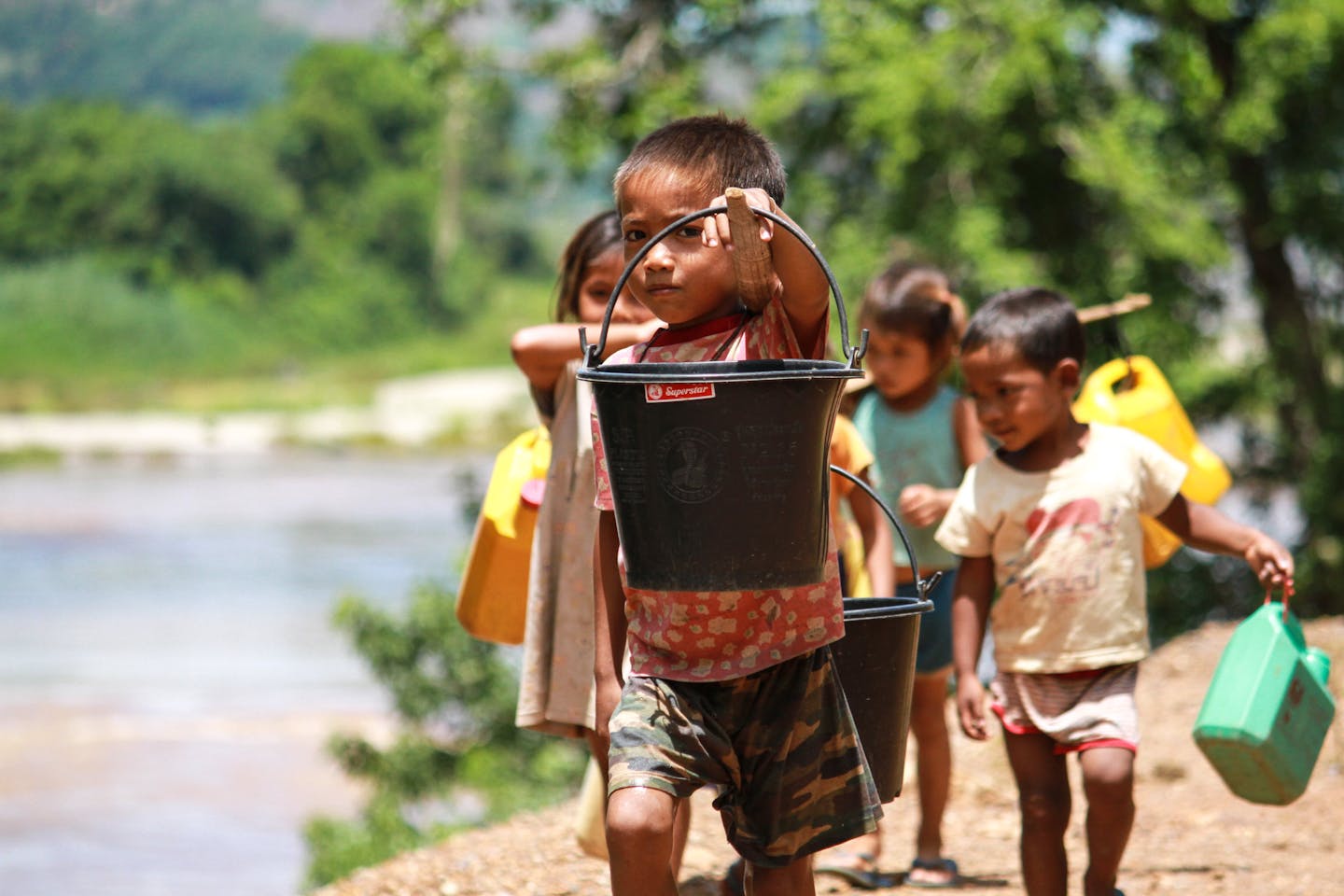
The UN University report highlights a chronic state of "water bankruptcy," emphasizing systemic overuse of water resources instead of a temporary crisis. This condition leads to severe implications for water conservation and management, as efforts to mitigate issues like drought and pollution often fail due to deep-rooted mismanagement. The global community faces risks of conflict and instability linked to water shortages, requiring a unified response to reduce consumption where necessary while adapting to new realities. The report underscores the need for recognizing these conditions as a failure, prompting urgent corrective actions while noting that no country is immune from these challenges.
Africa | Financial services, Health
‘No country is immune from water bankruptcy’

Space infrastructure is critical for the 21st-century economy, supporting navigation, finance, and climate monitoring. However, increasing congestion from space debris poses significant threats, creating strategic vulnerabilities. A report by the World Economic Forum and the Centre for Space Futures forecasts that space debris could cost up to $42.3 billion over the next decade, considered a "hidden tax" on the space economy. A single major collision could escalate costs even further. Adopting a proactive strategy with preventative measures, economic incentives, and international collaboration is essential to protect space infrastructure for future generations.
Clear Orbit, Secure Future: A Call to Action on Space Debris
Research by Sándor Juhász, Johannes Wachs, Jermain Kaminski, and César A. Hidalgo introduces the software economic complexity index (ECIsoftware), utilizing data on programming languages from open-source software to enhance understanding of the digital economy. The study highlights that traditional measures based on exports, patents, and employment often overlook the digital sector. The findings indicate that ECIsoftware effectively correlates with GDP per capita, income inequality, and emissions, revealing the interconnectedness of programming language dynamics with a country's economic specialization.
Armenia, Australia, Austria, Barbados, Belgium, Benin, Bolivia, Bosnia and Herzegovina, Bulgaria, Burkina Faso, Cambodia, Cameroon, Canada, Chad, Chile, Colombia, Costa Rica, Croatia, Cyprus, Czech Republic, Democratic Republic of the Congo, Denmark, Djibouti, Dominican Republic, Ecuador, Egypt, El Salvador, Estonia, Eswatini, Ethiopia, Finland, Gabon, Georgia, Germany, Ghana, Greece, Guatemala, Honduras, Hungary, Iceland, India, Indonesia, Ireland, Israel, Italy, Jamaica, Japan, Jordan, Kazakhstan, Kenya, Kyrgyz Republic, Latvia, Lebanon, Lesotho, Lithuania, Luxembourg, Madagascar, Malawi, Malaysia, Malta, Mauritania, Mauritius, Mexico, Moldova, Morocco, Mozambique, Namibia, Netherlands, New Zealand, Nicaragua, Norway, Oman, Pakistan, Panama, Paraguay, Peru, Philippines, Poland, Portugal, Republic of Korea, Romania, Russian Federation, Saudi Arabia, Senegal, Singapore, Slovakia, Slovenia, South Africa, Spain, Sweden, Switzerland, Taiwan, China, Tajikistan, Tanzania, Thailand, Tunisia, Türkiye, Uganda, Ukraine, United Arab Emirates, United Kingdom, Uruguay, Venezuela, Viet Nam, Yemen, Zambia, Zimbabwe | Financial services, Education, ICT
The software complexity of nations
AI tools are boosting researchers' productivity, leading to increased publication rates, citations, and quicker ascension to leadership roles. However, this trend is causing scientific inquiry to become more homogeneous, as researchers gravitate towards the same popular topics. According to an analysis of over 40 million academic papers, the reliance on AI fosters a conflict between individual career success and broader scientific advancement, resulting in a decline in research diversity and originality.
AI Boosts Research Careers but Flattens Scientific Discovery
Bangladesh faces a rapidly aging population, with projections indicating that nearly 20% will be 60 years or older by 2050. Most elderly receive care from unpaid family members, primarily women, leading to social inequities and caregiver burdens. Current long-term care services reach less than 1% of older individuals, leaving many unsupported. A national long-term care policy is necessary, focusing on developing service standards, training caregivers, and integrating care into public policy. Sustainable financing and improved coordination among agencies are essential to ensure that older citizens can age with dignity and caregivers receive adequate support.
Bangladesh
Aging with Dignity: Why Bangladesh Must Invest in Long-Term Care
AI is rapidly transforming work, outpacing the capabilities of existing labor market information systems, which were designed for different contexts. The focus is shifting from who works where to understanding job functions, skill utilization, and the impact of AI on tasks. Many countries still depend on outdated survey methods and disconnected data, hindering their ability to detect evolving skill demands and support training initiatives. A report by Access Partnerships and Workday proposes modernizing labor market data systems to better address these challenges, establishing a framework for assessing countries' readiness across critical dimensions.
United Arab Emirates | Education
Labor Data Readiness in the Age of AI
Advances in artificial intelligence (AI) enable population-wide manipulation of beliefs and behaviors using large language models (LLMs) and autonomous agents, resulting in influence campaigns with unprecedented scale and precision. Generative tools enhance propaganda while maintaining credibility, allowing for the creation of convincing falsehoods. Collaborative, malicious AI swarms pose a significant threat to democracy by infiltrating communities and fabricating consensus. The dangers stem from design, commercial interests, and governance, prompting the need for interventions focusing on pragmatic solutions rather than voluntary compliance.
Education
How malicious AI swarms can threaten democracy

Emotions significantly influence climate action, as evidenced by research in Nottingham aimed at becoming the UK's first carbon-neutral city by 2028. Four primary emotions—love, fear, anger, and hope—shape residents’ engagement with sustainability. Love fosters community involvement but can also lead to exclusion. Fear motivates action in some, while paralyzing others, often exacerbated by negative media narratives. Anger drives campaigns against perceived injustices but can lead to disillusionment if ignored. Hope, distinct from blind optimism, fuels perseverance despite challenges. Engaging these emotions in participatory processes is crucial for just and effective climate transformation.
Love, fear, anger and hope: how emotions influence climate action
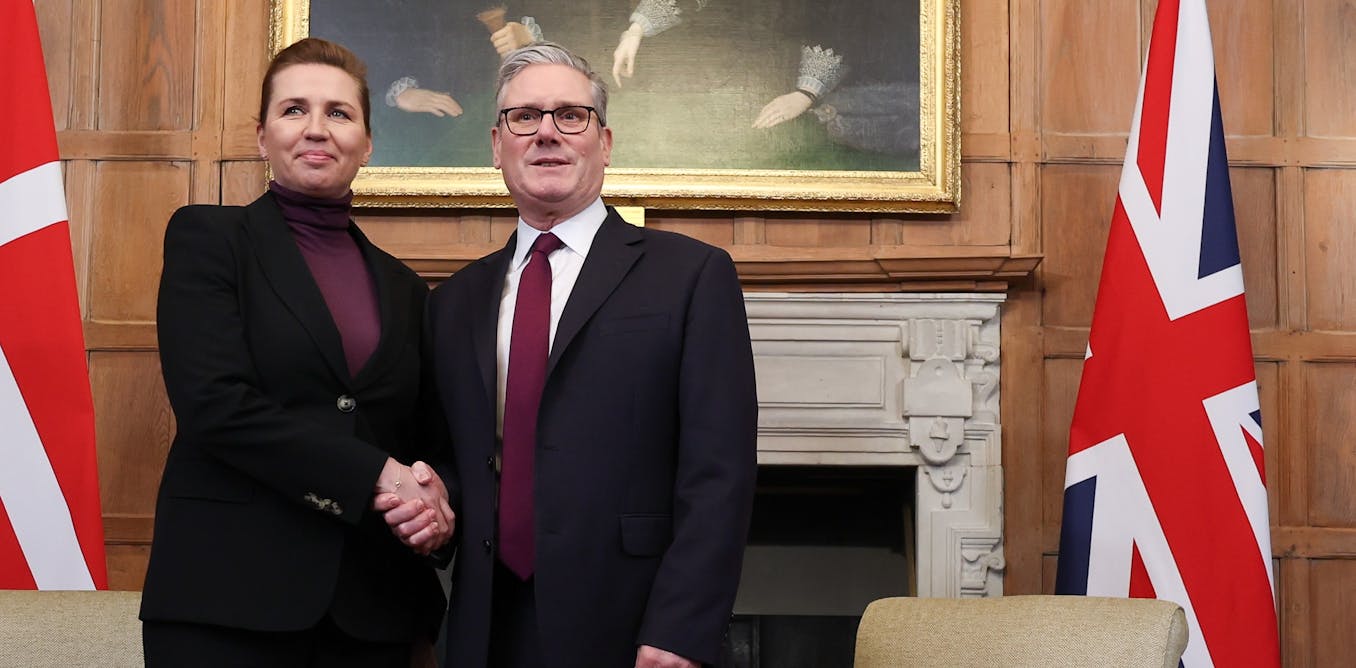
Keir Starmer diverged from Donald Trump’s intentions to acquire Greenland, reflecting a blend of British pragmatism and adherence to values in foreign policy. Historically, UK foreign policy oscillates between pragmatic approaches and ideological frameworks, illustrated by leaders from Thatcher to Blair. Starmer’s alignment with the EU and support for Ukraine emphasize values like sovereignty, while also incorporating pragmatic caution—an essential component amid geopolitical tensions. His policies, including the Chagos Islands deal, highlight a pragmatic strategy balancing historical redress with strategic interests, indicating the complexities of idealism within UK's foreign policy.
Starmer’s response to Trump’s Greenland outburst shows good old British pragmatism only goes so far

Russia has intensified attacks on Ukraine's energy infrastructure during the severe winter, leaving thousands without heating amid freezing temperatures. The strikes have targeted power stations and heating systems, severely affecting urban areas, particularly Kyiv, where many buildings remain without heat. Russia's historical knowledge of Ukraine's Soviet-era energy systems likely aids in these targeted attacks. Ukraine's reliance on centralized district heating makes its infrastructure particularly vulnerable. Despite efforts to restore services, continual Russian assaults complicate repairs and threaten the safety of emergency workers. Ukraine is also working to reduce reliance on Russian energy through integration with European systems.
Russian knowledge of Soviet-era energy systems has helped it to target Ukraine’s heating and homes
Human civilization is entering an era of rapid technological convergence involving humanoid robotics, AI, quantum computing, and synthetic biology. This fusion dissolves boundaries between biological, digital, and physical realms, enabling unprecedented capabilities to alter life, cognition, ecosystems, and geopolitical structures. This convergence introduces civilizational frontier risks—systemic and existential challenges arising when technological power surpasses ethical, political, and governance frameworks. By 2050, a hybrid or enhanced entity called Homo HURAQUS, integrating these technologies, may emerge as a competitor or collaborator to Homo sapiens. This development compels urgent reflection on civilization's future and governance of transformative technologies that could redefine humanity and security globally and beyond.
Education
Homo HURAQUS 2050 and the Disruptive Techno-Convergence Era
The European Commission has revitalized its project to strengthen the continent’s economic security, updating its 2023 strategy amid ongoing geopolitical tensions and economic challenges from Russia and China. The initiative emphasizes a comprehensive approach that transcends traditional policy silos, integrating defense, diplomacy, health, and economic sectors. Key proposals include creating a European economic security network supported by a central Economic Security Information Centre to consolidate data and risk assessments, and enhanced collaboration with the private sector. Digital governance and cybersecurity are now central to the doctrine, reflecting their critical role in Europe’s resilience and economic stability.
Austria, Belgium, Cyprus, Czech Republic, Denmark, Estonia, France, Germany, Hungary, Italy, Latvia, Lithuania, Luxembourg, Netherlands, Peru, Poland, Russian Federation, Slovenia, Spain, Sweden, Switzerland, Ukraine, United Kingdom | Financial services
The EU Economic Security Doctrine: Just Hot Air?